The Ultimate Twice Baked Potato Casserole Simplifies Family Dinners and Holiday Feasts

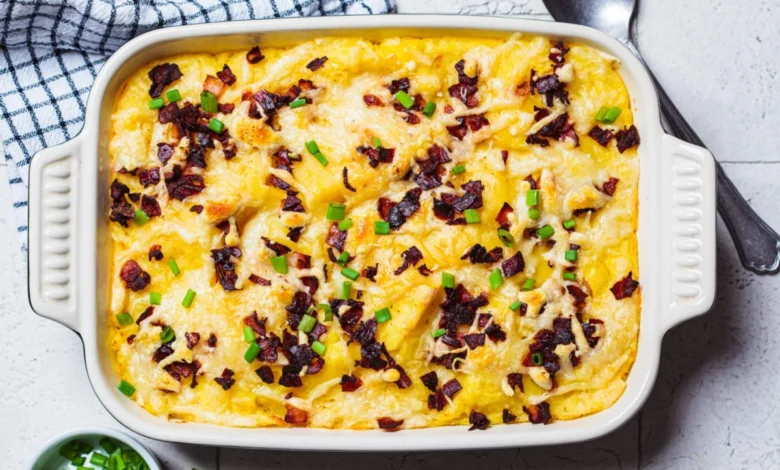
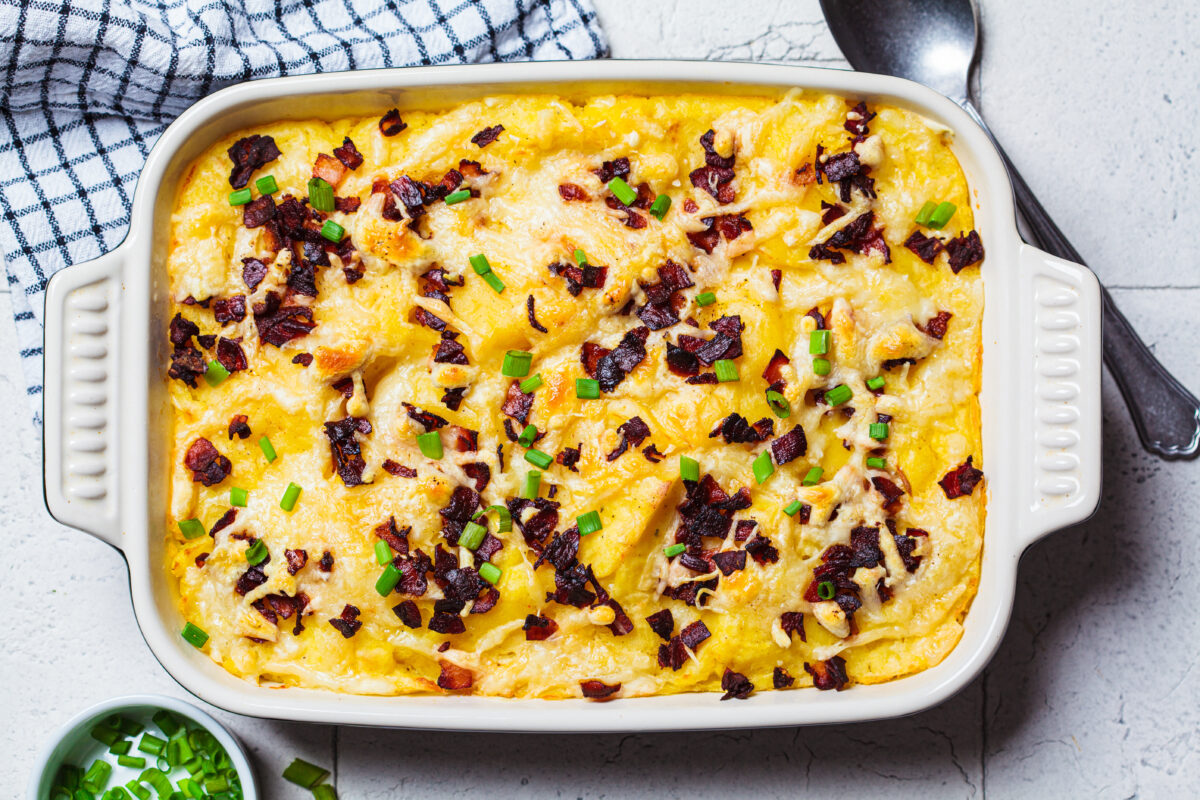
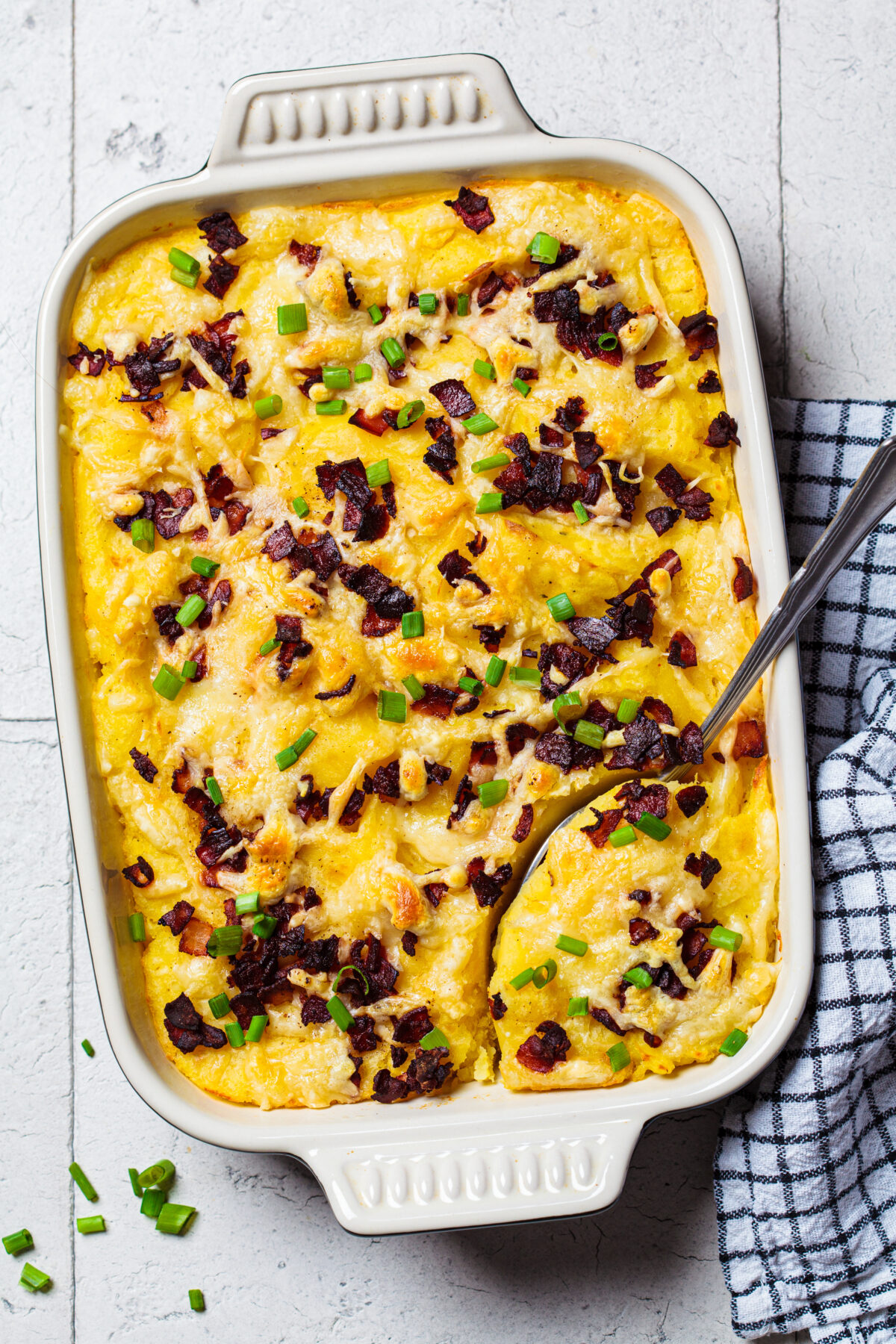
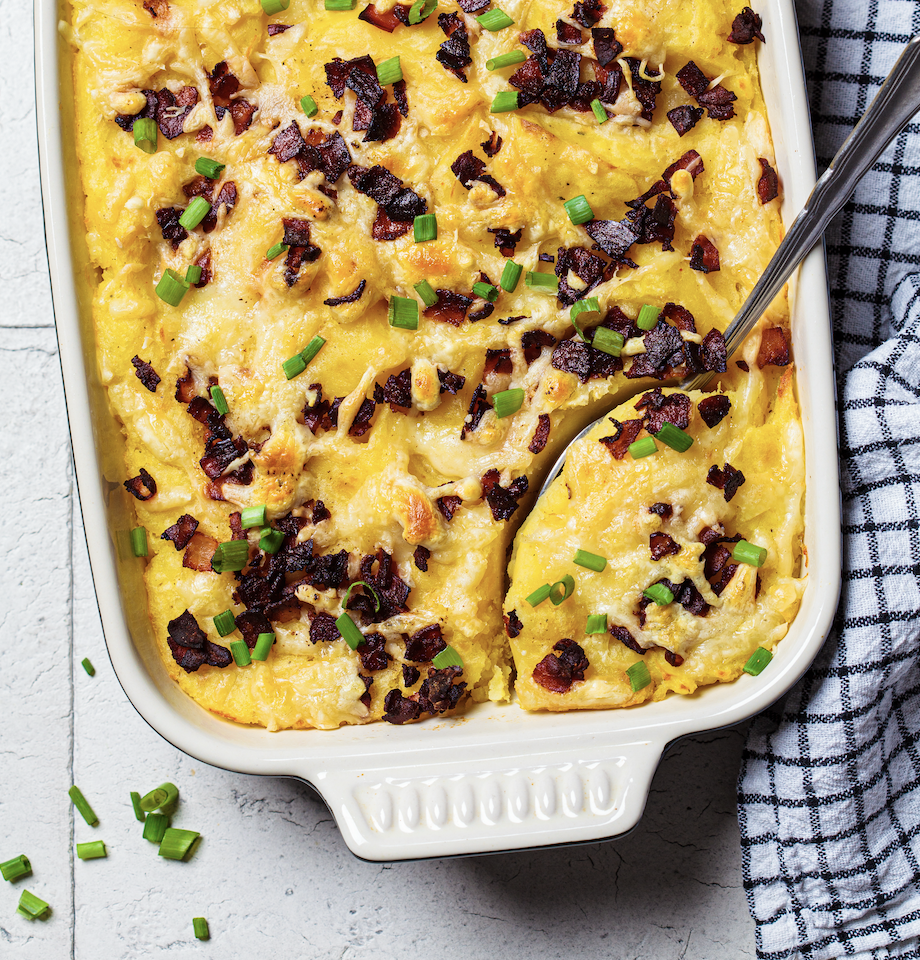
The evolution of modern home cooking has long been defined by the pursuit of comfort food that balances traditional indulgence with practical efficiency. Culinary professionals and home cooks alike continually seek methods to streamline classic dishes without sacrificing flavor or presentation. Enter the twice-baked potato casserole, a culinary innovation designed to eliminate the labor-intensive assembly of individual loaded potatoes while preserving every element of the beloved comfort food classic. Featuring a foundation of fluffy potatoes, a rich and creamy filling, melted sharp cheddar cheese, savory bacon, and fresh green onions, this crowd-pleasing casserole has rapidly emerged as a staple for Sunday dinners, holiday spreads, and large-scale community gatherings.
Culinary Background and the Rise of Casserole Culture
To understand the appeal of the twice-baked potato casserole, one must examine the history of the traditional twice-baked potato. Originating in American home kitchens during the mid-20th century, the classic dish requires baking whole potatoes, scooping out the interior flesh, mashing it with dairy, butter, and seasonings, stuffing the mixture back into the empty skins, and baking them a second time until golden and bubbly. While undeniably delicious, the method is notoriously time-consuming when scaling a meal for a large family or dinner party.
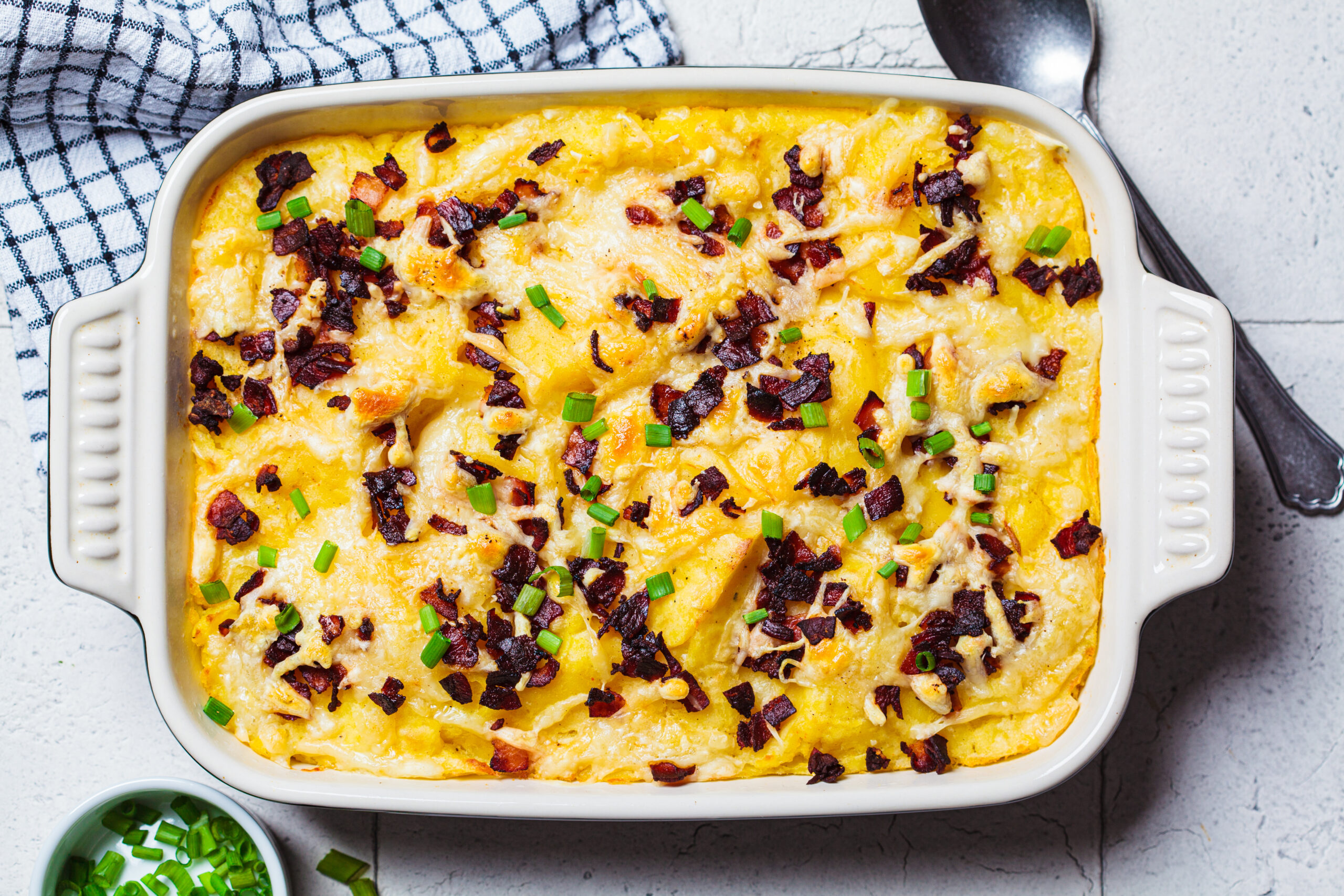
Food historians and culinary experts note that the transition from individual portions to a unified casserole format reflects a broader shift in domestic gastronomy. As households face increasingly demanding schedules, meal preparation strategies that reduce hands-on kitchen time without compromising quality have become paramount. The casserole format allows for batch cooking, effortless portioning, and advanced preparation, aligning seamlessly with the demands of contemporary family life.
Nutritional Adaptation and Ingredient Innovation
A significant aspect of modernizing the twice-baked potato lies in ingredient substitution. Traditional recipes often rely exclusively on heavy cream, excessive butter, and full-fat sour cream. In this optimized recipe, the integration of Greek yogurt serves a dual purpose. It introduces a velvety texture and a subtle tang that mimics traditional sour cream while significantly increasing the protein content of the dish.
Dietary analysts and nutritionists frequently emphasize the importance of modifying classic comfort foods to support balanced eating habits without alienating consumers who crave rich flavors. By substituting a portion of the heavier fats with Greek yogurt, home cooks can achieve a luxurious mouthfeel while enhancing the nutritional profile of the side dish. Furthermore, the inclusion of lean protein sources, such as quality bacon and versatile dairy, ensures that the dish remains satisfying and cohesive.
Expert Culinary Tips for Achieving Perfection
Achieving the ideal consistency in a potato casserole requires adherence to specific culinary techniques. Professional chefs and test kitchen experts highlight several critical steps to prevent common pitfalls such as gummy textures or lumpy fillings:
- Proper Thermal Processing: Potatoes must be baked until they are completely tender throughout. Undercooked tubers resist smooth mashing, leading to inconsistent textures within the casserole.
- Controlled Agitation: Overmixing potatoes releases excess starch, transforming a light and fluffy mash into a heavy, gluey paste. Culinary standards dictate using a traditional hand masher or ricer rather than mechanized food processors, mixing only until the dairy and seasonings are fully incorporated.
- Cheese Selection: Pre-shredded packaged cheeses are typically coated with anti-caking agents such as cellulose or potato starch, which inhibit smooth melting. Grinding fresh blocks of sharp cheddar yields a superior, uniform melt and a more robust flavor profile.
- Seasoning Calibration: Because potatoes are a bland carbohydrate base that absorbs substantial seasoning, tasting the filling prior to final baking is essential for balanced flavor development.
- Strategic Layering: Reserving a portion of the cheese, bacon, and green onions to apply during the final stages of baking creates textural contrast and visual appeal.
Customization and Dietary Flexibility
The inherent versatility of the potato casserole format lends itself to numerous culinary adaptations, accommodating diverse dietary preferences and regional tastes. Culinary developers have outlined several popular variations that maintain the structural integrity of the original recipe while introducing new flavor profiles:
- The Broccoli Cheddar Variation: Incorporating finely chopped, steamed broccoli florets directly into the potato matrix increases dietary fiber and vegetable consumption, making it particularly appealing for households with children.
- Protein Enrichment: The addition of shredded, cooked chicken or turkey transforms the side dish into a substantial, standalone main course suitable for weeknight dinners.
- Botanical and Spice Infusions: Introducing chopped fresh jalapeños, a dash of cayenne pepper, or commercially blended ranch seasoning provides an immediate elevation of heat and herbaceous complexity.
- Cheese Diversification: While sharp cheddar remains the gold standard, combining it with Monterey Jack, Colby Jack, or Swiss Gruyère offers nuanced depth and varied melting properties.
Logistical Advantages: Make-Ahead Feasibility and Preservation
In the context of event planning and holiday logistics, the capacity to prepare dishes in advance is a crucial factor for success. The twice-baked potato casserole excels in this arena, offering robust make-ahead capabilities that reduce stress on the day of an event.
Culinary science indicates that assembled, unbaked casseroles can be stored in refrigeration for up to 48 hours, or tightly sealed and frozen for up to two months. When utilizing freezing methods, proper thermal management is required; dishes should be thoroughly cooled prior to freezing and allowed to thaw gradually in a refrigerated environment to maintain optimal cellular structure in the potatoes. Upon reheating, a minor adjustment—such as introducing a small splash of milk or broth—restores moisture lost during cold storage, ensuring the dish retains its freshly prepared quality.
Comprehensive Troubleshooting and FAQ Analysis
To assist home cooks in executing the recipe successfully, culinary experts have compiled solutions to frequently encountered challenges:
- Addressing Gummy Textures: As noted, mechanical over-processing is the primary culprit behind undesirable starches. Relying on manual mashing techniques resolves this issue.
- Incorporating Potato Skins: For those seeking a rustic presentation and additional dietary fiber, leaving the skins intact during the mashing process is entirely viable, provided the potatoes are washed and scrubbed thoroughly prior to initial baking.
- Adapting Dish Dimensions: The recipe accommodates various baking vessel sizes, including 2- to 3-quart dishes or standard 9×13-inch pans for doubled quantities, though baking times may require slight adjustments to ensure even heat penetration.
Implications for Modern Home Entertaining
The enduring popularity of the twice-baked potato casserole underscores a broader trend in domestic food culture: the desire for scalable, reliable comfort food that bridges the gap between everyday practicality and celebratory dining. By translating the complex, multi-step process of individual twice-baked potatoes into a streamlined, cohesive casserole format, home cooks gain a versatile tool capable of satisfying large groups with minimal active labor. As culinary trends continue to prioritize efficiency without sacrificing traditional flavors, innovations of this nature secure their place as enduring kitchen classics.
Related posts: