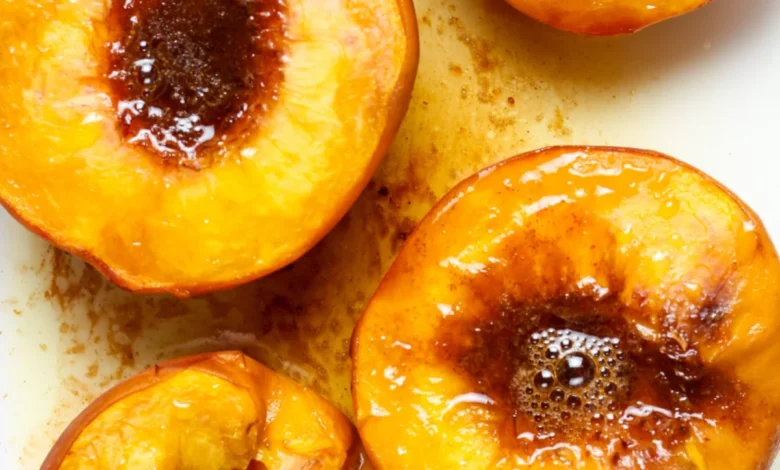
The practice of baking stone fruits, specifically peaches, represents a convergence of traditional horticultural appreciation and fundamental culinary chemistry. As late summer marks the peak harvest season for Prunus persica, home cooks and professional chefs alike turn their attention to methods that preserve the fruit’s integrity while enhancing its natural sugar profiles. Baked peaches, characterized by their tender, succulent texture and caramelized essence, have evolved from a rustic farmhouse dessert into a staple of seasonal gastronomy, favored for its reliance on simple, high-quality ingredients and straightforward thermal processing.
Historical and Agricultural Context of Peach Cultivation
Peaches have been cultivated for thousands of years, originating in Northwest China before spreading through the Silk Road to Persia, and eventually, to the Mediterranean and the Americas. The fruit is highly seasonal, with peak production in the Northern Hemisphere occurring between June and August. Agricultural experts note that the quality of the fruit is contingent upon heat units during the growing season and soil nutrient profiles. When a peach reaches the "ripe" stage—defined by a slight softening of the flesh and a distinct, sweet aroma—it contains optimal levels of fructose and sucrose. Baking this fruit facilitates the Maillard reaction and sugar caramelization, chemical processes that occur when heat is applied to the fruit’s natural sugars and amino acids, resulting in the complex, depth-filled flavor profile synonymous with this dish.
The Chemistry of Thermal Processing
The transformation of a raw peach into a baked delicacy is governed by specific thermal parameters. Research in food science indicates that heating peaches at 350 degrees Fahrenheit (approximately 175 degrees Celsius) creates an ideal environment for breaking down pectin, the structural polysaccharide in fruit cell walls. This breakdown is what gives the baked peach its signature "melting" texture.
When halved and pitted, the fruit’s internal cavity acts as a natural vessel. The introduction of fats—typically butter or high-quality oils—serves as a heat-transfer medium, ensuring that the fruit cooks evenly from the inside out. The addition of cinnamon, a spice containing the compound cinnamaldehyde, provides an aromatic contrast to the fruit’s acidity. Coconut sugar, a popular alternative to processed sucrose, offers a lower glycemic index and a distinct caramel-like undertone, which complements the peach’s natural profile without overpowering it.
Chronology of Preparation and Culinary Methodology

Achieving a consistent, high-quality result requires a standardized approach to preparation. The process generally follows a five-stage chronology:
- Selection and Preparation: The foundation of the dish is the fruit itself. Culinary professionals emphasize the use of "freestone" peaches, which allow the pit to be removed without damaging the flesh. The fruit must be washed and halved along the natural suture line.
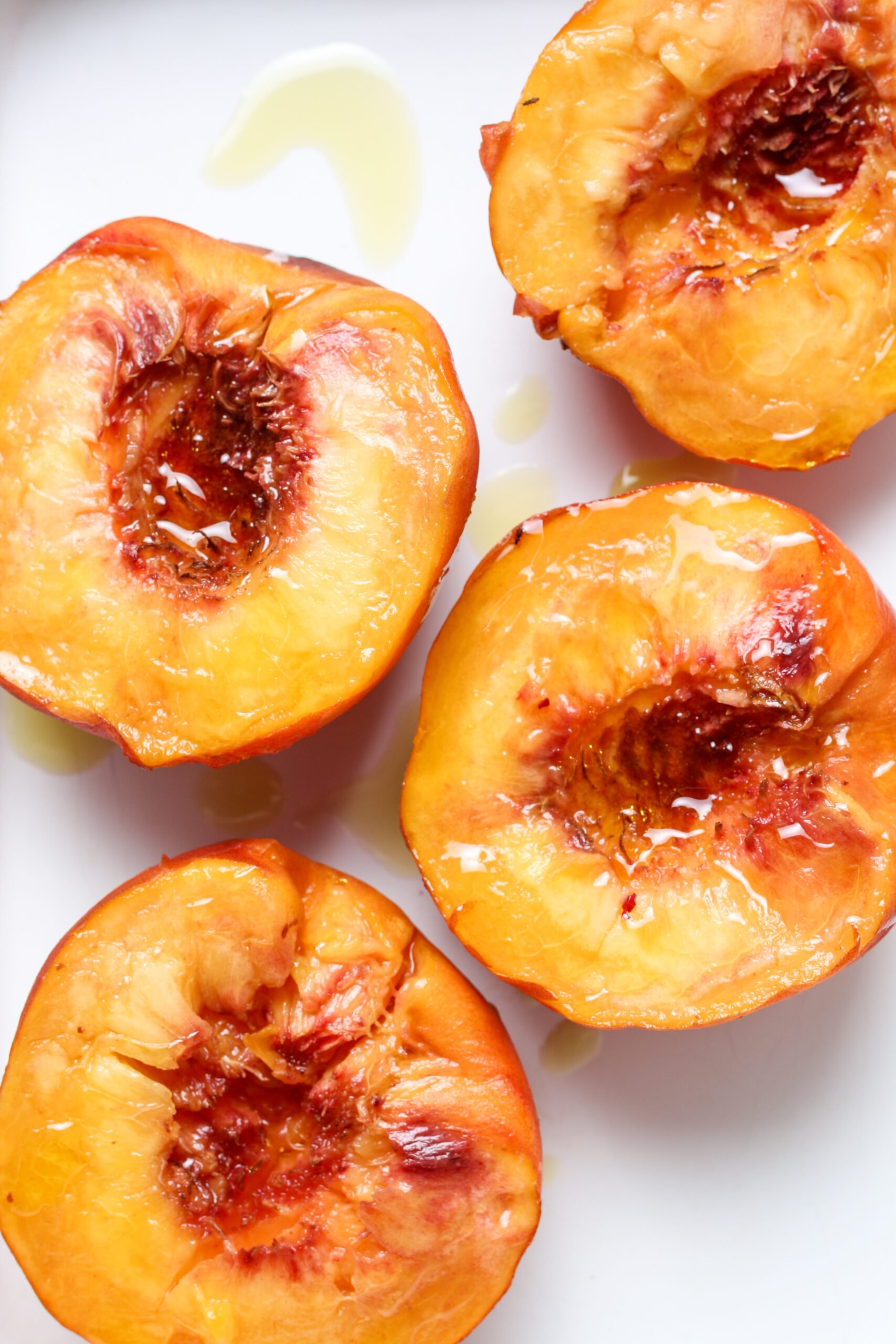
- Initial Thermal Exposure: The peaches are placed in a rimmed baking dish, cut-side up. A light coating of fat, such as olive oil, is often applied to the exposed surfaces to prevent dehydration and to assist in the initial browning of the fruit skin.
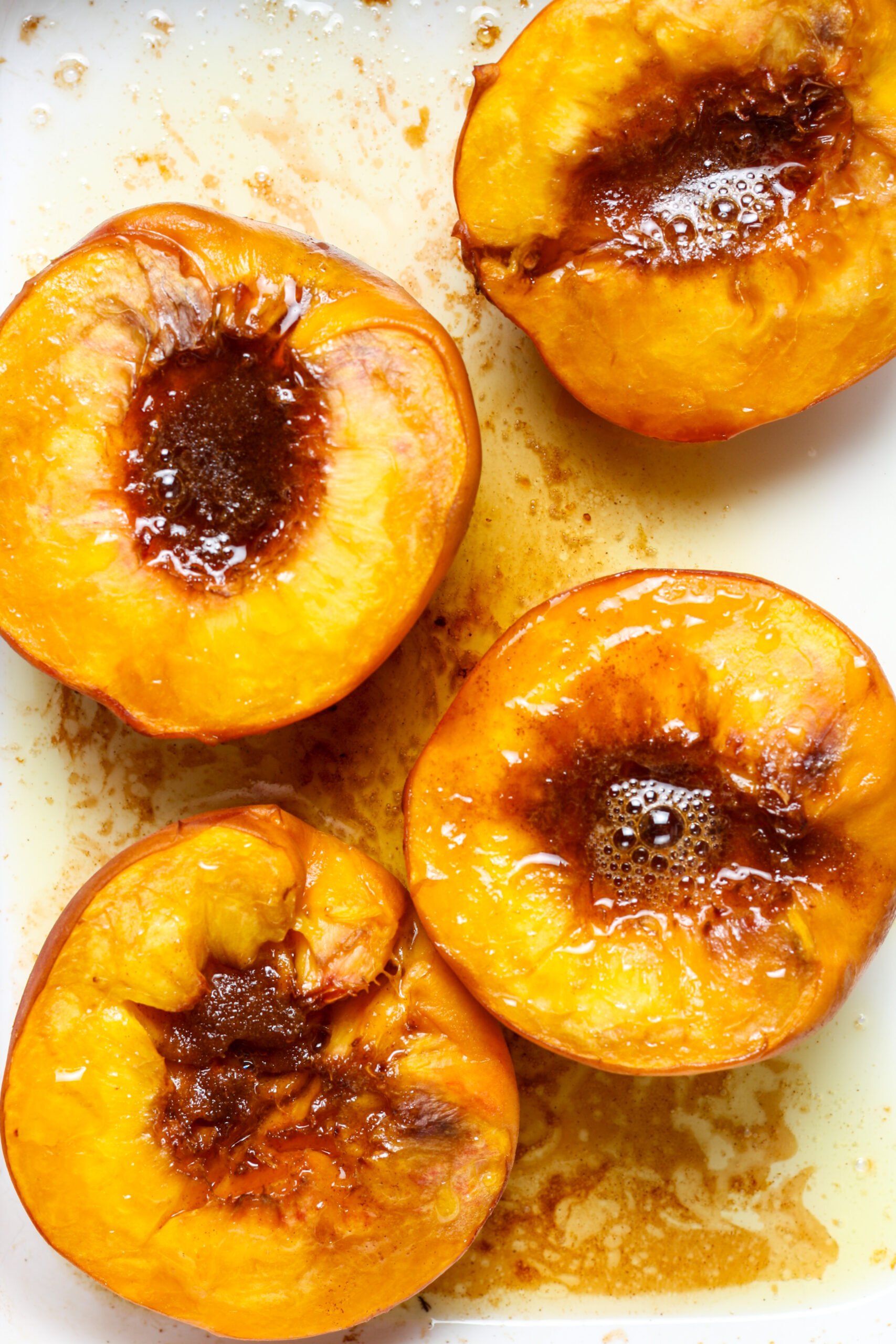
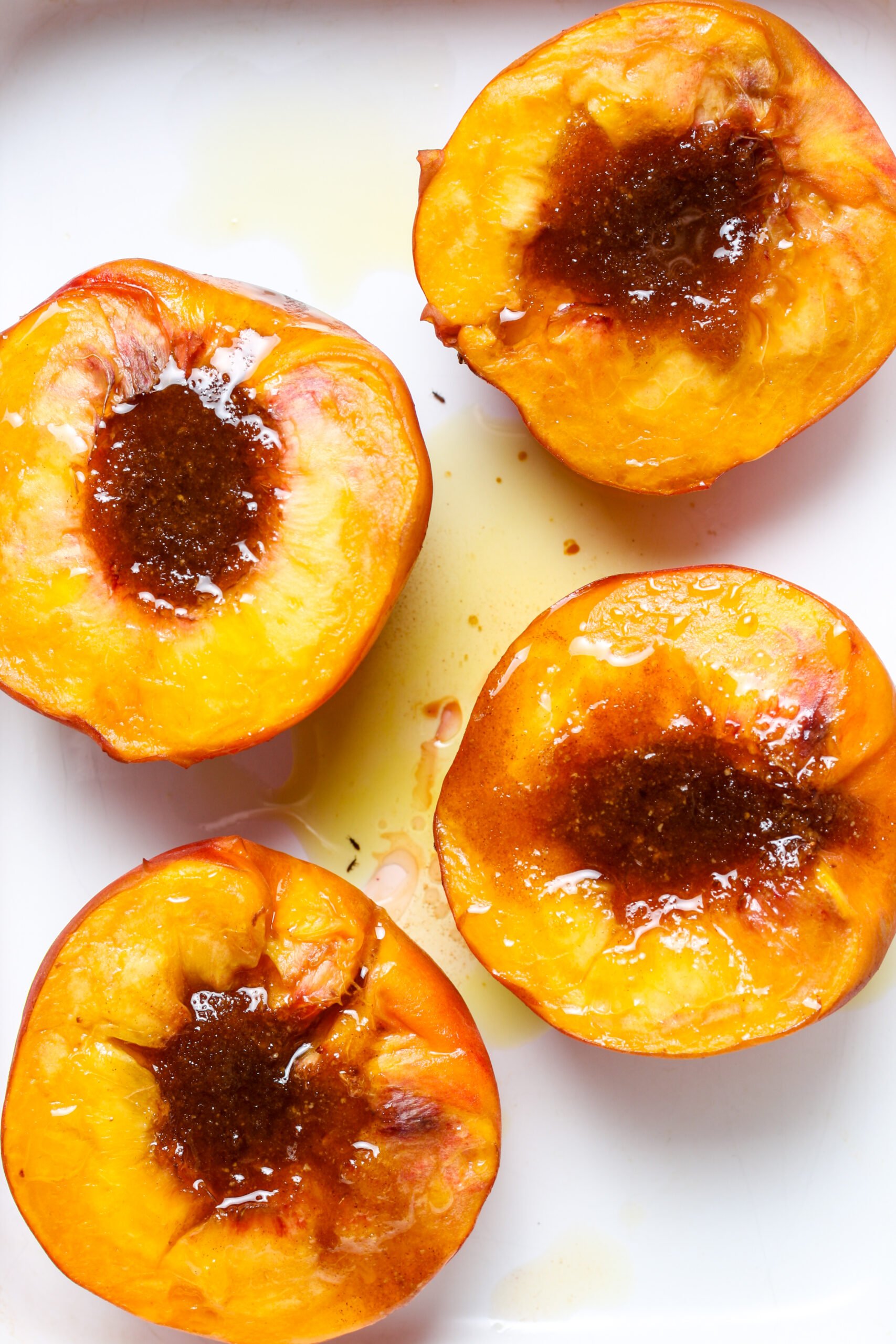
- Ingredient Incorporation: Once the initial baking phase—typically lasting 15 minutes—is complete, the cavity is filled with a mixture of butter, cinnamon, and sugar. This allows the filling to emulsify within the fruit’s own juices.
- Final Caramelization: The fruit is returned to the heat source for an additional 10 to 12 minutes. During this period, the sugar-butter mixture undergoes active bubbling, effectively poaching the peach in its own reduced syrup.
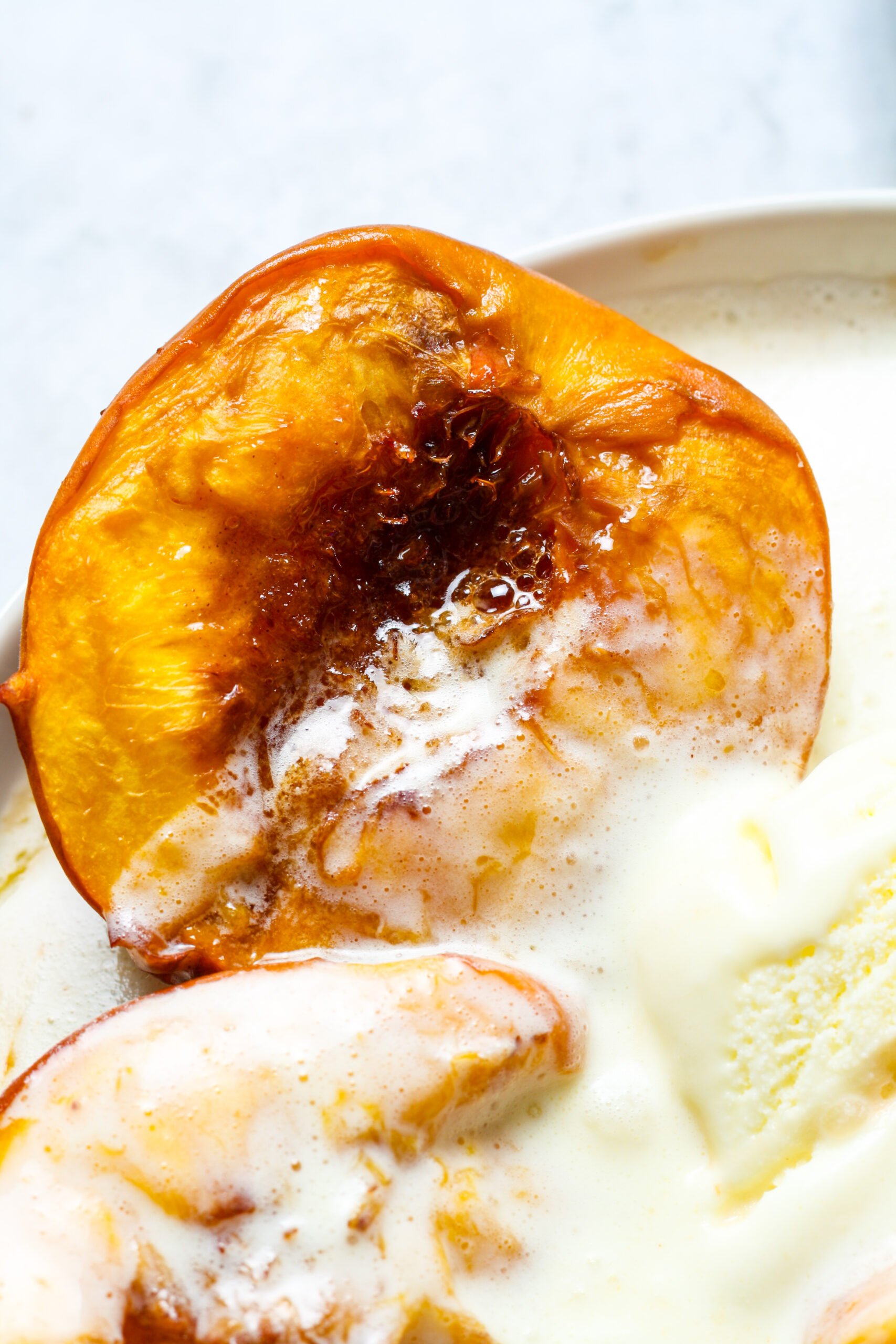
- Tempering and Serving: The final product is allowed to rest briefly. This resting period is critical, as it allows the sugars to thicken into a glaze-like consistency. It is traditionally served at a temperature that balances the warmth of the fruit with the cooling effect of dairy accompaniments like vanilla ice cream or Greek yogurt.
Economic and Nutritional Implications
The popularity of baked peaches also speaks to broader trends in consumer behavior, specifically the move toward whole-food, plant-based desserts. From a nutritional standpoint, peaches provide essential vitamins, including C and A, as well as dietary fiber. While baking does reduce some heat-sensitive nutrient content, the preparation method requires minimal added sugar compared to traditional baked goods like pies or cakes, making it a favorable choice for health-conscious consumers.
From an economic perspective, the rise in demand for seasonal, locally sourced produce supports small-scale orchard operators. Market analysts have observed that "farm-to-table" movements often prioritize recipes that highlight the raw ingredient rather than masking it with heavy flours or excessive additives. The simplicity of this recipe aligns with these economic shifts, encouraging consumers to purchase fresh fruit directly from producers, thereby reducing the carbon footprint associated with long-distance food transport.
Expert Recommendations for Quality Control
Culinary consultants and food safety experts offer specific guidance for ensuring the success of this preparation. First, the selection of the fruit is paramount; a peach that is under-ripe will lack the necessary sugar concentration to caramelize effectively, while an over-ripe peach may lose its structural integrity and turn to mush during the baking process.
Second, the use of a rimmed baking dish is a mandatory safety and maintenance consideration. As the peaches reach their peak, they release significant volumes of juice and molten sugar. A shallow or flat pan would result in the loss of these fluids and potentially cause combustion issues within the oven.
Third, for those seeking to diversify the flavor profile, culinary experts suggest integrating secondary ingredients such as chopped nuts (pecans or walnuts) to provide textural contrast, or adding a dash of balsamic vinegar to the filling to enhance the acidity of the peaches. These variations, while experimental, are rooted in the basic culinary principle of balancing sweet, fat, acid, and salt.
Broader Impact and Consumer Trends
The resurgence of simple, fruit-based desserts reflects a shift away from high-process confectionery. As public awareness of ingredient sourcing grows, recipes that require fewer than five to six ingredients have gained significant traction in both home kitchens and mainstream media. The baked peach, by virtue of its aesthetic appeal and ease of execution, has become a representative dish for this movement.
Furthermore, the integration of technology—such as digital recipe indexing and high-resolution food photography—has accelerated the dissemination of such recipes, allowing for rapid iteration and feedback. When a user modifies a recipe by substituting coconut sugar for brown sugar or adding a specific spice, that data often informs future culinary trends. The feedback loops created by online recipe communities suggest that the "baked fruit" category will continue to expand, potentially incorporating more exotic varieties of stone fruits in coming seasons.
Conclusion
Baked peaches serve as a prime example of how basic kitchen techniques can elevate natural produce into a sophisticated dining experience. By understanding the chemistry of heat application and the agricultural cycle of the fruit, the home cook can achieve consistent, professional-grade results. As consumer preferences continue to favor transparency, simplicity, and seasonality, this method of preparing stone fruit is poised to remain a permanent fixture in the modern culinary repertoire, offering a sustainable and nutritionally sound alternative to traditional dessert paradigms. Whether served at a family gathering or as a quiet end to a meal, the baked peach stands as a testament to the enduring appeal of quality, fresh ingredients prepared with precision.