High-Protein Raspberry Overnight Oats Offer a Nutritional Blueprint for Busy Mornings


The modern consumer marketplace is currently saturated with products boasting exaggerated protein content, ranging from specialized waters to fortified snack items. This relentless marketing push and the cultural obsession with counting macronutrient grams have left many health-conscious individuals experiencing fatigue over nutritional discourse. However, registered dietitians and nutrition researchers emphasize that while the commercialization of protein is often overblown, strategic incorporation of high-quality macronutrients into the first meal of the day can yield measurable physiological benefits.
Amidst a backdrop of wellness fatigue, culinary developers and nutrition professionals are returning to whole-food solutions that seamlessly integrate balanced nutrition without requiring complex tracking. A prime example of this approach is the newly popularized recipe for High-Protein Raspberry Overnight Oats, a meal-prep-friendly breakfast that delivers 33 grams of protein per serving while addressing common dietary hurdles such as mid-morning energy crashes and age-related muscle preservation.
Nutritional Science and Midlife Health Considerations
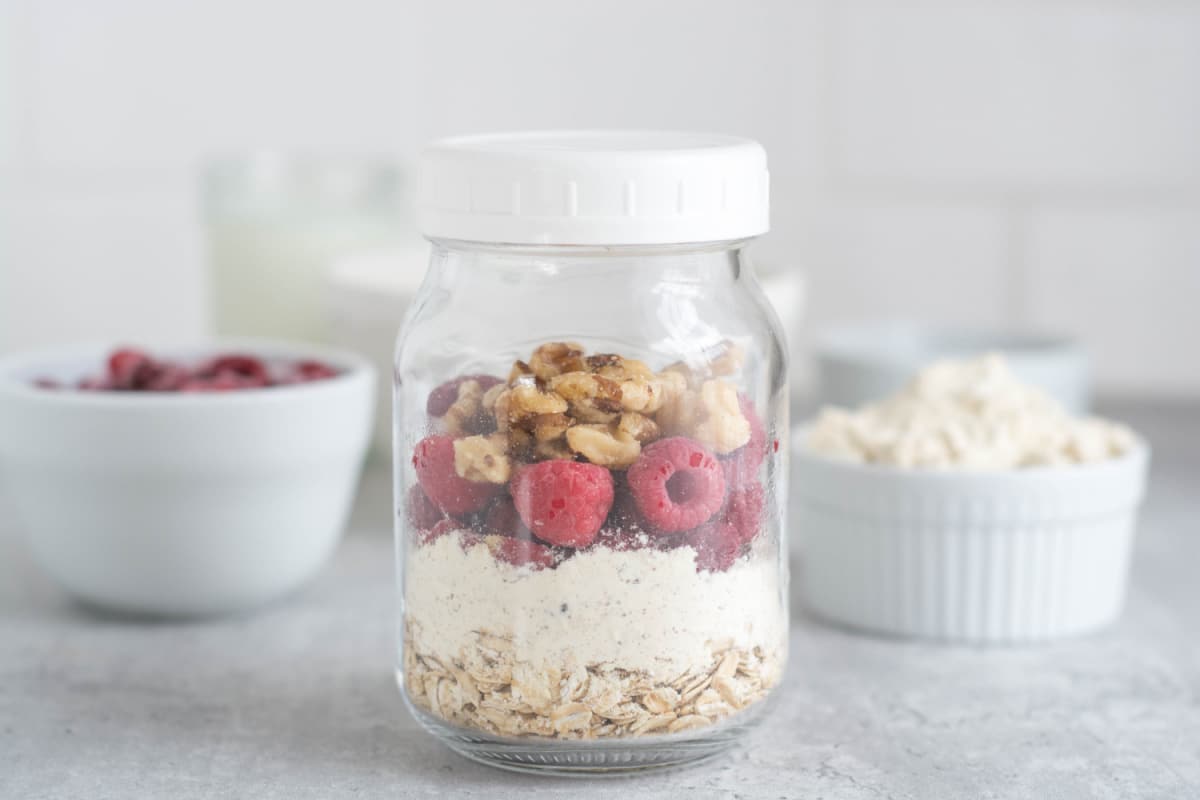
From a clinical perspective, protein is not a singular cure-all nutrient, and the vast majority of populations consuming a standard balanced diet already ingest sufficient daily protein to prevent deficiencies. Yet, the timing and distribution of protein intake throughout the day remain critical factors in metabolic health and athletic recovery. Clinical studies consistently demonstrate that consuming adequate protein at breakfast helps stabilize blood glucose levels, preventing the sharp mid-morning insulin spikes and subsequent crashes typically associated with high-carbohydrate morning meals. Furthermore, protein promotes prolonged satiety by stimulating the release of peptide YY and cholecystokinin, hormones that signal fullness to the brain.
These physiological mechanisms carry particular significance for demographics navigating midlife transitions. As adults age, they experience a natural, progressive decline in skeletal muscle mass and strength—a condition clinically known as sarcopenia. Mitigating this decline requires a dual approach of resistance training and optimal protein distribution, ensuring the body receives sufficient essential amino acids—particularly leucine—at every meal to stimulate muscle protein synthesis. By anchoring the morning meal with a robust protein source, individuals can support metabolic health and muscle maintenance efficiently, circumventing the need for expensive, highly processed dietary supplements.
Evolution of the Recipe and Meal-Prep Integration
The development of the High-Protein Raspberry Overnight Oats stems from an ongoing effort to diversify standard breakfast rotations without sacrificing nutritional integrity. Traditional morning routines often rely on complex cooking methods or heavily processed convenience items that lack dietary fiber and healthy fats. Recognizing the demand for accessible, nutrient-dense options that can be prepared in advance, nutrition advocates looked to adapt classic winter oatmeal flavor profiles into a chilled, grab-and-go format.
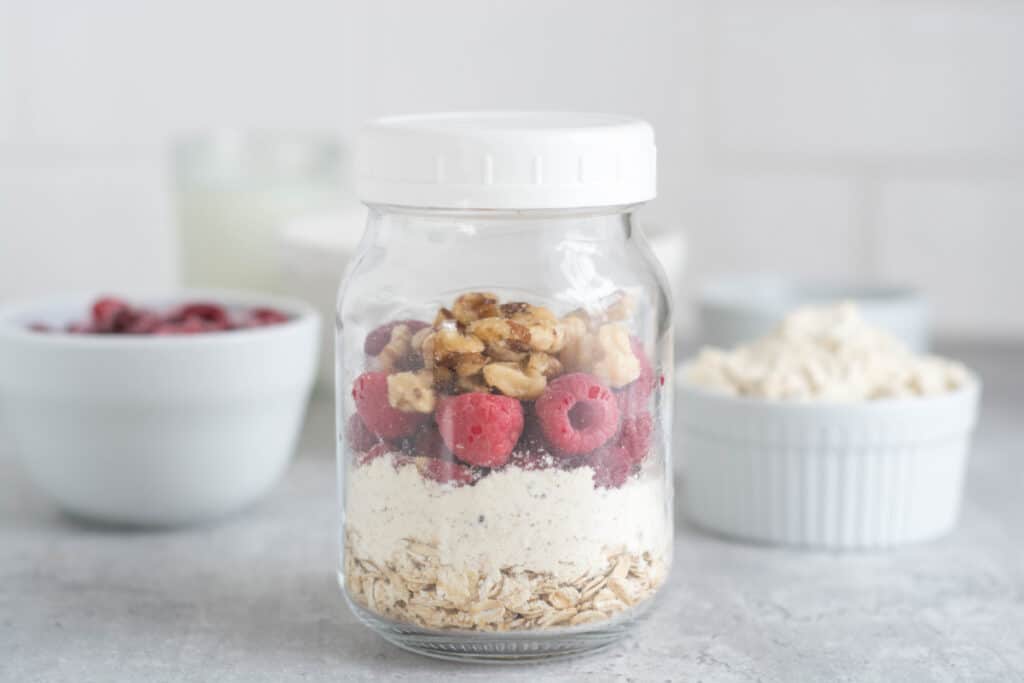
Overnight oats have surged in popularity over the past decade due to their minimal preparation time and chemical interaction between rolled oats and liquid. As oats soak overnight in milk, the starches break down, and the soluble fiber—specifically beta-glucan—softens, creating a creamy texture reminiscent of cooked porridge without the application of heat. The addition of fresh or frozen raspberries introduces natural tartness, antioxidants, and dietary fiber, while a measured scoop of whey protein powder elevates the macronutrient profile to meet the demands of active lifestyles and professionals pressed for time.
Ingredients and Nutritional Profile
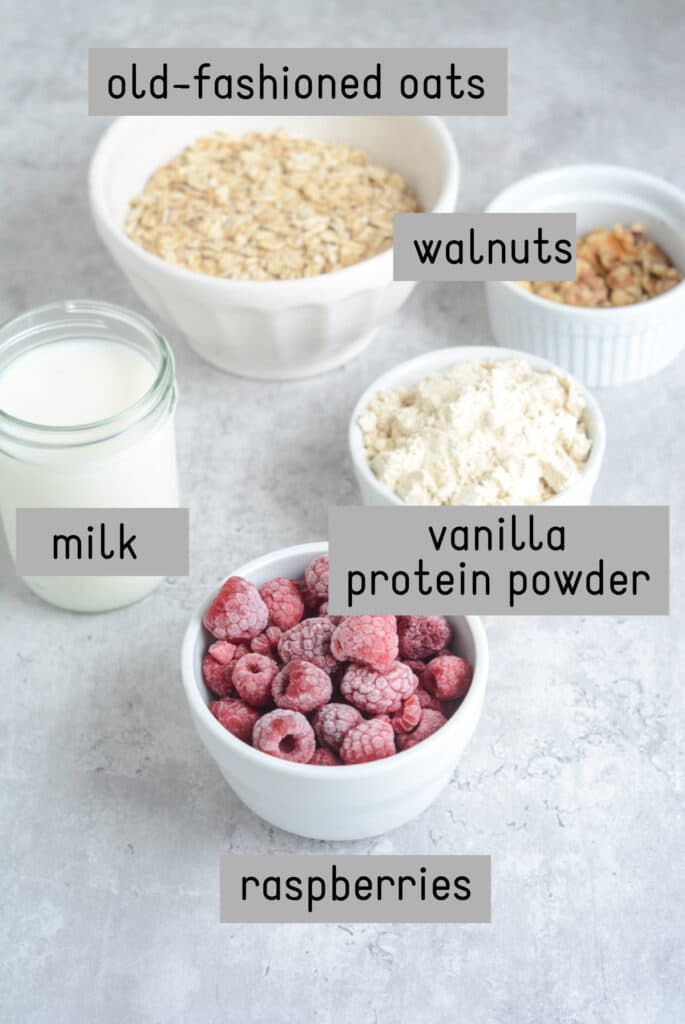
Achieving a balanced nutritional profile requires careful selection of foundational ingredients. The High-Protein Raspberry Overnight Oats recipe relies on a synergy of whole grains, dairy or fortified plant-based milk, antioxidant-rich fruit, healthy fats, and a clean protein supplement.
- Rolled Oats: Providing complex carbohydrates and soluble beta-glucan fiber, rolled oats serve as the structural base, supporting cardiovascular health and sustained energy release.
- Milk: Whether utilizing dairy or fortified alternative milks, this liquid facilitates the softening of the oats while contributing calcium and additional protein.
- Raspberries: These berries offer a low-glycemic fruit option rich in vitamin C, manganese, and polyphenols, which combat oxidative stress.
- Nuts (such as walnuts or almonds): Incorporated to provide essential omega-3 fatty acids and healthy monounsaturated fats, enhancing satiety and nutrient absorption.
- Protein Powder: Used as a culinary shortcut, a high-quality protein powder bridges the gap to achieve the targeted 33 grams of protein per serving.
A standard single-serving portion of this prepared meal contains roughly 300 to 400 calories, depending on the specific milk and protein powder utilized. The dish boasts high concentrations of dietary fiber, heart-healthy fats, and roughly three grams of added sugar, with the vast majority of sweetness derived naturally from the fruit and milk components.
Navigating the Protein Powder Market
The integration of protein powder into whole-food recipes remains a subject of debate among nutritionists. While whole foods are universally preferred for their complete matrix of vitamins, minerals, and phytonutrients, commercial protein supplements offer a convenient method for boosting macronutrients without significantly increasing total food volume or caloric intake. However, the commercial supplement market is frequently criticized for containing artificial additives, heavy metal contaminants, and non-nutritive sweeteners such as sucralose or stevia, which many consumers find unpalatable due to lingering bitter aftertastes.
Industry analysts note that finding a clean protein supplement with a transparent ingredient list remains a challenge for health-conscious consumers. Recommendations often center on products that utilize minimal processing, contain low amounts of added sugars, and undergo third-party testing to ensure purity and label accuracy. For individuals sensitive to intense sweeteners or artificial flavorings, modifying the recipe to use a half-scoop of protein powder—or omitting it entirely in favor of Greek yogurt or hemp hearts—provides a customizable pathway to meet individual dietary preferences.
Step-by-Step Preparation Methodology

The appeal of overnight oats lies heavily in their simplicity and adaptability. The preparation process requires minimal kitchen equipment and can be executed efficiently in batches to support weekly meal planning.
- Base Combination: In a sealable glass jar or airtight container, combine a half-cup of rolled oats with a tablespoon of chia seeds or flaxseeds for enhanced texture and fiber content.
- Liquid and Protein Integration: Pour in approximately three-quarters of a cup of milk, followed by the desired quantity of protein powder. Whisk or shake the mixture thoroughly to dissolve any clumps of protein powder.
- Fruit and Fat Addition: Gently fold in a half-cup of fresh or thawed frozen raspberries and a tablespoon of chopped walnuts, ensuring even distribution throughout the jar.
- Refrigeration Period: Seal the container securely and place it in the refrigerator for a minimum of four hours, though an overnight soak of 8 to 12 hours yields the optimal creamy consistency.
- Consumption and Customization: Enjoy the oats cold directly from the jar, or transfer them to a microwave-safe bowl and heat gently if a warm breakfast is preferred. Prepared jars maintain optimal texture and safety when consumed within five days of initial preparation.
Broader Industry Implications and Future Trends
The rise of nutrient-dense, make-ahead breakfast options reflects a broader shift in consumer behavior toward functional nutrition. As modern schedules become increasingly demanding, individuals are actively seeking foods that offer targeted health benefits—such as sustained cognitive focus, blood sugar regulation, and muscle preservation—without requiring extensive morning preparation.
Food industry experts predict that the intersection of convenience and personalized nutrition will continue to drive culinary innovation. Rather than relying on highly processed, single-ingredient convenience foods, consumers are increasingly gravitating toward adaptable kitchen blueprints that allow for personalization based on individual metabolic needs, ethical preferences, and caloric targets. The endurance of recipes like High-Protein Raspberry Overnight Oats underscores a collective desire for practical, evidence-based nutrition that seamlessly integrates into the realities of contemporary daily life.
Related posts: