Fueling the Future: 15 Nutrient-Dense, High-Protein Snacks to Power Young Athletes Through Busy Sports Seasons


The modern youth sports landscape demands a rigorous commitment from children and adolescents, whose schedules routinely alternate between academic obligations, daily practices, weekly games, and intensive weekend tournaments. This high volume of physical exertion accelerates energy expenditure and metabolic demand, turning nutrition into a critical component of athletic development. Recent findings from pediatric sports dietitians indicate that growing athletes require a careful balance of macronutrients—specifically complex carbohydrates and high-quality proteins—to support tissue repair, muscle growth, and sustained energy levels. Yet, despite the multi-billion-dollar market for specialized sports bars, powders, and recovery shakes, nutritional experts emphasize that whole foods remain the superior, more cost-effective choice for developing bodies.
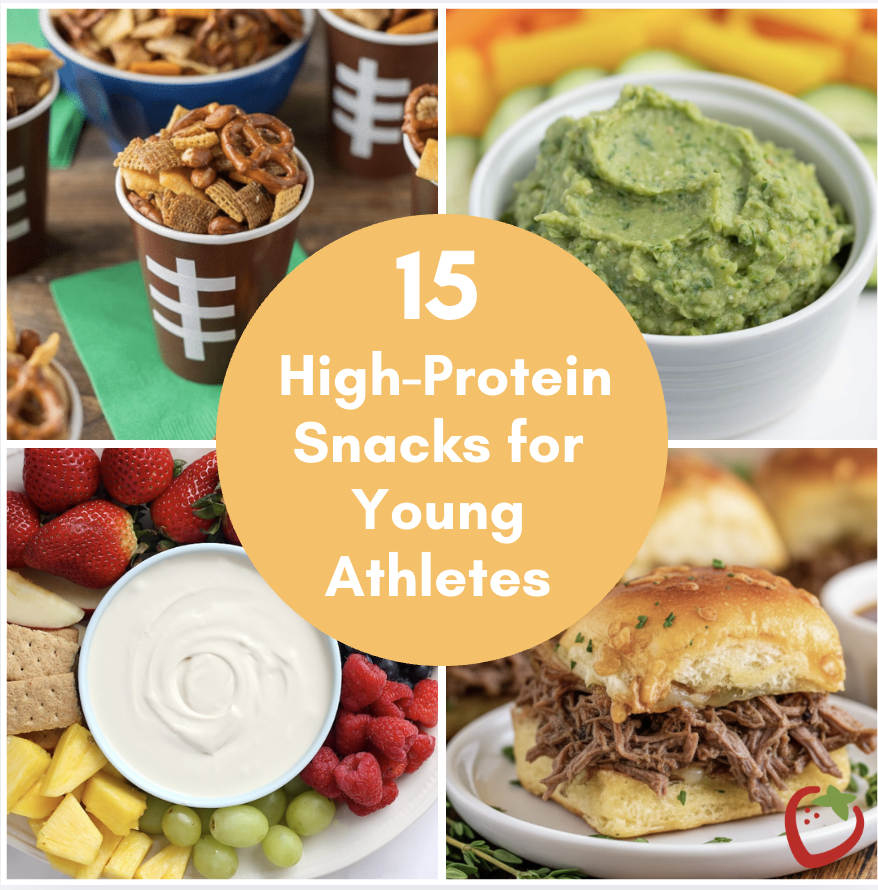
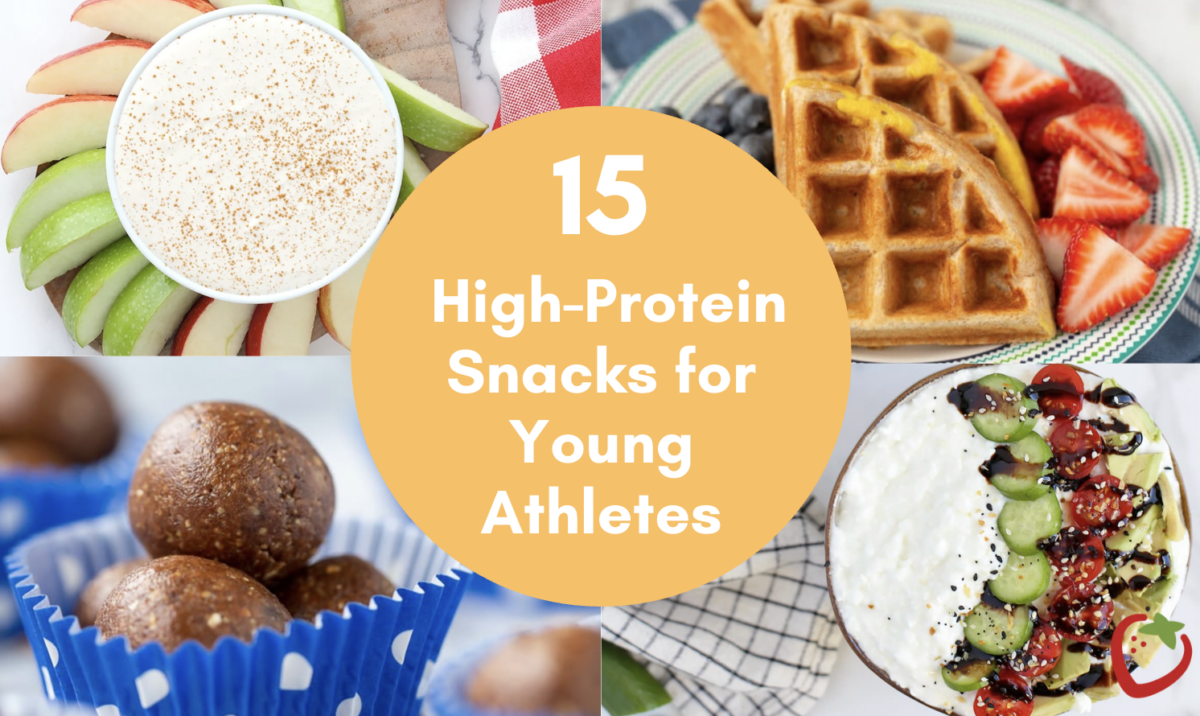
To help parents navigate the daily challenge of feeding active children, pediatric nutrition platforms such as Super Healthy Kids have compiled a comprehensive catalog of whole-food, high-protein snack options. These recipes bypass expensive supplements in favor of accessible, nutrient-dense ingredients like Greek yogurt, cottage cheese, legumes, seeds, and whole grains, offering targeted fueling strategies for both pre- and post-practice recovery.
The Physiological Science Behind Youth Sports Nutrition
Understanding what constitutes an effective sports snack requires examining how children’s bodies process energy during physical activity. Unlike adult athletes, whose nutritional strategies often focus on maximizing performance or achieving specific body composition goals, young athletes are concurrently fueling athletic output and biological growth. Consequently, restricting caloric intake or relying solely on isolated protein supplements can impede normal development.
Sports nutrition guidelines emphasize a holistic macronutrient distribution. Protein—sourced from dairy, legumes, eggs, nuts, and seeds—provides the essential amino acids required to repair micro-tears in muscle tissue caused by running, jumping, swimming, and contact sports. Simultaneously, carbohydrates found in fruits, whole grains, and starchy vegetables replenish glycogen stores in the liver and muscles, which serve as the primary fuel source during high-intensity exercise. Healthy fats, including those from avocados, nut butters, and seeds, provide a dense, sustained energy reserve while enhancing nutrient absorption and satiety. Furthermore, adequate fluid intake remains non-negotiable, as dehydration directly impairs thermoregulation, cardiovascular function, and athletic performance.
Portion sizing, however, remains highly individualized. Nutritional experts stress that ideal snack portions depend heavily on the child’s age, metabolic rate, total daily energy expenditure, and the temporal proximity of the upcoming physical activity relative to their last full meal.
Curated Whole-Food Snack Options for Active Youth
Transitioning away from commercial processed snacks does not require extensive culinary preparation. A review of practical, high-protein recipes highlights how everyday ingredients can be transformed into appealing, portable options for busy families.
Liquid and Semi-Solid Refreshments
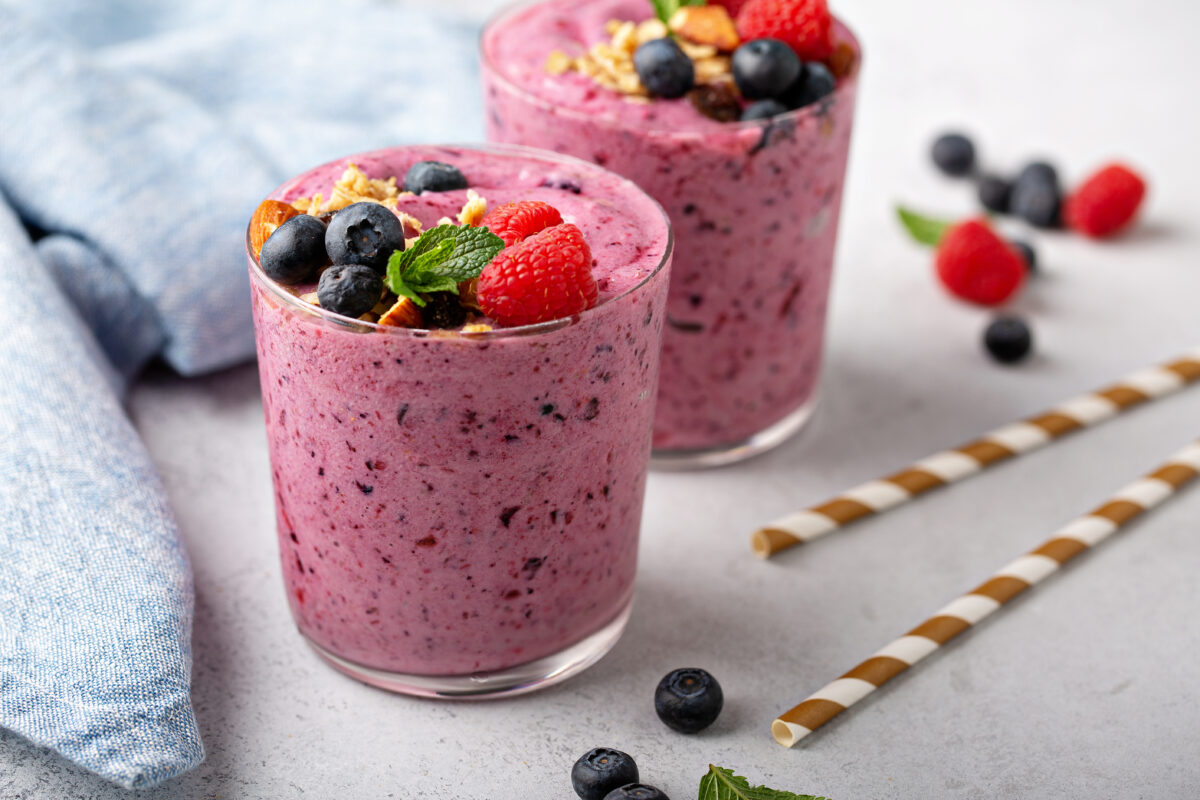
Mixed Berry Protein Smoothies serve as an ideal vehicle for both carbohydrates and protein. By blending frozen berries, bananas, Greek yogurt, and milk, young athletes receive a cold, easily digestible option that requires minimal chewing—a significant benefit for children who experience reduced appetite immediately following intense exertion. The addition of chia seeds or ground flaxseed introduces beneficial omega-3 fatty acids.
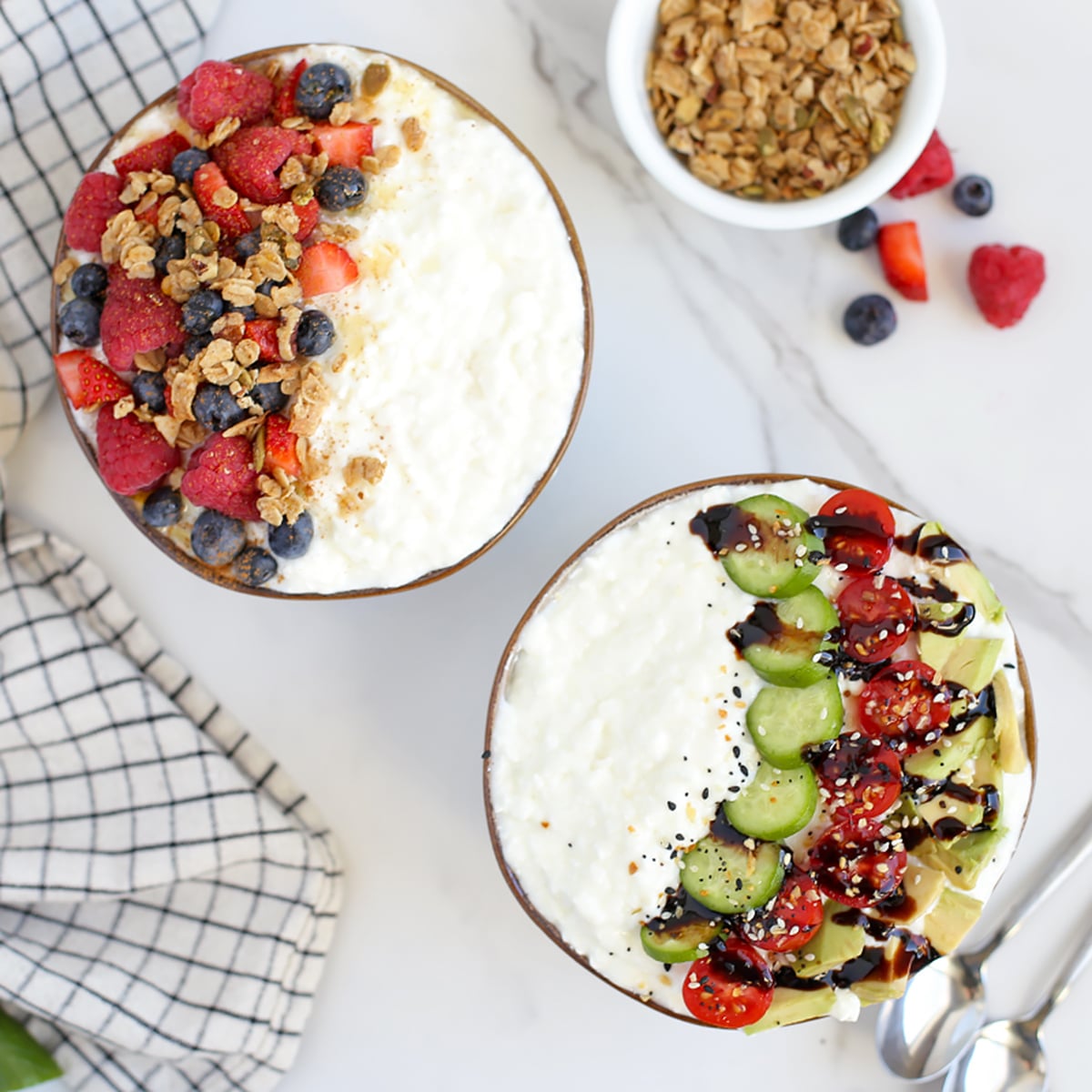
For a spoonable alternative, High-Protein Cottage Cheese Bowls offer approximately 17 grams of protein per serving. This versatile base accommodates both sweet toppings—such as fresh fruit, honey, and cinnamon—and savory additions like diced tomatoes, cucumbers, and a drizzle of balsamic glaze. Similarly, Kid-Friendly Blueberry Protein Popsicles leverage the nutritional profile of Greek yogurt and antioxidant-rich fruit, providing a cooling post-practice treat during warmer weather months.
Portable Energy Bites and Bars
For children moving directly from the classroom to the athletic field, portable snacks are essential. Peanut Butter Fudge Protein Energy Balls combine dates, oats, peanut butter, and cocoa to deliver approximately 8 grams of plant-based protein per two-ball serving, alongside complex carbohydrates and healthy fats. For households managing nut allergies, appropriate seed butters serve as seamless substitutes.
Older children and adolescents drawn to commercial nutrition bars can benefit from Homemade Chocolate RX-Style Bars. By blending almonds, cashews, dates, cocoa powder, and egg-white powder, families can replicate the chewy texture of store-bought alternatives while controlling ingredient quality and delivering roughly 10 grams of protein per bar.

Savory and Crunchy Alternatives
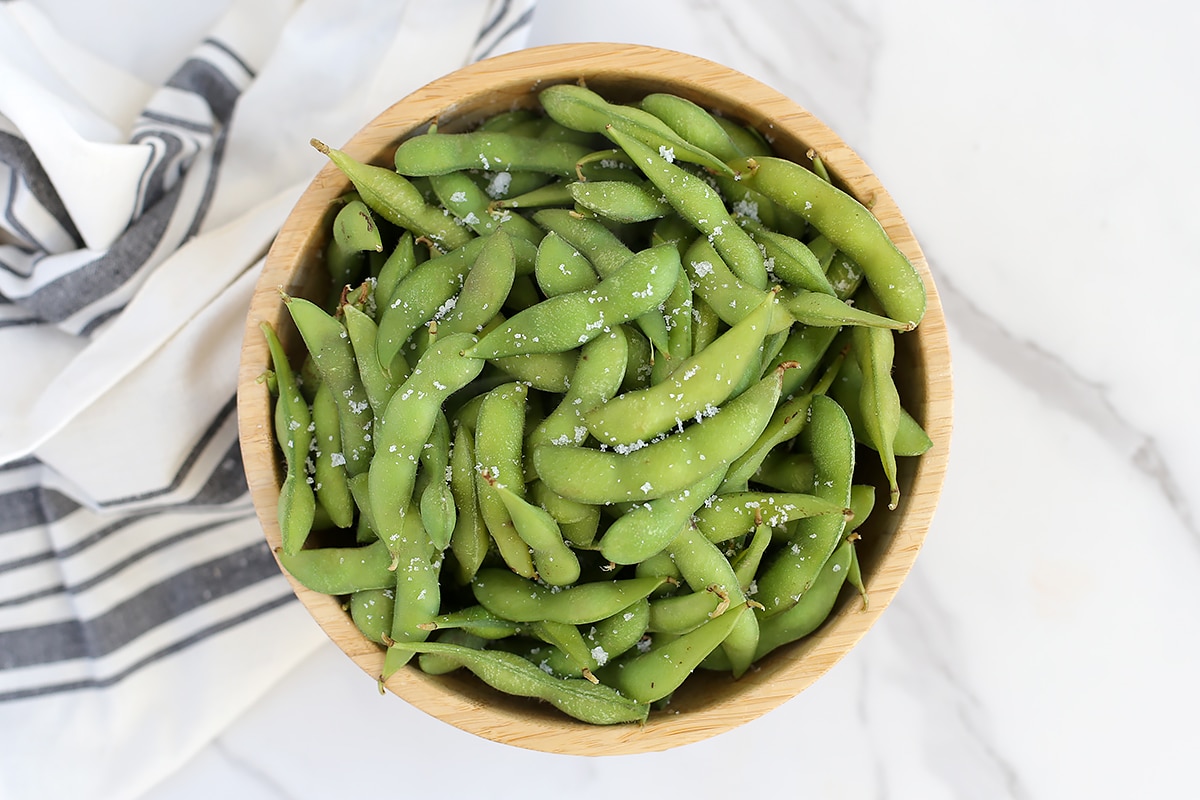
Breaking away from traditional sweet snacks, savory options provide essential variety. Easy High-Protein Edamame requires minimal preparation beyond steaming frozen pods and adding a light sprinkle of salt, delivering significant plant-based protein and dietary fiber.
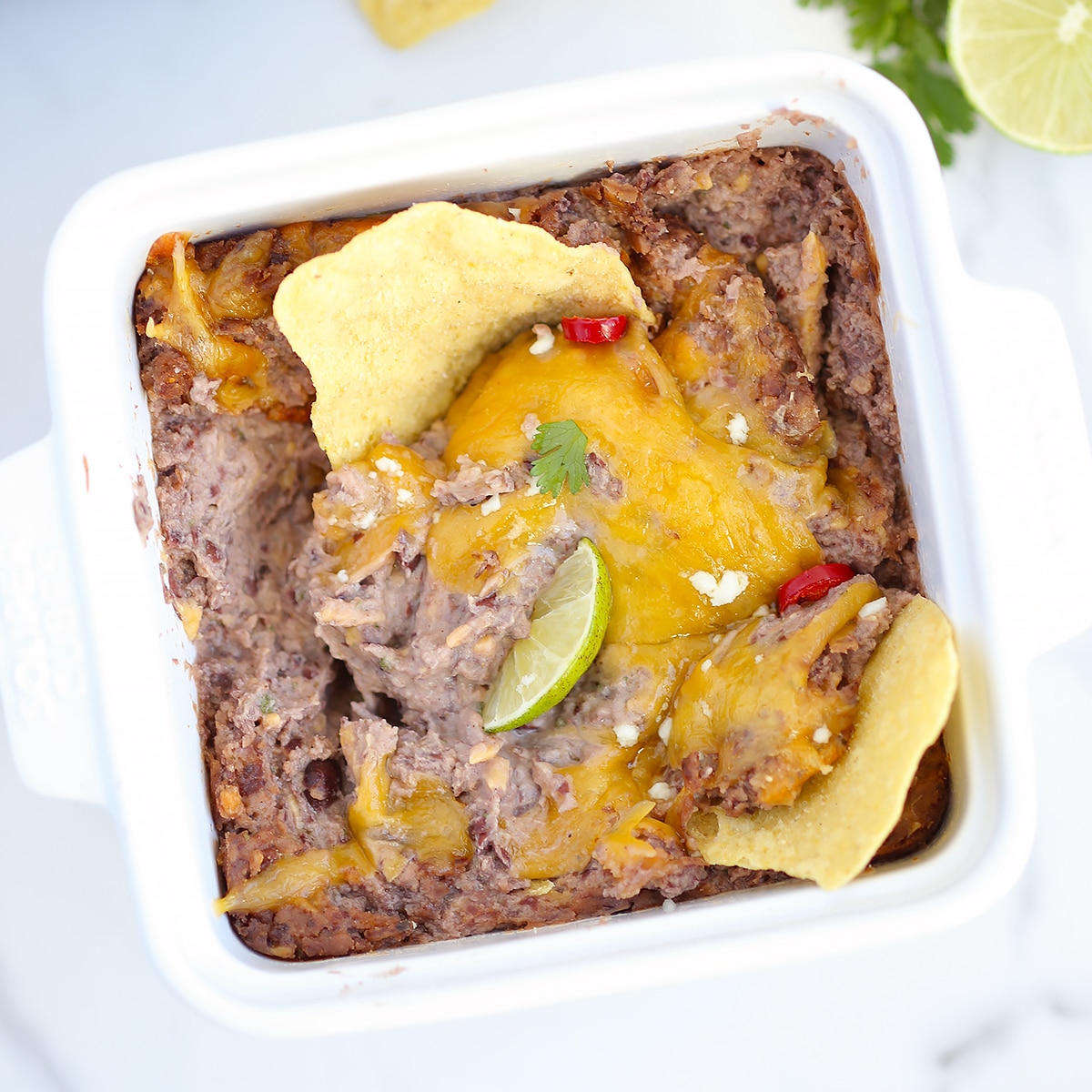
Similarly, Roasted Chickpeas, seasoned in flavors such as Cinnamon Sugar, Cool Ranch, Sweet Curry, or Barbecue, offer roughly 9 grams of protein per serving alongside substantial fiber. High-Protein Black Bean Dip, blending black beans with Greek yogurt and mild spices, yields about 14 grams of protein when paired with whole-grain tortilla chips or raw vegetable sticks. For a lighter crunch, Roasted Peas tossed in olive oil and garlic salt provide approximately 5 grams of protein per serving.
Dips, Waffles, and Baked Goods
Incorporating protein into traditional comfort foods represents another effective strategy. Kid-Friendly Protein Waffles integrate Greek yogurt, milk, and whole eggs directly into whole-wheat batter, resulting in roughly 15 grams of protein per waffle that can be frozen and toasted as needed.
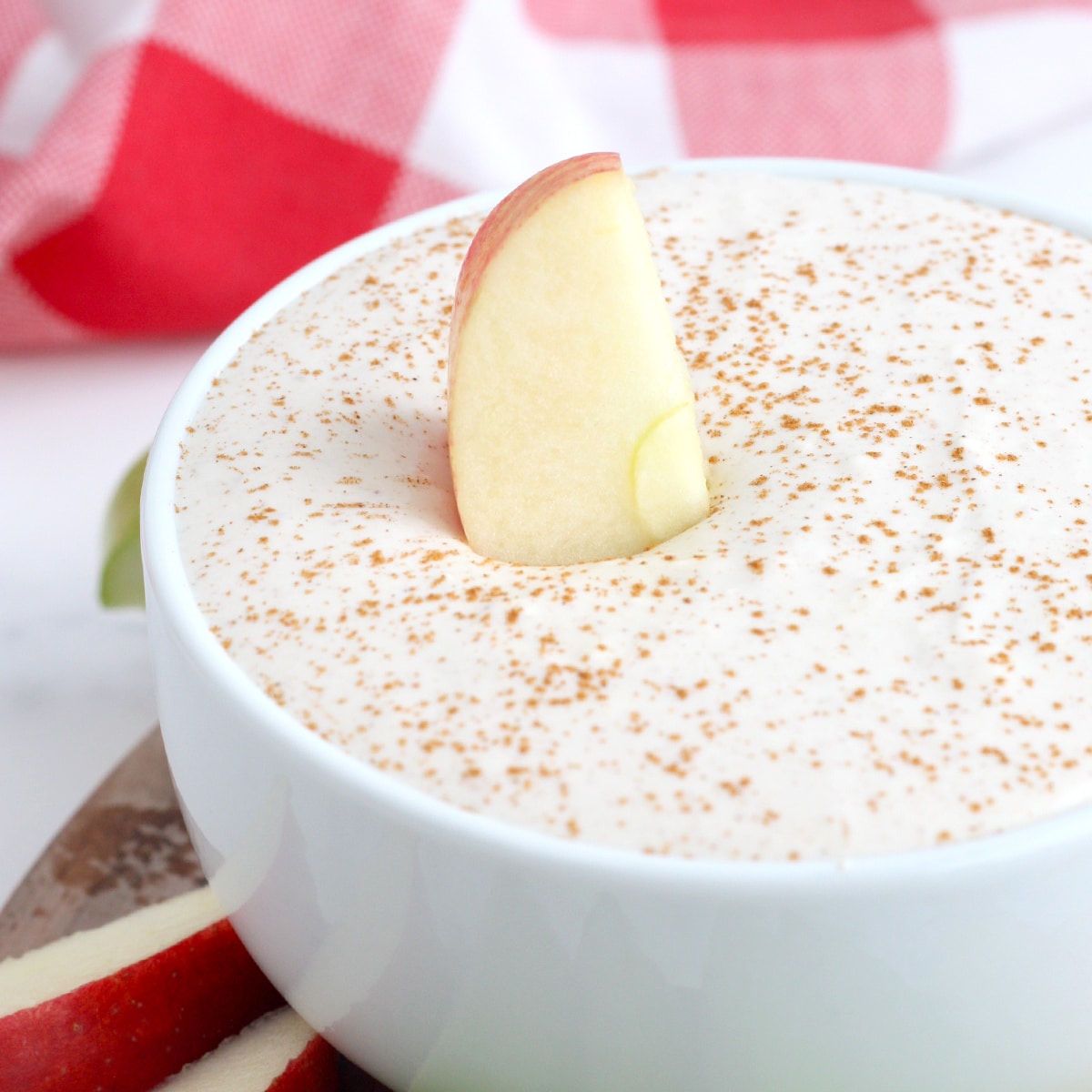
For fruit-based options, a Healthy Yogurt Fruit Dip composed of Greek yogurt, maple syrup, vanilla, and cinnamon encourages higher fruit consumption by pairing carbohydrates with a protein-rich base. A savory counterpart, Greek Yogurt Dip seasoned with onion, parsley, dill, and garlic, pairs effectively with sliced bell peppers or whole-grain pita wedges, delivering approximately 7 grams of protein per serving.
Finally, grain-forward options like the Raspberry Quinoa Smoothie utilize cooked quinoa, milk, Greek yogurt, and raspberries to generate an exceptionally hearty snack yielding up to 22 grams of protein per serving—making it particularly suitable for teenage athletes with elevated caloric requirements.
Strategic Timing: Pre- and Post-Practice Fueling Protocols
The timing of nutrient consumption plays a pivotal role in optimizing both comfort and athletic performance. Sports dietitians categorize nutritional strategies into two distinct windows:

Pre-Activity Nutrition: When consumption occurs hours before competition, snacks should feature a combination of carbohydrates and moderate protein to sustain energy without causing gastrointestinal distress. However, if a child eats immediately prior to vigorous activity, portions must be reduced significantly, prioritizing easily digestible carbohydrates while avoiding high-fat or high-fiber items that slow gastric emptying.
Post-Activity Nutrition: The immediate post-exercise window focuses on recovery. Replenishing depleted glycogen stores through carbohydrates while supplying amino acids via protein accelerates muscle repair and prepares the body for subsequent training sessions. Post-practice combinations such as fruit with yogurt, whole-grain toast with nut butter, or a bean-based dip with crackers effectively satisfy this metabolic requirement, accompanied by consistent hydration.
Evaluating the Role of Protein Powders in Youth Athletics
A common point of inquiry among parents of competitive youth athletes concerns the necessity of commercial protein powders and specialized supplements. Pediatric health organizations and sports dietitians generally advise against routine supplementation for children and adolescents.
Clinical consensus dictates that healthy youth can easily attain their required daily protein intake through whole-food sources, including dairy, eggs, poultry, lean meats, fish, legumes, and soy products. Rather than concentrating disproportionate focus on single macronutrients, nutritional guidelines emphasize overall caloric adequacy and dietary diversity. Families considering the introduction of protein powders or specialized athletic supplements for young children are strongly encouraged to consult a pediatrician or a registered sports dietitian to evaluate individual safety, necessity, and appropriateness.
Broader Implications for Youth Health and Family Routines

The integration of wholesome, high-protein snacks into a child’s athletic regimen extends far beyond immediate sports performance. Establishing balanced eating habits during childhood lays the foundation for lifelong metabolic health, reducing the risk of chronic conditions associated with poor dietary patterns later in life.
Furthermore, involving children in the preparation of items such as energy bites or customized smoothie bowls fosters nutritional literacy and culinary confidence. By shifting away from heavily processed convenience foods and embracing accessible whole-food solutions, families can adequately fuel active lifestyles while promoting sustainable, healthy relationships with food across all levels of youth athletics.
Related posts: