The Comprehensive Guide to 16 Sustainable Vegan and Plant-Based Leather Alternatives and the Rising Global Market for Bio-Materials.

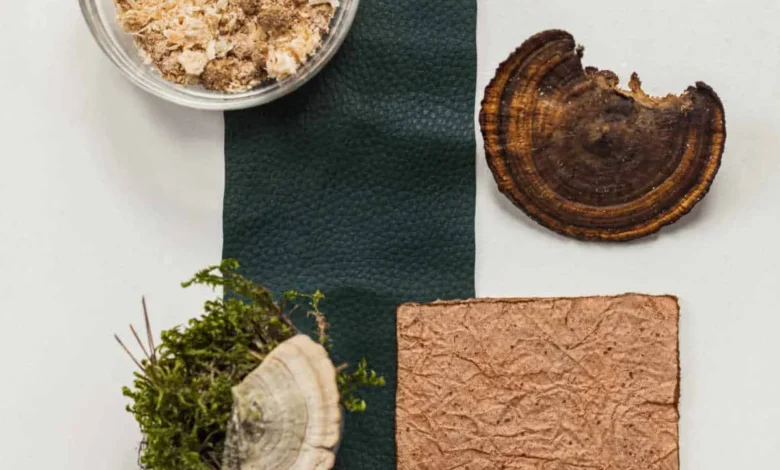
The global fashion and textile industries are currently undergoing a significant paradigm shift as consumer demand for ethical and environmentally friendly materials reaches an all-time high. For decades, the leather industry has been a cornerstone of luxury and utility, yet it has increasingly come under fire for its substantial environmental footprint and ethical implications. In response, a new generation of "vegan leather" has emerged. However, as the market matures, experts warn that the term "vegan" is often used as a tool for greenwashing, masking the use of high-impact synthetic plastics. To navigate this complex landscape, it is essential to distinguish between fossil-fuel-based synthetics and the innovative bio-materials that are defining the future of sustainable design.
The Environmental Context: The Case Against Conventional Leather
The traditional leather industry is a multi-billion dollar sector, but its environmental costs are increasingly difficult to justify in a climate-conscious economy. Beyond the primary concerns of animal welfare and cruelty, the industry is a major driver of large-scale deforestation, particularly in the Amazon rainforest, where land is cleared for cattle ranching. Furthermore, livestock production is a leading source of methane emissions, a greenhouse gas significantly more potent than carbon dioxide.
From a chemical perspective, the tanning process is perhaps the most damaging stage of production. Approximately 90% of the world’s leather is chrome-tanned, a process that involves toxic heavy metals. If not managed with rigorous safety standards—which is often the case in developing nations where much of the world’s tanning occurs—these chemicals can leach into water systems, causing irreversible damage to ecosystems and posing severe health risks to workers, including respiratory issues and skin diseases.
The Greenwashing Paradox: The Rise of Synthetic "Pleather"
As brands seek to distance themselves from the controversies of animal leather, many have turned to "vegan leather" as a marketing solution. However, environmental watchdogs and organizations like Greenpeace have highlighted that many of these products are simply rebranded "pleather"—synthetic materials made from fossil-fuel-based plastics.
The two most common materials used in vegan leather are Polyvinyl Chloride (PVC) and Polyurethane (PU). PVC is widely regarded as the most environmentally damaging of all plastics. Throughout its lifecycle—from production to disposal—it releases dioxins and other toxic chemicals. It is a known human carcinogen and has been linked to immune system disruption and hormonal imbalances.
PU is often marketed as a "greener" alternative to PVC because it requires fewer chemicals to produce and does not release the same level of toxins during use. However, most PU is still derived from fossil fuels and is not biodegradable. While some manufacturers have begun incorporating plant-based raw materials into their PU resins, the majority of the market remains reliant on non-renewable resources.
A Chronology of Innovation in Bio-Materials
The history of leather alternatives has evolved through three distinct phases:
- The Era of Utility (1920s–1960s): Early synthetics like Naugahyde provided a durable, cheap alternative for upholstery but were entirely petroleum-based.
- The Rise of PU (1970s–2000s): Polyurethane became the standard for fashion, offering a softer hand-feel and better aesthetics than PVC, though still environmentally problematic.
- The Bio-Fabrication Revolution (2010s–Present): A new wave of startups began utilizing agricultural waste and biotechnology to create materials that mimic leather using plant fibers, fungi, and fermented bacteria.
An Analysis of 16 Sustainable Plant-Based Alternatives
As the industry moves toward circularity, several innovative materials have emerged. These are categorized by their source material and their reliance on plastic binders.
1. Agave Leather (Desserto Agave)
Produced by the Mexican company Adriano Di Marti, this material utilizes waste from the tequila industry. By repurposing the leaves and bagasse (sugar cane pulp), the process reduces agricultural waste while creating a durable textile. However, like many bio-leathers, it currently requires a synthetic binder, meaning it is not yet 100% plastic-free.

2. AppleSkin (Vegatex)
AppleSkin is a prominent example of the "upcycling" trend. Developed in Italy, it uses the skins and cores discarded by the food and beverage industry. The waste is dried and ground into a fine powder, which is then mixed with PU and coated onto a canvas. While it significantly reduces the use of virgin petroleum, it typically exists as a 50:50 blend of plant matter and plastic.
3. Banana Leather (Banofi)
Sourced primarily from smallholder farmers in India, Banofi utilizes banana crop waste, such as stems and leaves. This provides farmers with an additional income stream for materials that would otherwise be burned, contributing to air pollution. The fibers are extracted and combined with natural and synthetic additives to create a leather-like finish.
4. Cactus Leather (Desserto)
Made from the leaves of the prickly pear cactus, this material has gained significant traction in the luxury market. The cactus is a carbon sink and requires minimal water, making it a highly sustainable feedstock. The mature leaves are harvested without killing the plant, dried in the sun, and processed into a material used by brands like H&M and Karl Lagerfeld.
5. Coconut Leather (Malai)
Malai represents a breakthrough in plastic-free innovation. It is grown using fermented coconut water, a byproduct of the coconut industry. A bacterial culture feeds on the water to create a sheet of cellulose, which is then reinforced with natural fibers. The result is a flexible, water-resistant material that is entirely compostable.
6. Coffee Leather
Innovators like Culthread are utilizing recycled coffee grounds to create textiles. Given the global volume of coffee consumption, this addresses a massive waste stream. The material is typically composed of 30% recycled grounds and 70% recycled plastics, providing a second life for both organic waste and PET bottles.
7. Cork Leather
Cork is one of the most naturally sustainable materials available. Harvested from the bark of cork oak trees without harming the tree itself, it is naturally water-resistant and durable. While the cork itself is plastic-free, consumers must be wary of the backing material; many manufacturers use polyester or PU backings to prevent cracking, though high-end sustainable brands opt for organic cotton linings.
8. Corn Leather
Corn leather is derived from the fermentation of corn-based dextrose, which is converted into a bioplastic (PLA). While this is a move away from petroleum, it remains a plastic-based product, albeit one derived from a renewable source.
9. Grape Leather (Vegea)
Vegea utilizes "wine leather" made from the skins, stalks, and seeds left over from winemaking. This Italian-made material has been adopted by major automotive and fashion brands. It uses a high percentage of bio-based content, though it still relies on synthetic resins for durability.
10. LemonSkin
Similar to AppleSkin, this material uses citrus byproducts. The powdered lemon waste is mixed with PU and coated onto a recycled polyester or lyocell backing, creating a textured material suitable for footwear.
11. Kombucha Leather
Still largely in the experimental and artisanal phase, kombucha leather is grown from a SCOBY (Symbiotic Culture of Bacteria and Yeast). The resulting microbial cellulose can be molded and dried. While it is 100% biodegradable, its sensitivity to moisture remains a challenge for mass-market commercialization.
12. Mango Leather (Fruitleather Rotterdam)
A Dutch startup, Fruitleather Rotterdam, converts unsold or bruised mangoes from wholesalers into a leather-like material. The fruit is pulped, dehydrated, and bound to organic cotton. A PU coating is currently required to ensure the material meets the durability standards for upholstery and shoes.
13. Mushroom Leather (MuSkin / Mylo)
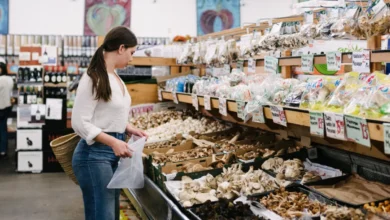
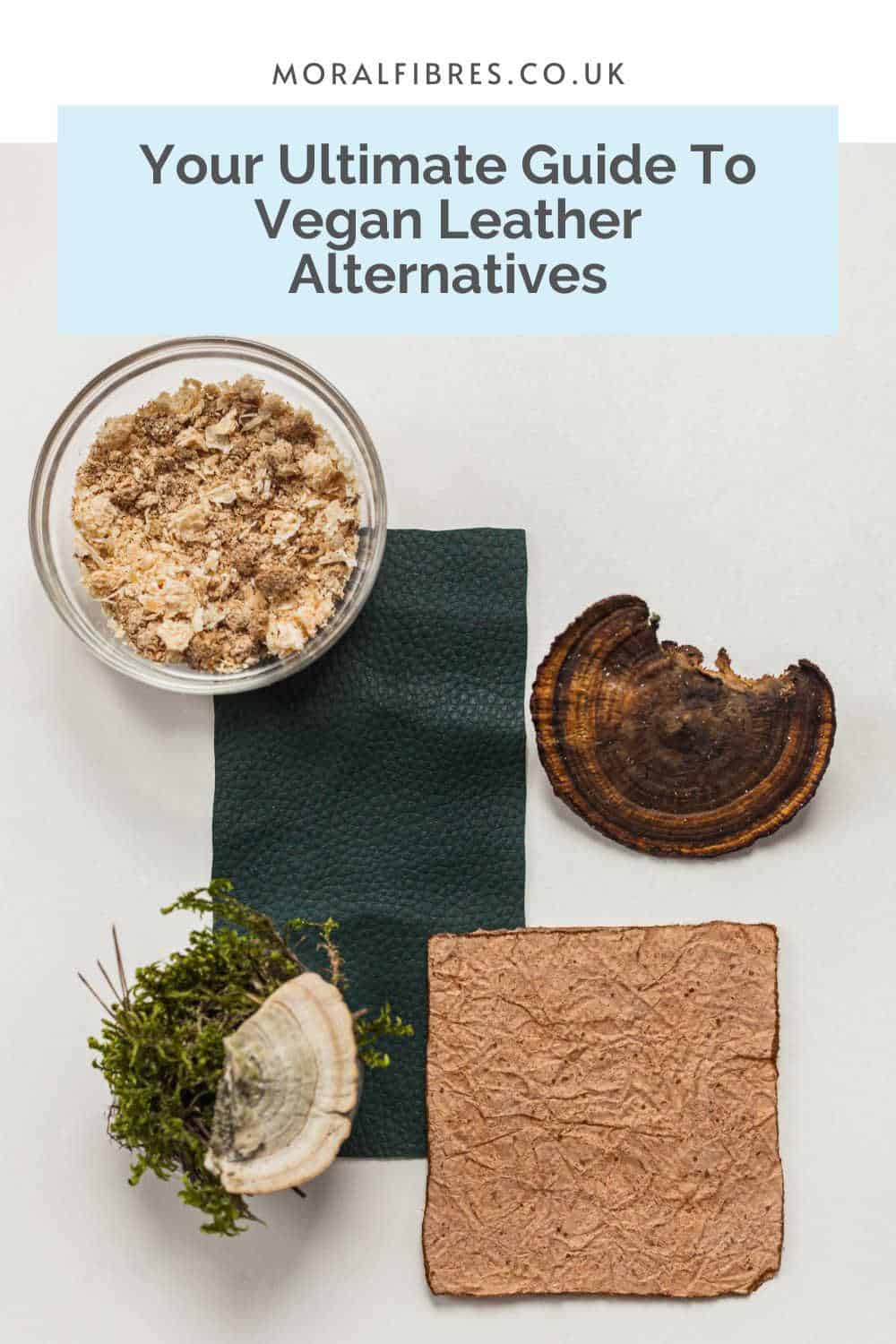
Mycelium-based leathers are widely considered the "Holy Grail" of the industry. MuSkin, produced by Grado Zero Espace, is made from the Phellinus ellipsoideus fungus. It is entirely plastic-free, biodegradable, and possesses natural antibiotic properties. Other competitors, like Bolt Threads (Mylo), have partnered with Adidas and Stella McCartney to scale this technology.
14. Pineapple Leather (Piñatex)
Developed by Dr. Carmen Hijosa, Piñatex is made from the long fibers found in pineapple leaves. This byproduct of existing harvests requires no additional land or water to produce. While the base material is plant-derived, it is finished with a petroleum-based resin for strength, making it highly sustainable but not yet plastic-free.
15. Teak Leaf Leather
Commonly found in Southeast Asia, this material uses fallen teak leaves that are bonded with a thin layer of PU. The process preserves the natural vein patterns of the leaves, creating a unique aesthetic for accessories.
16. Tomato Leather (Bioleather)
An Indian innovation, tomato leather extracts cellulose from tomato plant waste. By using a dual-layer construction, the manufacturer, Bioleather, claims to have eliminated the need for PU entirely, winning accolades for its plastic-free approach to textile engineering.
Market Implications and Future Outlook
The global vegan leather market is projected to reach an estimated valuation of over $66 billion by 2030, driven by a compound annual growth rate (CAGR) of nearly 10%. This growth is not merely a trend but a response to tightening regulations. The European Union’s Green Claims Directive, for instance, is set to crack down on vague environmental assertions, forcing brands to be more transparent about the plastic content in their "vegan" products.
The primary challenge remains the "plastic-free" hurdle. While bio-based materials reduce the carbon footprint, the reliance on PU coatings for durability means that many vegan leathers still contribute to microplastic pollution. However, the success of companies like Malai and MuSkin suggests that a 100% bio-circular economy is within reach.
In conclusion, the transition from traditional leather to plant-based alternatives represents a significant step toward a more ethical fashion industry. However, for consumers and industry stakeholders, the focus must shift from simply "vegan" to "bio-based and plastic-free." As technology advances, the ability to turn agricultural waste into high-performance textiles will likely become the standard, rather than the exception, in global manufacturing.
Related posts: