Acclaimed Author and Cartoonist Kate Beaton Explores Sibling Loss, Maternal Resilience, and Ancestral Legacy in New Children’s Book Rebecca

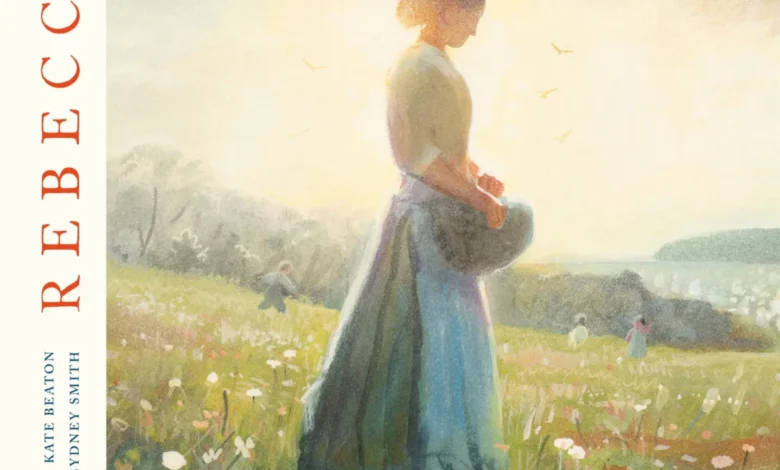
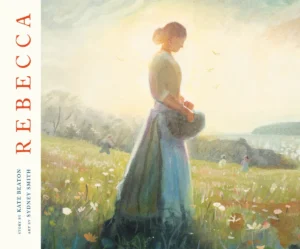
Renowned Canadian cartoonist and author Kate Beaton has released her latest literary work, a children’s picture book titled Rebecca, published by Roaring Brook Press. The deeply personal project draws heavily on Beaton’s own lived experiences with profound familial loss, the transformative journey of motherhood, and the historical legacy of an 18th-century ancestor. The release marks another milestone in an already decorated literary career, bridging the gap between adult emotional processing and accessible narrative art for younger audiences.
Main Facts of the Release
Rebecca centers on themes historically considered unconventional for the children’s literary market, specifically grief, adult protagonists, and mortality. Connie Hsu, publishing director at Roaring Brook Press, acknowledged these departures from traditional publishing norms, noting that the manuscript challenged established boundaries.
Despite conventional rules governing children’s literature—which typically favor youthful protagonists and steer clear of fatal tragedies—Roaring Brook Press greenlit the project due to its profound emotional resonance. The title character is named after Beaton’s late sister, Becky, who passed away following a three-year battle with cervical cancer on May 14, 2018. The book operates not merely as a narrative story, but as an extension of Beaton’s personal processing of trauma, familial duty, and the continuum of female resilience across generations.
Chronology of Events and Personal History
The chronology underpinning the creation of Rebecca spans centuries, intertwining modern tragedy with historical archives from Cape Breton, Nova Scotia.
The timeline of events highlights the intersection of personal grief and ancestral discovery:
- March 1789: Rebecca Lombard Smith, Beaton’s great-great-great-great-grandmother, faces the sudden loss of her husband, whaling captain David Smith, when he falls through the ice near Port Hood Island while she is pregnant with their last child.
- May 14, 2018: Kate Beaton’s older sister, Rebecca ("Becky"), passes away at age 30 after a rigorous three-year battle against aggressive cervical cancer.
- May 13, 2019: Exactly one day before the one-year anniversary of her sister’s passing, Beaton goes into early labor on Mother’s Day and gives birth to her daughter.
- Post-2019: During late-night soothing sessions with her newborn children in Port Hood, Nova Scotia—overlooking the same waters and island associated with her ancestor—Beaton composes the text for Rebecca line by line in her mind.
- September 2026: Roaring Brook Press officially publishes Rebecca, expanding Beaton’s literary footprint into picture books dealing with complex emotional landscapes.
Supporting Data and Literary Context
Kate Beaton’s transition into children’s literature builds upon a robust foundation of critical acclaim and commercial success in graphic novels. Born and raised in Cape Breton, Nova Scotia, Beaton first rose to prominence through her webcomic, Hark! A Vagrant, which secured a massive online following and translated into New York Times graphic novel bestsellers, including the collection of the same name and Step Aside, Pops.
Her profile expanded significantly with the 2022 publication of Ducks: Two Years in the Oil Sands, a graphic memoir detailing her experiences working in the industrial work camps of northern Alberta. Ducks received widespread international acclaim, notably landing on former U.S. President Barack Obama’s annual list of favorite books, movies, and music for 2022, and earning recognition as a New York Times Notable Book.

Rebecca represents a tonal shift from her previous journalistic and autobiographical graphic novels, shifting the medium toward younger readers while maintaining the emotional depth characteristic of her oeuvre.
Background Context: The Historical Inspiration
While the emotional catalyst for the book is rooted in the 2018 death of her sister Becky, the narrative framework looks back to 1789. Historical accounts of Port Hood Island frequently focus on the tragic demise of Captain David Smith. However, Beaton’s research and personal reflection pivot toward the endurance of the matriarch, Rebecca Lombard Smith.
Left alone on a remote island off the coast of Cape Breton during the harsh North Atlantic winter, Rebecca successfully raised all six of her sons and one daughter. Her survival and steadfastness became a historical anchor for Beaton while mourning her sister in the same geographic region. Beaton frequently walked to the Old Protestant Graveyard in Port Hood, where Rebecca Smith’s headstone—uniquely inscribed with the names of her grieving sons, Lewis, Parker, and David—remains a tangible link to maternal devotion across generations.
Publisher and Industry Statements
The unconventional nature of Rebecca has generated significant discussion within the publishing industry regarding the boundaries of children’s literature.
"My initial reaction to Rebecca was awe," stated Connie Hsu, publishing director of Roaring Brook Press. "My brain began to think about all the usual ‘rules’ about picture book publishing. Here, the main protagonist is an adult, the book is about loss, and two people die in the book! But I just had to publish it."
Industry analysts note that the willingness of major publishing houses to embrace books addressing grief and mortality for younger readers reflects a broader shift in contemporary children’s literature toward emotional literacy. Rather than shielding children from complex realities, modern therapeutic frameworks increasingly support early discussions around loss, resilience, and the continuity of family history.
Broader Impact and Implications
The release of Rebecca contributes to a growing body of contemporary literature that seeks to normalize grief as a permanent, manageable facet of human existence rather than a temporary state with a defined endpoint. Beaton’s public documentation of her grief journey—spanning the loss of her sister, the simultaneous arrival of motherhood, and her connection to her 18th-century namesake—offers a framework for processing generational trauma.
By channeling personal sorrow into a widely accessible format, Beaton bridges the gap between adult bereavement and childhood comprehension. The book’s reception is expected to influence how authors approach sensitive topics in picture books, demonstrating that complex emotional narratives can resonate across age demographics when grounded in authentic historical and personal truth. As Rebecca reaches library shelves and family homes, it cements Kate Beaton’s reputation not only as a master of graphic narrative, but as a vital voice exploring the endurance of love and memory across generations.
Related posts: