The Ultimate College Apartment Kitchen Stocking Guide: A Dietitian-Mom’s Essential Checklist for First-Time Renters

The transition from university residence halls to off-campus housing marks a significant milestone in a student’s young adult life, liberating them from shared dorm bunk beds, mandatory meal plans, strict resident advisor oversight, and communal shower shoes. However, amidst the excitement of signing a first lease and unpacking boxes, a stark reality typically sets in between move-in day and the inaugural grocery run: the sudden, inescapable responsibility of independent meal management. For university students, this realization often induces a mixture of anticipation and culinary intimidation. Concurrently, parents frequently grapple with anxieties that their offspring will subsist entirely on caffeinated energy drinks and instant ramen in the absence of the dining hall safety net.
Yet, establishing a sustainable, nutritious routine in a college rental does not require a tricked-out chef’s kitchen, an expensive array of specialized appliances, or a culinary degree. Rather, successful independent nutrition relies on strategic ingredient staples, a carefully curated selection of fundamental cooking gear, and basic logistical planning. According to consumer lifestyle data and nutritional experts, the shift to off-campus living represents a critical developmental window for young adults to acquire lifelong dietary habits, budget management skills, and basic domestic competency.
Essential Kitchen Equipment: Quality Over Quantity
When outfitting a first apartment kitchen, the primary pitfall for students and parents alike is over-purchasing. Retail marketing often targets incoming renters with extensive lists of single-use gadgets, specialty pans, and aesthetic dinnerware that ultimately clutter limited cabinet space and drain tight financial resources. Professional organizers and experienced home cooks consistently emphasize that a functional college kitchen requires significantly less gear than initially assumed.
The equipment inventory should be divided into strict categories of necessity. Must-have items include a heavy-bottomed skillet, a medium saucepan, a sharp chef’s knife, a durable cutting board, a basic set of measuring cups and spoons, a mixing bowl, a spatula, and a reliable can opener. Items that might qualify as must-haves depending on dietary habits include a baking sheet for roasting vegetables and proteins, a colander for draining pasta, and a microwave-safe glass storage container set for meal prepping and leftovers. Nice-to-have conveniences, which can be acquired gradually as a student identifies their specific cooking preferences, include a blender for smoothies, a toaster, or a slow cooker for set-it-and-forget-it meals. Conversely, budget-conscious students are strongly advised to skip single-use appliances such as unitax egg cookers, specialized panini presses, heavy cast-iron dutch ovens that exceed storage capacities, and excessive sets of formal glassware.
Furthermore, students must remain vigilant regarding food safety guidelines issued by public health authorities. Regulatory bodies frequently update advisories concerning produce safety—such as temporary warnings against specific pre-washed salad greens linked to bacterial or parasitic outbreaks—underscoring the importance of basic food handling education for novice cooks.
Budgeting Strategies for Independent Grocery Shopping
Transitioning to grocery shopping without parental oversight or a pre-paid campus meal plan necessitates a fundamental adjustment in financial prioritization. Industry analyses indicate that food costs represent one of the most flexible, yet easily mismanaged, categories in a student’s monthly budget. Without a structured approach, impulse purchases and frequent dining out can quickly exhaust financial reserves.
To maintain fiscal responsibility, student renters are encouraged to adopt a weekly meal-planning framework before stepping foot inside a supermarket. Shopping at discount grocery chains, utilizing store loyalty applications, purchasing generic or private-label brands instead of name-brand equivalents, and leaning heavily on shelf-stable budget anchors like dried beans, rice, and frozen vegetables can reduce weekly food expenditures significantly. Financial advisors recommend allocating a fixed, realistic weekly grocery allowance and tracking expenditures to prevent end-of-month financial strain.
Building the Foundation: Comprehensive Pantry Staples
The backbone of any functional college kitchen is a well-stocked pantry. Shelf-stable ingredients provide the flexibility to whip together wholesome meals on short notice, minimizing food waste and buffering against nights when academic schedules preclude a trip to the store.
Grains and Complex Carbohydrates
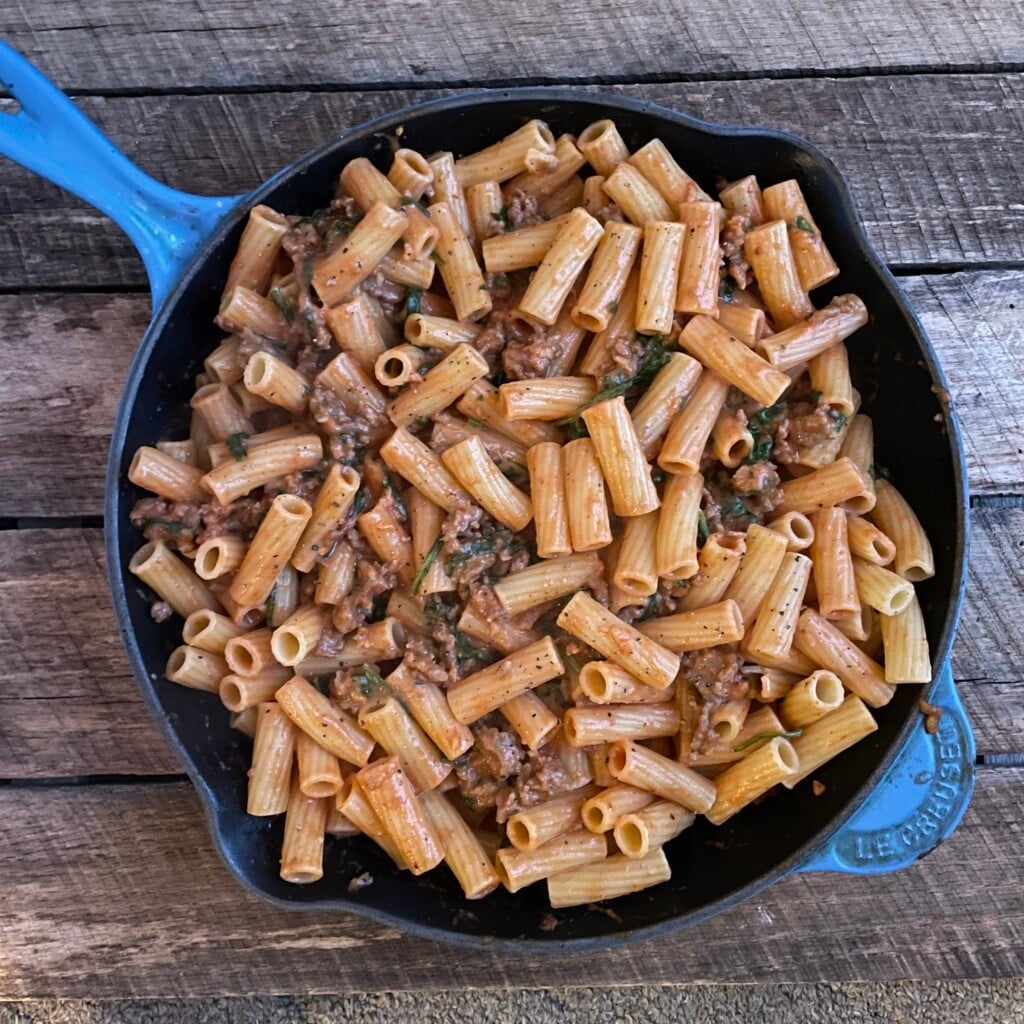
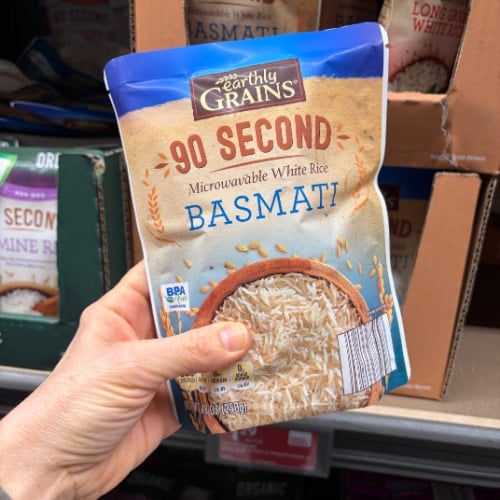
Grains serve as the primary energetic base for affordable, satisfying meals. Essential pantry dry goods include regular or quick-cooking oats for breakfast bowls and baking; versatile grains such as long-grain white or brown rice, quinoa, and couscous; and a selection of pasta shapes including penne, spaghetti, or macaroni. Additionally, keeping a supply of whole-wheat or standard sandwich bread—which can be stored in the freezer to extend shelf life—ensures a constant supply of carbohydrates for quick meals.
Shelf-Stable Proteins
While fresh meats and dairy require careful temperature management, shelf-stable proteins offer convenience and longevity. Key items for the cupboard include canned black beans, chickpeas, and kidney beans; canned tuna, salmon, or chicken; and red or green lentils, which cook rapidly without requiring pre-soaking and serve as an exceptional base for soups, stews, and vegetarian taco fillings.
Long-Lasting Produce
Not all fresh produce spoils rapidly. Certain items boast extended shelf lives when stored correctly in cool, dark pantry environments. Essential long-lasting produce includes yellow and red onions, garlic bulbs, whole potatoes (such as russet or sweet potatoes), and firm squashes. These ingredients add aromatic depth and nutritional value to a wide array of baseline recipes.
Sauces, Oils, and Flavor Enhancers
A bland meal can quickly be transformed into a culinary success with the right collection of flavor enhancers. Basic cooking fats include extra virgin olive oil or canola oil for sauteing and roasting, and vinegars such as apple cider or balsamic for dressings. Flavor foundations should include low-sodium soy sauce, hot sauce, salsa, canned crushed tomatoes or marinara sauce, and honey or maple syrup for sweetening and balancing savory dishes.
Spices and Baking Essentials
Spices elevate basic ingredients into flavorful meals without adding significant cost or calories. A starter spice kit should feature kosher salt, black peppercorns (or pre-ground black pepper), garlic powder, onion powder, ground cumin, chili powder, and dried oregano or Italian seasoning. For basic baking and morning routines, stocking all-purpose flour, baking powder, and granulated sugar rounds out the comprehensive pantry inventory.
Refrigerated Essentials: Perishables for Daily Nutrition
Once the pantry is secure, the refrigerator requires strategic stocking to bridge the gap between shelf-stable items and fresh, nutrient-dense meals. Perishable staples should be chosen for their versatility across multiple meal types, from breakfast to late-night study snacks.
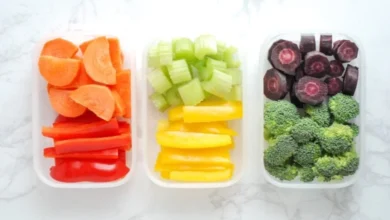
Eggs stand at the top of the refrigeration list, offering an economical, high-quality protein source that can be fried, scrambled, or boiled in minutes. Dairy or fortified plant-based milk alternatives (such as soy, oat, or almond milk) are essential for cereal, smoothies, and cooking. Other foundational fridge items include plain or Greek yogurt for breakfasts and quick sauces; a block of versatile cheese like cheddar or mozzarella; butter or a plant-based spread; and condiment staples such as mustard, mayonnaise, and ketchup. Fresh produce items that require refrigeration—such as crisp bell peppers, carrots, celery, and whole apples—complete the refrigerated checklist, providing immediate access to vitamins, minerals, and dietary fiber.

Freezer Management: The Ultimate Safety Net
The home freezer is arguably the most valuable asset in a student’s kitchen ecosystem. Utilizing the freezer correctly prevents food spoilage, preserves nutritional value, and guarantees that emergency meals are always available during high-stress examination periods.
Key freezer staples include frozen vegetables (such as broccoli florets, mixed peas and carrots, and spinach) which are flash-frozen at peak ripeness and retain their nutritional profile while eliminating the risk of spoilage. Frozen fruits, particularly berries and sliced bananas, provide an instant base for morning smoothies or oatmeal toppings. Furthermore, keeping a stash of frozen pre-cooked proteins (like grilled chicken strips or edamame), frozen whole-wheat flatbreads or tortillas, and a backup frozen meal or homemade soup portion ensures that a nutritious dinner is never more than a few minutes away from the microwave or stovetop.
Broader Impact and Implications of Independent Student Nutrition
Nutritional experts and university student affairs administrators note that the transition to independent cooking and grocery management has profound implications for academic performance, physical health, and psychological well-being. Adequate nutrition directly influences cognitive function, sustained energy levels, and immune system resilience—factors critical for students navigating rigorous academic schedules.
Furthermore, mastering basic culinary skills during the undergraduate years fosters long-term health literacy, reducing reliance on highly processed convenience foods and expensive restaurant delivery services. By approaching apartment kitchen stocking with a structured, budget-conscious checklist, students can cultivate sustainable habits that extend far beyond graduation, laying the groundwork for a lifetime of healthy, independent living.
Related posts: