Acclaimed Author and Cartoonist Kate Beaton Bridges Personal Tragedy and Historical Legacy in New Children’s Book Rebecca

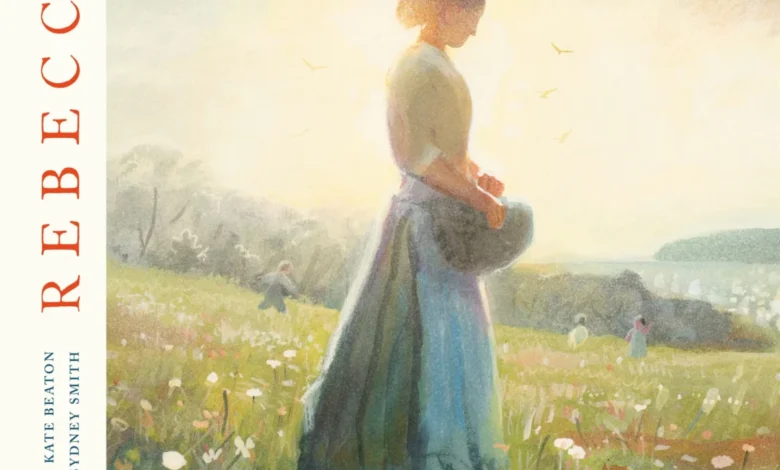
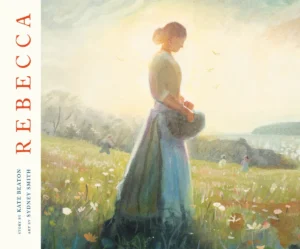
Renowned Canadian cartoonist and author Kate Beaton has released her latest literary work, a children’s picture book titled Rebecca. The publication serves as both a deeply personal exploration of sibling grief and a historical homage to an ancestral namesake who endured profound loss in late 18th-century Nova Scotia. Known internationally for her celebrated graphic memoir Ducks: Two Years in the Oil Sands and her webcomic Hark! A Vagrant, Beaton’s new project marks a departure into the realm of children’s literature, tackling complex themes of mortality, maternal resilience, and generational memory.
Main Facts and Literary Premise
The book, published by Roaring Brook Press, centers on the life of Rebecca Lombard Smith, an 18th-century ancestor of Beaton who lived on Port Hood Island off the coast of Cape Breton. In March 1789, Rebecca’s husband, whaling captain David Smith, tragically drowned after falling through the ice near the island, leaving her pregnant and solely responsible for raising their children in a remote and unforgiving landscape.
While historical accounts of the incident have traditionally focused on Captain Smith’s fatal accident, Beaton’s narrative elevates the endurance and fortitude of Rebecca, who lived to the age of 76 and successfully raised her family through immense hardship. The picture book bridges this historical account with modern themes of grief, drawing heavily from Beaton’s personal experiences with loss.
Chronology of Loss and Resilience
The genesis of Rebecca traces back to a timeline defined by personal tragedy and subsequent renewal:
- May 14, 2018: Beaton’s older sister, Rebecca (fondly known as Becky), passed away following a strenuous three-year battle with aggressive cervical cancer. Beaton has frequently described this event as a definitive fracture in her life’s timeline, creating a distinct separation between her existence before and after her sister’s illness.
- May 13, 2019: Exactly one day shy of the one-year anniversary of her sister’s death, Beaton gave birth to her first child, a daughter, after going into labor prematurely on Mother’s Day.
- Post-2019 Years: While raising her young children in Port Hood, Nova Scotia—within sight of the historic island where her ancestor once lived—Beaton routinely walked to the Old Protestant Graveyard, where Rebecca Lombard Smith is buried. The rhythmic repetition of late-night infant care paired with these historical walks catalyzed the creation of the book.
- September 2026: Roaring Brook Press officially launches Rebecca to widespread literary anticipation, challenging conventional boundaries of children’s publishing.
Background Context and Ancestral Ties
The interplay of names and lineage forms a cornerstone of Beaton’s artistic expression. Born and raised in Cape Breton, Nova Scotia, Beaton and her sister were named after their respective grandmothers, continuing a lineage of traditional naming practices that connected modern generations to the women who preceded them.
During the period when her sister Becky was undergoing medical treatment, Beaton resided in the village of Port Hood, maintaining a constant visual connection to Port Hood Island. The geographic proximity to her ancestor’s historical footprint provided a meditative space for Beaton. Observing the austere landscape where Rebecca Lombard Smith once managed a household of six sons and one daughter alone, Beaton found parallels between the historical matriarch’s survival and her own family’s endurance through terminal illness.

The historical marker at the Old Protestant Graveyard features a distinctive inscription erected by Rebecca’s sons—Lewis, Parker, and David—noting her birth in Truro, New England, her husband’s drowning in 1789, and her death on November 30, 1821. Beaton noted the unusual and personal nature of the sons engraving their own names onto the monument, interpreting it as a direct testament to maternal devotion and enduring familial affection.
Publisher Statements and Industry Impact
The publication of Rebecca has generated significant discussion within the publishing industry due to its unconventional thematic elements for a children’s audience. Publishing Director Connie Hsu of Roaring Brook Press expressed initial astonishment upon reviewing the manuscript, highlighting the distinct structural departures from traditional picture book standards.
"My initial reaction to Rebecca was awe," Hsu stated. "My brain began to think about all the usual ‘rules’ about picture book publishing. Here, the main protagonist is an adult, the book is about loss, and two people die in the book! But I just had to publish it."
Industry analysts note that Beaton’s transition into children’s literature follows a trajectory of critical acclaim. Her previous graphic memoir, Ducks: Two Years in the Oil Sands, earned international recognition, including a selection on former U.S. President Barack Obama’s annual favorite books list for 2022, alongside designations as a New York Times Notable Book. Her earlier collections, Hark! A Vagrant and Step Aside, Pops, established her reputation as a New York Times bestselling graphic novelist with a distinct voice in historical and literary satire.
Broader Implications for Grief Literature
The release of Rebecca contributes to a growing body of contemporary literature that addresses grief, loss, and familial legacy in accessible formats. By framing historical survival alongside contemporary mourning, Beaton’s work addresses the psychological framework of living with permanent sorrow rather than seeking a definitive resolution to grief.
Psychological and literary commentators have observed that children’s literature increasingly incorporates complex emotional landscapes to help young readers and their caregivers navigate trauma. Beaton’s narrative asserts that acknowledging sorrow does not preclude hope, mirroring how her ancestor persevered following the 1789 tragedy.
As Rebecca reaches bookstores and library shelves, it reinforces Beaton’s standing as a versatile author capable of translating deeply personal anguish and localized Canadian history into universal narratives of human endurance.
Related posts: