A Week of Festive Flavors: Navigating Meal Planning with St. Patrick’s Day Delights

This week’s meal plan is thoughtfully curated to incorporate seasonal celebrations, most notably St. Patrick’s Day on Tuesday. The menu aims to blend family favorites with thematic culinary creations, emphasizing naturally vibrant green dishes to honor the holiday. This approach provides a structured yet flexible framework for busy households seeking both convenience and festive flair in their daily meals.
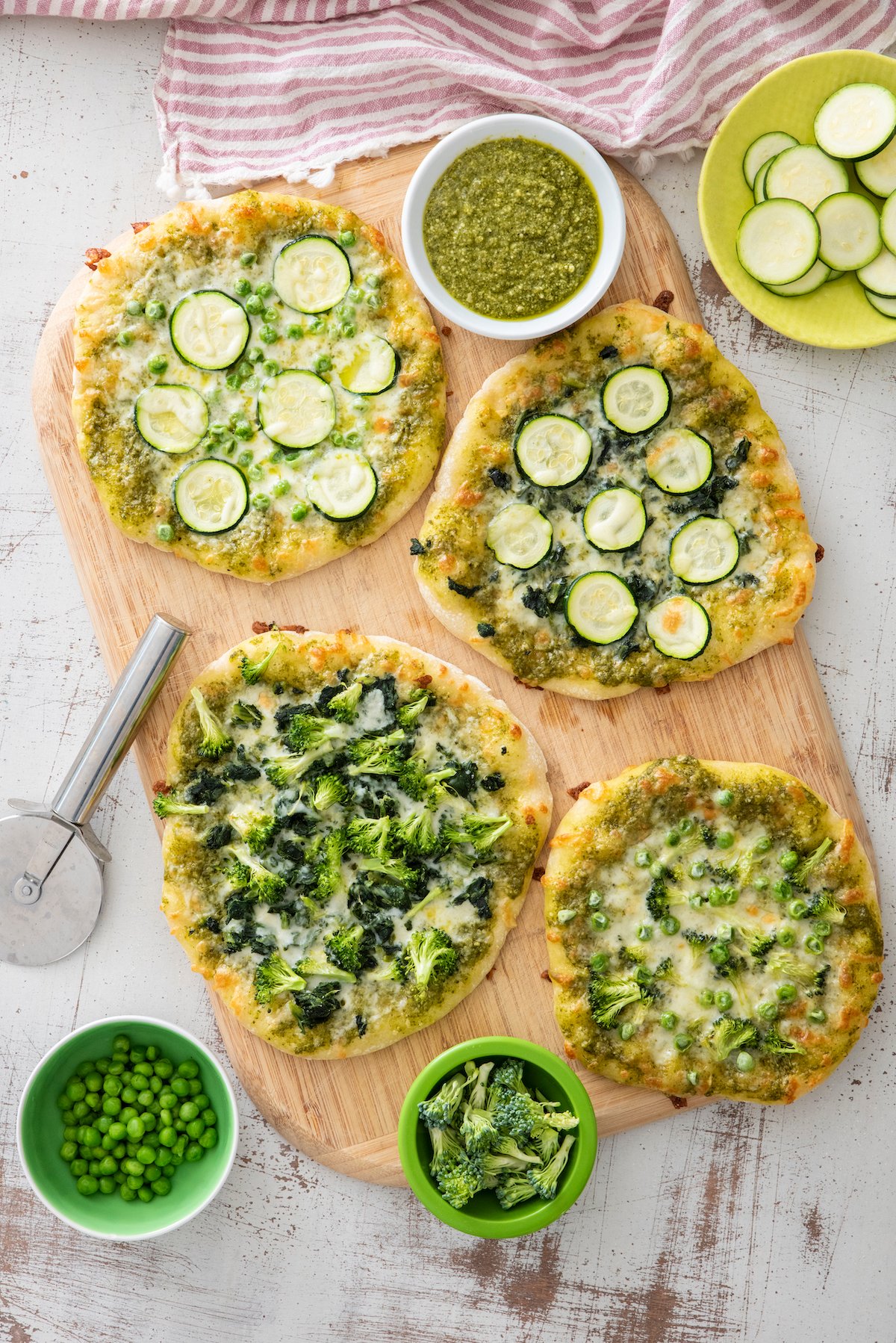
Embracing the Emerald Isle: A St. Patrick’s Day Culinary Celebration
St. Patrick’s Day, observed annually on March 17th, commemorates the patron saint of Ireland. Historically, the day is marked by parades, religious observances, and a general spirit of revelry. In contemporary times, particularly in countries with significant Irish diaspora, it has evolved into a broader cultural celebration, often characterized by the color green, traditional Irish music, and, of course, themed food and drink. This week’s meal plan directly taps into this festive spirit by highlighting recipes that naturally incorporate green ingredients, offering a healthy and wholesome way to participate in the holiday’s traditions.
Breakfast: A Spectrum of Smoothies and Green Beginnings
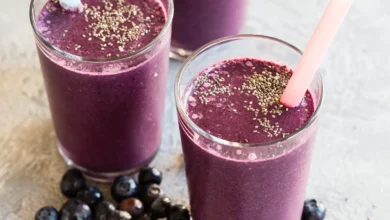
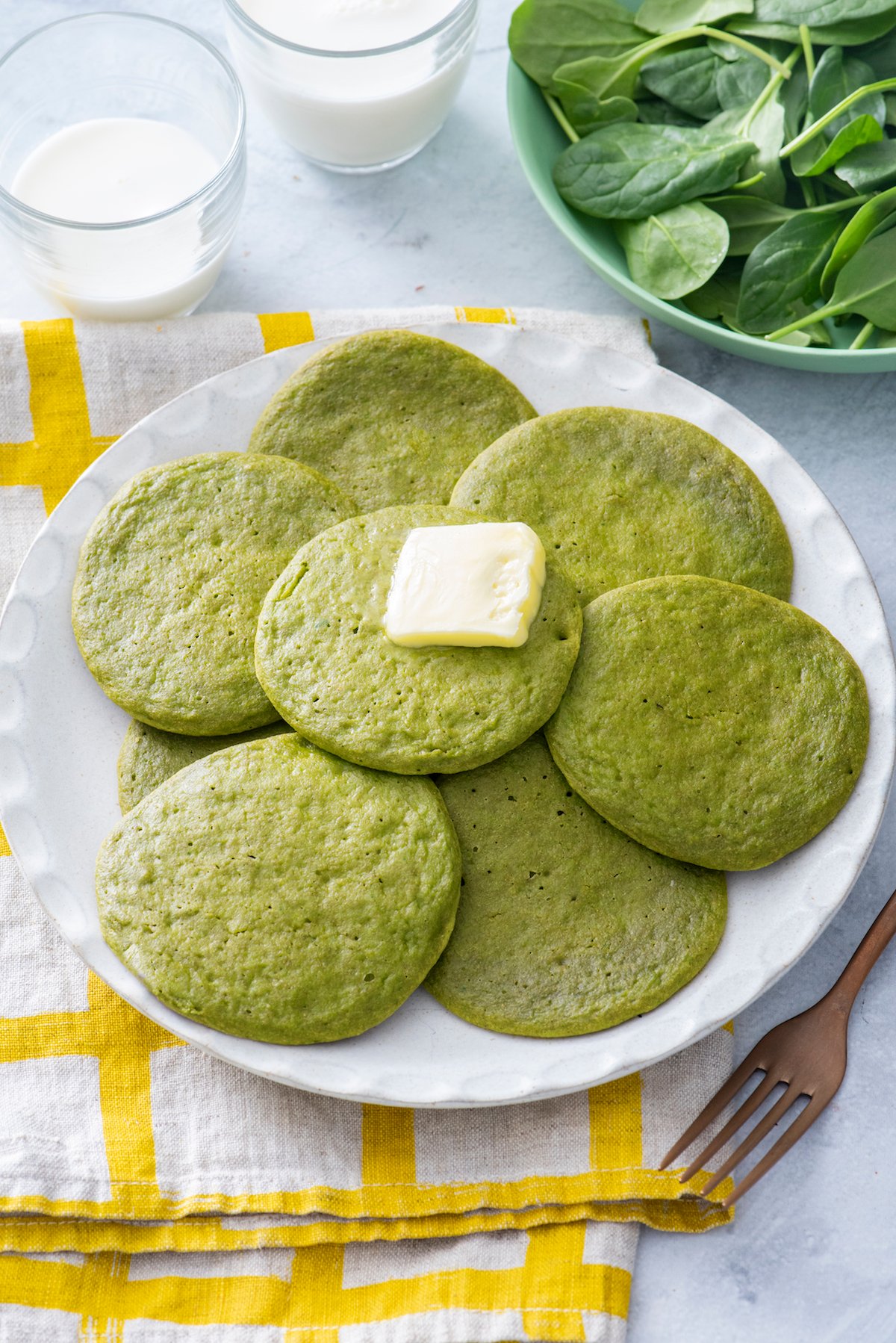
The week kicks off with a focus on nutrient-rich smoothies for breakfast, a popular choice for quick and healthy starts. The lineup includes a "Berry Green Smoothie," a "Golden Milk" option, a "Pregnancy Smoothie" (likely adaptable for general consumption), and the specifically themed "Bright Green Smoothie" for St. Patrick’s Day itself. Complementing these are "Green Vegan Pancakes," offering a delightful and visually appealing way to begin the day with a nod to the holiday’s color palette.
The emphasis on smoothies aligns with a growing trend in health-conscious eating, where quick, nutrient-dense options are highly sought after. Data from market research firms often indicates a steady increase in the smoothie and functional beverage market, driven by consumer demand for convenience and perceived health benefits. The inclusion of "Golden Milk," a turmeric-based beverage, further suggests an incorporation of ingredients known for their anti-inflammatory properties, appealing to a wellness-oriented audience.
Snacks: Sustaining Energy with Protein and Playful Bites
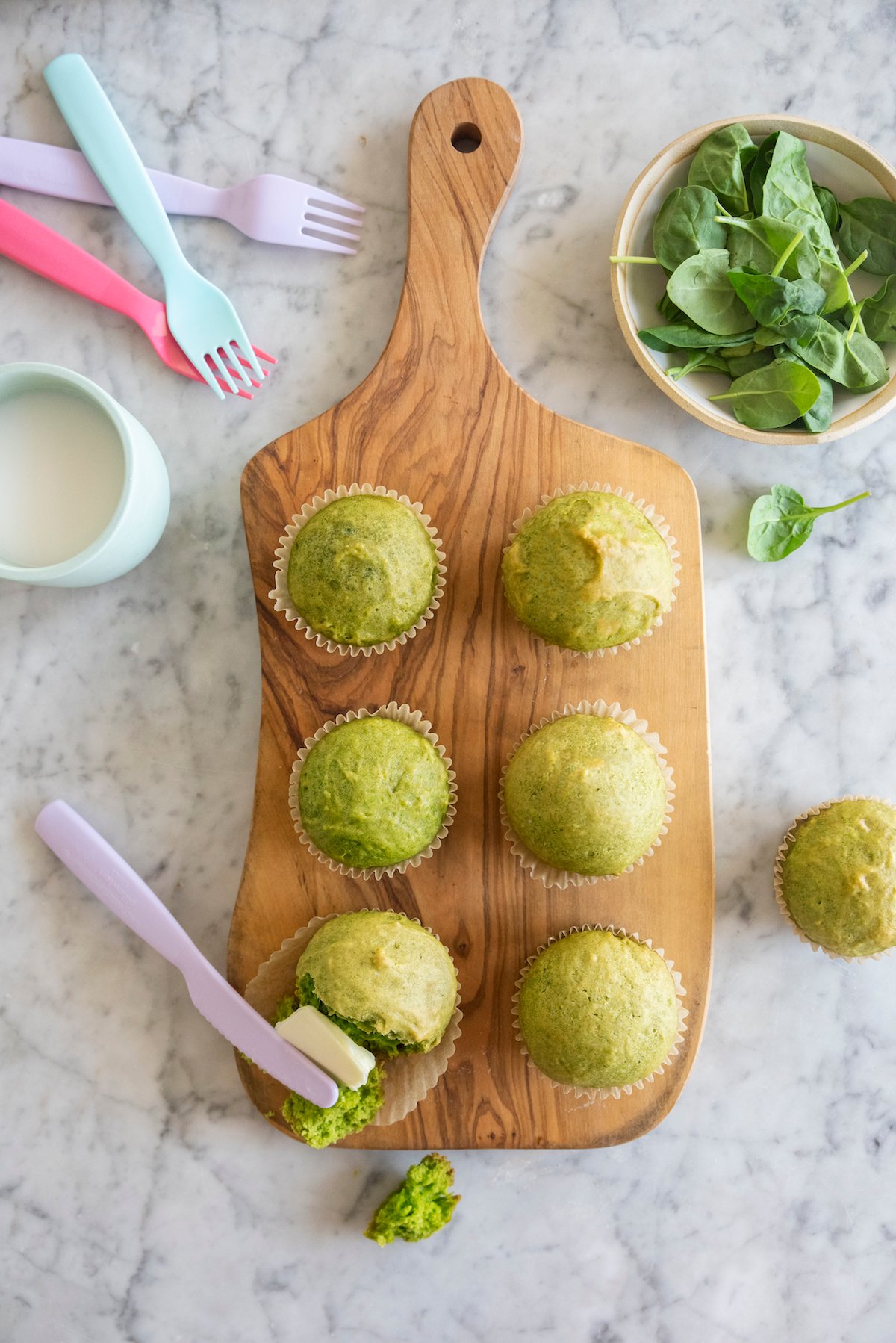
For mid-day sustenance and afternoon pick-me-ups, the meal plan proposes "Protein Cereal Bars," noted for their inclusion of protein-heavy chia seeds, designed to promote satiety. These are strategically paired with festive, naturally green snacks suitable for St. Patrick’s Day: "Spinach Cake Muffins" and "Cheesy Green Hummus." This combination ensures that both nutritional needs and thematic enjoyment are met.
The inclusion of protein-rich snacks is a common strategy in balanced eating plans, aimed at managing hunger and maintaining energy levels throughout the day. Chia seeds, as mentioned, are recognized for their omega-3 fatty acids, fiber, and protein content, making them a valuable addition to snack recipes. The "Cheesy Green Hummus" likely utilizes spinach or other green vegetables to achieve its color, offering a savory and nutritious option that can be paired with vegetables or crackers.
Lunch: Kid-Friendly Favorites and Versatile Bowls
Lunch options are designed to be both appealing to children and practical for busy schedules. "Corn Dog Muffin Bites" are highlighted as a popular choice for younger palates. For a more diverse offering, the plan includes "Acai Bowls," "Green Veggie Pancakes" (suggesting a potential reuse of pancake batter from breakfast), and the perennial favorite, "Avocado Toast with Poached Eggs." Additionally, a batch of "Pressure Cooker Chicken Soup with a Whole Chicken" is suggested for its versatility, serving as a convenient lunch option or a base for future meals, and its ability to be frozen for later use.
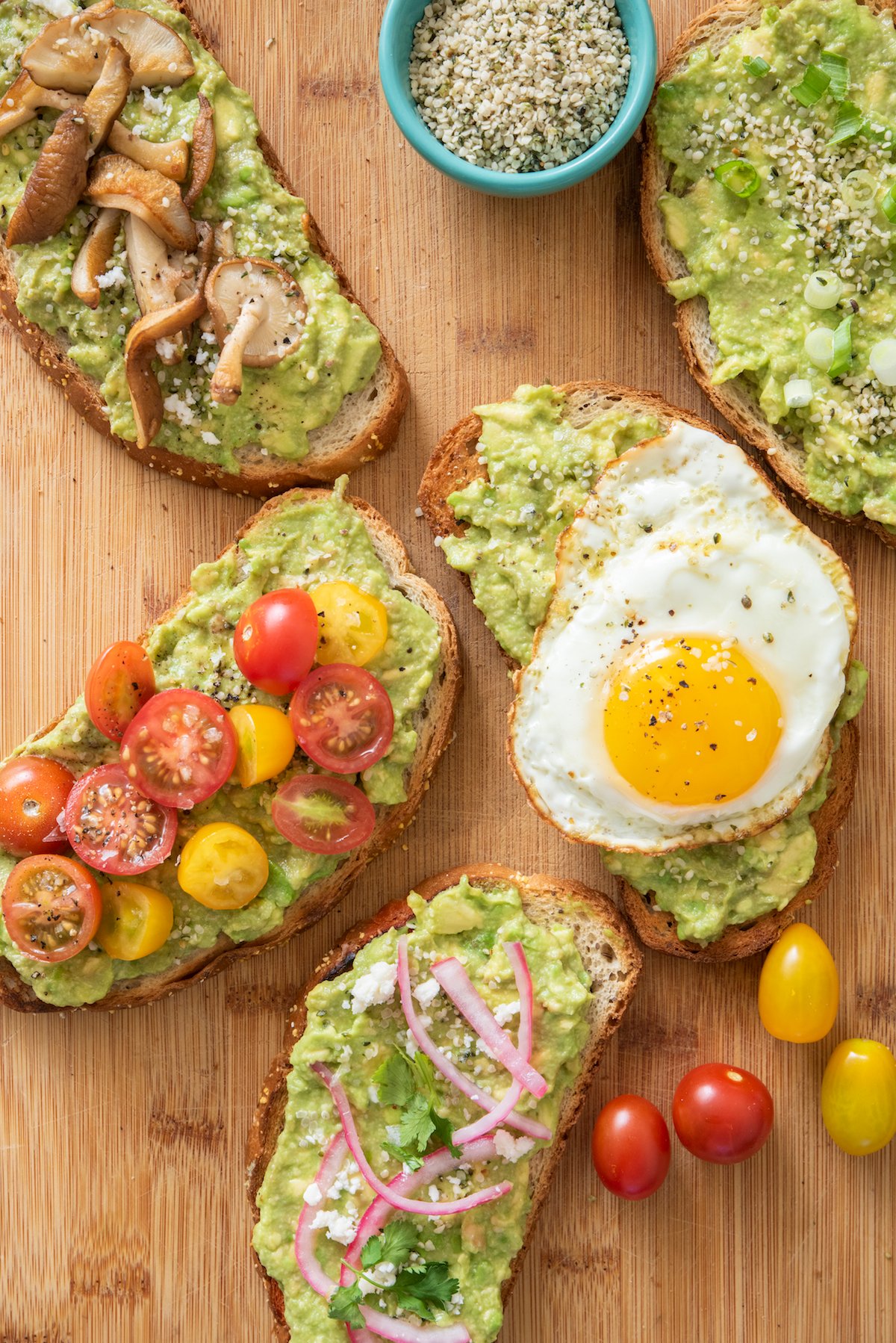
The inclusion of Acai bowls taps into the ongoing popularity of these nutrient-dense bowls, often praised for their antioxidant content and customizable nature. Avocado toast remains a breakfast and lunch staple, valued for its healthy fats and ease of preparation. The suggestion of pressure cooker chicken soup speaks to the growing interest in efficient cooking methods that yield wholesome, home-cooked meals with minimal effort, a trend amplified by busy modern lifestyles.
Dinner: A Culinary Journey Through the Week
The dinner menu offers a varied selection, culminating in a St. Patrick’s Day feast and extending into a convenient end-of-week option.
-
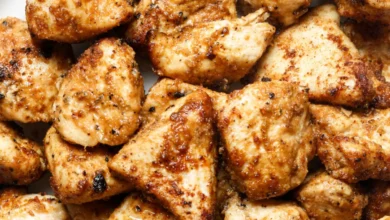
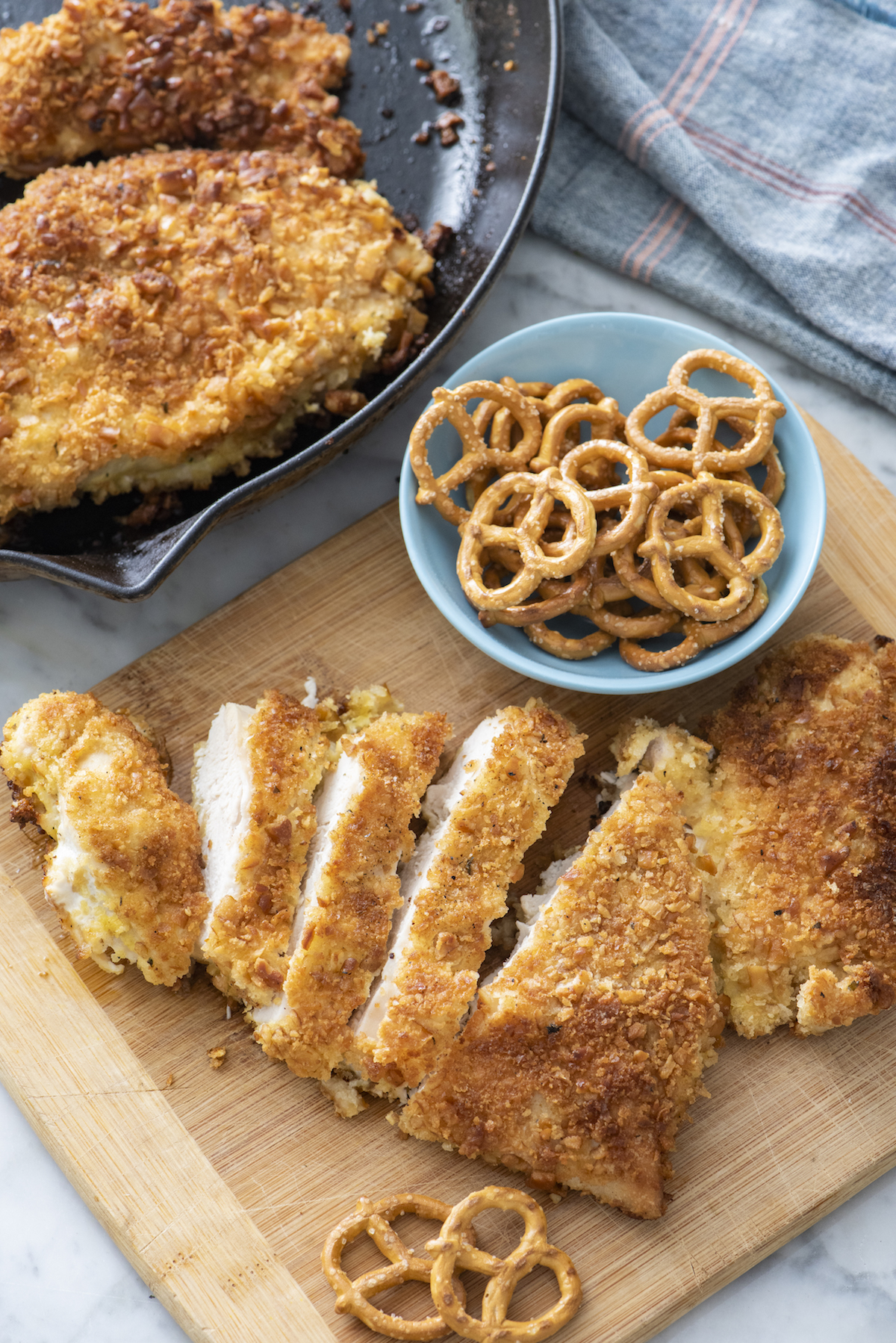
Sunday: The week begins with "Pretzel Fried Chicken," described as exceptionally crispy, served alongside "Mascarpone Mashed Potatoes" and "Air Fryer Veggies." This meal offers a comforting and slightly elevated take on a classic Sunday dinner. The use of an air fryer for vegetables aligns with a desire for healthier cooking methods that achieve desirable textures with less oil.
-
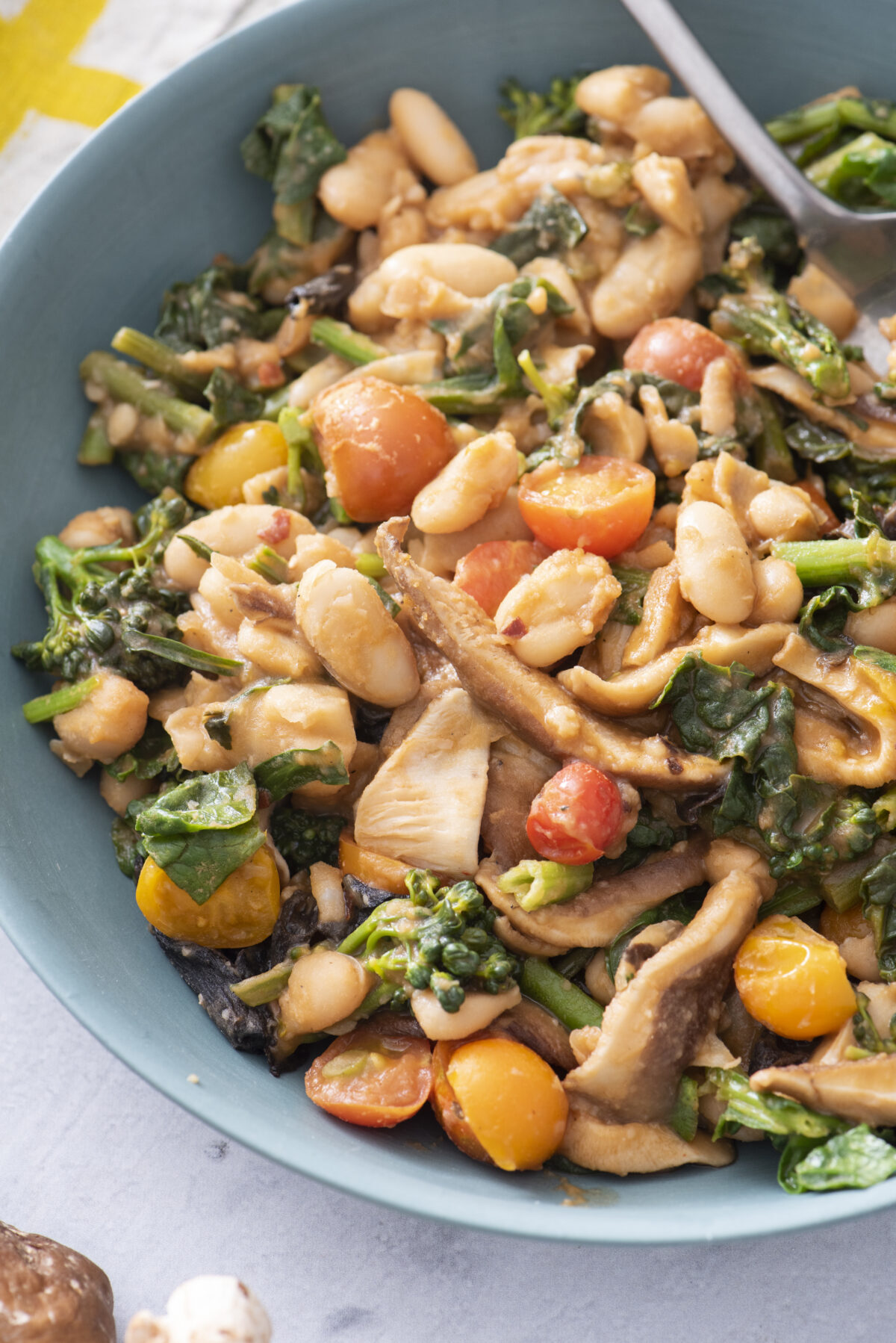
Monday: A "White Bean, Shiitake and Vegetable Bowl" is planned for a meatless Monday, emphasizing plant-based nutrition and a straightforward preparation process. This choice reflects a growing dietary preference for vegetarian and vegan meals, often driven by health, environmental, and ethical considerations.
-
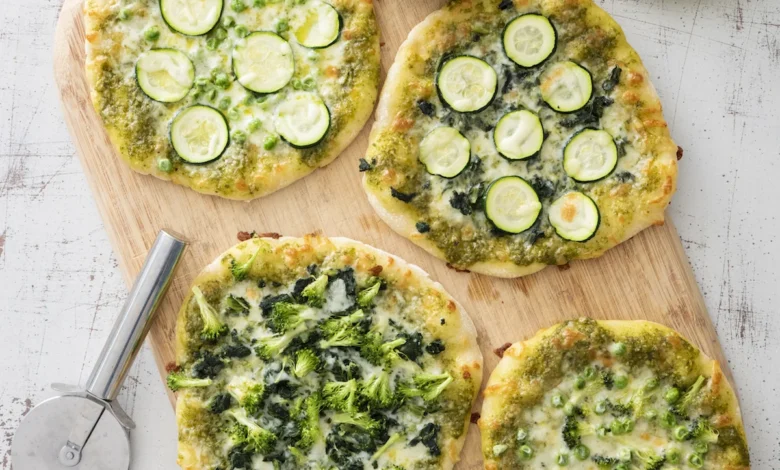
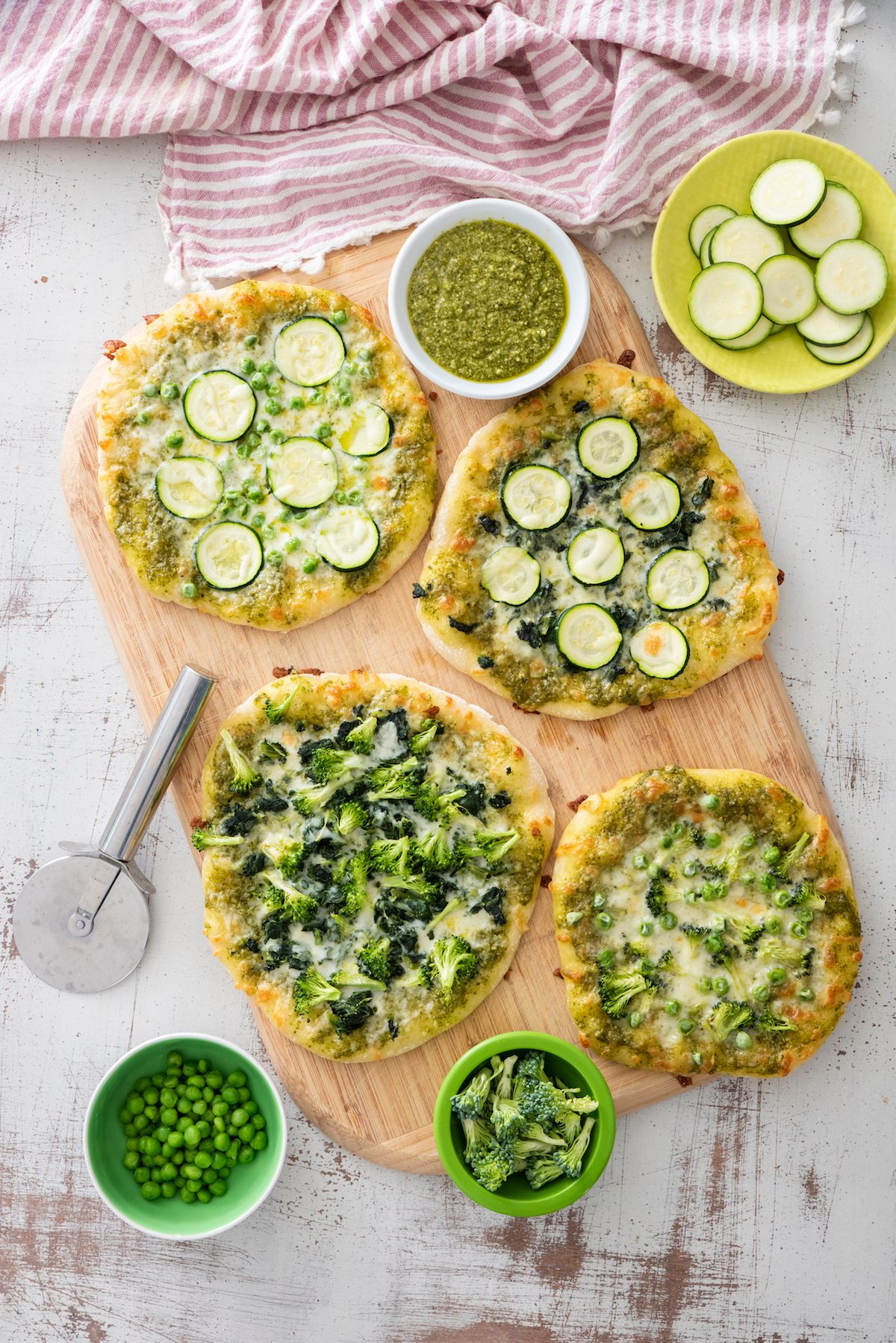
Tuesday: St. Patrick’s Day dinner features "Green Machine Pizza," a creative and thematic main course, complemented by "Spinach Smash Cake" for a festive dessert. This approach ensures the holiday is celebrated with both a savory and sweet green-themed dish. The "Green Machine Pizza" likely incorporates a generous amount of spinach or other green vegetables into the dough or toppings, offering a visually striking and nutritious option.
-
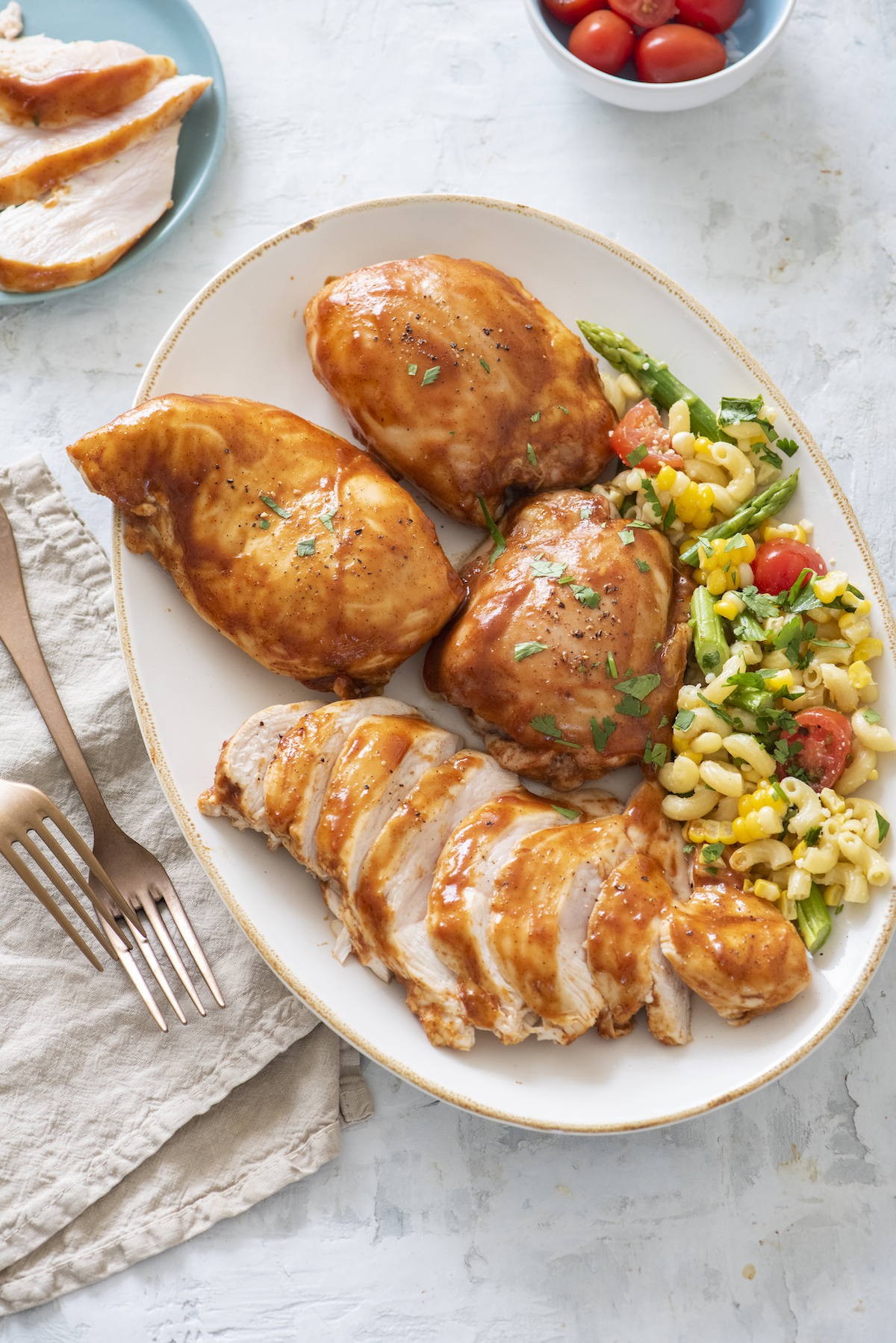
Wednesday: "Lazy BBQ Chicken" is paired with "Sweet Potato Fries" and "Roasted Brussels Sprouts." The "lazy" designation suggests a simplified preparation method for the chicken, likely utilizing pre-made sauces or quick cooking techniques, making it ideal for a mid-week meal. Sweet potatoes are a nutrient-dense alternative to traditional white potatoes, offering vitamins and fiber, while roasted Brussels sprouts are a popular, healthy side dish.
-
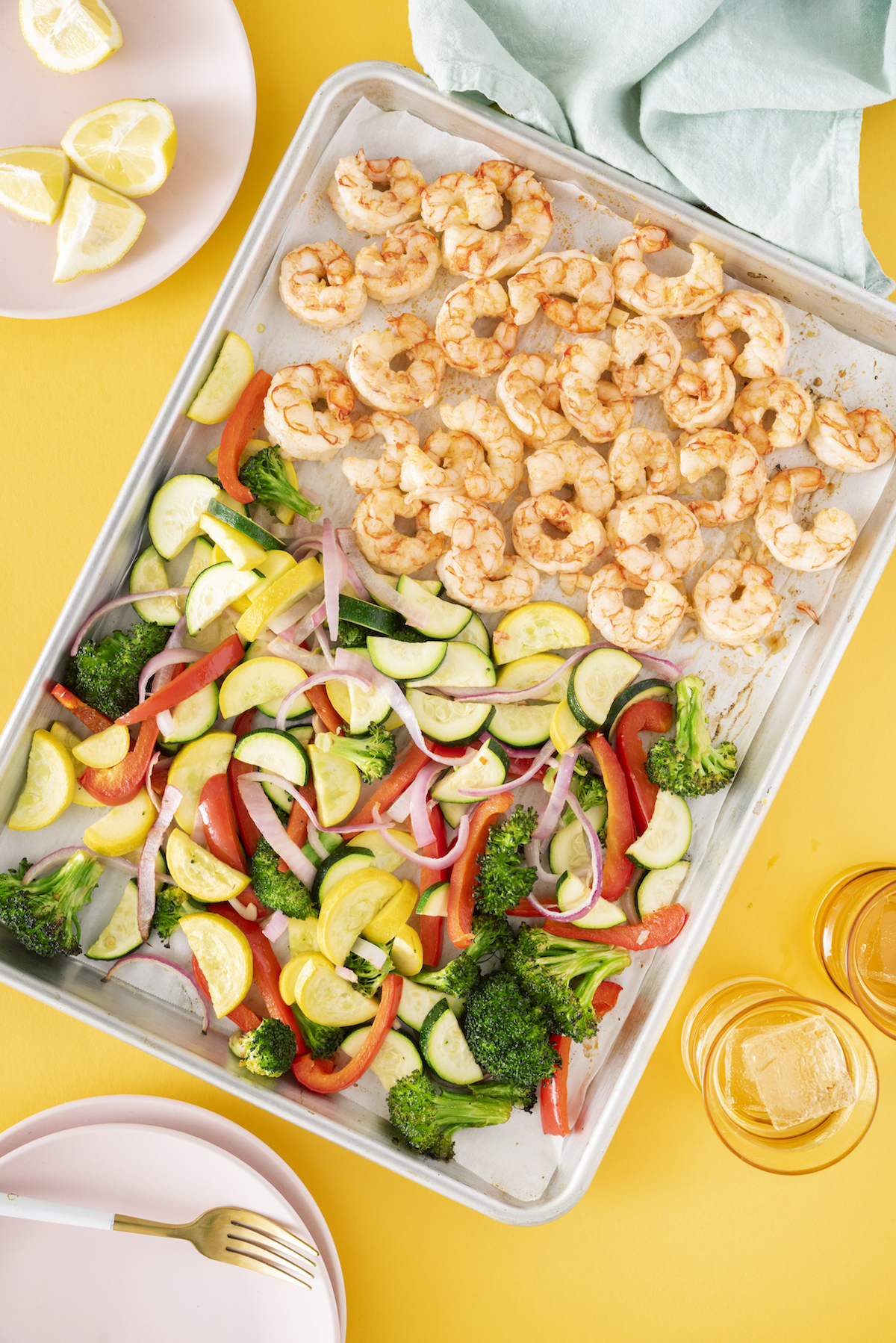
Thursday: To combat end-of-week cooking fatigue, a "One Sheet Pan Shrimp and Vegetable Dinner" is proposed, along with "Brown Rice Cakes." This meal prioritizes minimal cleanup and efficient cooking, a strategy highly valued by many households. Sheet pan dinners have gained considerable traction due to their simplicity and the ease of washing up afterward.
-
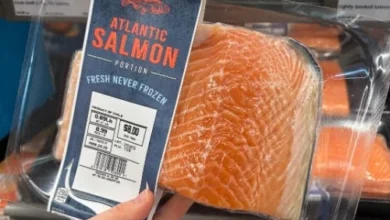
Friday: The week concludes with "Salmon Burgers" served with "Air Fryer French Fries" and whatever remaining vegetables can be air-fried. This meal offers a lean protein source and continues the theme of utilizing the air fryer for healthier, crispy sides. Salmon is renowned for its omega-3 fatty acid content and overall health benefits.
-
Saturday: The meal plan concludes with the practical suggestion of "ordering in from a local restaurant," acknowledging the need for a break from cooking towards the end of the week. This pragmatic approach recognizes the demands on household time and resources.
Data and Contextual Analysis
The structure of this meal plan reflects several contemporary trends in food and lifestyle:
- Health and Wellness: The emphasis on smoothies, nutrient-dense ingredients like chia seeds and spinach, and healthier cooking methods like air frying points to a strong focus on health and wellness.
- Convenience: The inclusion of one-sheet pan meals, pressure cooker recipes, and the suggestion of ordering in highlights a recognition of busy schedules and the need for time-saving solutions.
- Thematic Celebrations: The integration of St. Patrick’s Day through "naturally green recipes" demonstrates an understanding of how food can enhance cultural observances and family traditions.
- Dietary Inclusivity: The mention of vegan options (Green Vegan Pancakes) and vegetarian mains (White Bean Bowl) suggests an awareness of diverse dietary preferences.
The success of such meal plans often hinges on their ability to balance nutritional value, culinary appeal, and practical execution. The specific recipes linked within the article likely provide detailed instructions and ingredient lists, allowing consumers to implement the plan effectively. The inclusion of affiliate links suggests a monetization strategy common among food bloggers and recipe developers, where curated content is provided in exchange for potential commissions on product purchases.
Broader Implications
This type of weekly meal plan serves as a valuable resource for individuals and families seeking to organize their culinary efforts. By providing a structured approach, it can reduce food waste, promote healthier eating habits, and alleviate the daily stress of deciding "what’s for dinner." Furthermore, by incorporating seasonal and holiday themes, it adds an element of fun and engagement to meal preparation, fostering a more positive relationship with food within the household. The popularity of such content underscores a broader societal interest in home cooking, healthy living, and the role of food in celebrating culture and community.