The Enduring Safety Imperative: Why Extended Rear-Facing Car Seat Use Remains Paramount for Child Protection

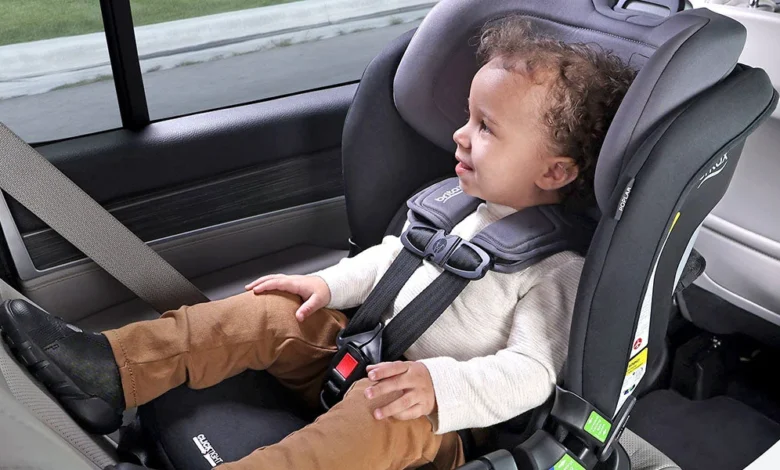
The critical importance of ensuring child safety during vehicular travel cannot be overstated, and among the most effective strategies for protecting young passengers is the consistent use of rear-facing car seats for as long as medically and legally feasible. This practice, supported by decades of scientific research and public health recommendations, is not merely a guideline but a fundamental principle of child passenger safety, dramatically reducing the risk of severe injury and fatality in the event of a collision. The consensus among medical professionals and safety experts is clear: keeping children rear-facing provides a superior level of protection, particularly for their developing bodies.
The Unassailable Science Behind Rear-Facing Superiority
The effectiveness of rear-facing car seats is rooted in a profound understanding of pediatric anatomy and the physics of crash dynamics. Unlike adults, infants and young children possess disproportionately large heads relative to their body size, accounting for approximately 25% of their total body weight compared to about 6% in adults. Crucially, their spinal columns, particularly the cervical spine (neck), are significantly underdeveloped. The vertebrae are largely cartilaginous, not fully ossified, and the ligaments supporting the head and neck are still weak and pliable. Furthermore, the skull plates are not yet fully fused, offering less rigid protection than an adult skull. This combination renders a child’s head and neck exceptionally vulnerable to the violent forces experienced during a sudden impact.
In a frontal collision, which accounts for the majority of severe crashes, a forward-facing child experiences an immediate and forceful propulsion of their head forward relative to their body. This "whiplash" motion places immense, potentially catastrophic, strain on the delicate cervical spine and spinal cord. The neck essentially bears the full brunt of the head’s kinetic energy. In stark contrast, a rear-facing car seat acts as a protective cocoon. When impact occurs, the child is pushed into the seat back. The rigid shell of the car seat cradles the child’s entire head, neck, and torso, distributing the crash forces evenly across the strongest parts of their body – their back and shoulders. This mechanism effectively minimizes head excursion (the distance the head moves relative to the body), preventing the dangerous stretching and compression of the spinal cord that leads to severe, often irreversible, neck and spinal injuries. The forces are absorbed and dissipated by the robust structure of the car seat itself, rather than by the child’s vulnerable anatomy.
Statistical Evidence and Definitive Research Findings
The scientific community has consistently published compelling data underscoring the superior safety of rear-facing car seats. A landmark study published in the journal Pediatrics in 2007, often cited by child passenger safety advocates, found that children under the age of two are 75% less likely to die or suffer serious injury in a crash if they are in a rear-facing car seat compared to a forward-facing one. This translates to a child being approximately five times safer when facing the rear. Subsequent analyses and meta-studies by organizations like the National Highway Traffic Safety Administration (NHTSA) and the American Academy of Pediatrics (AAP) have consistently reaffirmed these findings, demonstrating a significant reduction in the incidence of head, neck, and spinal cord injuries.
For instance, data from the National Automotive Sampling System Crashworthiness Data System (NASS-CDS) has repeatedly shown that severe injuries to the head and neck are dramatically lower for children in rear-facing seats across various crash scenarios. While frontal impacts are most commonly discussed, rear-facing seats also provide enhanced protection in side-impact crashes. During a side impact, the seat’s design allows it to pivot and absorb energy, keeping the child’s body contained within the protective shell and away from intruding vehicle structures. Even in rear-end collisions, the child is pushed further into the seat, again distributing forces effectively and minimizing injury risk compared to a forward-facing position where the child would be propelled forward into the harness.
A Chronology of Safety: Evolution of Car Seat Guidelines
The journey towards modern car seat safety recommendations has been a gradual but evidence-driven process. Early "car seats" in the 1930s and 40s were primarily designed to contain children in the vehicle and elevate them for a better view, with little to no consideration for crash protection. It wasn’t until the late 1960s and early 1970s that safety became a primary design criterion, leading to the introduction of the first standardized car seats.
- 1971: The U.S. government established its first federal safety standards for child restraint systems, mandating that they be held in place by a vehicle’s seat belt.
- 1980s: Research began to highlight the specific vulnerabilities of infants, leading to the recommendation that newborns and infants be placed in rear-facing car seats. The initial guideline was often "one year and 20 pounds" as the minimum to turn a child forward-facing.
- 2002: The LATCH (Lower Anchors and Tethers for Children) system was introduced in vehicles and car seats, providing an alternative to seat belt installation and aiming to simplify correct installation, a critical factor in car seat effectiveness.
- 22007: The aforementioned Pediatrics study solidified the scientific basis for extended rear-facing.
- 2011: The American Academy of Pediatrics (AAP) significantly revised its car seat recommendations, moving away from the "one year and 20 pounds" rule. Instead, the AAP advised parents to keep their children in rear-facing car seats until they reach the maximum weight or height limit allowed by their car seat manufacturer, typically around age two or beyond. This marked a pivotal shift, emphasizing the "as long as possible" principle.
- 2018: The AAP further refined its guidance, eliminating the specific age minimum for turning forward-facing and reinforcing the recommendation to keep children rear-facing until they reach the highest weight or height allowed by their convertible car seat, often up to 40-50 pounds, which can be around 4 years of age or even older for some children. This aligns with international best practices, such as the European i-Size regulation which mandates rear-facing until at least 15 months.
This chronology demonstrates a clear trend: as understanding of child biomechanics and crash forces has grown, safety guidelines have evolved to prioritize extended rear-facing use based on rigorous scientific evidence, not arbitrary age or weight milestones.
Addressing Common Parental Concerns with Factual Responses
Despite the overwhelming evidence, some parents express reservations about keeping their children rear-facing for longer durations. These concerns primarily revolve around perceived comfort and interaction.
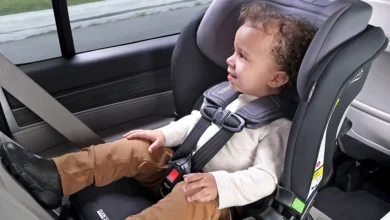
- Leg Room and Comfort: Many parents worry that their child’s legs will be cramped or uncomfortable in a rear-facing position, especially as they grow taller. However, children are remarkably flexible. They naturally sit with their legs bent, crossed, or propped up against the vehicle seat back, positions that adults might find uncomfortable but are entirely natural for children. Crucially, studies have shown that leg injuries are extremely rare in rear-facing crashes and are, in fact, more common in forward-facing positions where the child’s legs can impact the vehicle’s interior during a collision. Prioritizing the protection of the head, neck, and spine, which are vital for life and mobility, far outweighs any minor discomfort related to leg positioning.
- Motion Sickness: While some children may experience motion sickness, it is not universally linked to rear-facing travel. It can affect children in both forward and rear-facing orientations. Strategies such as ensuring good ventilation, taking frequent breaks, having the child focus on objects outside the side windows rather than straight ahead, and consulting with a pediatrician for other remedies can often manage this issue. The potential for temporary motion sickness does not diminish the profound safety benefits of rear-facing travel.
- Parental Interaction and Visibility: Parents sometimes desire direct eye contact or easier interaction with their child during drives. While this is understandable, several solutions exist, such as using convex mirrors specifically designed for rear-facing car seats, allowing parents to see their child in the rearview mirror without turning around. Ultimately, ensuring the child’s safety is the paramount concern, and the ability to easily interact should not compromise that safety.
The Broader Impact and Implications of Extended Rear-Facing
The widespread adoption of extended rear-facing practices carries significant public health and societal implications.
- Public Health Improvement: By preventing severe head, neck, and spinal cord injuries, extended rear-facing directly contributes to a reduction in childhood morbidity and mortality associated with motor vehicle crashes. This means fewer children suffering from paralysis, traumatic brain injuries, or fatalities, leading to healthier outcomes for individuals and communities.
- Economic Benefits: The prevention of severe injuries translates into substantial economic savings. The costs associated with emergency medical care, long-term rehabilitation, assistive devices, and ongoing support for children with permanent injuries are astronomical. By reducing the incidence of such injuries, healthcare systems experience less strain, and families avoid immense financial burdens.
- Empowering Parental Decision-Making: Providing clear, evidence-based guidance empowers parents to make informed decisions about their child’s safety. When armed with factual information and expert recommendations, parents can confidently choose the safest option, even if it requires overcoming initial misconceptions or perceived inconveniences.
- Innovation in Industry Standards: The strong push for extended rear-facing has spurred innovation among car seat manufacturers. Modern convertible car seats are now routinely designed to accommodate children rear-facing up to 40, 50, or even 65 pounds, allowing children to remain in the safest position for significantly longer. This continuous improvement in product design ensures that parents have access to cutting-edge safety technology.
- Consistency in Safety Messaging: The unified voice of organizations like the AAP, NHTSA, and certified Child Passenger Safety Technicians (CPSTs) helps to disseminate consistent and accurate safety messaging. This consistency is crucial in dispelling myths and ensuring that parents receive reliable information from trusted sources.
Expert Consensus and Calls to Action
Leading authorities in child health and safety universally endorse the practice of extended rear-facing. The American Academy of Pediatrics states unequivocally, "Parents should keep their children in a rear-facing car seat for as long as possible, until they reach the highest weight or height allowed by their car seat’s manufacturer." This sentiment is echoed by NHTSA, which consistently promotes the message, "Keep your child in a rear-facing car seat for as long as possible."
For parents, making the right choice involves:
- Selecting the Right Seat: Look for convertible car seats designed with high rear-facing weight and height limits. Many modern seats accommodate children up to 40-50 pounds rear-facing, which typically covers children well past their second birthday, and often up to age four.
- Reading the Manual: Every car seat has specific instructions for installation and use. Adhering strictly to the manufacturer’s guidelines for weight and height limits is paramount.
- Seeking Professional Guidance: Child Passenger Safety Technicians (CPSTs) are certified experts who can provide hands-on assistance with car seat installation and ensure proper fit for the child and vehicle. Many local fire departments, police stations, and hospitals offer free car seat check events.
In conclusion, the practice of keeping children in rear-facing car seats for an extended period is a cornerstone of child passenger safety. Backed by compelling scientific evidence, evolving safety guidelines, and the unanimous endorsement of leading health and safety organizations, it offers unparalleled protection for a child’s vulnerable head, neck, and spine. While parental concerns about leg room or interaction are understandable, they are significantly outweighed by the irrefutable safety benefits. By prioritizing extended rear-facing, parents make a simple yet profoundly impactful decision that safeguards their most precious cargo on every journey.