Bringing Your Baby Home: Everything You Need for the Trip from the Hospital to your House


The Chronology of Discharge and Transit
The transition from a clinical setting to the home environment is a highly regulated process. In most obstetric facilities, the discharge protocol begins once the pediatrician and obstetrician have cleared both mother and infant. This typically occurs between 24 and 48 hours following a vaginal delivery, or 48 to 96 hours following a cesarean section, provided there are no complications.
During the final hours in the hospital, the focus shifts toward the “final check.” Medical staff perform a newborn hearing screening, a critical congenital heart disease (CCHD) screening, and ensure the infant has successfully fed. For parents, this is the window to finalize the logistics of the trip home. The chronology of this departure involves three distinct phases: the final hospital inspection, the installation of safety equipment, and the secure transit to the residence.
Regulatory Requirements and Safety Standards
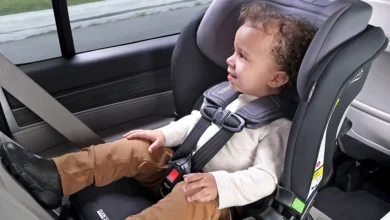
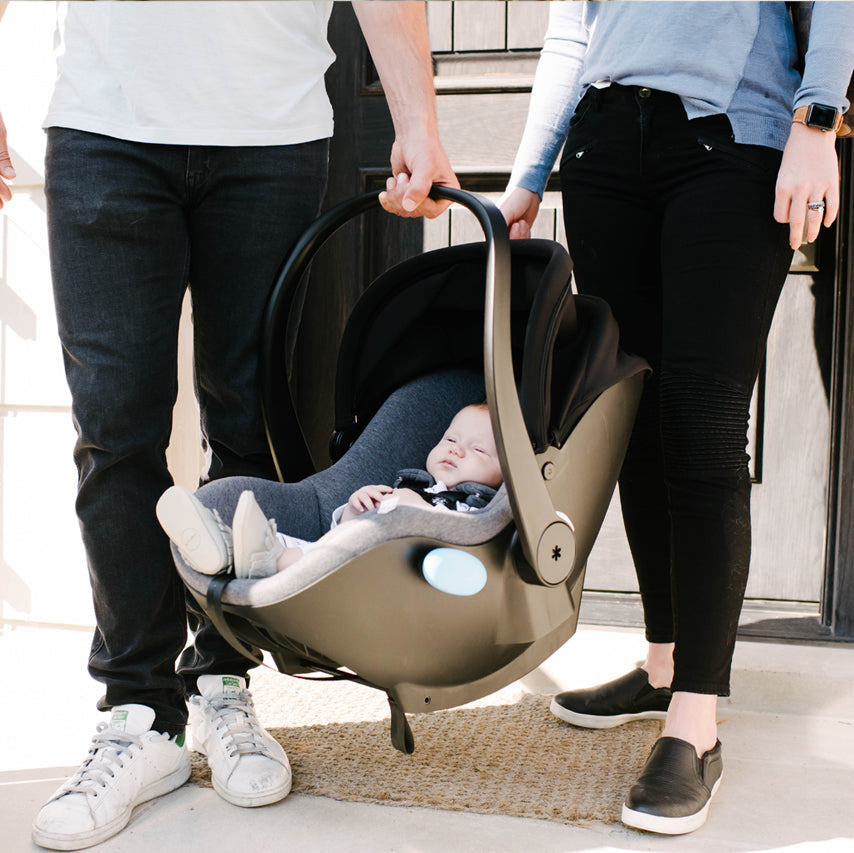
The most critical component of the homecoming is the provision of an appropriate, safety-rated infant car seat. According to the National Highway Traffic Safety Administration (NHTSA), motor vehicle crashes are a leading cause of death for children in the United States. Consequently, hospital policy strictly forbids the discharge of an infant without a verified, properly installed car seat.
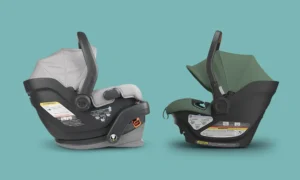
The technical requirements for these seats are rigorous. Infants must be placed in a rear-facing position, as this provides the best protection for the head, neck, and spine. Manufacturers, including brands like Nuna, Maxi-Cosi, and Doona, have developed systems that prioritize the "travel system" model, where the seat can transition from a vehicle base to a stroller chassis. This integration is designed to minimize the disruption of the infant’s sleep and reduce the frequency of handling, which is crucial given a newborn’s fragile physiological state.
Experts in pediatric safety advise that the "pinch test" be utilized to ensure the harness is sufficiently snug. If the webbing can be pinched at the shoulder level, the harness is too loose. Furthermore, the chest clip must be positioned at the level of the armpits to ensure proper restraint distribution in the event of a sudden deceleration.

The Role of Essential Supplies and Environmental Control
While the safety of the vehicle is paramount, the comfort and hygiene of the infant during the transit period are also significant factors. The newborn’s thermoregulation is not fully developed, making them highly susceptible to temperature fluctuations. A standard vehicle interior, especially one that is air-conditioned or exposed to direct sunlight, can rapidly alter an infant’s core temperature.
Industry analysts note that the trend toward "timeless" and "vintage" layette—such as the cotton-woven garments produced by companies like Feltman Brothers—is not merely aesthetic. Natural fibers like breathable cotton are recommended by dermatologists for newborn skin, which is thinner and more prone to irritation than adult skin. These garments often feature open-bottom designs, facilitating the rapid diaper changes that are frequently necessary during the first few days of life.
Furthermore, the "diaper bag" serves as a mobile medical and hygiene station. Beyond the obvious inclusion of diapers and wipes, current best practices suggest the inclusion of burp cloths to manage gastric reflux, which is common in newborns, and pacifiers to assist in self-soothing. Data from child development studies indicate that non-nutritive sucking, facilitated by a pacifier, can help regulate an infant’s heart rate and provide comfort during the sensory-heavy experience of a first car ride.

Economic and Logistical Implications
The cost of preparing for a homecoming has seen a steady increase, with a 2023 report from the U.S. Department of Agriculture estimating that the average cost of raising a child to age 17 is significantly impacted by initial "start-up" costs. These costs include the purchase of durable medical goods, such as car seats, and high-quality clothing.
There is an emerging trend of "resource optimization" among hospital staff, who often advise parents to collect all remaining supplies from the hospital bassinet—such as hospital-grade diapers, antiseptic wipes, and bulb syringes. These items are technically already paid for through the global billing codes associated with the delivery, and they provide a necessary buffer for the first 24 to 48 hours at home.
Psychological Context of the Homecoming
The transition to home is more than a logistical event; it is a profound psychological milestone. Mental health professionals emphasize the importance of "expectation management" during this period. The arrival of a newborn alters the family dynamic, often referred to by psychologists as the "matrescence" or "patrescence" phase.

"The journey from the hospital to the home is often the first time parents experience the full weight of their new responsibility without the constant oversight of nursing staff," says Dr. Elena Rossi, a pediatric consultant. "Preparation, such as having the car seat practiced and the bag packed, reduces the cognitive load on parents, allowing them to focus on the emotional bonding that occurs during those first hours."
Broader Impact and Future Outlook
The industry surrounding newborn transit is evolving toward greater automation and safety. We are seeing a rise in "smart" car seats that alert parents via mobile applications if the temperature in the seat is too high or if the chest clip becomes unfastened. While these technologies are still in their infancy, they represent a significant shift toward data-driven parenting.
As the retail sector continues to focus on the "coming home" market, the emphasis remains on the intersection of safety and sentimentality. Parents are increasingly looking for items that serve as heirlooms, reflecting a desire to mark the event of birth with tangible, high-quality mementos.

In summary, the transition from the hospital to the home is a multifaceted event requiring a blend of strict safety adherence and thoughtful preparation. By focusing on the correct installation of transport equipment, the selection of appropriate environmental layers for the infant, and the strategic stocking of essentials, parents can mitigate the stress of this transition. This preparation ensures that the focus remains on the primary goal of the day: the safe and successful introduction of a new family member to their home environment. Whether the family is growing for the first time or expanding with subsequent children, the protocol of preparation remains the foundation of a stable and healthy start to the postpartum period.