Air Fryer Ribeye Steak: A Modern Approach to Traditional Steakhouse Preparation

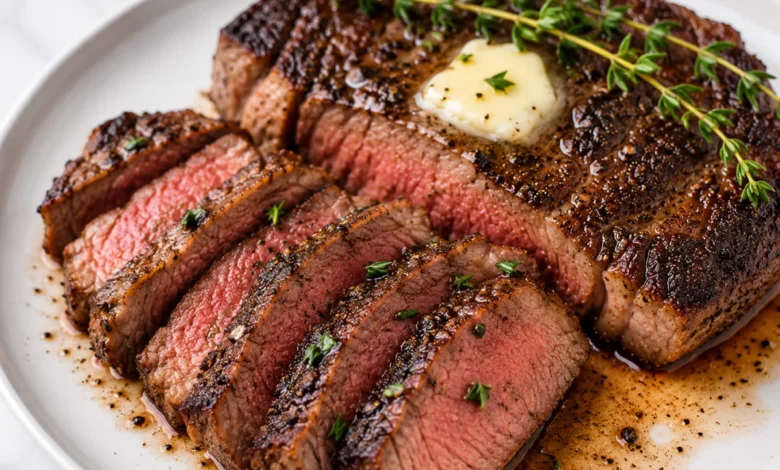
The culinary landscape has shifted significantly over the last decade, with the air fryer transitioning from a niche kitchen gadget to a staple appliance in modern households. Among the most surprising developments in home cooking is the rise of the air fryer as a legitimate tool for preparing high-end proteins, specifically the ribeye steak. Once reserved for the precision of charcoal grills or high-heat cast-iron stovetop searing, the ribeye is now being successfully prepared in countertop convection units, challenging long-held assumptions about steakhouse-quality results.
This methodology relies on rapid air circulation, which mimics the dry-heat environment of a commercial broiler. By maintaining a constant 400-degree Fahrenheit environment, the appliance facilitates a Maillard reaction—the chemical process responsible for the savory, browned crust—without the necessity of an outdoor grilling setup or the ventilation requirements associated with pan-searing.
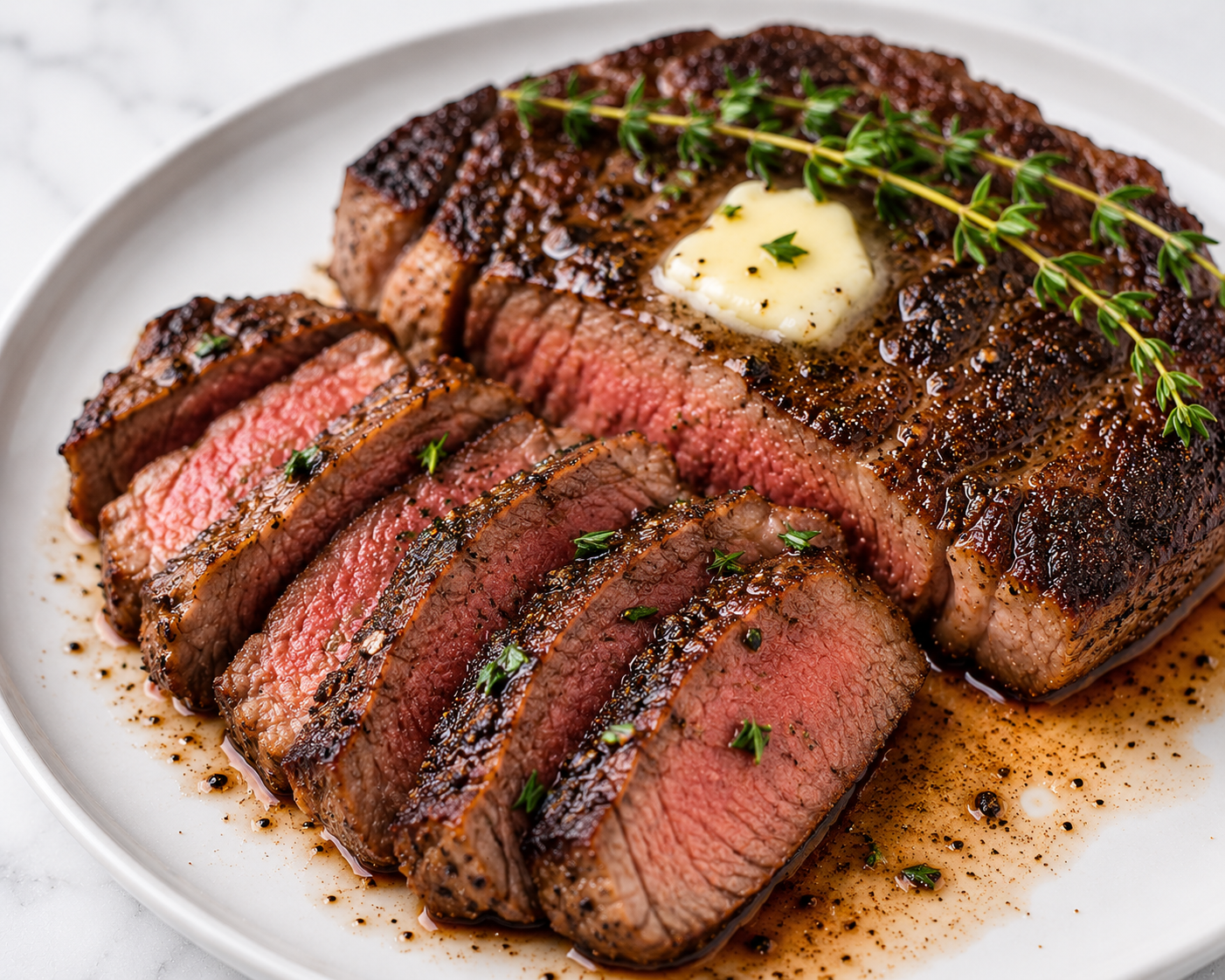
Technical Parameters and Cooking Chronology
Professional kitchen analysis indicates that the air fryer’s efficiency is rooted in its ability to minimize temperature fluctuations. Unlike a traditional oven, which may cycle heat, the air fryer forces hot air directly against the protein surface. For a standard ribeye cut, typically between 1 and 1.5 inches in thickness, the cooking process is broken down into a strict, time-sensitive chronology.
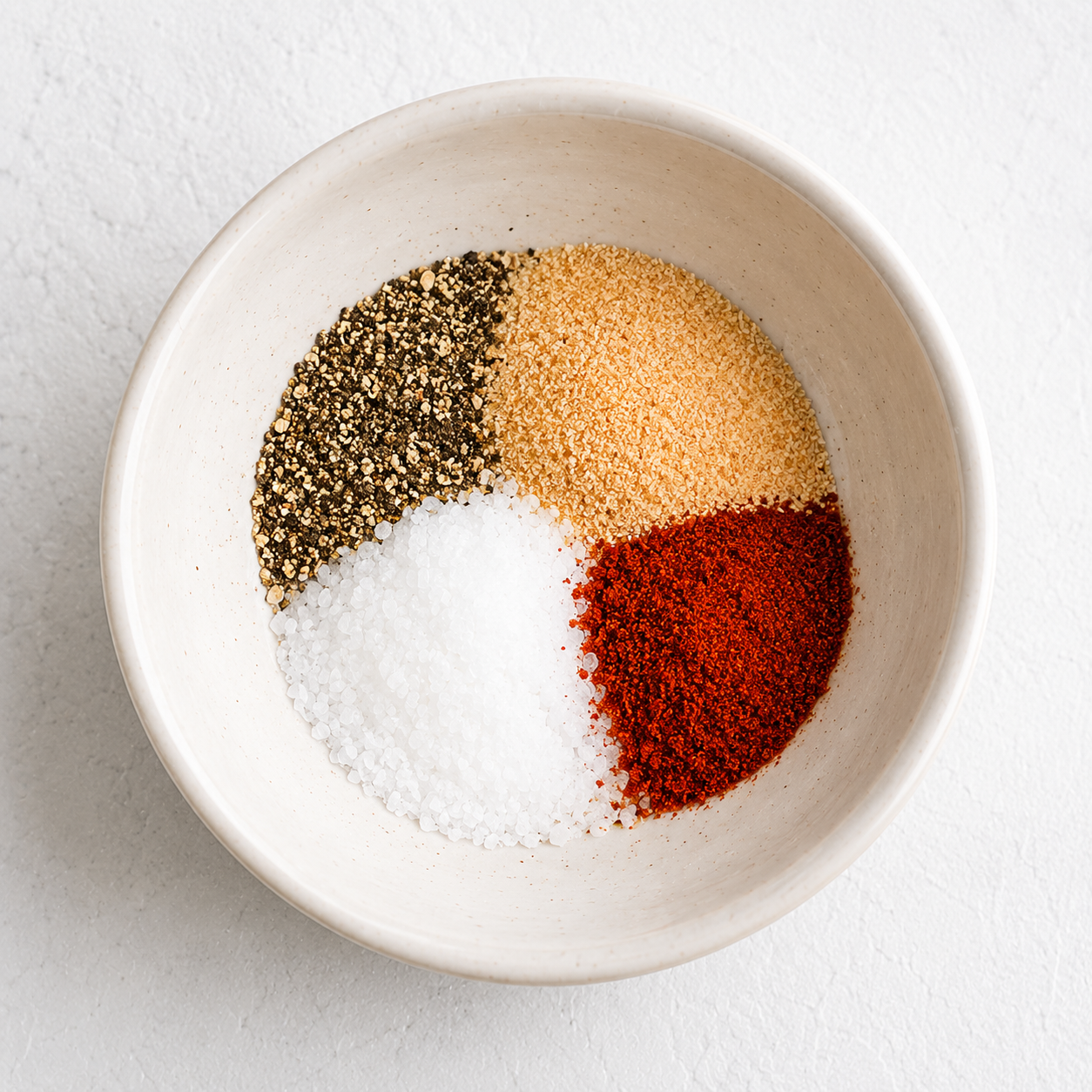
The preparation begins with the application of a dry rub. Culinary experts suggest a blend comprising Kosher salt, freshly cracked black pepper, garlic powder, onion powder, and smoked paprika. The inclusion of smoked paprika is particularly notable, as it provides a phenolic compound profile that simulates the aroma of wood-fired cooking.
The chronological sequence for an ideal medium-rare result is as follows:
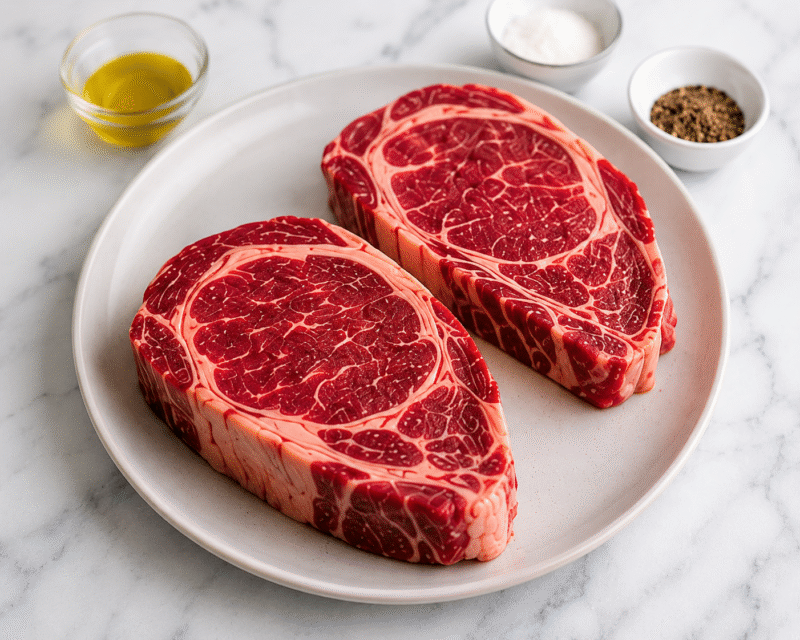
- Preparation (0–30 minutes): Steaks are brought to room temperature to ensure even heat penetration. The surface is patted completely dry to prevent moisture from creating steam rather than a crust.
- Seasoning (30–35 minutes): The spice rub is applied to all sides.
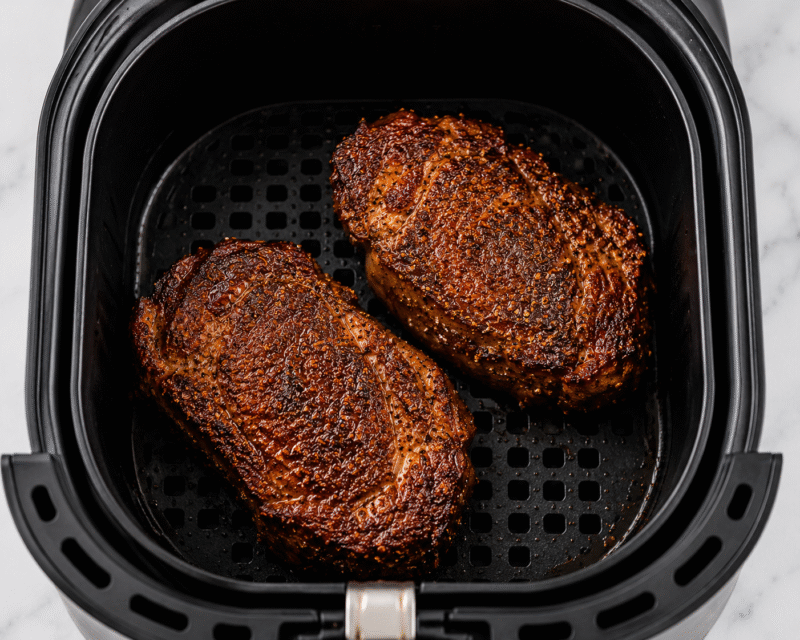
- Primary Cooking (35–40 minutes): The steak is placed in the air fryer basket at 400°F. A small amount of water—approximately one tablespoon—is added to the bottom tray to catch fat drippings, effectively mitigating smoke production.
- The Flip (40 minutes): The steak is rotated to ensure the underside receives direct heat exposure.
- Final Cooking (40–45 minutes): The steak completes its cycle, aiming for a target internal temperature of 130°F to 135°F for medium-rare.
- Resting (45–50 minutes): The meat is removed and allowed to rest for five minutes, allowing muscle fibers to reabsorb rendered juices.
Nutritional and Structural Data
The ribeye is defined by its intramuscular fat, known as marbling. In a laboratory or high-end kitchen setting, this fat is the primary driver of flavor and texture. When the steak is cooked in an air fryer, the accelerated heat renders this fat more efficiently than traditional roasting.
Data regarding internal temperatures confirms the following safety and quality benchmarks:
- Rare: 125°F to 130°F (8–9 minutes)
- Medium-Rare: 130°F to 135°F (10 minutes)
- Medium: 140°F to 145°F (11–12 minutes)
- Medium-Well: 150°F to 155°F (13–14 minutes)
It is a standard industry recommendation that the meat be pulled from the heat approximately 5 degrees before reaching the target temperature, as carryover cooking—the thermal energy continuing to travel through the meat after removal from the heat source—will bring the internal temperature to the desired level.
Comparative Analysis of Cooking Methods
Historically, home cooks were cautioned against using any method other than high-heat searing for ribeye, fearing that a lower or indirect heat would result in a gray, unappealing exterior. However, the rise of the air fryer provides a compelling counter-argument.
Unlike the microwave, which uses electromagnetic radiation to agitate water molecules and often results in rubbery, unevenly cooked meat, the air fryer uses convection. This provides a consistent, dry environment that is superior for protein structure. Compared to outdoor grilling, the air fryer offers a controlled atmosphere that is less susceptible to external variables such as wind, ambient temperature, or fuel quality. This consistency makes it a favored method for precision-oriented home chefs who prioritize repeatable results.
Implications for Home Culinary Practices
The shift toward air-fried steak represents a broader democratization of culinary techniques. By removing the technical barriers associated with managing high-heat pans or charcoal fires, the air fryer allows for a high success rate among amateur cooks.
From an economic perspective, the ability to achieve professional-level results at home reduces the reliance on restaurant dining for premium cuts like ribeye. This has prompted a surge in consumer interest in high-quality, pre-portioned beef cuts available at retail grocers. Furthermore, the efficiency of the air fryer—which generally requires less pre-heating time than a conventional oven—aligns with contemporary demands for rapid, energy-conscious meal preparation.
Operational Recommendations and Maintenance
Industry experts emphasize that the success of this method is heavily dependent on not overcrowding the appliance. If the air fryer basket is overloaded, the hot air circulation is impeded, leading to the meat steaming in its own juices. This results in a loss of texture and a failure to develop a proper sear.
Furthermore, the maintenance of the appliance is critical when cooking high-fat proteins. The accumulation of grease in the bottom of the air fryer can be a fire hazard if not managed. The aforementioned practice of adding a small amount of water to the base of the unit serves a dual purpose: it prevents smoke by cooling the drippings and makes the cleanup process significantly more manageable.

Broader Impact on Meal Planning
The adoption of the air fryer for steak preparation has integrated seamlessly into modern meal planning. Because the cooking time is predictable and relatively short—averaging under 15 minutes—it allows for the coordination of side dishes that share similar temperature requirements. Asparagus, for instance, can be prepared alongside the steak, optimizing the total energy usage of the kitchen.
The longevity of these leftovers is also a factor. Properly stored in an airtight container, air-fried ribeye maintains its structural integrity for up to four days in a refrigerated environment. For reheating, the air fryer remains the superior choice, as 3 to 4 minutes at 350°F can refresh the crust without significantly altering the interior temperature, a feat that is rarely achieved by conventional microwave reheating.
In summary, while traditionalists may continue to advocate for the ritual of the grill, the data and practical applications of air-fried ribeye suggest that this method is a scientifically sound, highly efficient, and reliable alternative. As the technology behind these appliances continues to evolve, the integration of such methods into standard home culinary practices appears to be a permanent development in the landscape of modern cooking.