Home Sweet Homecoming: Essential Preparations for Welcoming Your Newborn


Bringing a baby home from the hospital marks one of life’s most profound and transformative milestones. It is a moment steeped in anticipation, joy, and a touch of trepidation, as parents embark on an extraordinary journey of nurturing a new life. While the emotional readiness is paramount, practical preparedness plays an equally critical role in ensuring a smooth, safe, and comfortable transition for both the newborn and the parents. This comprehensive guide outlines the indispensable items and strategic preparations necessary to create a welcoming sanctuary for your newest family member.
I. The Foundation of Safety: Car Seats and Secure Transit
The journey home from the hospital is the baby’s inaugural ride, and ensuring their safety during this critical trip is non-negotiable. A properly installed car seat is not merely a convenience but a legal and vital safety requirement, safeguarding the infant from potential road hazards. The U.S. National Highway Traffic Safety Administration (NHTSA) consistently highlights that correct car seat usage can reduce the risk of fatal injury by 71% for infants.
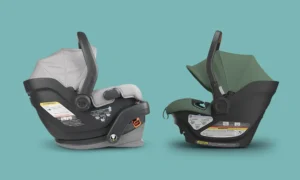
Choosing the Right Seat: New parents typically face a choice between an infant-only car seat and a convertible car seat. Infant-only seats are designed exclusively for newborns and typically accommodate weights from 4 to 35 pounds, featuring a convenient carrying handle and a base that remains in the vehicle. This allows parents to easily transfer a sleeping baby from car to stroller or home without disturbing them. Convertible car seats, on the other hand, offer longevity, transitioning from rear-facing (for infants and toddlers) to forward-facing (for older children) and sometimes even to a booster seat, accommodating children up to 65 pounds or more. This multi-stage functionality, exemplified by models like the Maxi Cosi Pria, offers a cost-effective solution for a child’s first decade of travel.
Installation and Expertise: Regardless of the type chosen, proper installation is paramount. Studies from the American Academy of Pediatrics (AAP) indicate that a significant percentage of car seats are installed incorrectly, compromising their effectiveness. Parents are strongly advised to have their car seat installation checked by a certified Child Passenger Safety Technician (CPST) well before the baby’s arrival. These experts can ensure the seat is securely fastened using either the vehicle’s LATCH system (Lower Anchors and Tethers for Children) or the seatbelt, and that the harness straps are adjusted correctly for a newborn. It is recommended to install the car seat base and familiarize both parents with its features several weeks before the estimated due date, eliminating last-minute stress.
Innovations in Car Seat Technology: The market continuously evolves, introducing innovations that enhance both safety and convenience. Features like anti-rebound bars and load legs are becoming more common, designed to reduce rotation and absorb impact forces in a crash. Sensor technology, which alerts parents if a child is left in a hot car or if the harness is unbuckled, adds an extra layer of protection. The Doona car seat, for instance, represents a significant leap in convenience, seamlessly transforming from an infant car seat to a compact stroller with the click of a button, simplifying transitions from car to street for urban parents or those frequently on the go.
II. The First Impression: The "Take Me Home" Outfit
While safety is paramount, the "take me home" outfit serves a different, yet equally cherished, purpose: marking the baby’s first public debut and creating an indelible memory for the family. This special ensemble transcends mere clothing; it symbolizes the beginning of a new chapter and often becomes a treasured keepsake.
Tradition Meets Modernity: For generations, parents have gravitated towards classic, timeless styles for this momentous occasion. Brands like Feltman Brothers have cultivated a legacy spanning over a century, offering intricately designed "Take Me Home Gowns" with woven details, delicate hand-embroidery, smocking, and matching bonnets. These pieces evoke a sense of vintage elegance and tradition, providing beautiful photo opportunities that capture the innocence of infancy. For those seeking a blend of comfort and classic charm, Feltman Brothers also offers premium cotton layette sets and luxurious knit rompers or wrap sets, complete with coordinating bonnets and blankets. These modern options prioritize softness and ease of dressing while retaining an elegant aesthetic.
Material Considerations and Practicality: When selecting the outfit, comfort and practicality for the newborn should be prioritized alongside aesthetics. Soft, breathable fabrics like premium cotton or gentle knits are ideal, as a newborn’s skin is incredibly delicate. Features such as easy-access snaps or magnetic closures can simplify diaper changes, a frequent necessity. Parents also consider the season of birth; a warmer, layered outfit might be needed for winter babies, while a lighter fabric is suitable for summer.
Planning Ahead: It is prudent to purchase the "take me home" outfit before birth. If the baby’s gender is known, parents can select from an array of beautiful pink or blue options. For those keeping the gender a surprise, many elegant neutral styles are available, ensuring preparedness without revealing the secret. This pre-planning allows parents to focus on the arrival itself, rather than last-minute shopping.
III. Crafting the Nurturing Environment: The Prepared Nursery and Safe Sleep Solutions
The nursery is more than just a room; it is the sanctuary where a baby will spend a significant portion of their early life, fostering growth, rest, and initial explorations. Crafting a beautiful, cozy, and well-stocked nursery is a cornerstone of preparing for homecoming.
Core Furniture Essentials: At the heart of the nursery is the crib, which must meet current safety standards established by organizations like the Consumer Product Safety Commission (CPSC). Key features include a firm mattress that fits snugly without gaps, adjustable mattress heights, and no drop-side rails. A comfortable glider or rocking chair provides a dedicated space for feeding, comforting, and bonding. A dresser, often doubling as a changing station with the addition of a changing pad, offers essential storage for clothing and diapering supplies.
Safe Sleep Practices: Central to nursery preparation is adherence to safe sleep guidelines, primarily those promoted by the AAP to reduce the risk of Sudden Infant Death Syndrome (SIDS). These guidelines recommend that infants sleep on their backs on a firm, flat surface, free from loose blankets, bumpers, pillows, or stuffed animals. Room sharing (keeping the baby’s sleep space in the parents’ room) for the first six to twelve months is also recommended, as it has been shown to decrease SIDS risk by up to 50%.
Bassinets for Early Months: For parents opting for room sharing, a bassinet is an invaluable addition for the initial months. Placed beside the parents’ bed, it offers easy access for nighttime feedings and comforting while providing the baby with their own safe sleep space. Modern bassinets, such as the Halo BassiNest, often feature swivel capabilities, adjustable heights, and built-in soothing functions like vibration, white noise, or lullabies, designed to help babies fall asleep faster and stay asleep longer. Its 2-in-1 design, converting from a bassinet to a portable nest, adds versatility for use around the house.
Stocking Up on Essentials: Beyond furniture, a well-stocked nursery ensures convenience and minimizes urgent trips to the store. Closets and drawers should be filled with an ample supply of outfits (as "blow-outs" are a common occurrence), undershirts, mittens (to prevent scratching), socks, and a variety of sleep sacks and swaddles. Other critical items include diapers in multiple sizes, wipes, diaper cream, burp cloths, crib sheets, and gentle baby-specific bath and skincare products. Many of these items are gender-neutral, allowing for preparation even if the gender is unknown.
IV. Mobility and Exploration: Selecting the Ideal Stroller
A stroller is more than just a means of transport; it’s a gateway to exploration, fresh air, and maintaining a sense of normalcy for new parents. Choosing the right stroller involves carefully considering one’s lifestyle, environment, and the baby’s evolving needs.
Matching Stroller to Lifestyle: The stroller market offers a vast array of options, each designed to cater to specific parental preferences. For urban dwellers navigating busy streets and public transport, a sturdy, yet nimble, full-size stroller is often preferred. Models like the Bugaboo Fox5 are engineered for superior maneuverability, excellent suspension, and robust construction, providing a smooth ride over varied cityscapes while accommodating daily errands and longer walks. These strollers often feature ample storage, adjustable handlebars, and reversible seats.
Jogging and All-Terrain Strollers: Active parents who enjoy running, hiking, or traversing uneven terrain will find a jogging or all-terrain stroller to be a worthwhile investment. These strollers are characterized by their larger, air-filled tires, superior suspension systems, and often a fixed front wheel (or a lockable swivel wheel) for enhanced stability at higher speeds. The Bumbleride Indie, for example, is highly regarded for its smooth push and comfortable ride, making it suitable for both rugged trails and everyday use.
The "Wait and See" Approach vs. Pre-Planning: While many parents research and purchase a stroller before birth, some find it challenging to make such a significant decision without understanding their family’s post-arrival lifestyle. Some opt for a basic car seat and stroller frame combo initially, waiting to invest in a more specialized stroller once they better understand their routines. However, for those who prefer to be fully prepared, consulting with certified baby gear experts can provide invaluable, honest guidance to navigate the often-pricey investment of a quality stroller. Considerations like foldability, weight, compatibility with car seats (forming a travel system), and longevity should all be factored into the decision.
V. The Broader Spectrum of Preparedness: Beyond the Essentials
While car seats, outfits, nurseries, and strollers form the core of homecoming preparations, a comprehensive approach encompasses several other vital categories that contribute to the baby’s well-being and parental peace of mind.
Feeding Supplies: Whether parents choose breastfeeding, bottle-feeding, or a combination, having the necessary supplies on hand is crucial. For breastfeeding mothers, a comfortable nursing pillow, breast pump (manual or electric), milk storage bags or bottles, and nursing bras are essential. Bottle-feeding requires a selection of bottles, nipples, a bottle brush, and a sterilizer or dish soap specifically designed for baby items. Having formula samples or a preferred brand on hand ensures readiness for any feeding scenario.
Bathing and Hygiene: A dedicated infant bathtub, designed to safely cradle a newborn, is a must. Gentle, tear-free baby shampoo and body wash, soft hooded towels, and a soft-bristled baby brush are also key. Understanding how to perform a sponge bath until the umbilical cord stump falls off, and then transitioning to full baths, is part of parental education.
Health and Wellness Kit: A basic baby health kit should include a reliable digital thermometer, infant nail clippers or a soft emery board, a nasal aspirator (bulb syringe or FridaBaby NoseFrida), and infant-safe saline drops. Parents should also consult their pediatrician regarding any over-the-counter infant medications (e.g., infant Tylenol) and when it is appropriate to use them. Keeping pediatrician’s contact information readily accessible is also advisable.
Postpartum Recovery for Parents: It’s critical not to overlook the parents’ needs, particularly the birthing parent’s postpartum recovery. Preparing essentials such as comfortable clothing, perineal care items (pads, peri bottle, witch hazel pads), and easy-to-prepare meals in advance can significantly ease the physical and emotional demands of the "fourth trimester." A well-supported parent is better equipped to care for a newborn.
Support Systems: Beyond material items, establishing a robust support system is invaluable. This includes family and friends who can offer practical help (meals, errands, childcare for older siblings) or emotional support. Knowing reliable local resources, such as lactation consultants, postpartum doulas, or parenting support groups, can provide crucial assistance during challenging moments.
VI. Navigating the Market: Expert Guidance and Retailer Support
The sheer volume and variety of baby products can be overwhelming for expectant parents. Navigating this vast market effectively often requires expert guidance and reliable retail partners.
PishPosh Baby: A Hub for Gear: Retailers like PishPosh Baby position themselves as comprehensive destinations for baby gear, offering a wide selection of strollers, car seats, cribs, and other essentials. Their value proposition extends beyond mere product availability, emphasizing personalized 1-on-1 service from certified experts. These specialists stay abreast of the latest innovations, safety standards, and product features, helping parents make informed decisions tailored to their specific needs and lifestyles. PishPosh Baby also sweetens the deal with practical perks such as their PO$H Dollars program, which allows customers to earn 15% of each purchase towards future buys, along with frequent online/in-store sales, tax-free orders, and free shipping. This combination of expert advice and financial incentives aims to make the purchasing process smoother and more rewarding.
Feltman Brothers: Heritage in Apparel: For the specialized niche of "take me home" outfits and classic baby apparel, Feltman Brothers has maintained its esteemed reputation for over a century. Their commitment to intricate details like hand-embroidery, smocking, pintucks, and lace sets their garments apart, offering parents a timeless aesthetic. Beyond their traditional woven collection, Feltman Brothers also provides modern options in knit, velour, and premium cotton layette, ensuring a style for every preference. Their longevity in the market speaks to their consistent quality and appeal. Engaging with their brand through their reward program, social media channels, and email/SMS signup provides access to exclusive promotions and new product launches, enhancing the shopping experience.
The Value of Expert Advice: The implication of partnering with knowledgeable retailers is significant. It reduces the stress associated with product research, ensures compliance with safety guidelines, and often leads to more suitable and durable purchases. This informed approach not only saves time and money in the long run but also contributes directly to the safety and comfort of the newborn, affirming that a well-chosen product is an extension of thoughtful parental care.
VII. Chronology of Preparation: A Phased Approach
Effective preparation for a newborn’s arrival is best approached systematically, often aligning with the trimesters of pregnancy.
First Trimester (Weeks 1-12): This early stage is ideal for initial research and conceptualization. Parents can begin brainstorming nursery themes, researching major purchases like cribs and car seats, and establishing a preliminary budget. Creating a baby registry can also start, allowing time for adjustments and additions.
Second Trimester (Weeks 13-27): The "honeymoon phase" of pregnancy is often when energy levels are higher. This is the prime time for making significant purchases: ordering the crib, dresser, and car seat. Nursery setup can begin, including painting, furniture assembly, and basic decor. The baby registry should be finalized and shared with friends and family. Parents might also consider booking a car seat installation check appointment.
Third Trimester (Weeks 28-40): As the due date approaches, the focus shifts to practical readiness. The car seat should be professionally installed and tested in the vehicle. The "take me home" outfit should be washed and set aside. The hospital bag for both parents and baby should be packed. The nursery should be fully stocked with diapers, wipes, clothing, and all necessary consumables. Any remaining baby gear, such as a bassinet or stroller, should be assembled and ready for use. It’s also a good time to prepare the home by stocking the pantry with easy meals, doing a deep clean, and setting up support systems.
Just Before Birth: A final walk-through of the nursery and home readiness, ensuring everything is in its place. Confirming communication plans with family and friends for when labor begins. A relaxed environment, as much as possible, is key for the expectant parents.
VIII. The Psychological and Emotional Landscape of Homecoming
Beyond the tangible items, the psychological and emotional preparedness for a newborn’s homecoming is equally vital. The transition into parenthood is profound, marked by immense joy but also significant adjustments.
Anticipation and Reality: While anticipation builds throughout pregnancy, the reality of round-the-clock infant care can be a shock. Understanding that the first few weeks will be a period of intense learning, sleep deprivation, and emotional fluctuation can help manage expectations.
Bonding and Attachment: A calm, prepared home environment facilitates early bonding and attachment. When parents are not constantly scrambling for supplies or worried about safety, they can devote more energy to connecting with their newborn through skin-to-skin contact, feeding, and gentle interactions. This early period is crucial for establishing secure attachment, which forms the foundation for a child’s emotional development.
Minimizing Stress: The act of thorough preparation itself is a powerful tool for reducing parental stress and anxiety. Knowing that essential items are in place, safety measures are taken, and a comfortable environment awaits the baby fosters a sense of confidence and control during an otherwise overwhelming time. This preparedness allows parents to embrace the wonder of their newborn without being constantly distracted by logistical concerns.
The "Fourth Trimester": This term refers to the first three months after birth, a critical period for both the baby’s adaptation to the outside world and the parents’ physical and emotional recovery. Understanding the unique needs of this phase – frequent feedings, constant comforting, and immense parental fatigue – enables parents to seek and accept help, prioritize rest, and be gentle with themselves during this demanding but beautiful time.
Conclusion
Bringing a newborn home is an unparalleled experience, a tapestry woven with love, hope, and new beginnings. While no amount of preparation can fully capture the unpredictable nature of parenthood, a well-thought-out strategy for essential items and a nurturing environment can significantly smooth the transition. From the crucial safety of a properly installed car seat to the symbolic comfort of a "take me home" outfit, and from a meticulously prepared nursery to the convenience of a suitable stroller, each element contributes to a foundation of care. By leveraging expert advice from specialized retailers and adhering to recommended safety guidelines, parents can empower themselves, minimize stress, and fully embrace the profound joy of welcoming their precious new family member into a prepared, loving home.