Advancing the Frontiers of Type 1 Diabetes Research: An Inside Look at Breakthrough T1D-Funded Innovation and Young Adult Advocacy

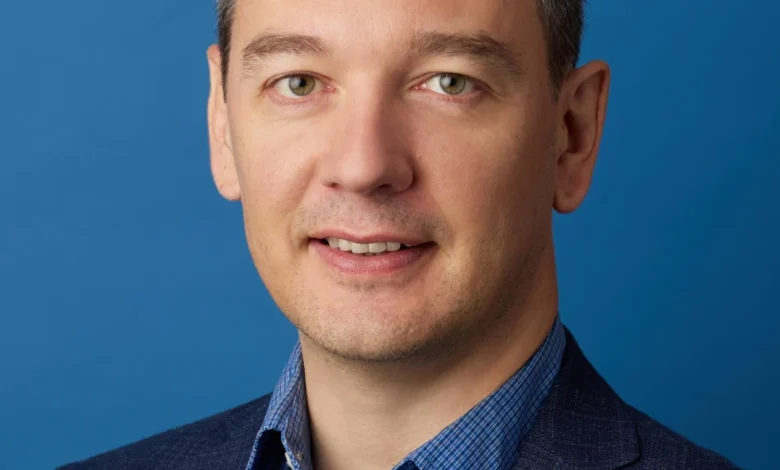
The landscape of type 1 diabetes (T1D) research is undergoing a quiet yet profound transformation, driven by targeted funding mechanisms and the tireless energy of a new generation of scientists and advocates. At the forefront of this movement is Breakthrough T1D, a preeminent global health organization dedicated to funding promising clinical, technological, and biological innovations. Recently, the organization’s Young Adult Advocacy Council (YAAC) spearheaded an exclusive interview series, bridging the gap between bench science and the patient community. By spotlighting principal investigator Dr. Remi Creusot and postdoctoral fellow Dr. Camillo Bechi Genzano of Columbia University, the initiative offers an intimate look at the human dedication, scientific rigor, and collaborative momentum powering modern T1D research.
The Genesis of Breakthrough T1D’s Youth-Led Advocacy
For decades, philanthropic funding has served as the lifeblood of medical breakthroughs, particularly for complex autoimmune conditions like T1D. Breakthrough T1D has consistently channeled financial resources into high-risk, high-reward projects spanning underlying genetic causes, advanced glucose-monitoring technologies, clinical trials, and cell-based cures. However, the organization’s approach extends beyond traditional grant-making by actively cultivating grassroots leadership among young adults impacted by or passionate about the disease.
The recent interview series was conceived and conducted by dedicated members of the YAAC Research and Advancements Committee: Michaela Weiss, a former intern in Dr. Creusot’s laboratory, and Cameron Crouse, a prominent YAAC leader currently pursuing a doctoral degree in T1D research under the mentorship of Breakthrough T1D-funded scientist Dr. Cherie Stabler at the University of Florida. This unique interviewer-interviewee dynamic underscores a broader institutional strategy: empowering young minds to steer the narrative, engage with leading scientists, and build a cohesive community dedicated to eradicating T1D.

Personal Motivations Meet Scientific Precision
Understanding what drives researchers to dedicate their professional lives to T1D reveals the multifaceted nature of modern biomedical science. Dr. Remi Creusot, a principal investigator at Columbia University whose laboratory focuses on immune system modulation, admits that he did not enter the field due to a personal family connection. Rather, he was drawn to the profound clinical need and the intellectual challenge of untangling the autoimmune destruction of insulin-producing beta cells. Over time, however, his immersion in the community cemented his lifelong commitment.
Conversely, Dr. Camillo Bechi Genzano’s journey is deeply personal. Diagnosed with T1D at the age of twelve, Dr. Bechi Genzano experienced firsthand the rigors of managing the condition prior to the widespread availability of continuous glucose monitors (CGMs) and automated insulin delivery systems. Trained clinically as an endocrinologist, he made the deliberate transition to pre-clinical research, joining Dr. Creusot’s laboratory to investigate the immunological roots of the disease. This dual perspective—combining lived experience with clinical and laboratory expertise—imbues his research with an acute sense of urgency and pragmatism.
Inside the Lab: Re-Educating the Immune System
The core of the research conducted by Drs. Creusot and Bechi Genzano centers on a fundamental biological paradox of T1D: the immune system loses its tolerance toward self-tissue, specifically targeting and destroying the insulin-producing beta cells within the islets of Langerhans.

Traditional immunotherapies, such as teplizumab, often take a broad approach by targeting nearly all T cells to halt disease progression. While effective at delaying clinical onset, these systemic approaches can carry broad immunological consequences. In contrast, the Breakthrough T1D-funded project led by Dr. Bechi Genzano—aptly titled “Achieving Persistent Presentation of Multiple Disease-Relevant Antigens to Prevent Autoimmune Diabetes”—takes a precision-medicine approach.
Dr. Creusot outlines the team’s innovative methodology: utilizing hematopoietic stem cells, the bone marrow precursors responsible for generating all immune cells. By engineering these stem cells to express specific disease-relevant antigens, the body’s newly minted immune cells encounter these markers during their development and are re-educated to recognize them as benign components of the self rather than foreign invaders.
Crucially, this cell-based strategy leverages the patient’s own autologous cells. Consequently, it bypasses the need for harsh conditioning regimens—such as total body irradiation or intensive chemotherapy—that are typically required to clear bone marrow space for traditional donor stem cell transplants. Furthermore, it eliminates the requirement for lifelong systemic immunosuppression, a major hurdle in transplantation medicine. While this preventative approach is designed primarily to halt autoimmunity before or shortly after onset, researchers note it will likely serve as a foundational pillar to be combined future-forward with beta-cell replacement therapies or transdifferentiation techniques.
The Vital Role of Philanthropic Fellowship Support
For early-career researchers, the pathway from postdoctoral fellowship to independent principal investigator is fraught with financial uncertainty and competitive hurdles. Both researchers emphasize that funding from mission-driven organizations like Breakthrough T1D provides more than just monetary support; it offers stability, professional autonomy, and a profound sense of community.

Dr. Bechi Genzano notes that securing a multi-year fellowship grants young scientists the operational runway necessary to execute complex, long-term experimental designs without the constant distraction of short-term funding gaps. Furthermore, alignment with an advocacy-driven organization keeps the ultimate clinical translatability—the tangible impact on human lives—front and center.
Dr. Creusot echoes this sentiment, highlighting that institutional backing fosters a sense of belonging within the broader T1D ecosystem. For researchers without a personal diagnosis, this community integration reinforces the societal value of their daily bench work, bridging the psychological distance between abstract laboratory data and real-world clinical outcomes.
Broader Impacts, Scientific Realism, and the Path Forward
When asked what message they want the broader T1D community to understand about their work, both scientists emphasize the collaborative nature of contemporary medical research. No single laboratory or institution will uncover a universal cure in isolation. Instead, progress relies on a vast, interconnected matrix of scientific exploration—ranging from early-stage autoimmune prevention and risk screening for at-risk families to advanced beta-cell replacement strategies for individuals living with longstanding disease.
Reflecting on the past two decades of scientific advancement, Dr. Creusot expresses profound optimism. The exponential growth in genetic understanding, immunological mapping, and bioengineering has opened viable pathways for every stage of the disease continuum. While scientific discovery inherently moves with deliberate caution, the accumulation of diverse therapeutic options signals a turning point in how T1D may be managed, prevented, or eventually cured.

Engaging the Next Generation of Advocates and Scientists
As the interview series concludes, the dialogue pivots toward actionable engagement for the general public and aspiring scientists. Dr. Creusot underscores that foundational character traits—curiosity and perseverance—are the primary prerequisites for a career in research, supported by robust training grants and fellowships that ensure young talent can securely commit to the field.
Dr. Bechi Genzano offers a broader perspective on advocacy and involvement, noting that contributing to the T1D mission does not strictly require a PhD or a career in the laboratory. Whether through grassroots fundraising, community outreach, educational lab tours organized by organizations like Breakthrough T1D, or vocal patient advocacy, every contribution helps sustain the momentum toward cures. As Dr. Bechi Genzano succinctly observes, a solitary dream remains an aspiration, but a collective vision shared by a mobilized community transforms into clinical reality.
Related posts: