The Ultimate Dietitian-Approved Guide to Stocking Your First College Apartment Kitchen

Transitioning from a tightly managed university residence hall to an off-campus apartment marks a significant milestone in a student’s life, freeing them from the strict schedules of campus dining halls, residential advisors, and communal bathroom protocols. Yet, somewhere between unpacking the last storage bin and realizing the refrigerator is entirely bare, a sobering reality sets in: the immediate responsibility of self-sustenance. While students often oscillate between exhilaration and anxiety regarding their newfound culinary independence, parents frequently harbor concerns that their children will default to a diet reliant on instant noodles and caffeinated energy drinks. However, establishing a healthy, functional kitchen in a student rental does not require advanced culinary training, expensive equipment, or a luxury budget. With strategic planning, basic gear, and a well-curated inventory of foundational staples, transitioning from a meal-plan consumer to an independent cook becomes an achievable and rewarding endeavor.
The Evolution of Student Nutrition and Independence
The shift from campus dining halls to apartment living reflects a crucial developmental phase in young adulthood. Historically, college nutrition has been synonymous with late-night pizza delivery, highly processed snack foods, and caffeinated beverages consumed during study marathons. Public health data consistently indicate that the transition to college represents a high-risk period for poor dietary habits, often referred to by nutritionists as the "Freshman 15" phenomenon, which extends well into upperclassmen years as students take on domestic responsibilities for the first time.
When students move into off-campus housing, usually by their junior or senior year, they encounter a domestic landscape that demands active management of food procurement, safety, and preparation. Dietitians and public health advocates note that involving students in the systematic stocking of their kitchens fosters long-term health literacy. Rather than relying on restrictive rules, equipping students with a foundational understanding of pantry economics and basic food preparation transforms the kitchen from an intimidating space into a functional resource. Experience from student households demonstrates that when equipped with straightforward recipes and accessible ingredients, young adults readily embrace cooking, frequently incorporating vegetables and balanced macronutrients into their weekly routines.
Essential Kitchen Equipment: Quality Over Quantity
Outfitting a first apartment kitchen frequently leads to overspending on gadgets that ultimately collect dust in cabinets. Professional organizers and culinary instructors emphasize minimalism, asserting that students require significantly fewer cooking tools than standard registry lists suggest.
Must-Have Equipment
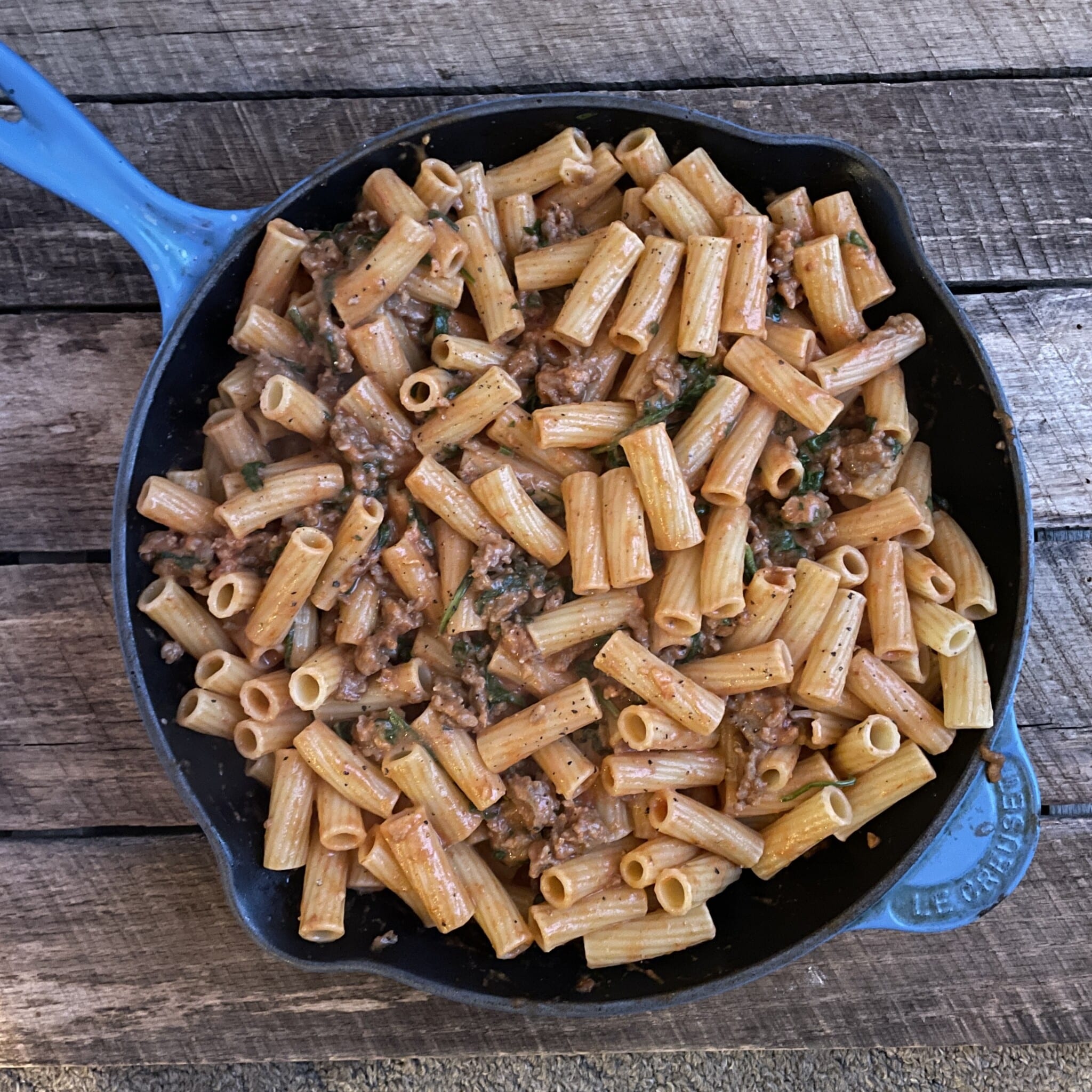
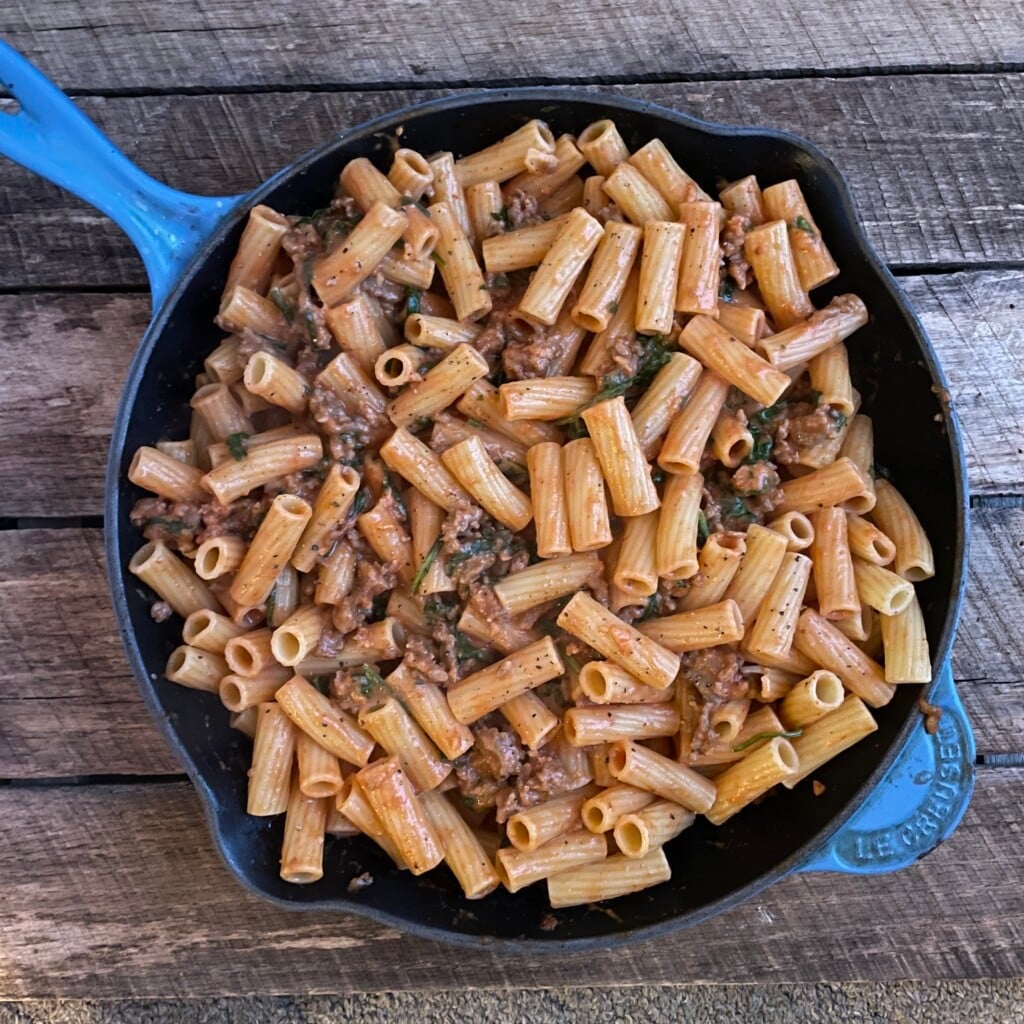
The absolute necessities for a functional student kitchen focus on versatility. A chef’s knife, paired with a durable cutting board, forms the cornerstone of food preparation. For cooking surfaces, a medium-sized skillet—preferably non-stick or cast iron for ease of maintenance—along with a medium pot for boiling pasta, grains, or soups, will cover the vast majority of basic recipes. Essential utensils include a spatula, a wooden spoon, measuring cups and spoons, a manual can opener, and a colander.
Conditional and Nice-to-Have Items
Depending on personal cooking preferences, certain appliances cross the threshold into practical necessities. A microwave-safe glass container set serves double duty for food storage and reheating leftovers. A basic baking sheet is indispensable for roasting vegetables or baking proteins. Meanwhile, items such as a blender for smoothies, a slow cooker for hands-off meal preparation, or a coffee maker fall into the "nice-to-have" category, subject to available counter space and personal budget constraints.
Equipment to Skip
To prevent clutter and financial waste, students should intentionally avoid single-use kitchen appliances. Unitaskers such as specialized quesadilla makers, egg boilers, single-serve panini presses, and fancy pastry tools occupy valuable storage space and offer a poor return on investment relative to a versatile skillet and oven. Furthermore, students should exercise caution with complex knife sets; a single, high-quality chef’s knife is vastly superior to a block of ten mediocre blades.
Budgeting and Smart Grocery Procurement
Managing food expenses is often the steepest learning curve for apartment-dwelling students operating on fixed budgets. Groceries represent a flexible household expense, making them a primary target for cost-cutting, though financial imprudence can quickly lead to food insecurity or excessive waste.
Financial analysts and consumer economists recommend adopting a tiered grocery shopping strategy. Discount supermarket chains, bulk-buying clubs shared among roommates, and local farmers markets offer significant savings compared to premium convenience stores. Establishing a baseline food budget—typically ranging from $50 to $80 per week depending on regional cost-of-living variations—helps structure purchasing habits.
To maximize financial efficiency, students are advised to plan meals around versatile ingredients that can span multiple dishes, thereby minimizing food spoilage. Buying store-brand staples, utilizing frozen fruits and vegetables as cost-effective and nutrient-dense alternatives to fresh produce, and prioritizing shelf-stable proteins significantly reduce weekly expenditures.
Building the Foundation: Pantry Staples
The backbone of any functional student kitchen resides in the pantry. Stocking dry goods and shelf-stable flavor enhancers gradually prevents the financial shock of buying an entire supermarket inventory on day one.
Grains and Carbohydrates
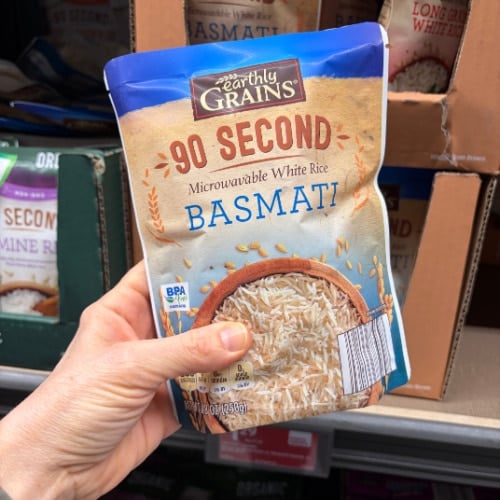
Complex carbohydrates provide sustained energy essential for academic performance. Essential grain staples include long-grain or brown rice, rolled oats for breakfast or baking, whole-wheat or standard pasta, and versatile tortillas or whole-grain bread. These items boast extended shelf lives and serve as the vehicle for countless quick meals.
Shelf-Stable Proteins
Protein sources that do not require immediate refrigeration are vital for budget-conscious students. Canned tuna, salmon, and chicken provide rapid, high-protein meal components. Additionally, dried or canned beans (such as black beans, chickpeas, and kidney beans) and lentils offer economical, fiber-rich plant-based protein options that can be transformed into soups, salads, or grain bowls.
Produce with Extended Shelf Life
While fresh berries and delicate greens spoil rapidly, several produce items withstand weeks of storage in a cool, dark cupboard. Onions, garlic, potatoes, sweet potatoes, and carrots provide aromatic and structural bases for stews, stir-fries, and roasted dishes. When purchasing fresh greens, students must remain vigilant regarding public health advisories; for instance, health authorities frequently issue handling warnings or temporary recalls on pre-washed bagged greens due to outbreaks of foodborne parasites like Cyclospora, making thorough washing or reliance on robust cooked vegetables a safer alternative.
Oils, Sauces, and Flavor Enhancers
Transforming basic ingredients into palatable meals relies on a modest collection of condiments and oils. Extra virgin olive oil or canola oil serves as the primary cooking medium. Vinegar (such as apple cider or balsamic), soy sauce, hot sauce, salsa, and marinara sauce instantly elevate plain grains and proteins.

Spices and Baking Essentials
A well-utilized spice rack prevents meals from becoming monotonous. Essential seasonings include kosher salt, black pepper, garlic powder, onion powder, cumin, and chili powder. For baking and light culinary customization, basic flour, granulated sugar or honey, and baking powder round out the pantry inventory.
Refrigerated and Frozen Essentials
While the pantry provides structure, the refrigerator and freezer supply fresh nutrients and rapid-assembly meal options for busy academic schedules.
Refrigerator Staples
Perishable items should be purchased in quantities that match consumption rates to prevent spoilage. Eggs are arguably the most versatile and economical refrigerator staple, serving as breakfast, dinner, or a protein booster for fried rice and ramen. Dairy or plant-based milks, a block of cheddar or feta cheese, and plain Greek yogurt provide calcium, probiotics, and versatile culinary applications. Condiments such as mustard, mayonnaise, and butter complete the cold storage inventory.
Freezer Staples
The modern student freezer is an underutilized asset for preventing food waste and ensuring quick meals during intense exam periods. Frozen vegetables—such as peas, corn, broccoli florets, and stir-fry medleys—are flash-frozen at peak ripeness, preserving their vitamin content while offering zero prep time and an indefinite freezer life. Frozen fruits, particularly berries and sliced bananas, provide instant smoothie ingredients. Additionally, keeping a loaf of sliced bread, pre-cooked proteins, or emergency frozen meals in stock ensures that a nutritious option is always available, even when academic pressures preclude grocery shopping trips.

Broader Impact and Nutritional Implications
The transition to independent apartment cooking carries profound implications for long-term health and dietary behavior. Nutritional epidemiologists note that culinary skill acquisition during early adulthood directly correlates with healthier eating patterns, lower consumption of ultra-processed foods, and reduced risks of diet-related chronic illnesses later in life.
By taking charge of their kitchen environments, students develop critical life skills encompassing financial literacy, time management, and nutritional awareness. Public health initiatives increasingly emphasize that basic home economics education should extend into higher education settings, empowering students to navigate food systems safely and affordably. Ultimately, a well-stocked college apartment kitchen is more than a collection of pots, pans, and groceries; it is a foundational space for self-reliance, physical well-being, and the successful transition into independent adulthood.