DiabetesSisters launches new outreach initiative to bridge the gap in chronic disease support for women

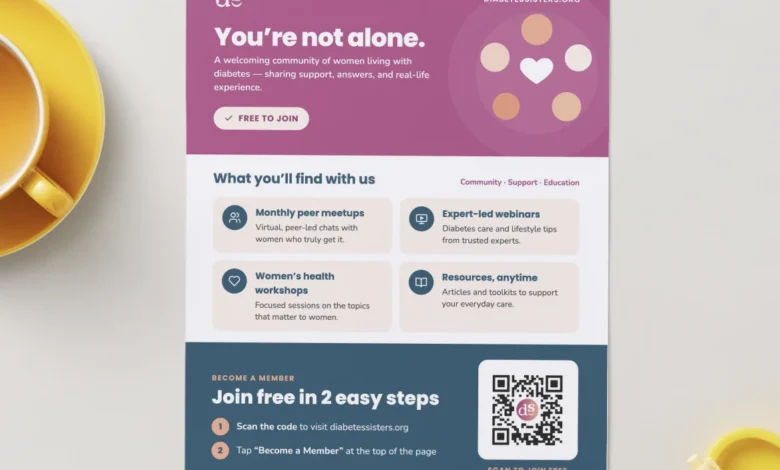
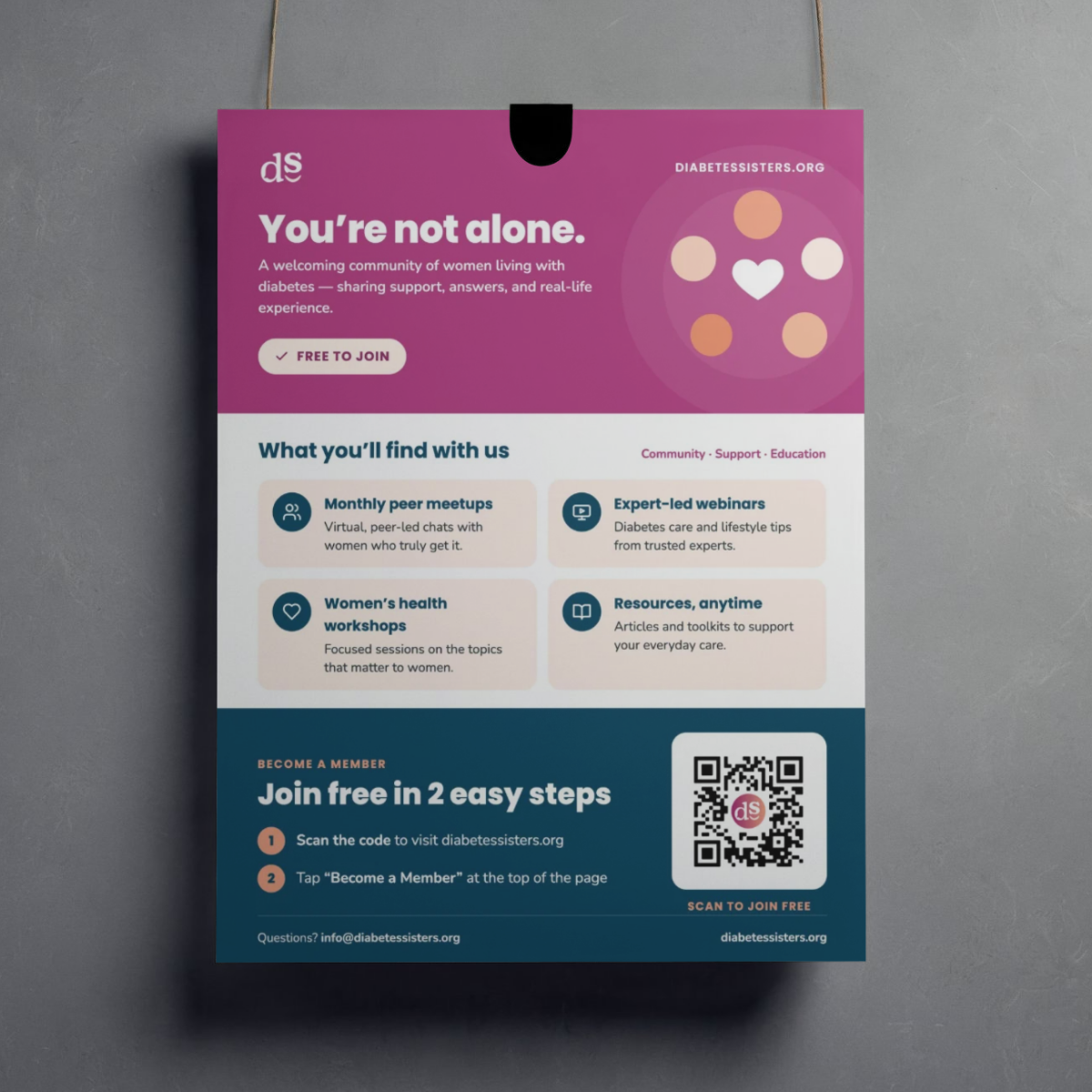
The landscape of chronic disease management has long been defined by clinical metrics, medication adherence, and blood glucose monitoring. However, as the medical community increasingly recognizes the psychosocial toll of diabetes, organizations like DiabetesSisters are pivoting toward community-driven support models. The organization recently released a new digital and printable flyer designed to streamline access to its comprehensive suite of resources, including virtual peer meetups, expert-led webinars, and specialized workshops. By utilizing a simplified QR-code integration, the initiative aims to dismantle the barriers to entry for women navigating the complexities of diabetes, whether they are newly diagnosed or long-term patients.
The Evolution of Diabetes Peer Support
Diabetes is a condition that requires constant vigilance, often referred to as "diabetes distress"—a documented psychological state characterized by feelings of burnout, anxiety, and isolation. For women specifically, the intersection of hormonal shifts, reproductive health, and daily insulin management creates a unique set of challenges. Historically, diabetes education was relegated to clinical settings—hospitals and endocrinologist offices—where time constraints often limited the depth of patient engagement.
DiabetesSisters was founded to fill this void by providing a non-clinical, peer-to-peer environment. The organization’s timeline began as a grassroots effort to connect women who felt marginalized by standard healthcare delivery. Over the last decade, the nonprofit has evolved from localized meetups to a robust, nationwide digital infrastructure. This latest flyer initiative represents a transition toward "micro-outreach," where physical assets in libraries, clinics, and community centers serve as conduits for digital engagement.
Supporting Data on Gender Disparities in Diabetes
The necessity for specialized women’s support is underscored by significant public health data. According to the Centers for Disease Control and Prevention (CDC), while the prevalence of diabetes is similar among men and women, the physiological and social experiences differ markedly. Women with diabetes often face a higher risk of cardiovascular complications and are statistically more likely to report symptoms of depression related to their condition than their male counterparts.
Furthermore, studies published in journals such as Diabetes Care have shown that peer support groups significantly correlate with improved Hemoglobin A1c (HbA1c) levels. The mechanism behind this success is twofold: social accountability and the reduction of stigma. By providing a forum where women can discuss the mundane frustrations of glucose testing or the complex anxieties of managing gestational diabetes, the organization serves as a supplemental tool that enhances the efficacy of traditional medical treatment.
Structural Integration and Accessibility
The new flyer is not merely an informational pamphlet; it is a tactical tool designed for integration into both private homes and public spaces. The inclusion of a QR code that redirects users directly to the "Become a Member" page of the DiabetesSisters website is a response to the "friction problem" in digital health. When patients are overwhelmed by their diagnosis, the administrative steps required to find support can feel insurmountable. By reducing the process to a single scan, the organization lowers the activation energy required for a patient to seek help.
For healthcare professionals, the flyer serves as a bridge between the clinical visit and the post-visit support environment. Endocrinologists, nurse practitioners, and certified diabetes educators often express that they lack the time to provide the emotional labor required for long-term psychological support. By keeping these flyers in waiting rooms or exam rooms, providers can effectively "prescribe" community support, knowing that the patient can access a network of thousands of other women who have walked the same path.
Chronology of the DiabetesSisters Mission
The organization’s growth reflects a broader shift in the digital health sector:
- 2008–2010: Initial formation of the nonprofit, focusing on the development of in-person peer support groups in major metropolitan areas.
- 2011–2015: Expansion of the digital footprint, launching virtual meetups to reach women in rural or underserved areas who lacked access to local chapters.
- 2016–2020: The rise of specialized webinars featuring endocrinologists, dietitians, and mental health professionals, establishing the organization as a credible source of health literacy.
- 2021–2023: Integration of advanced data-tracking features and resource hubs, helping members manage the specific intersections of diabetes and women’s health, such as PCOS, menopause, and pregnancy.
- 2024: The current phase, emphasizing community-based outreach via printed materials to ensure that those without constant digital connectivity are not left behind.
The Role of Peer Mentorship in Clinical Outcomes
Clinical professionals have increasingly begun to endorse the concept of "social prescribing." This practice involves referring patients to non-clinical community activities to support their mental and physical well-being. The DiabetesSisters model fits neatly into this paradigm. Peer mentorship allows for the transfer of "lived knowledge"—the kind of information that isn’t found in a textbook, such as how to manage a stubborn high-blood-sugar spike during a work meeting or how to navigate the social awkwardness of insulin pump alarms in public spaces.
Analysis of member engagement suggests that those who participate in monthly virtual meetups are more likely to report higher self-efficacy. Self-efficacy, in the context of diabetes, is the patient’s belief in their ability to manage their condition successfully. When a woman interacts with a peer who has successfully navigated similar challenges, her confidence increases, which in turn leads to more consistent self-care behaviors.
Broader Implications for Chronic Disease Management
The push for decentralized, community-led support signals a potential shift in how chronic diseases will be managed in the coming decade. As healthcare systems become increasingly strained by the volume of patients with metabolic disorders, the burden of education and support is shifting toward specialized patient advocacy groups.
The implications for the healthcare system are twofold:
- Reduction in Healthcare Costs: Patients who are well-supported are less likely to experience the acute complications of diabetes—such as diabetic ketoacidosis (DKA) or severe hypoglycemia—that lead to emergency room visits.
- Increased Health Equity: Organizations like DiabetesSisters are actively working to reach women who may be underserved by the traditional healthcare system, whether due to geographical location, lack of insurance, or language barriers.
By distributing information through local libraries and community centers, the organization is acknowledging that health literacy is a community effort. The flyer’s design, which encourages users to pass it to a friend, creates a "network effect." This peer-to-peer referral system is often more effective than traditional advertising, as it relies on the credibility of the person providing the recommendation.
Looking Ahead
As DiabetesSisters continues to refine its outreach, the focus remains on accessibility. The organization has noted that while digital tools are effective for many, there remains a segment of the population that responds better to tangible, physical reminders. The flyer, with its simple instructions and clear call to action, serves as a bridge between the physical and digital worlds.
For the individual living with diabetes, the flyer is a subtle but powerful reminder of visibility. Living with a chronic condition can often feel like an invisible struggle, performed in the privacy of one’s bathroom or office. By placing the flyer on a refrigerator or handing it to a peer, the message being sent is one of normalization. It declares that diabetes is not an identity to be carried alone, but a condition to be managed within a supportive, knowledgeable community.
The success of this initiative will be measured not just in new sign-ups, but in the retention and active participation of these members. If the organization can successfully leverage these grassroots outreach tools to foster deeper connections, it will solidify its role as an essential pillar of the diabetes support infrastructure. As the medical community moves toward a more holistic view of health, the integration of patient-led support groups will undoubtedly become a standard component of the comprehensive care plan for women living with diabetes.
By prioritizing the human element of medicine, DiabetesSisters continues to prove that while technology and medication are necessary for biological survival, it is connection that ensures the quality of life. The new flyer is, in essence, a starting point—a small piece of paper that carries the weight of a massive, supportive network, waiting for those who need it to simply scan and join.