Why should progress monitoring (PM) go hand-in-hand with your evidence-based reading instruction?

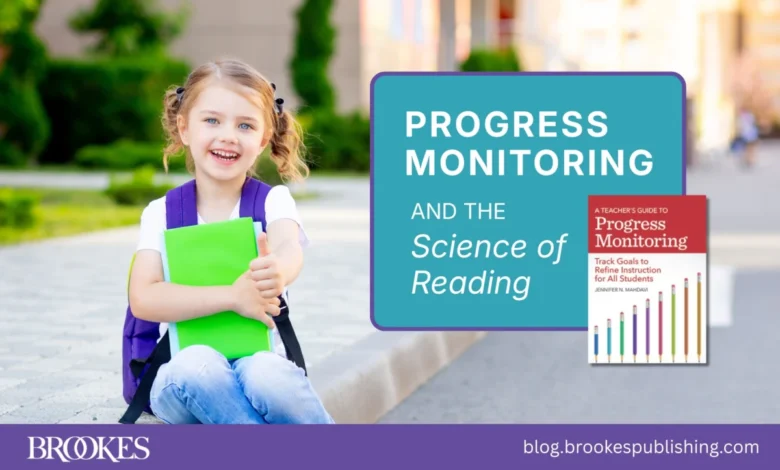
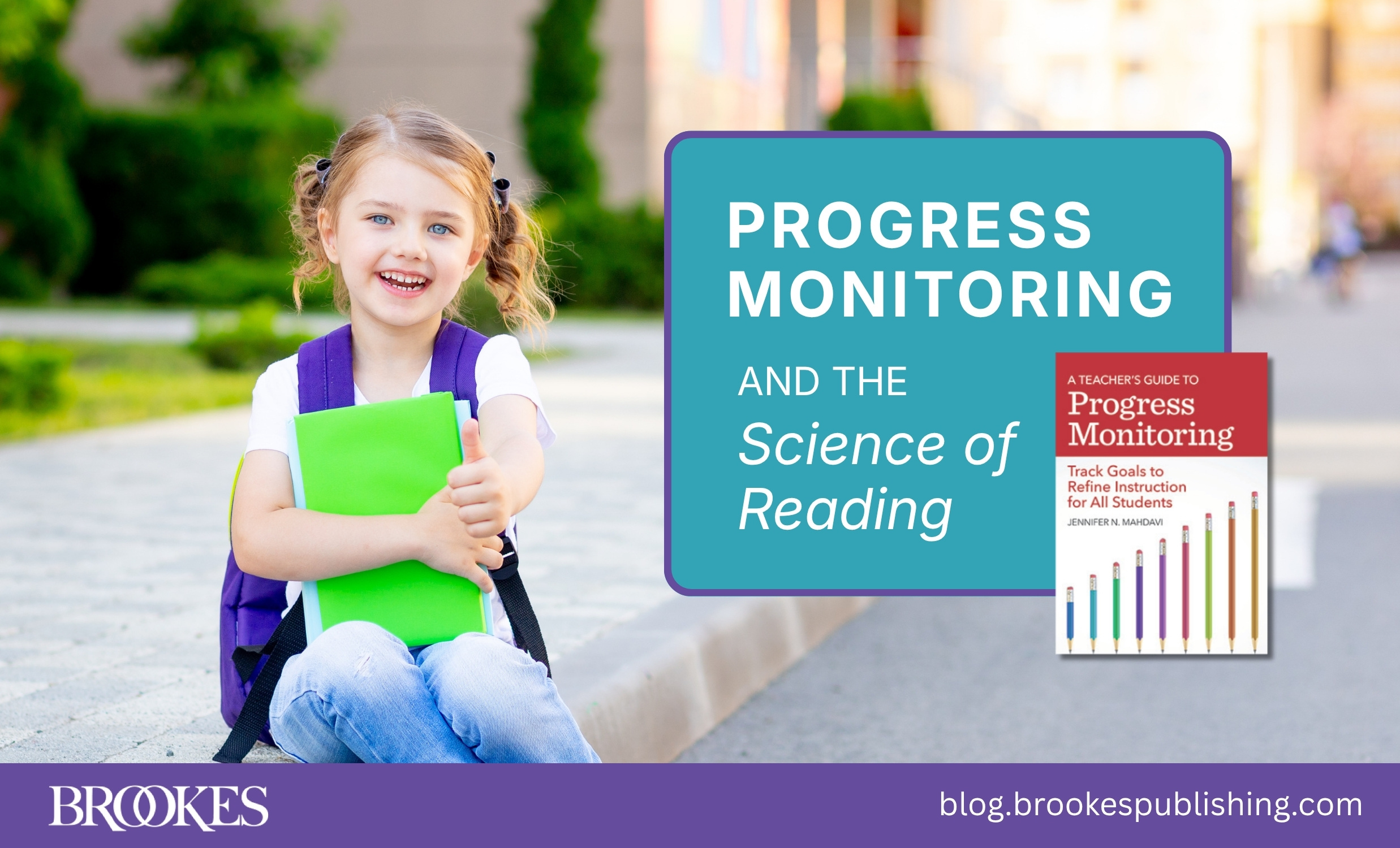
The landscape of American education has shifted dramatically over the past decade toward the Science of Reading (SOR), a comprehensive body of research that emphasizes systematic, explicit instruction in phonemic awareness, phonics, fluency, vocabulary, and comprehension. While many educators have successfully transitioned to these evidence-based practices, a critical component often remains underutilized: the integration of consistent, data-driven progress monitoring. Dr. Jennifer Mahdavi, a leading expert in the field and author of A Teacher’s Guide to Progress Monitoring, argues that the Science of Reading provides the "what" and "how" of instruction, but progress monitoring serves as the vital diagnostic compass that determines whether those methods are effectively meeting the needs of individual students.
The Science of Reading and the Accountability Gap
The Science of Reading is anchored in interdisciplinary research, drawing from cognitive neuroscience, linguistics, and educational psychology. The central tenet of this approach is that literacy is not an innate biological process but a skill set that requires explicit instruction for the majority of children. However, even within classrooms where high-quality, evidence-based curricula are implemented with fidelity, variability in student achievement persists.
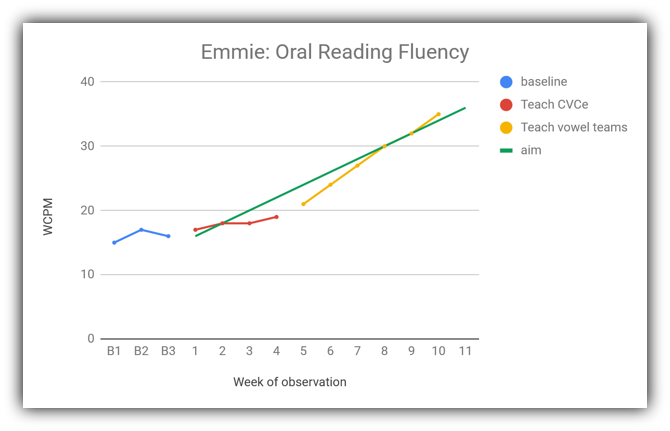
The challenge, as identified by educators and administrators alike, is the "instructional lag" that occurs when a student fails to respond to tier-one instruction. In a typical classroom scenario, a student—let’s call her Emmie—may participate in daily lessons, demonstrate engagement, and attend school regularly, yet still fail to reach proficiency benchmarks. Without a formal, frequent mechanism to measure progress, teachers are often forced to rely on subjective observations or summative assessments that occur too infrequently to drive immediate instructional change.
Chronology of Data-Based Decision Making
The implementation of progress monitoring follows a systematic, iterative cycle that transforms raw data into actionable instructional strategies. The chronology of this process typically involves four distinct phases:
- Baseline Establishment: Before an intervention begins, the educator must establish a reliable baseline. This involves administering standardized oral reading fluency (ORF) measures—typically three separate assessments—to determine the student’s current starting point in words read correctly per minute (WCPM).
- Formative Assessment and Charting: Once the baseline is established, weekly monitoring begins. These data points are plotted on a graph, creating a visual trajectory of the student’s performance over time. This stage is critical; it moves the conversation from vague intuition ("she is struggling") to empirical evidence ("she is reading 40 WCPM with a growth rate of 0.5 words per week").
- The Diagnostic Pivot: When the data indicates a plateau or a decline—often referred to as a "flat line" on the progress graph—the educator must transition from progress monitoring to diagnostic assessment. This is the "check-engine light" moment. While the progress monitor indicates a failure to thrive, a phonics screener or diagnostic inventory is required to identify the specific deficit, such as a lack of mastery in vowel teams or multisyllabic decoding.
- Instructional Modification: Based on the diagnostic findings, the educator modifies the intervention. If the data shows the student struggling with specific phonics patterns, the intervention is realigned to target those gaps. The cycle then repeats, with the progress monitor tracking whether the new instructional path is producing the desired acceleration.
The Economic and Academic Case for Monitoring
Data from the National Assessment of Educational Progress (NAEP) frequently highlights the urgent need for more responsive literacy instruction. With large cohorts of students consistently failing to meet "proficient" standards, the cost of inaction is high. According to the Annie E. Casey Foundation, students who do not read proficiently by the end of third grade are four times more likely to drop out of high school.
Progress monitoring acts as a safeguard against this long-term failure. By identifying non-responders early—often within weeks rather than months—educators can prevent the "Matthew Effect," a phenomenon in reading where the gap between high-performing and low-performing readers widens exponentially over time. When schools utilize consistent monitoring, they are not merely tracking grades; they are fulfilling a mandate to ensure that interventions are empirically effective for every learner.
Implications for Dyslexia Screening and Identification
The intersection of the Science of Reading and progress monitoring is particularly significant regarding the identification of students with dyslexia. Dyslexia is characterized by difficulties with accurate and/or fluent word recognition and by poor spelling and decoding abilities. Because these traits are language-based, they can often be remediated through intensive, systematic instruction.
However, many schools struggle with the early identification of dyslexia. Progress monitoring provides the longitudinal data necessary to differentiate between a student who requires more time to grasp a concept and a student whose profile suggests a neurobiological learning disability. When a student fails to progress despite high-quality, evidence-based instruction, the data provided by frequent monitoring serves as critical documentation for formal evaluations and individualized education program (IEP) teams.
Official Perspectives and Pedagogical Shifts
Educational experts, including Dr. Mahdavi, advocate for a shift in how teachers perceive assessment data. In many school districts, data is viewed as a compliance requirement—something to be filed away for administrative reporting three times a year. The "Science of Reading" framework, however, demands that data be viewed as a living, breathing tool for the educator’s laboratory.
"If you are going to be a scientist of reading instruction, you must treat your classroom as a research environment," says Dr. Mahdavi. "You are running experiments every day. The progress monitor is simply the tool that tells you whether your hypothesis about a student’s learning needs is supported by the results."
The implications of this shift are profound for professional development. Teachers are increasingly being trained not just in the delivery of reading programs, but in the analytical skills required to interpret growth charts and adjust instruction in real-time. This professional empowerment is essential for reducing teacher burnout and increasing student success rates, as it provides a clear, logical framework for solving the most difficult instructional challenges.
Conclusion: Sustaining the Momentum
The integration of progress monitoring with the Science of Reading is not a temporary trend, but a necessary evolution in pedagogical practice. As school districts continue to navigate the implementation of evidence-based literacy, the ability to pivot instruction based on objective data will define the next generation of academic success.
For the student, like Emmie, the difference between a classroom that utilizes progress monitoring and one that does not is the difference between being left behind and receiving the precise, targeted support needed to achieve fluency. By adopting a "scientist’s mindset," educators can ensure that no student remains invisible, and that every reading intervention is held to the highest standard of efficacy. As practitioners refine their ability to collect and interpret these metrics, the broader educational system moves closer to the goal of universal literacy, grounded in both the science of language and the rigor of data-based decision making.