Comprehensive 2026 American Diabetes Association Standards Reveal Updated Blood Sugar and A1C Guidelines for Clinical Management


The landscape of diabetes care and metabolic health monitoring has shifted following the official release of the 2026 American Diabetes Association (ADA) Standards of Medical Care in Diabetes. These updated guidelines establish precise benchmarks for normal, prediabetic, and diabetic blood glucose thresholds across various testing modalities, including fasting plasma glucose, postprandial measurements, and glycated hemoglobin (A1C) averages. Designed to assist clinicians, researchers, and patients, the updated matrix provides structured frameworks for navigating metabolic health, mitigating long-term complications, and tailoring treatment strategies to individual patient profiles.
Understanding the foundational metrics of glycemic control is essential for early intervention and effective chronic disease management. The 2026 ADA guidelines incorporate the latest clinical evidence to refine diagnostic criteria and therapeutic targets. Healthcare systems worldwide rely on these standardized values to diagnose metabolic disorders, evaluate treatment efficacy, and prevent severe acute and chronic complications associated with dysglycemia.
Fasting Blood Sugar: Diagnostic Criteria and Clinical Evaluation
Fasting blood sugar, clinically referred to as fasting plasma glucose (FPG), remains a primary diagnostic tool for identifying impaired glucose metabolism and diabetes mellitus. This metric requires an individual to abstain from caloric intake, consuming nothing except water for a minimum of eight consecutive hours. Standardly performed within a clinical laboratory or physician’s office using venous blood draws or certified venipuncture methods, fasting tests offer higher precision than home blood glucose meters, which are intended strictly for ongoing self-monitoring rather than initial diagnosis.
For individuals without diabetes, a normal fasting blood glucose level ranges from 70 to 99 milligrams per deciliter (mg/dL), equivalent to 3.9 to 5.5 millimoles per liter (mmol/L). To catch metabolic shifts early, the ADA recommends routine type 2 diabetes screening for all adults starting at age 35, with subsequent screenings every three years if results remain within normal limits. Earlier or more frequent testing is clinically indicated for individuals harboring established risk factors, such as clinical obesity, a familial history of type 2 diabetes, a personal history of gestational diabetes, or belonging to high-risk demographic populations, including African American, Latino, Asian American, Pacific Islander, and Native American communities.
When fasting glucose levels elevate to the range of 100 to 125 mg/dL (5.6 to 6.9 mmol/L), clinicians diagnose prediabetes. This state signals an impaired fasting glucose (IFG) condition that elevates the risk for developing overt type 2 diabetes, cardiovascular disease, and stroke. Fortunately, prediabetes is frequently reversible through structured lifestyle interventions, including sustained weight management, dietary modifications, and increased physical activity. Pediatric screening guidelines also mandate testing for children and adolescents presenting with obesity and additional risk factors starting at age 10 or the onset of puberty.
For non-pregnant adults actively managing diabetes, the ADA establishes a recommended fasting and pre-meal target range of 80 to 130 mg/dL (4.4 to 7.2 mmol/L). However, clinical protocols emphasize that these targets must be individualized based on patient age, life expectancy, comorbid health conditions, and vulnerability to severe hypoglycemia.
Postprandial Glycemia and After-Meal Monitoring
Blood glucose levels naturally fluctuate throughout the day, experiencing predictable elevations following the ingestion of nutrients, particularly carbohydrates. These postprandial spikes typically peak within one to two hours after the commencement of a meal before gradually returning to baseline levels.
In healthy adults without diabetes, post-meal blood glucose levels two hours postprandial remain strictly below 140 mg/dL (7.8 mmol/L). Clinical studies demonstrate that metabolically healthy individuals stay below this 140 mg/dL threshold approximately 95% to 99% of the time. Readings between 140 and 199 mg/dL suggest impaired glucose tolerance, indicative of prediabetes, while a random or post-meal reading of 200 mg/dL or higher in the presence of classic hyperglycemic symptoms points toward diabetes.
For individuals diagnosed with diabetes, the ADA sets an after-meal target of less than 180 mg/dL (10.0 mmol/L) measured one to two hours postprandial. Maintaining levels below this ceiling is particularly crucial for patients utilizing exogenous insulin therapy, as post-meal monitoring helps identify insulin dosing efficacy and prevents erratic glycemic variability.
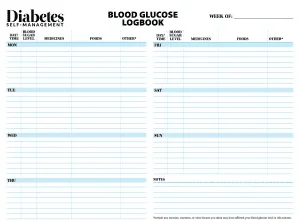
Postprandial glucose excursions are driven by multifaceted variables, including the total quantity and glycemic index of ingested carbohydrates, portion sizes, medication administration timing, physical activity levels, acute psychological or physiological stress, concurrent illness, and baseline sleep quality. Clinical dietitians utilize postprandial logs to help patients fine-tune nutritional strategies and smooth out daily glucose curves.
A1C Levels and Long-Term Glycemic Tracking
The glycated hemoglobin (A1c or HbA1c) test serves as the gold standard for evaluating long-term glycemic control, reflecting an individual’s average blood glucose concentrations over the preceding two to three months. Unlike fasting tests, the A1c assay requires no fasting preparation and measures the percentage of hemoglobin molecules that have glucose chemically attached to them. Higher percentages correlate directly with higher chronic blood glucose concentrations.
For individuals without diabetes, a normal A1c level is established at less than 5.7%. The ADA advises baseline A1c screenings for adults over the age of 45, or younger adults with overweight parameters and accompanying metabolic risk factors, repeating the test every three years if results are normal. An A1c reading between 5.7% and 6.4% confirms a prediabetes diagnosis, prompting clinical recommendations for lifestyle modification and reassessment every one to two years.
For non-pregnant adults diagnosed with diabetes, the standard ADA target A1c is less than 7.0%. Clinical management protocols recommend checking A1c levels two to four times per year—specifically quarterly for patients whose glycemic control is unstable or whose medication regimens have recently been adjusted, and biannually for patients whose blood sugar remains stable within target parameters.
While the A1c test provides vital longitudinal data, clinicians must remain aware of physiological confounders. Conditions affecting red blood cell turnover, such as certain anemias, hemoglobin variants, or therapies for chronic viral infections like HIV, can skew A1c results. Furthermore, genetic hemoglobin variants prevalent among individuals of African, Mediterranean, or Southeast Asian descent require careful clinical interpretation.
Comparative Treatment Targets Across Specific Patient Populations
Therapeutic goals cannot follow a one-size-fits-all model. The 2026 ADA guidelines delineate specific targets tailored to different clinical conditions and demographic strata:
For Type 2 Diabetes Management: Fasting targets range from 80 to 130 mg/dL, 2-hour postprandial levels should remain under 180 mg/dL, and A1c targets are maintained below 7.0%, though tighter targets under 6.5% may be pursued for select individuals without hypoglycemia risks. Continuous Glucose Monitor (CGM) metrics target a Time in Range (TIR) of greater than 70% within the 70 to 180 mg/dL window.
For Type 1 Diabetes Management: Targets mirror type 2 parameters (fasting 80–130 mg/dL, postprandial <180 mg/dL, A1c <7.0%), but incorporate strict safety guardrails. CGM utilization is strongly emphasized, with a Time Below Range (<70 mg/dL) targeted at less than 4% to prioritize hypoglycemia prevention.
For Gestational Diabetes and Pregnancy: Physiological demands require significantly tighter glycemic control to protect maternal and fetal health. Fasting targets are set below 95 mg/dL (<5.3 mmol/L), 1-hour postprandial levels below 140 mg/dL (<7.8 mmol/L), and 2-hour postprandial levels below 120 mg/dL (<6.7 mmol/L). A1c targets during pregnancy are narrowed to 6.0% to 6.5%, with a strong reliance on CGM technology to avoid dangerous hypoglycemic events.
For Geriatric and Older Adult Populations: Diagnostic criteria remain uniform across all adult ages, but treatment goals for older adults (ages 75 and older or those with complex comorbidities) are intentionally relaxed. The ADA supports higher A1c thresholds of 8.0% to 8.5% for frail older adults or those with limited life expectancies, cognitive impairment, or high fall risks. In this vulnerable population, avoiding severe hypoglycemia takes clinical precedence over strict glycemic normalization, as sudden drops in blood sugar can trigger acute cardiac events, severe cognitive confusion, and catastrophic falls.
Emergency Thresholds and Acute Glycemic Crises
Extreme departures from normative glycemic ranges constitute medical emergencies requiring immediate clinical intervention. Recognizing these critical thresholds can prevent life-threatening complications:
Severe Hypoglycemia occurs when blood glucose drops below 54 mg/dL (3.0 mmol/L). Patients may experience profound cognitive impairment, seizures, or loss of consciousness. This constitutes a medical emergency requiring immediate administration of fast-acting carbohydrates if conscious, or emergency services (calling 911) and injectable glucagon if unconscious.
Standard Hypoglycemia is defined as any reading below 70 mg/dL (3.9 mmol/L). Treatment follows the established "15-15 Rule": consume 15 grams of fast-acting carbohydrates (such as glucose tablets, fruit juice, or regular soda), wait 15 minutes, recheck blood glucose, and repeat if levels remain subtherapeutic.
Diabetic Ketoacidosis (DKA) typically manifests with blood glucose levels exceeding 240 mg/dL (13.3 mmol/L) accompanied by systemic acidosis and the presence of urinary or blood ketones. This acute emergency, common in type 1 diabetes, requires urgent hospital admission for fluid resuscitation, insulin administration, and electrolyte balancing.
Hyperosmolar Hyperglycemic State (HHS) represents a critical metabolic emergency most frequently seen in older adults with type 2 diabetes, characterized by extreme hyperglycemia exceeding 600 mg/dL (33.3 mmol/L) accompanied by severe dehydration without significant ketoacidosis. HHS carries a high mortality rate and mandates immediate emergency medical transport and intensive care management.
Systemic Factors Influencing Glycemic Variability
Blood glucose homeostasis is dynamically influenced by a myriad of physiological and environmental variables beyond nutritional intake and pharmacological regimens. Comprehensive diabetes management requires evaluating how external triggers shift metabolic stability:
Carbohydrate consumption exerts the most direct upward pressure on blood glucose. High-glycemic foods cause rapid, steep postprandial spikes, whereas high-fiber, complex carbohydrates elicit gradual, sustained glycemic responses.
Physical activity generally enhances insulin sensitivity, allowing active muscle tissue to uptake glucose efficiently without requiring large amounts of endogenous or exogenous insulin. However, high-intensity anaerobic exercises can temporarily elevate blood glucose due to the surge of counter-regulatory stress hormones like adrenaline and cortisol.
Physiological stress, whether stemming from acute emotional anxiety, surgical trauma, or systemic infection, triggers the hypothalamic-pituitary-adrenal axis, releasing cortisol and catecholamines that signal the liver to dump stored glycogen into the bloodstream, driving up glucose levels. Similarly, chronic sleep deprivation impairs cellular insulin sensitivity and elevates morning cortisol concentrations.
Pharmacological agents, notably systemic corticosteroids (such as prednisone), certain atypical antipsychotics, specific antihypertensive medications, and over-the-counter decongestants, possess hyperglycemic properties that can counteract diabetes management plans. Conversely, insulin secretagogues and exogenous insulin directly lower glucose levels.
Environmental factors, including high ambient temperatures and dehydration, can hemoconcentrate circulating blood glucose, yielding artifactually elevated meter readings while altering peripheral insulin absorption rates. Alcohol consumption poses a dual risk; while sweetened alcoholic beverages can cause immediate glycemic spikes, alcohol metabolism subsequently blocks hepatic gluconeogenesis, presenting a severe risk of delayed nocturnal or next-day hypoglycemia.
Implications for Public Health and Clinical Practice
The publication of the 2026 ADA Standards of Medical Care underscores the ongoing evolution of personalized medicine in endocrinology. By establishing clear, evidence-based stratification across diagnostic testing, age brackets, and comorbid conditions, the medical community aims to optimize patient outcomes, reduce the incidence of microvascular and macrovascular complications, and enhance the quality of life for millions of individuals living with or at risk for diabetes. Healthcare providers emphasize that these guidelines serve as a baseline framework, reinforcing the necessity of individualized clinical collaboration between patients and their multidisciplinary care teams.
Related posts: