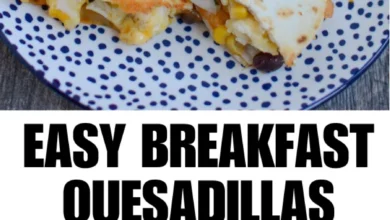
Breakfast Quesadillas: The Evolution of High-Protein Meal Prep for Busy Professionals

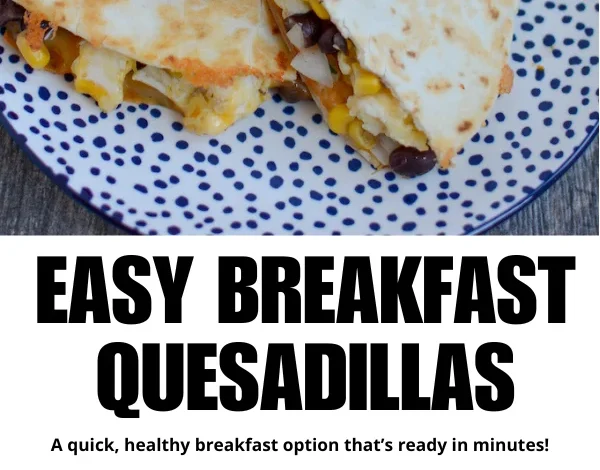
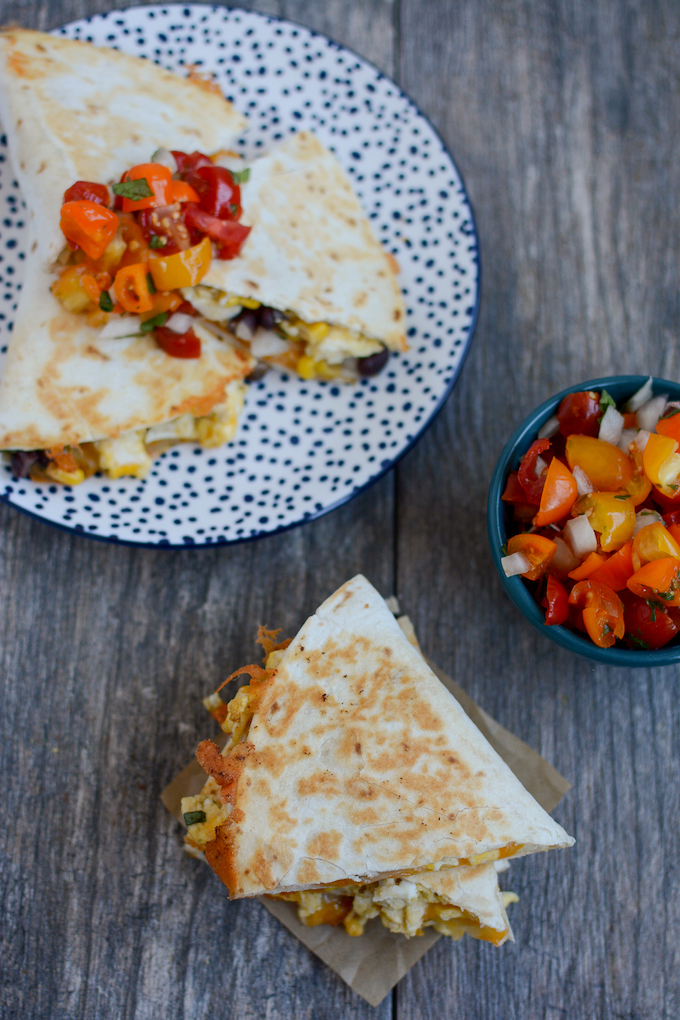
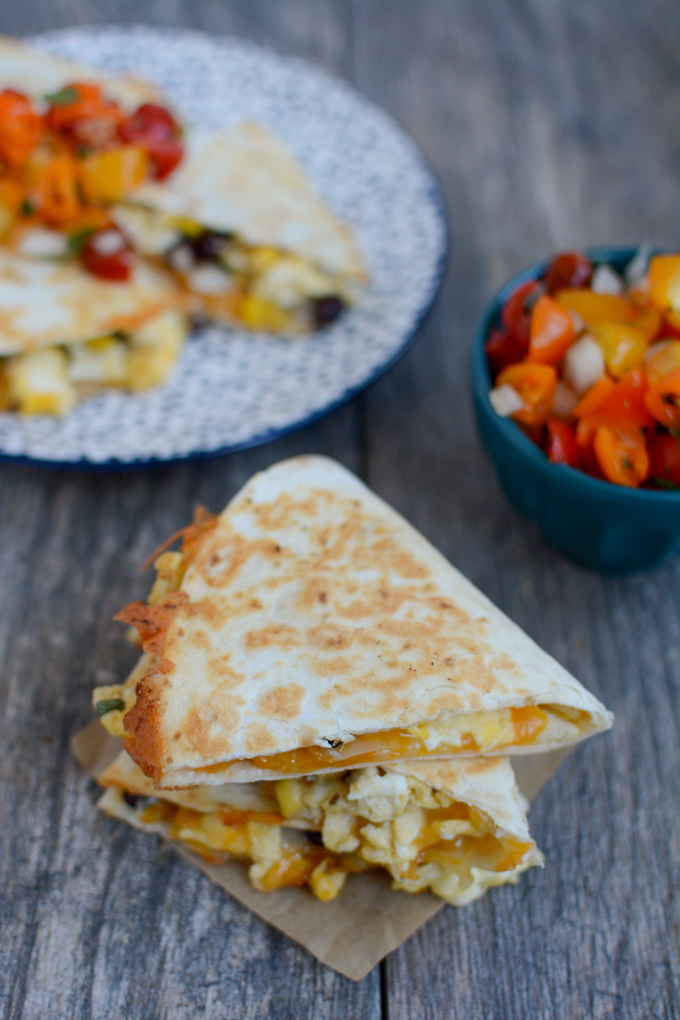
The demand for efficient, nutrient-dense morning nutrition has reached an all-time high as modern workforce trends emphasize time management and health optimization. Recent culinary developments in the meal-prep sector have highlighted the rise of freezer-friendly breakfast quesadillas—a dish that combines traditional Mexican-inspired flavors with the logistical benefits of batch cooking. By integrating stable protein sources such as eggs and fiber-rich legumes like black beans, these portable meals are emerging as a practical solution for individuals navigating the constraints of a fast-paced morning schedule.
The Nutritional Landscape of Modern Breakfast Trends
Current dietary guidelines from health organizations increasingly emphasize the importance of morning protein intake to regulate blood glucose levels and maintain satiety throughout the work day. A standard breakfast quesadilla, when prepared with a combination of eggs, beans, and cheese, provides a robust profile of approximately 35 grams of protein and 8 to 10 grams of dietary fiber.
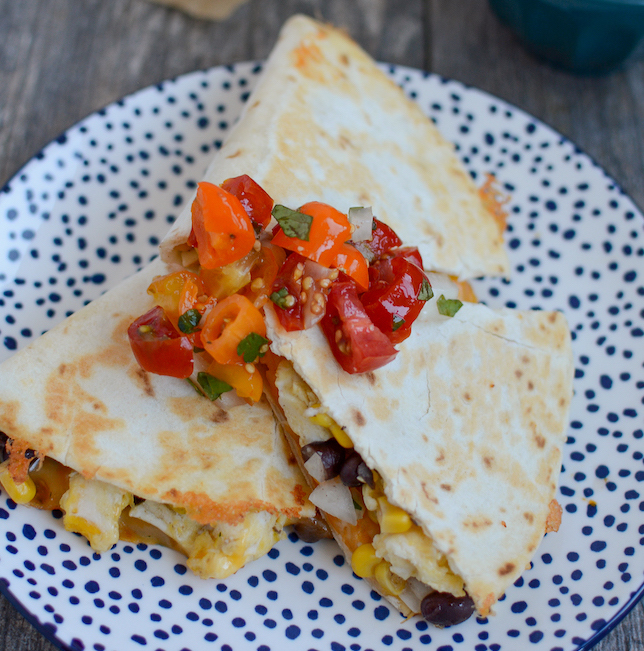
This macronutrient composition is significant. Research suggests that high-protein, high-fiber breakfasts can mitigate the mid-morning energy "crash" often associated with carbohydrate-heavy, low-protein alternatives like cereal or pastries. The addition of legumes, specifically black beans, introduces complex carbohydrates and essential micronutrients, including iron and folate, which are often lacking in traditional "grab-and-go" breakfast items. The integration of whole-wheat tortillas further elevates the nutritional profile by providing a more sustainable source of energy compared to refined flour alternatives.
Chronology of Meal-Prep Optimization
The transition toward "freezer-to-air-fryer" meal preparation reflects a broader shift in consumer behavior over the last five years. Historically, the primary obstacle to preparing hot breakfast items in advance was the degradation of food quality—specifically, the tendency for ingredients to become "soggy" upon reheating.
Culinary experts and nutritionists have recently standardized a methodology to overcome these textural issues:
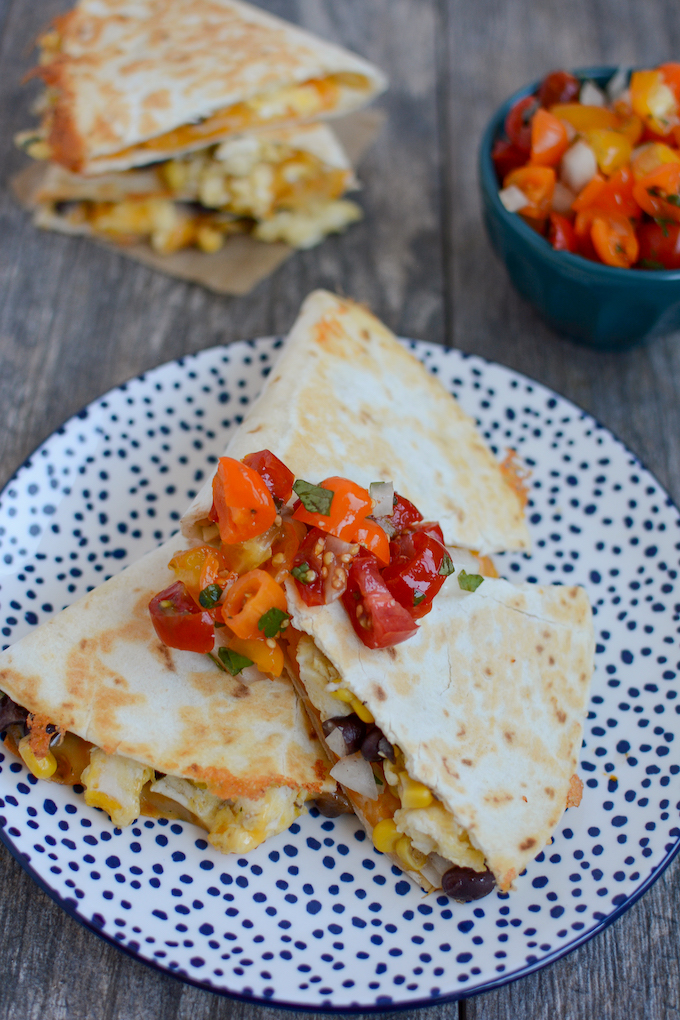
- Preparation (Sunday): Ingredients are cooked and combined, with a specific focus on cooling the mixture completely before assembly.
- Flash Freezing (1-2 Hours): Quesadillas are placed in a single layer on a baking sheet to ensure they freeze individually rather than clumping together.
- Vacuum Sealing/Bagging: Once firm, they are stored in airtight, moisture-resistant bags to prevent ice crystal formation, which is the leading cause of sogginess during the reheating process.
- Air-Fryer Reconstitution: Rather than relying on microwave technology, which generates steam and softens the tortilla, air frying at 380°F for 10–12 minutes restores the crispness of the exterior while ensuring the interior reaches a safe consumption temperature.
Culinary Analysis: The Role of the Air Fryer
The widespread adoption of the air fryer has fundamentally altered the feasibility of this meal-prep strategy. Unlike the microwave, which heats food through water molecule agitation, the air fryer utilizes rapid convection heating. This technology is critical for the "re-crisping" of a pre-cooked tortilla.
Dietitians point out that the air fryer allows for a high-quality, restaurant-style texture without the need for additional oils, which might otherwise increase the saturated fat content of the meal. For time-strapped professionals, the ability to transition from a frozen state to a finished meal in under 15 minutes without sacrificing textural integrity represents a significant advancement in domestic food technology.
Addressing the "Soggy Quesadilla" Phenomenon
The primary technical challenge in home-based meal prep is moisture management. Moisture trapped within the filling or introduced during the thawing process can compromise the structural integrity of the tortilla. Professionals in the culinary space emphasize three critical factors to avoid this:
- Temperature Control: Ingredients must reach room temperature before assembly. Placing hot eggs into a tortilla creates steam, which is trapped once the unit is wrapped, leading to immediate degradation of the dough.
- Moisture Barriers: Utilizing a moderate amount of cheese acts as a lipid-based barrier, preventing the moisture from the beans or eggs from soaking into the tortilla during the freezing process.
- Proper Reheating Equipment: As previously noted, the dry heat of an air fryer or a traditional skillet is essential. Microwaving is discouraged for those prioritizing texture, as it tends to make the tortilla chewy or gummy.
Broader Economic and Lifestyle Implications
The shift toward home-prepared, high-protein breakfasts has broader economic implications for households. By batch-preparing meals on a weekly basis, consumers can reduce their reliance on commercial fast-food breakfast options, which are often significantly more expensive and less nutritionally dense.
Data from consumer spending reports indicate that the average cost of a commercially prepared breakfast sandwich ranges from $4.00 to $7.00. In contrast, the cost per unit for a home-prepared breakfast quesadilla, when purchased in bulk, is estimated at approximately $1.00 to $1.50. This represents a substantial potential annual savings for the average consumer, alongside the benefit of total ingredient control.
Expert Perspective: Nutritionist and Developer Insights
Registered Dietitian Lindsay Livingston, who has extensively documented the development of these recipes, notes that the success of the breakfast quesadilla lies in its "modular" nature. Because the base is composed of neutral ingredients—eggs and beans—it serves as a canvas for various flavor profiles.
"The goal is to move away from the idea that healthy eating requires hours of daily kitchen labor," Livingston stated in a recent nutrition brief. "By leveraging the science of freezing and the efficiency of modern appliances, we can create meals that compete with the convenience of processed foods while vastly exceeding their nutritional value."
This approach aligns with the growing "functional food" movement, where consumers are increasingly looking for meals that serve a specific purpose: sustaining energy, providing high protein, and fitting into a rigid daily timeline.
Future Outlook
As the intersection of technology and home cooking continues to evolve, it is likely that the "prep-and-freeze" model will expand to include a wider variety of ingredients. Currently, the breakfast quesadilla serves as a pilot for this methodology, proving that with the correct techniques, even items traditionally thought of as "fresh-only" can be successfully integrated into a long-term freezer-based meal plan.
The implications for public health are noteworthy. By making nutritious, protein-rich breakfasts more accessible to the average busy individual, the likelihood of skipping breakfast or relying on high-sugar, low-protein alternatives decreases. This trend represents a positive development in the ongoing effort to encourage healthier eating habits within the constraints of contemporary lifestyle demands.
In summary, the breakfast quesadilla is more than a simple recipe; it is a tactical response to the needs of the modern consumer. Through a combination of proper ingredient selection, strategic storage, and the utilization of convection-based reheating methods, it provides a viable, sustainable, and highly effective framework for maintaining a balanced diet amidst a hectic professional life.