The transition to solid foods is a pivotal milestone in an infant’s development, marking a shift from exclusive milk-based nutrition to the introduction of complex textures and flavors. For parents and caregivers, this period—typically commencing around the six-month mark—is often characterized by a mixture of excitement and apprehension. As pediatric nutrition guidelines evolve, the focus has increasingly shifted toward baby-led weaning (BLW), an approach that prioritizes self-feeding and the early introduction of finger foods. Understanding the physiological readiness of an infant and the safety protocols required for this transition is essential for fostering healthy eating habits and minimizing the risk of choking.
Developmental Milestones and Physiological Readiness
The physiological readiness for solid foods is not determined by a specific date on the calendar, but rather by the attainment of critical developmental milestones. According to current guidelines from the Centers for Disease Control and Prevention (CDC), infants are generally ready for solids when they exhibit a combination of neurological and motor skills. These include the ability to sit with little to no support, demonstrating excellent head and neck control. Such stability is necessary to ensure the airway remains clear and upright during the complex process of chewing and swallowing.

Furthermore, the disappearance of the infantile tongue-thrust reflex is a key indicator. This reflex, which causes an infant to push foreign objects out of the mouth with the tongue, serves as a natural protective mechanism against choking. When this reflex fades, it signifies that the infant is neurologically capable of managing bolus movement within the oral cavity. Additionally, an infant should demonstrate the ability to reach for objects and bring them to their mouth with precision, as well as show active interest in the food being consumed by others. Notably, the presence of teeth is not a prerequisite for solid food consumption. The gums of a six-month-old are remarkably robust and capable of mashing soft textures, allowing infants to practice the necessary jaw movements for chewing long before their first teeth emerge.
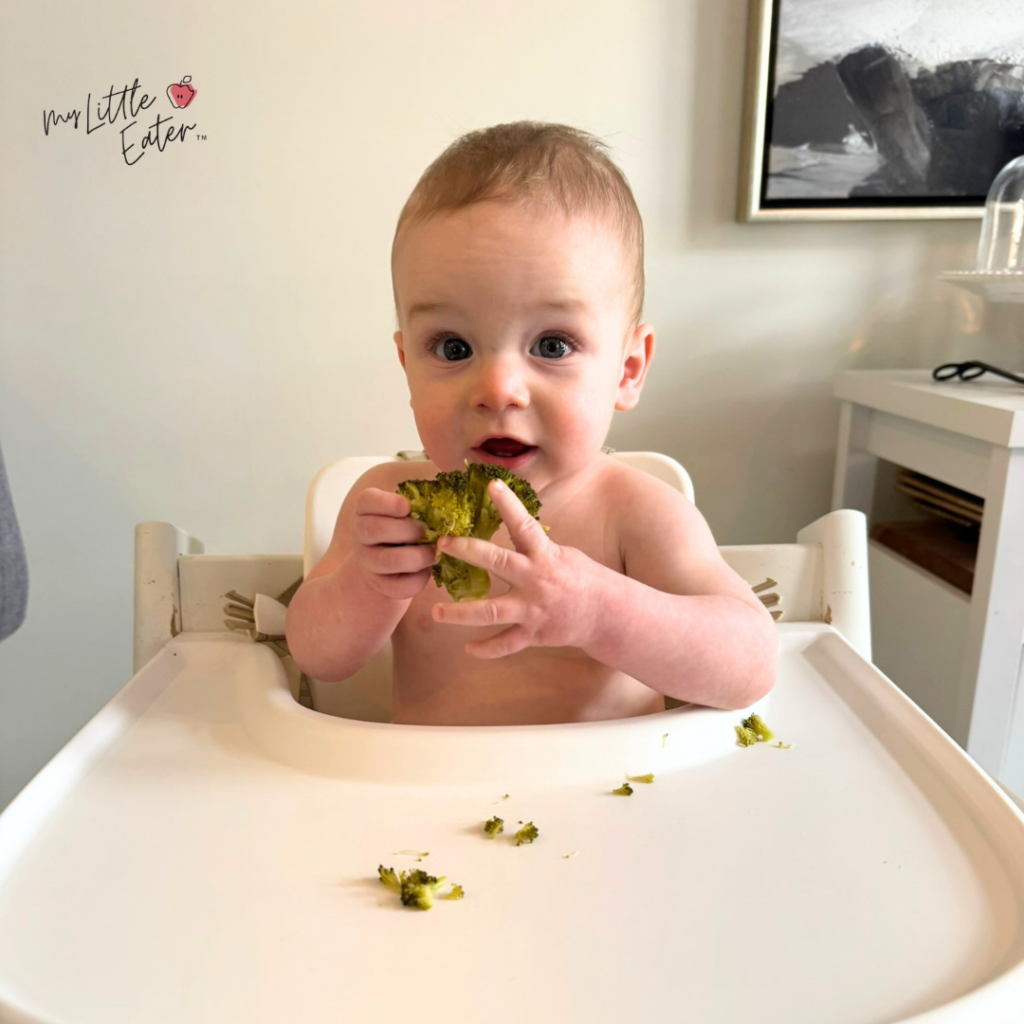
The Nutritional Necessity of Iron-Rich Foods
As an infant approaches the six-month mark, their natural iron stores—accumulated during gestation—begin to deplete. This makes the introduction of nutrient-dense, iron-rich foods a primary health priority. Pediatric dietitians emphasize that the first foods introduced should be carefully chosen to fill this nutritional gap.
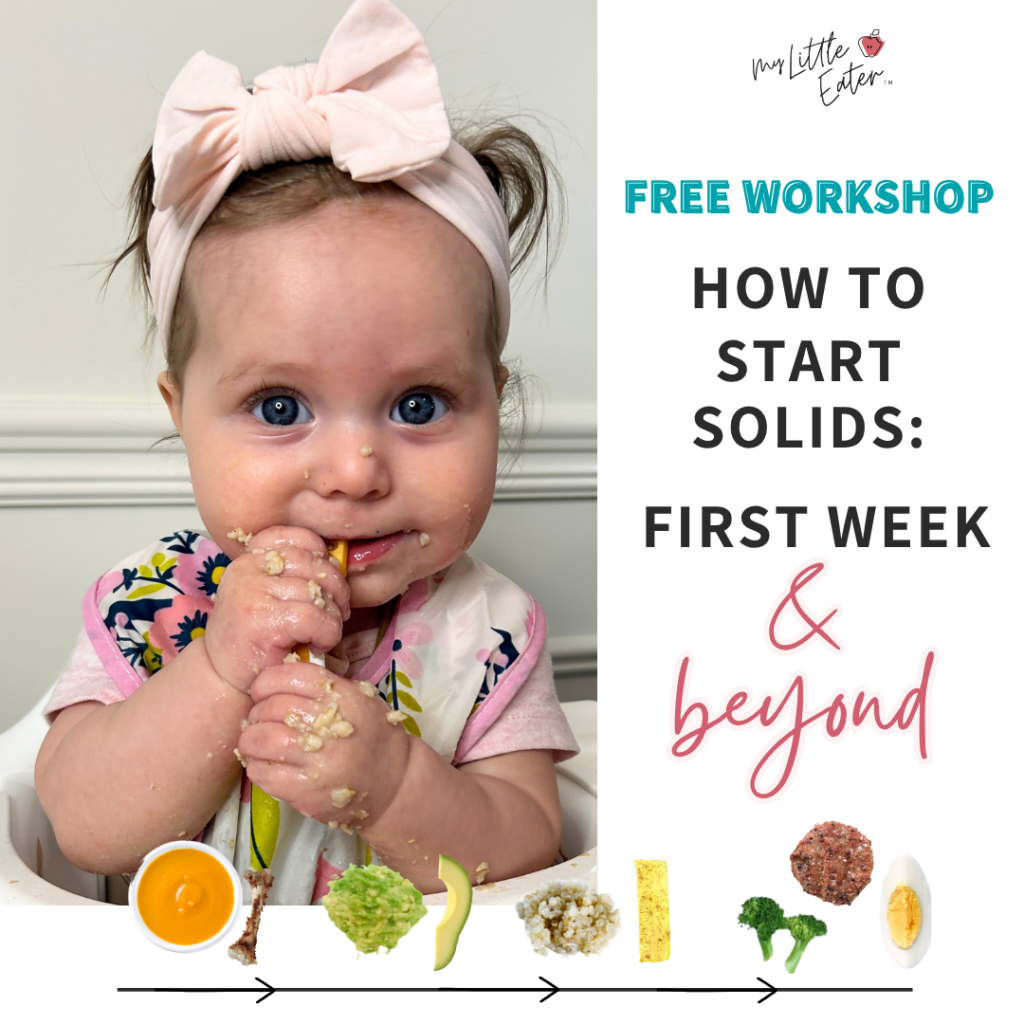
Recommended iron-rich starter foods include slow-cooked, tender strips of beef or lamb, which provide bioavailable heme iron. Other appropriate options include tofu fingers, salmon, and egg-based dishes such as omelet strips. These foods should be prepared in a manner that facilitates self-feeding while adhering to stringent safety standards. By focusing on iron-dense choices early on, caregivers can support optimal cognitive development and energy levels during a period of rapid growth.

Methodology for Safe Food Preparation
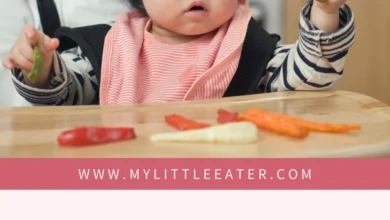
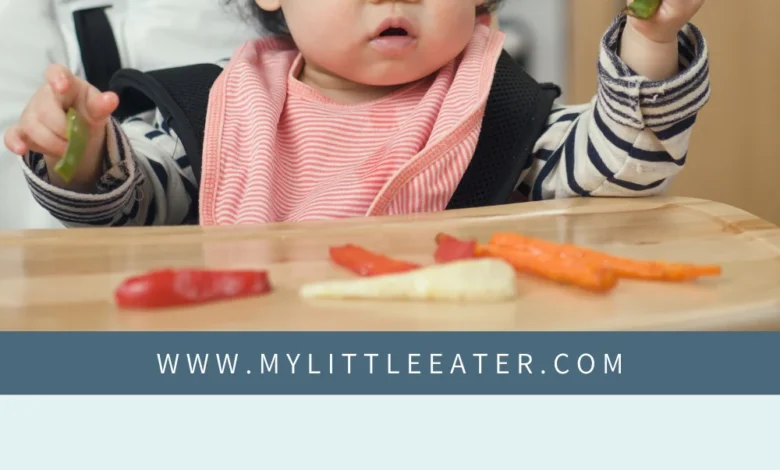
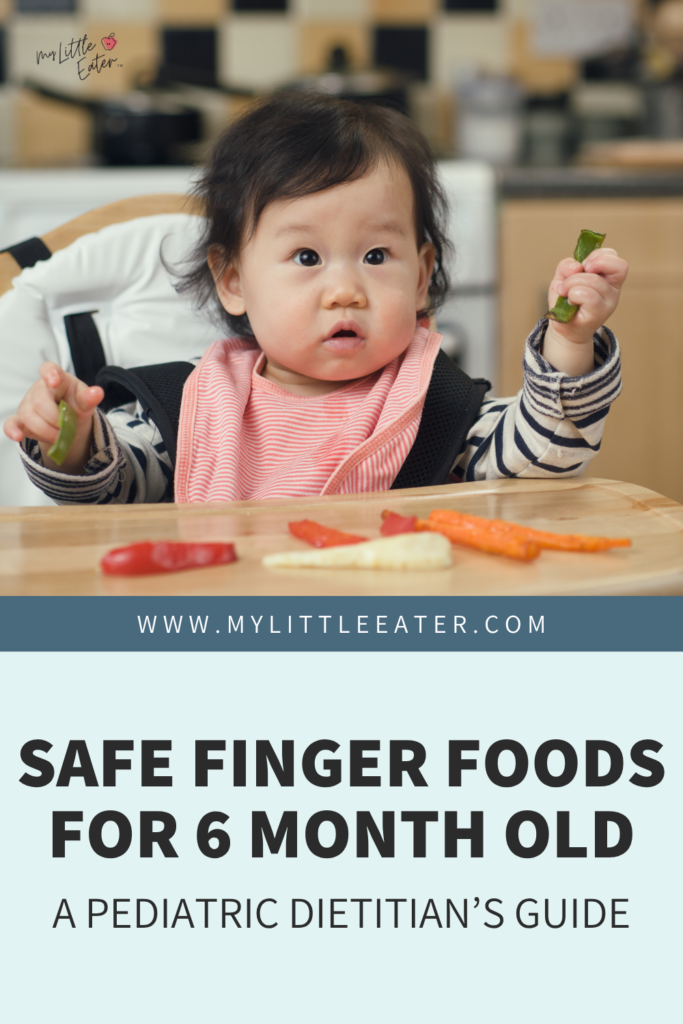
The primary concern for parents transitioning to finger foods is the risk of choking. To mitigate this, experts recommend the "2-Adult-Finger" rule. Foods such as toast, steamed sweet potatoes, or roasted vegetables should be cut into long, thick strips, roughly the size of two adult fingers. This specific shape allows the infant to utilize their palmar grasp—the ability to hold an object using the entire palm—to maintain a secure hold on the food. If a piece of food is too small, it may disappear into the palm, causing frustration and increasing the likelihood that the infant will attempt to swallow the piece whole.
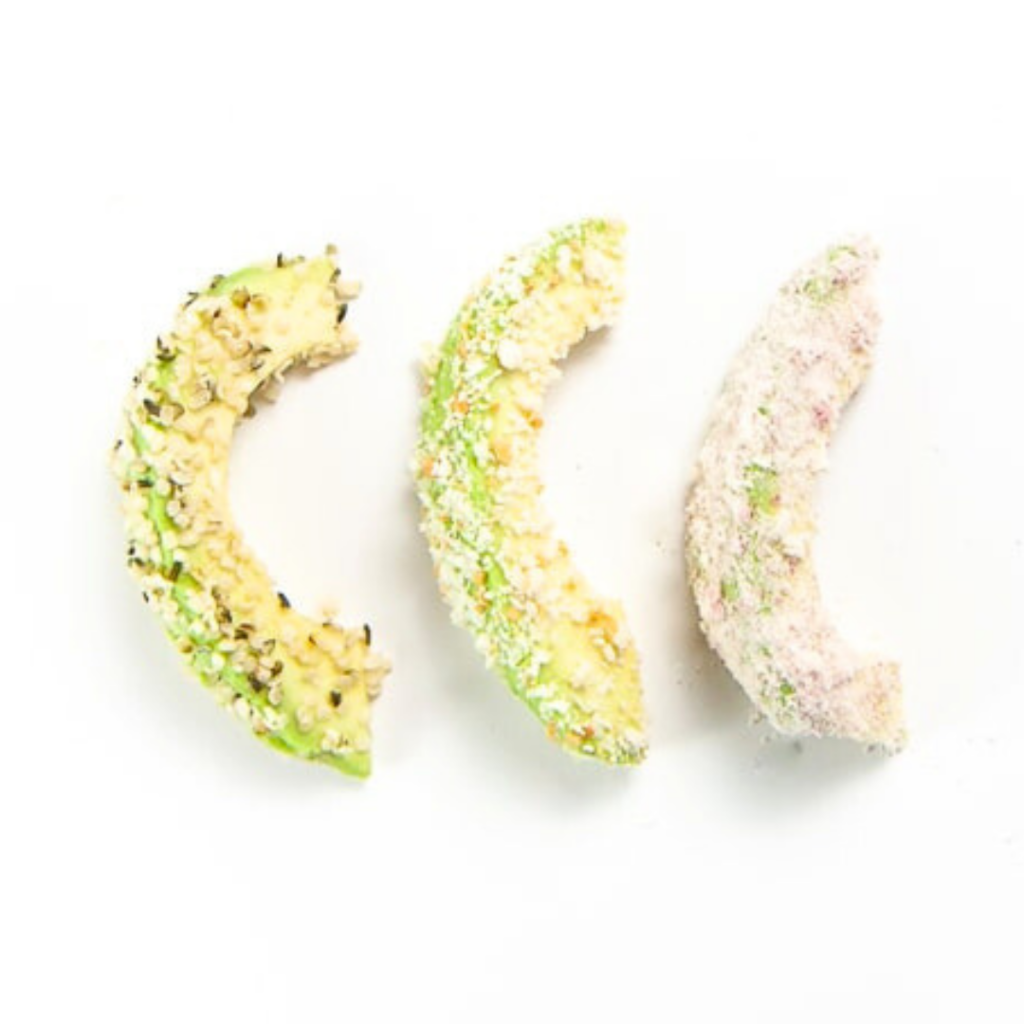
Texture also plays a critical role in safety. The "Squish Test" serves as a practical, objective method for evaluating whether a food is suitable for a six-month-old. If a food item can be easily squished between the thumb and forefinger using gentle pressure, it is generally soft enough to be managed by the infant’s gums. Conversely, hard, raw foods—such as whole nuts, popcorn, or chunks of raw apple and carrot—are considered high-risk choking hazards and must be avoided or modified through steaming, roasting, or mashing.

The Mechanics of Gagging Versus Choking
It is vital for caregivers to distinguish between gagging and true choking. Gagging is a normal, protective physiological reflex that occurs when food moves too far back on the tongue before the infant is ready to swallow. This reflex is situated further forward in the mouth during early infancy and serves to move the food forward, allowing the infant to "map" their oral cavity and learn how to manage different textures.

A gagging episode is typically characterized by the "Loud and Red" rule: the infant may cough, sputter, or turn red, but they are actively making noise and attempting to manage the situation. In such instances, intervention is often counterproductive. A "blind finger sweep"—manually reaching into the infant’s mouth to retrieve food—can inadvertently push the obstruction deeper into the airway or startle the infant, potentially causing them to inhale sharply and convert a gagging event into a choking emergency.
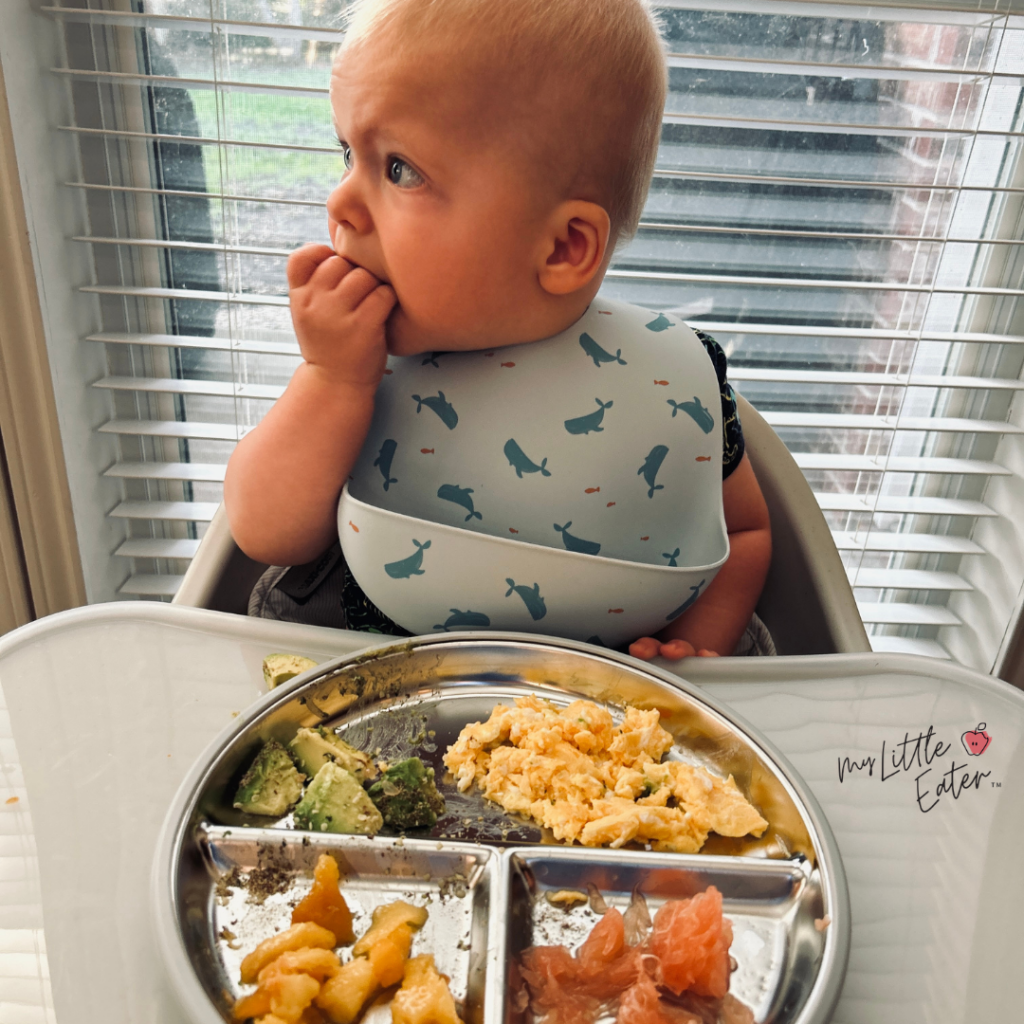
In contrast, a true choking emergency is defined by the "Silent and Blue" rule. If an infant is unable to produce sound, cannot cough, or exhibits a bluish tint to their skin or lips, the airway is likely obstructed. In these rare, high-pressure events, immediate action is required. All caregivers are strongly advised to undergo formal infant CPR training to ensure they are prepared to respond effectively in an emergency.
Creating a Secure Eating Environment
The physical environment in which an infant eats is as critical as the food itself. Proper positioning, often referred to as the 90-90-90 rule, is essential for safety. This requires the infant to be seated in a high chair with a 90-degree angle at the hips, knees, and ankles. A sturdy, adjustable footrest is highly recommended to provide the infant with a stable base of support. When an infant feels secure from the feet up, they are better able to concentrate on the mechanics of eating and maintain the upright posture necessary for safe swallowing. Supervision must remain constant throughout the entire mealtime experience.

Long-Term Implications of Early Feeding Approaches
Recent research suggests that early exposure to a variety of textures and the encouragement of self-feeding can have long-term benefits. A randomized trial published in JAMA Pediatrics indicated that infants who participated in a baby-led feeding approach were often less prone to picky eating behaviors compared to those who were exclusively fed purees. This is attributed to the increased sensory experience—the ability to touch, smell, and manipulate different food items—which facilitates a more positive and curious relationship with food.

While the introduction of solids is a milestone, it is important to maintain perspective on the role of nutrition. During the initial months of solid food introduction, breast milk or formula continues to provide the vast majority of the infant’s caloric and nutritional needs. The primary goal of this phase is not to hit specific caloric targets, but to build the motor skills and confidence required for future eating.

Professional Guidance and Resource Management
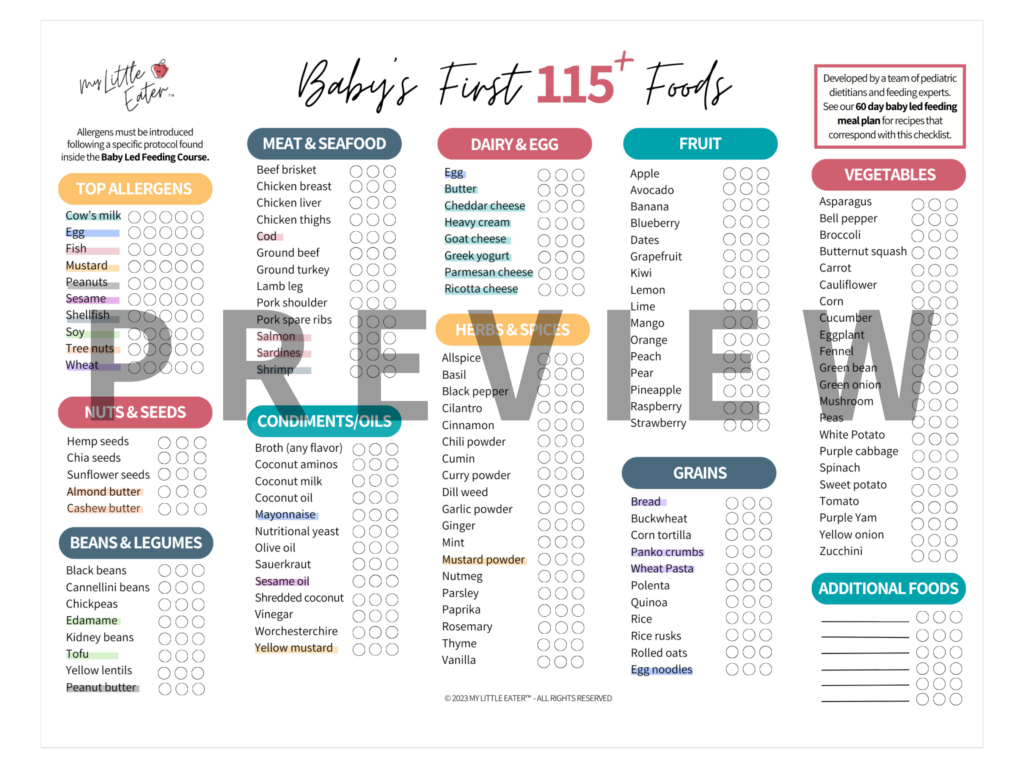
For many families, the sheer volume of information regarding starting solids can be overwhelming. Pediatric dietitians recommend a step-by-step approach, starting with one meal per day and gradually increasing frequency as the infant demonstrates interest and proficiency. Resources such as free workshops, meal planning guides, and expert-led webinars provide families with the tools to navigate this transition with confidence.
Ultimately, the goal is to transform mealtime from a source of stress into a joyful, communal experience. By focusing on safety, nutritional density, and a supportive environment, parents can lay a solid foundation for their child’s lifelong relationship with food. Whether a family chooses to follow a strictly baby-led approach, traditional purees, or a combination of both, the core principles remain the same: respect the child’s cues, prioritize safety through informed preparation, and foster an environment of patience and curiosity. As the infant moves through this developmental journey, the consistency of these habits will ensure that they are well-prepared for the more complex textures and social aspects of eating that lie ahead.