The Ultimate Guide to Baking Mini Pumpkin Pies: A Modern Thanksgiving Tradition for 2026

The culinary landscape of autumn celebrations is experiencing a distinct shift toward bite-sized, individual-portion desserts, a trend highlighted by the surging popularity of mini pumpkin pies baked in standard muffin tins. As
home cooks and holiday hosts prepare menus for the upcoming Thanksgiving holiday season, these single-serving variations are emerging as a practical and aesthetically pleasing alternative to traditional, full-sized holiday pies. Culinary experts note that the move toward scaled-down desserts addresses several modern entertaining challenges, including portion control, ease of serving, and the demand for efficient make-ahead preparation strategies.
The Origins and Evolution of Individual Holiday Portions
The concept of individual-serving baked goods dates back centuries, evolving from British hand pies and individual tarts into contemporary adaptations designed for standard kitchen equipment like muffin and cupcake tins. Over the past decade, food historians and culinary trend analysts have observed a steady decline in demand for large, multi-serving centerpieces at informal and formal gatherings alike. Consumers increasingly favor formats that eliminate the need for slicing, reduce food waste, and allow guests to sample a wider variety of desserts without committing to a full slice.
In the context of the autumn holiday season, pumpkin pie has long reigned as the undisputed staple of North American tables. However, standard 9-inch pies frequently present logistical hurdles: they require careful slicing, can become messy when served to large groups, and leave hosts with oversized leftovers that may not suit smaller modern households. The adaptation of traditional pumpkin custard and pastry into a 12-cup muffin tin format bridges the gap between classic holiday nostalgia and contemporary convenience.
Nutritional and Practical Benefits of Muffin-Tin Baking
From a functional standpoint, baking mini pies in a muffin tin offers distinct advantages for both novice bakers and experienced culinary enthusiasts. By utilizing standard 4-inch round cookie cutters to portion out pie crust dough, bakers bypass the often intimidating process of rolling and fitting a single large crust into a deep-dish pie plate. Furthermore, the standardized size of muffin cups ensures uniform baking times and consistent portioning.
Nutritionally, individual portions provide natural guardrails for calorie-conscious diners during a holiday season notoriously rich in high-calorie dishes. While traditional pumpkin pie slices can vary wildly in size depending on how the host cuts them, a mini pie offers a predictable, controlled serving of the classic spiced custard. Culinary nutritionists also point out that utilizing 100% pure pumpkin puree delivers essential vitamins, such as vitamin A and fiber, making the dessert a relatively nutrient-dense option compared to other holiday sweets.
Step-by-Step Preparation and Professional Baking Techniques
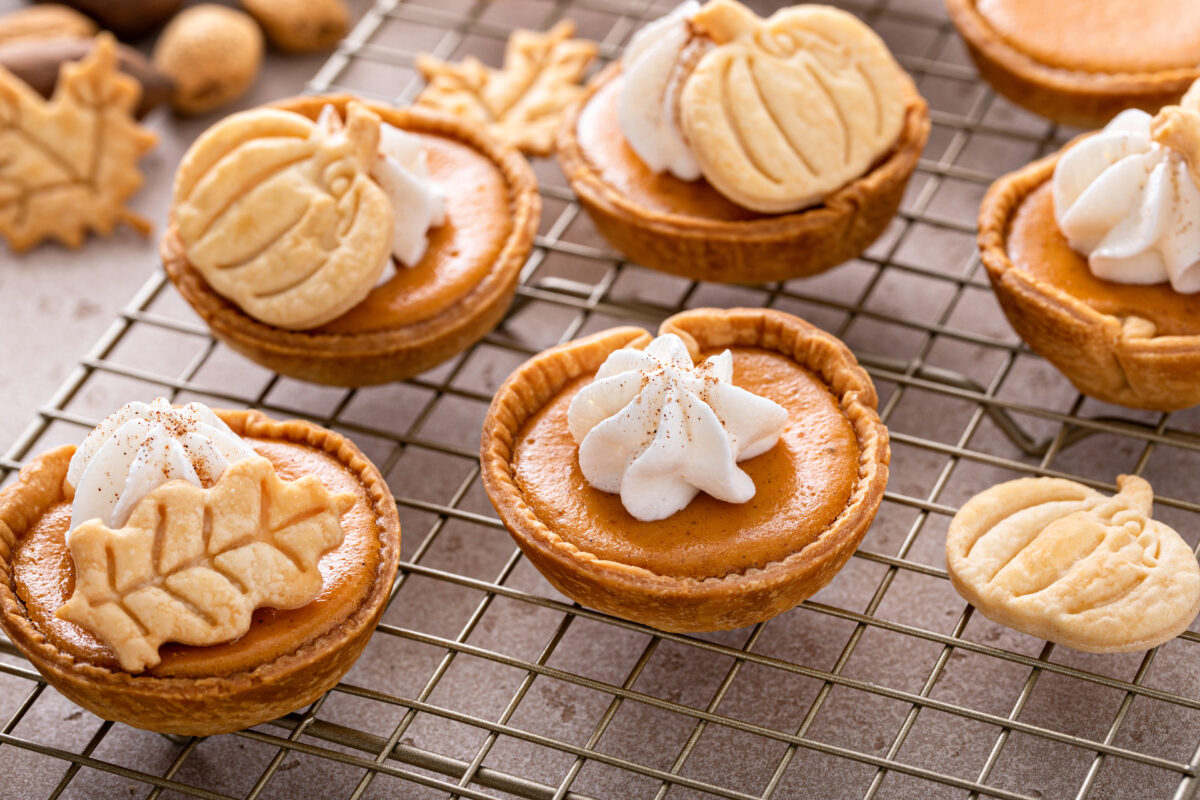
Achieving bakery-quality results with mini pumpkin pies requires careful attention to ingredient preparation and baking mechanics. Professional pastry chefs recommend utilizing room-temperature ingredients—specifically eggs and milk—to ensure the pumpkin puree, maple syrup, spices, and binding agents emulsify smoothly into a uniform custard.
The standard preparation timeline for these individual treats spans approximately 55 minutes, broken down into 30 minutes of active preparation and 25 minutes of baking time. The process begins with preheating the oven to 375 degrees Fahrenheit and lightly greasing a 12-cup muffin tin to prevent the buttery, flaky crust from adhering to the metal surfaces. Once the dough circles are gently pressed into each cavity, the liquid filling is poured to roughly three-quarters capacity, allowing for the minor expansion of the custard during the baking cycle.
Baking times are significantly reduced compared to a full-sized pie, typically requiring between 25 and 30 minutes. Bakers are advised to monitor the oven closely around the 25-minute mark, looking for a golden-brown crust and a filling that is firmly set around the edges while maintaining a slight, stable jiggle in the center. Because custard continues to cook via residual heat after being removed from the oven, avoiding over-baking is critical to preventing a cracked or grainy texture.
Advanced Decoration and Customization Trends
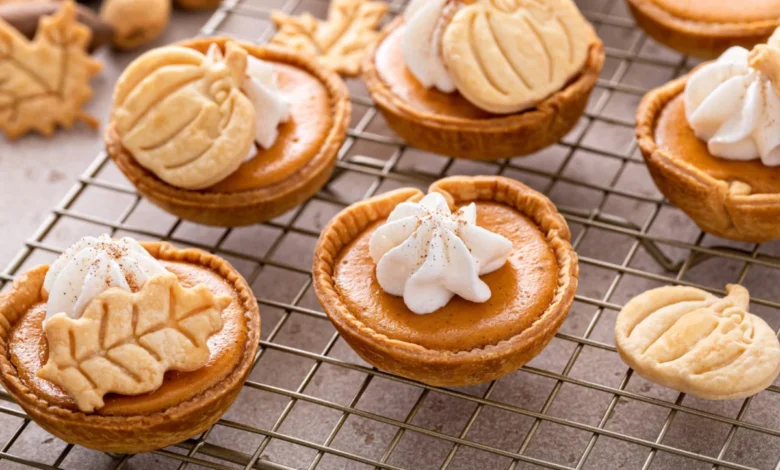
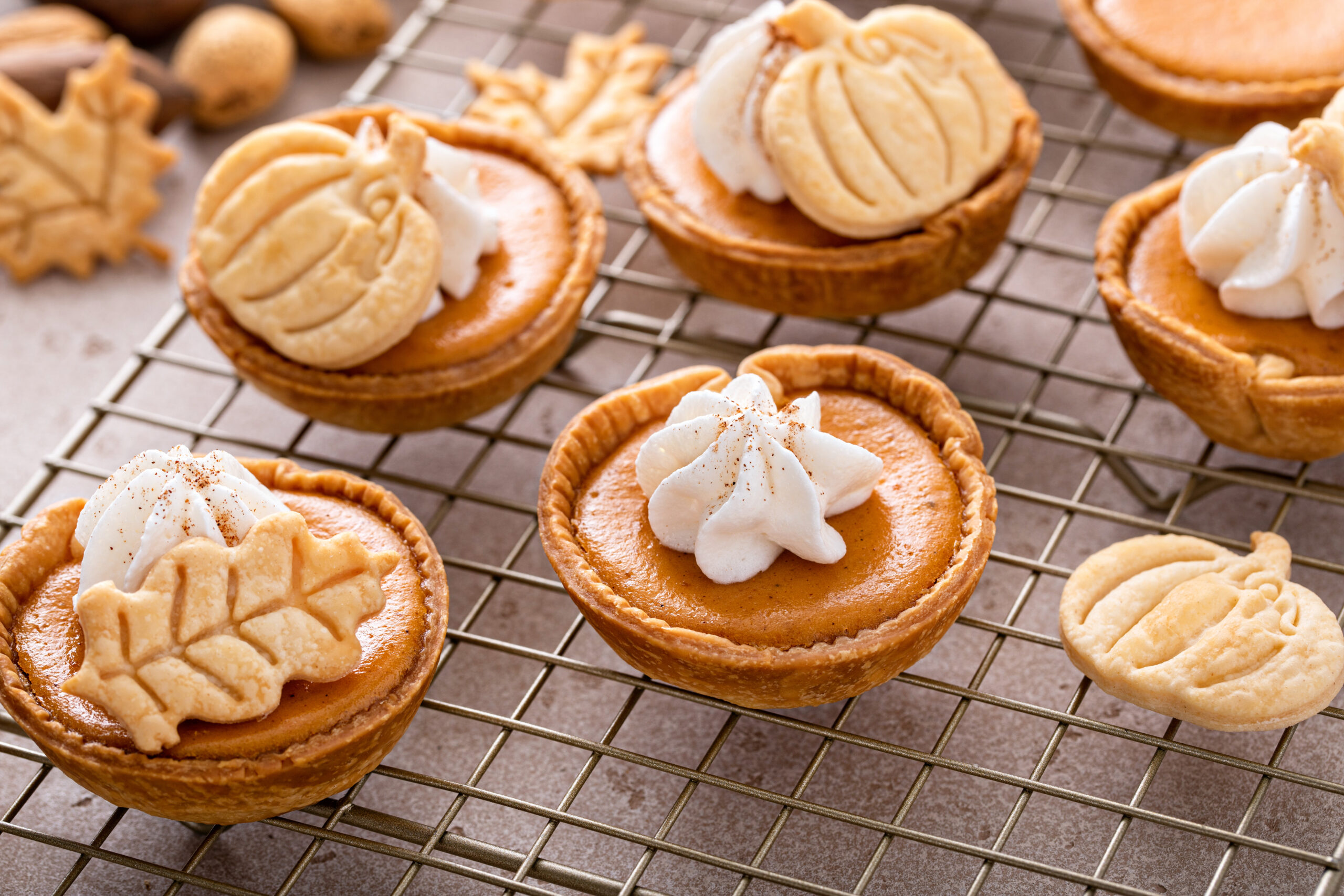
A defining characteristic of modern holiday baking is the emphasis on visual presentation. To elevate the aesthetic appeal of mini pumpkin pies, contemporary recipes incorporate decorative pie crust cutouts shaped like autumn leaves, pumpkins, and acorns. Culinary protocol dictates that these decorative elements should be baked separately on a parchment-lined baking sheet rather than placed atop the liquid filling prior to baking. This technique preserves the sharp definition of the cutouts, preventing them from sinking or becoming soggy in the custard.
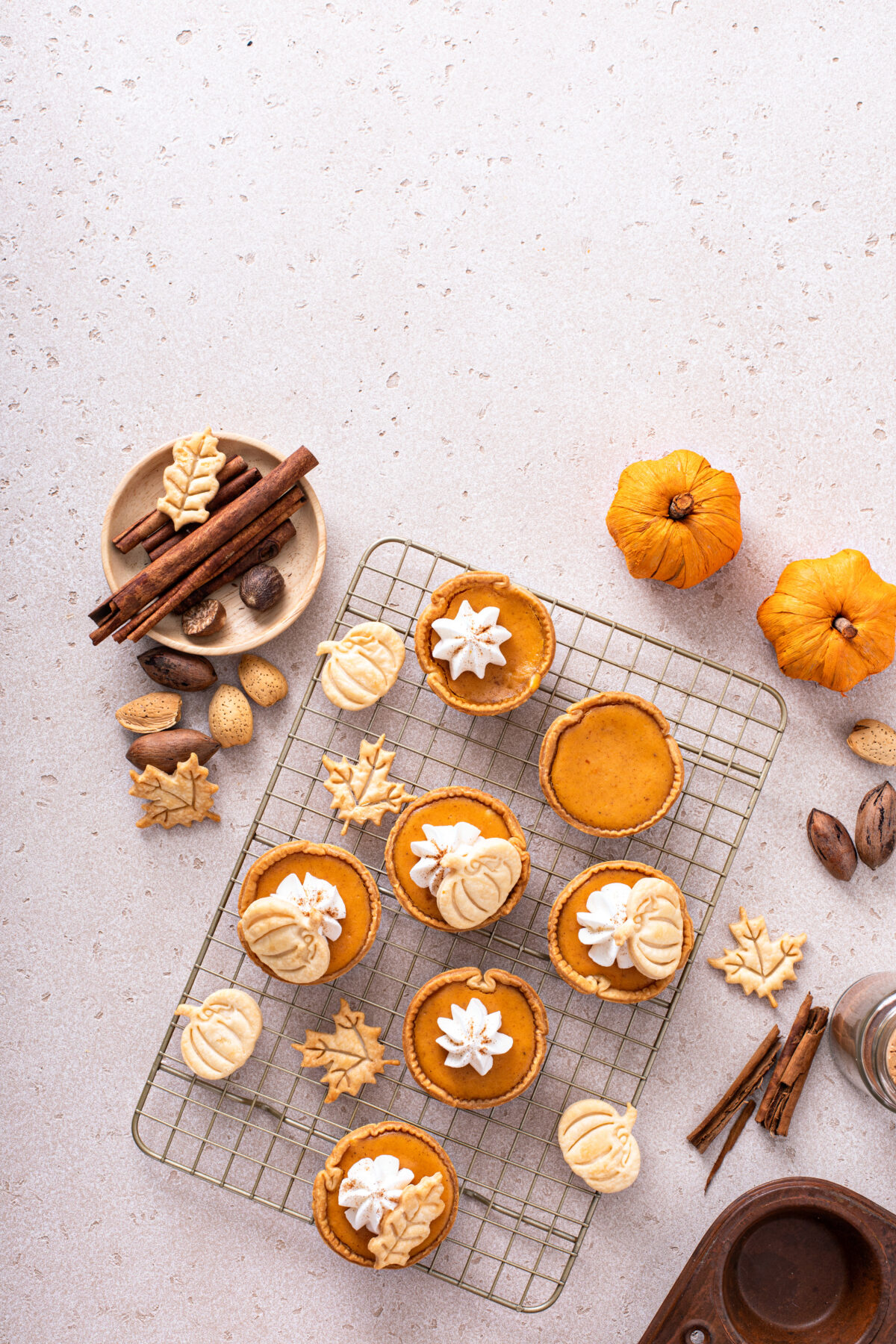
Brushing the raw dough cutouts with a light milk or egg wash before a brief 8-to-12-minute bake yields a glossy, golden-brown finish. Once cooled, the pies are frequently crowned with a swirl of homemade maple whipped cream—created by whipping heavy whipping cream, pure maple syrup, and vanilla extract to medium-stiff peaks—before the baked pastry decorations are added just prior to service.
Storage, Make-Ahead Strategies, and Food Safety
Holiday preparation often induces stress for hosts managing multiple complex dishes simultaneously. The mini pumpkin pie format offers a distinct logistical advantage through its adaptability to advance preparation. Baked, completely cooled mini pies can be stored in an airtight container within the refrigerator for three to four days. For longer-term storage, the plain baked pies can be frozen without whipped cream or pastry decorations for up to two months, provided they are separated by parchment paper in a freezer-safe container.
Food safety experts emphasize proper cooling and chilling protocols for custard-based pies containing dairy and eggs. Pies should be allowed to cool at room temperature for approximately 20 minutes in the muffin tin before being transferred to a wire rack and subsequently moved to the refrigerator to complete the chilling process. Whipped cream and delicate pastry decorations should be added immediately before serving to maintain optimal textural contrast between the crisp crust, smooth custard, and airy topping.
Industry Outlook and Cultural Impact
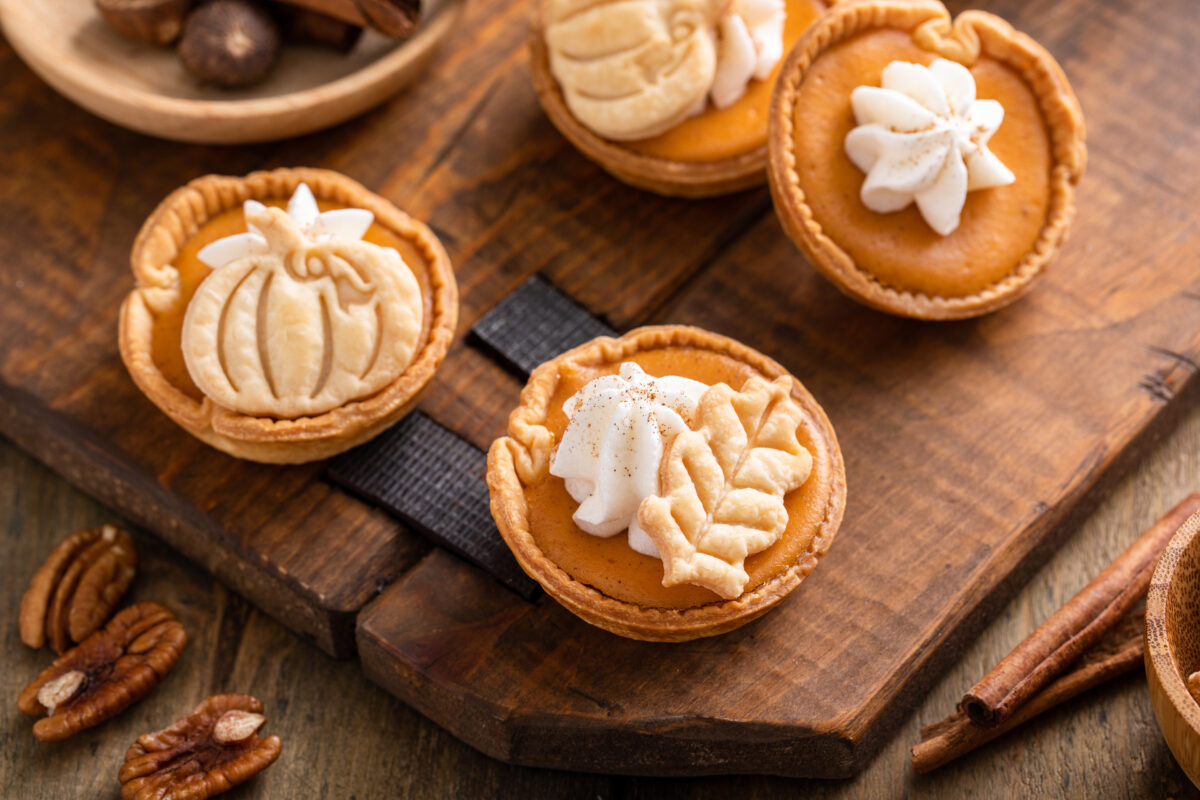
As autumn baking traditions continue to evolve, recipes that balance traditional flavor profiles with modern utility are expected to dominate culinary publications and holiday tables. The enduring appeal of pumpkin spice, combined with the practicality of individual portions, ensures that mini pumpkin pies will remain a fixture of seasonal entertaining. By streamlining the baking process and offering a visually striking presentation, these scaled-down desserts demonstrate how classic holiday fare can be successfully reimagined for contemporary lifestyles.