Air Fryer Ribeye Steak: A Culinary Analysis of Modern Home Preparation Techniques

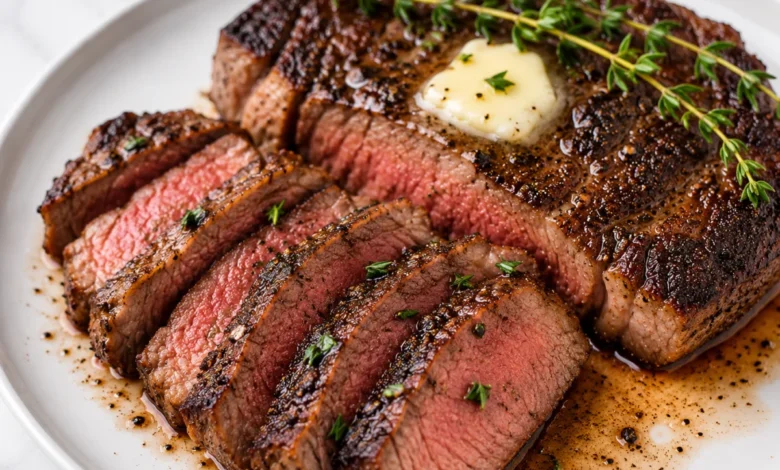
The evolution of kitchen technology has fundamentally shifted how home cooks approach high-end proteins, with the air fryer emerging as a viable, efficient alternative to traditional cast-iron searing or outdoor grilling. Recent culinary data indicates that the air fryer—essentially a compact, high-velocity convection oven—has become a standard appliance in over 60% of American households. Among the most popular applications for this device is the preparation of the ribeye steak, a cut prized for its intramuscular fat, or marbling, which requires precise heat management to achieve an optimal balance between a seared exterior and a tender, rendered interior.
Technical Parameters and Cooking Mechanics
The primary challenge in cooking a premium cut like a ribeye is the Maillard reaction—the chemical process that creates a savory, browned crust. In a traditional kitchen environment, this is usually achieved via high-heat contact with a heavy pan. In an air fryer, the mechanism relies on forced-air convection, where air heated to 400°F (204°C) circulates rapidly around the meat.
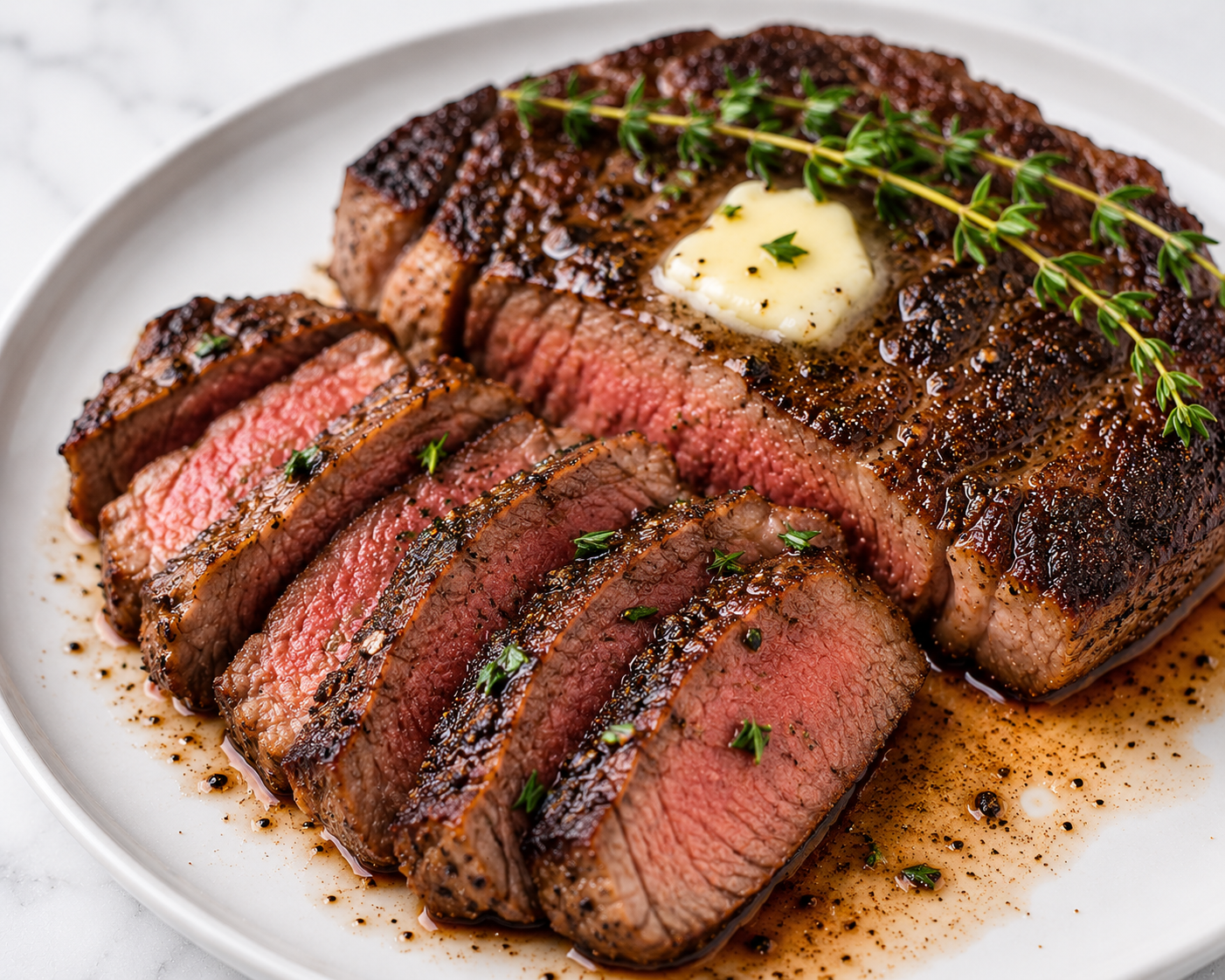
Professional chefs and home economists note that for a steak between 1 and 1.5 inches thick, a temperature of 400°F provides the necessary intensity to develop a crust before the center overcooks. Unlike a deep fryer or a skillet, the air fryer utilizes a perforated basket that allows air to hit the meat from all angles. However, the fat content of a ribeye—which is significantly higher than that of a sirloin or filet mignon—presents a functional issue: smoking.
Culinary technicians recommend a proactive solution to manage this: adding approximately one tablespoon of water to the base of the air fryer’s drawer. This small volume of water acts as a heat sink, preventing the rendered fat drippings from hitting the superheated metal bottom, which would otherwise vaporize and create unwanted smoke within the kitchen environment.
The Role of Dry Rubs and Flavor Chemistry
The efficacy of a dry rub in an air-fried context is governed by the science of surface moisture. Moisture is the enemy of a proper sear; when surface water is present, the energy of the appliance is initially consumed by evaporating that water, which results in "steaming" the meat rather than searing it.
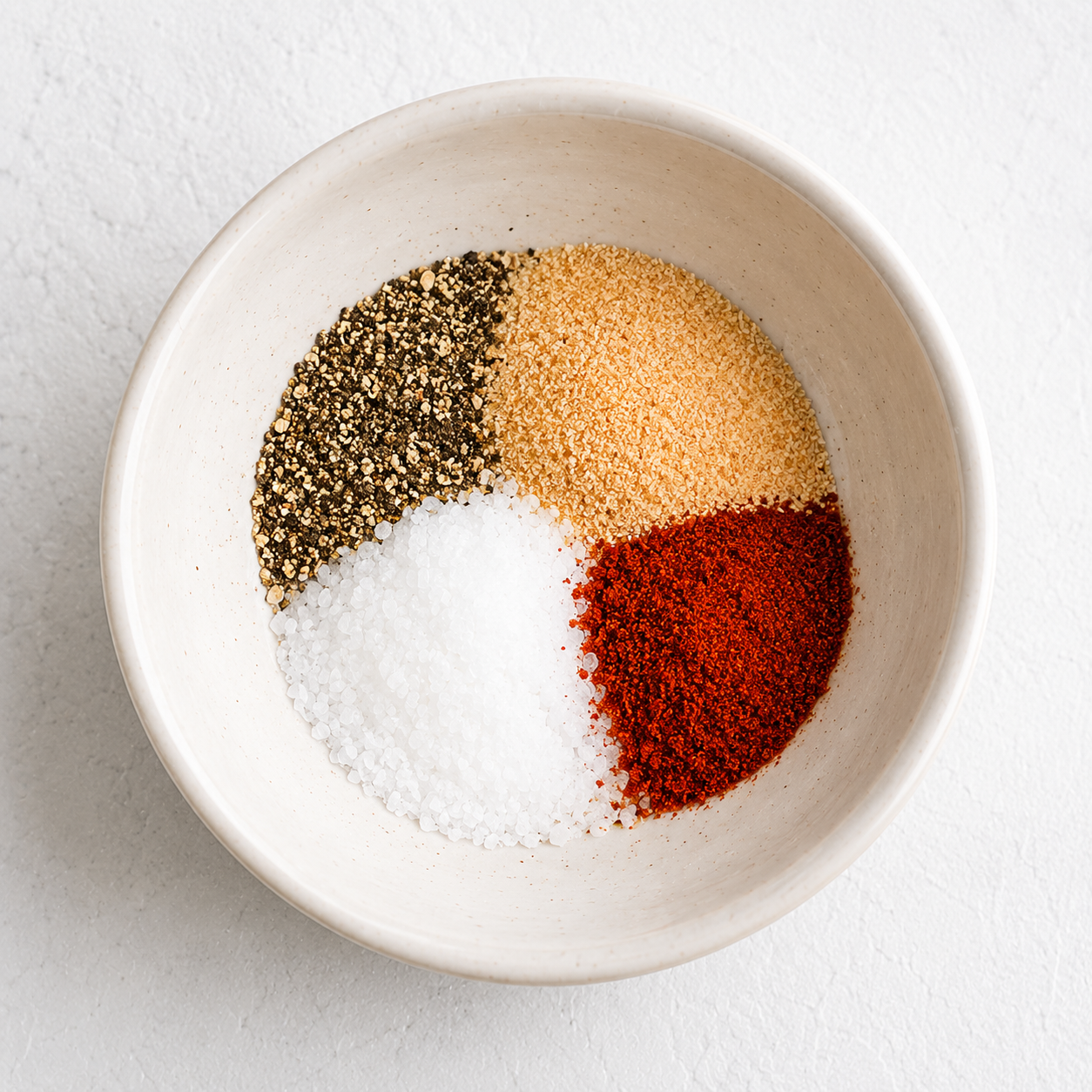
The recommended seasoning profile for an air-fried ribeye incorporates a strategic blend of spices:
- Kosher Salt: Applied in advance, salt draws moisture to the surface and then reabsorbs into the protein, seasoning the steak deeply rather than superficially.
- Black Pepper: Essential for the classic steakhouse flavor profile, providing a necessary sharp, volatile bite that cuts through the richness of the beef fat.
- Garlic and Onion Powders: These are preferred over fresh aromatics in an air fryer, as fresh garlic can char and turn bitter at 400°F, whereas granulated forms remain stable and provide consistent umami notes.
- Smoked Paprika: A critical addition for creating the sensory illusion of charcoal-grilled meat. By adding a layer of wood-smoke essence, this spice mimics the profile of outdoor cooking without the need for an ignition source.
Chronological Guide to Optimal Doneness
The timeline for cooking a ribeye in an air fryer is remarkably brief, typically concluding in under 15 minutes. Achieving specific levels of doneness requires strict adherence to internal temperature benchmarks, as measured by an instant-read meat thermometer.
| Doneness Level | Target Pull Temperature | Estimated Cooking Time (1-1.5" cut) |
|---|---|---|
| Rare | 125°F – 130°F | 8-9 Minutes |
| Medium-Rare | 130°F – 135°F | 10 Minutes |
| Medium | 140°F – 145°F | 11-12 Minutes |
| Medium-Well | 150°F – 155°F | 13-14 Minutes |
It is standard professional practice to pull the steak from the heat approximately 5 degrees below the desired final temperature. This allows for "carryover cooking," a phenomenon where the internal temperature of the meat continues to rise as the heat from the outer layers redistributes toward the center during the resting phase.
The Critical Necessity of the Resting Phase
One of the most frequently ignored steps in home cooking is the resting period. During the high-heat application of air frying, the muscle fibers of the steak contract, forcing the meat’s juices toward the center of the cut. If the steak is sliced immediately upon removal from the air fryer, this concentrated moisture will dissipate onto the cutting board, resulting in a dry, lackluster eating experience. A five-minute rest period is scientifically proven to allow the fibers to relax, facilitating the reabsorption of juices and ensuring that each slice remains succulent.
Economic and Practical Implications
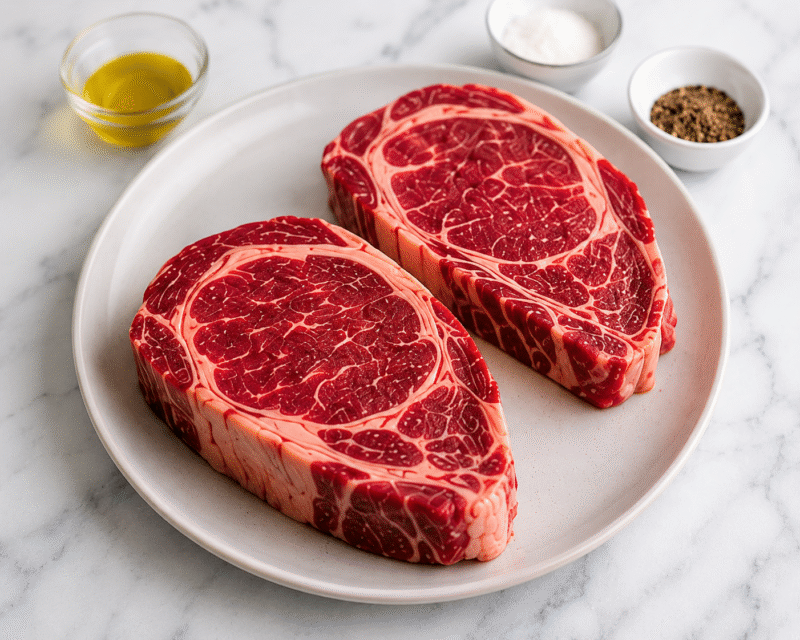
The rise of the "air fryer steak" marks a broader shift in consumer behavior, reflecting a preference for speed and convenience without sacrificing quality. From an economic perspective, the ribeye remains a premium investment. Choosing the correct cut—prioritizing uniform marbling and a consistent thickness of at least one inch—is the most important factor in the success of the meal. Black Angus beef is widely recommended by industry experts for its consistent fat distribution, which provides the best results for high-heat, fast-cooking methods.
Furthermore, the integration of air frying into the mainstream culinary landscape has implications for small-space living and urban cooking. By eliminating the need for a grill, homeowners can achieve steakhouse-quality results in apartment kitchens without the ventilation issues typically associated with pan-searing.
Troubleshooting Common Issues
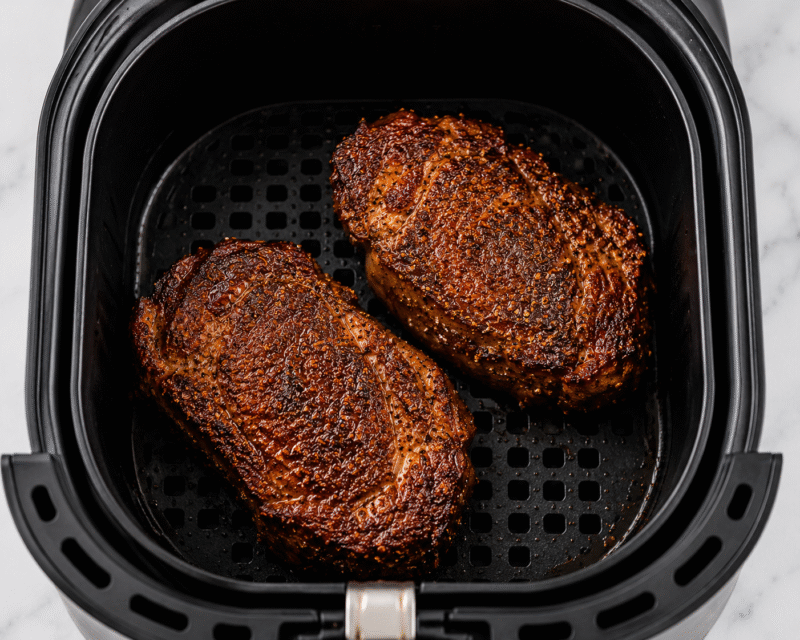
When utilizing an air fryer for heavy proteins, two common errors occur: overcrowding the basket and skipping the preparation phase. Overcrowding the basket prevents the air from circulating, which essentially turns the appliance into a steamer. For optimal results, air should be able to move freely around every side of the meat.
Additionally, the failure to pat the meat completely dry before applying seasonings is a common oversight. While it may seem counterintuitive to dry the surface of a protein that is intended to be juicy, the removal of surface moisture is the absolute prerequisite for the browning crust that defines a premium steakhouse preparation.
Conclusion: The Future of Home Steak Preparation
As appliance technology continues to refine, the gap between home-cooked and restaurant-prepared steaks is closing. By applying professional techniques—such as tempering the meat before cooking, ensuring a dry surface, using a thermometer to verify internal temperatures, and allowing for proper resting—the air fryer proves to be a highly capable tool. It offers a repeatable, efficient, and precise method for preparing a ribeye, effectively democratizing a meal that was once considered the exclusive domain of professional chefs with specialized equipment.