Embracing Autumnal Flavors: A Culinary Blueprint for Midweek Family Dinners and Seasonal Meal Planning

The transition between summer and autumn invariably brings a shift in domestic routines, most notably within the culinary landscape of the household kitchen. As the oppressive heat of July and August gives way to the crisper, cooler days of the fall transition period, agricultural markets experience a wholesale shift in inventory. Root vegetables, hardy greens, crisp apples, and squashes begin to dominate vendor stalls, inspiring home cooks to pivot from light, heat-averse summer salads and grill-centric menus toward comforting, nutrient-dense dishes. Amidst this seasonal awakening, culinary platforms and family food strategists are releasing curated weekly meal plans designed to streamline the dinner hour while maximizing the nutritional yield of freshly harvested produce.
This overarching movement toward structured seasonal meal planning addresses a growing modern demographic demand: the intersection of time-efficiency, budgetary mindfulness, and nutritional integrity. As families navigate demanding work-from-home schedules, hybrid school routines, and extracurricular obligations, the traditional question of "what’s for dinner" frequently introduces significant domestic friction. Professional home economists and culinary developers have increasingly stepped in to alleviate this burden by establishing thematic, easily executable menus that capitalize on regional, seasonal harvesting cycles.
The Economics and Psychology of Weekly Meal Planning
To understand the current surge in popularity surrounding curated weekly meal plans, one must examine the broader socioeconomic factors influencing household food consumption. According to data compiled by agricultural and consumer economics departments, households that implement structured weekly meal planning waste approximately 25% less food than those that approach grocery shopping and cooking on an ad-hoc basis. Furthermore, utilizing seasonal produce—items that are currently at the peak of their natural harvest cycle—frequently correlates with reduced grocery expenditures, as abundant yields drive down per-pound retail costs at both traditional supermarkets and open-air farmers markets.
From a nutritional perspective, consuming produce during its natural harvest season ensures optimal micronutrient retention. Fruits and vegetables that do not endure prolonged cold-storage or transcontinental shipping timelines retain higher concentrations of essential vitamins, minerals, and antioxidants. Culinary experts emphasize that introducing these fresh elements during seasonal inflection points acts as an educational tool for children, fostering an early appreciation for the natural rhythms of agriculture. By incorporating items sourced directly from local agricultural vendors, families not only support regional micro-economies but also cultivate a deeper connection to the provenance of their daily meals.
Midweek Culinary Execution: A Detailed Breakdown
A successful family meal plan must balance complexity with gratification, ensuring that preparation times remain manageable even as the week reaches its busiest intervals. A representative snapshot of a structured mid-autumn menu highlights this balance, offering specific focal points for each evening that minimize prep work while maximizing flavor profiles.
Wednesday: The Synergy of Comfort and Freshness
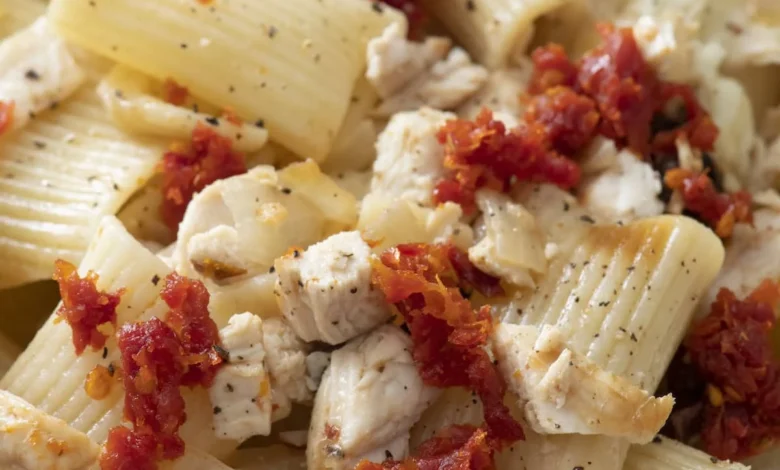
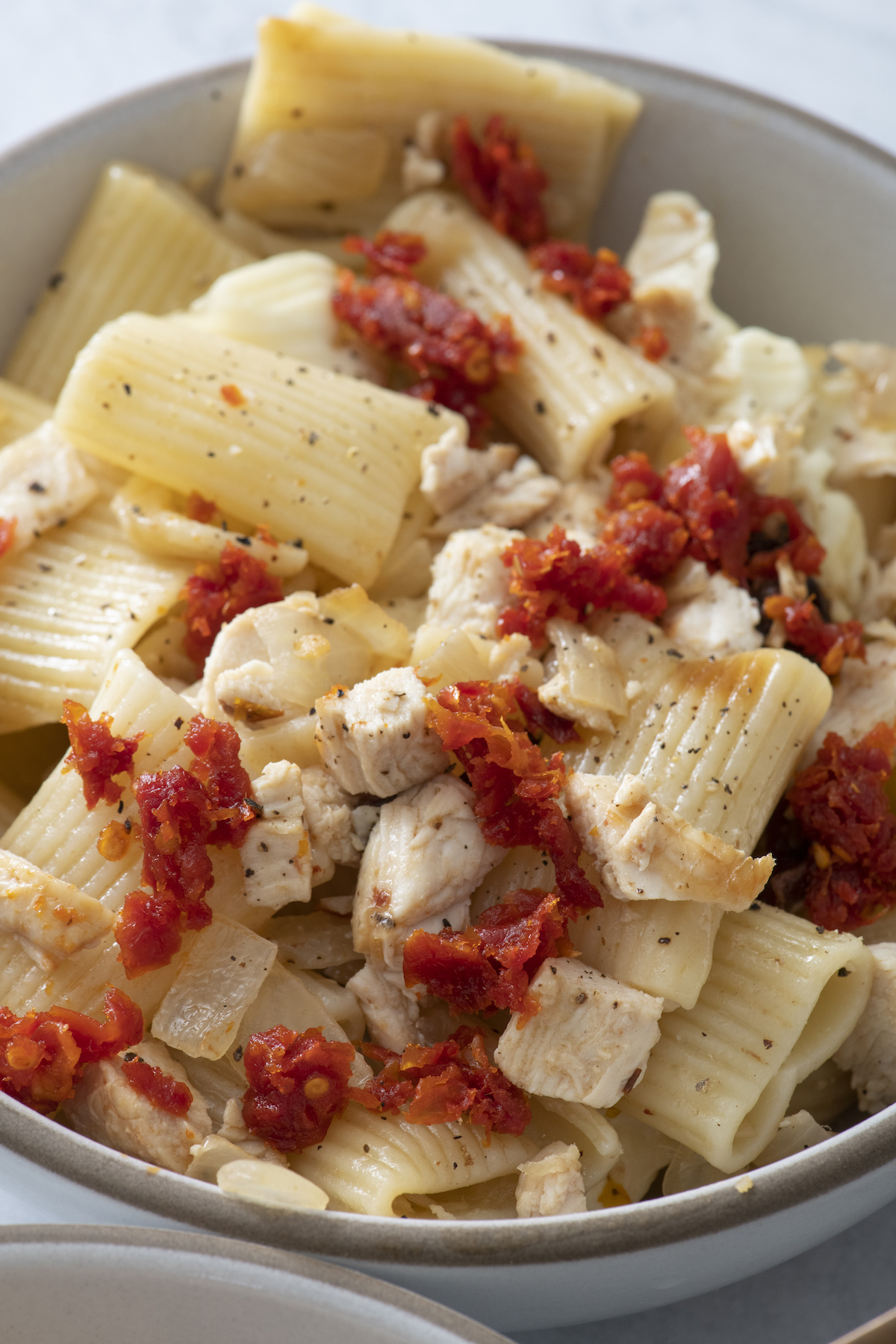
As the midpoint of the work and school week approaches, fatigue often sets in, making quick-assembly meals an absolute necessity. A prime example of this strategy is the integration of Chicken Mozzarella Pasta, paired intentionally with a robust, locally sourced farmers market salad.
From a nutritional standpoint, this pairing offers a harmonious balance of macronutrients. The carbohydrate base provides sustained energy, while the lean protein from the chicken supports cellular repair and muscle maintenance. The incorporation of fresh mozzarella introduces calcium and high-quality dairy fats, which aid in the absorption of fat-soluble vitamins found in the accompanying salad. By anchoring the meal with a large-format salad constructed from seasonal greens, cucumbers, and tomatoes gathered at a regional agricultural market, the dish successfully bridges the gap between comforting indulgence and raw nutritional vitality. Culinary instructors frequently cite this specific recipe combination as a masterclass in efficiency, noting that total active preparation time rarely exceeds thirty minutes, rendering it highly accessible for time-crunched parents.
Thursday: Streamlining the Fast-Food Alternative
As the working week draws toward its conclusion on Thursday evening, domestic energy reserves are typically depleted. Rather than succumbing to the temptation of processed convenience foods or expensive restaurant delivery services, structured meal plans often advocate for elevated interpretations of classic comfort foods prepared efficiently at home.
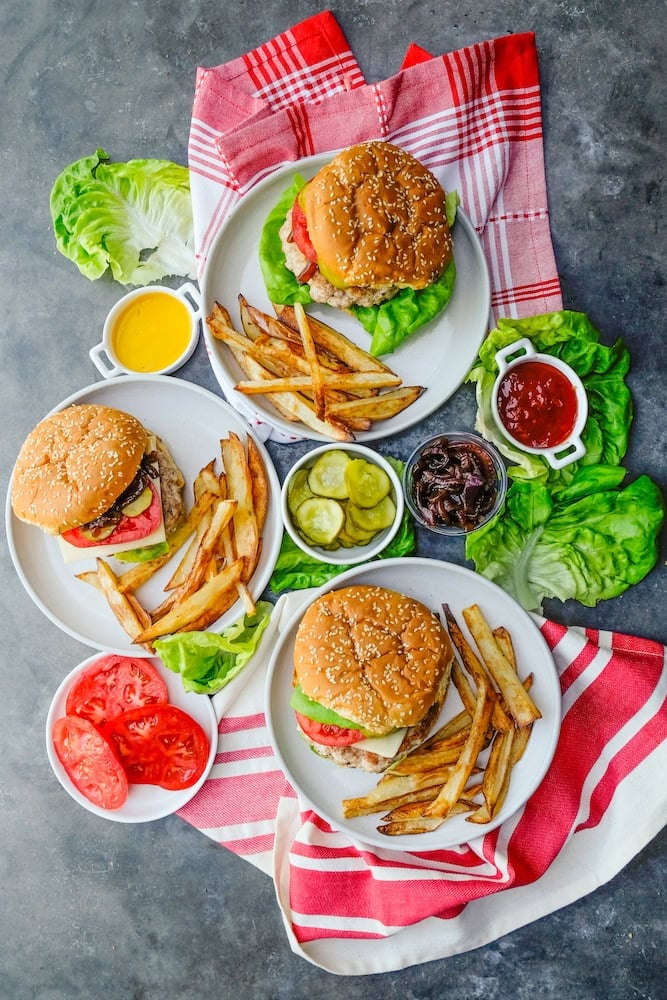
Turkey burgers served with comprehensive topping arrays, accompanied by air-fried French fries, represent a strategic compromise between family appeasement and nutritional optimization. Ground turkey serves as a leaner alternative to traditional beef, offering high protein content while significantly reducing saturated fat intake. The addition of customizable toppings—such as organic leaf lettuce, heirloom tomatoes, red onions, and artisanal condiments—allows diners to incorporate additional dietary fiber and micronutrients.
The integration of modern kitchen technology, specifically the air fryer, has revolutionized the preparation of traditional side dishes. By utilizing rapid air circulation technology, home cooks can achieve the desired crisp texture of French fries using a fraction of the oil required by traditional deep-frying methods. This technique dramatically reduces the overall caloric density of the meal without sacrificing the sensory satisfaction associated with comfort food. Nutritionists note that this approach successfully deters the psychological restriction that often causes diet fatigue, maintaining family morale while keeping health metrics within balanced parameters.
The Sociological Importance of the Weekend Break: Supporting Local Enterprise
An often-overlooked component of sustainable meal planning is the deliberate inclusion of restorative pauses, such as the traditional Saturday night restaurant order-in. While home-cooking proponents champion daily culinary creation, sociologists and family therapists emphasize the psychological necessity of relinquishing domestic labor at the conclusion of a rigorous week.
Ordering from a local, independent restaurant on a Saturday evening serves a dual purpose within the community ecosystem. Economically, it provides vital financial support to small-scale culinary establishments, independent restaurateurs, and local service workers who form the backbone of regional food economies. Culturally, it offers families an opportunity to explore diverse culinary traditions, expose developing palates to international flavor profiles, and enjoy a communal dining experience free from the pressures of food preparation and subsequent kitchen sanitation. Experts in domestic management suggest that scheduling this predictable break prevents burnout among primary meal preparers, ensuring that the enthusiasm for home cooking remains sustainable over the long term.
Expert Perspectives and Industry Implications
Culinary personalities and family nutrition advocates have increasingly utilized digital platforms to disseminate these structured methodologies. Catherine, a prominent voice in family nutrition and the creator of popular meal-planning resources, emphasizes a foundational philosophy that underpins modern menu design: all children possess the capacity to develop into enthusiastic, adaptable eaters, provided that the mealtime environment remains accessible, positive, and uncomplicated.
According to behavioral psychologists specializing in child development, simplifying the meal planning process directly impacts household stress levels. When parents operate with a predetermined blueprint for the week, decision fatigue is mitigated, reducing the likelihood of last-minute nutritional compromises. Furthermore, involving children in the selection of seasonal produce at farmers markets or during the final assembly of dishes fosters a sense of agency that dramatically increases their willingness to try new foods.
Broader Impact on Public Health and Consumer Behavior
The escalating popularity of seasonal meal planning reflects a broader cultural renaissance centered on intentional living and conscious consumerism. As public health initiatives increasingly highlight the correlation between ultra-processed food consumption and chronic metabolic disorders, domestic cooking has transitioned from a mundane household chore to an act of preventative healthcare.
Market research indicates a sustained upward trend in the sales of seasonal agricultural goods, air fryers, and meal-planning software applications. This economic shift suggests that consumers are actively seeking technological and organizational tools to reclaim control over their nutritional intake. By aligning home menus with the agricultural calendar, households are not only optimizing their grocery budgets but also participating in a sustainable food movement that prioritizes environmental stewardship, local economies, and holistic family wellness.
Looking ahead, culinary strategists anticipate that digital meal planning will continue to evolve, integrating artificial intelligence to customize weekly menus based on real-time family dietary restrictions, local grocery store inventory, and hyper-local seasonal harvesting schedules. Regardless of the technological advancements, however, the core mission remains unchanged: to transform the daily dinner hour from a source of stress into an opportunity for connection, nourishment, and seasonal celebration.