The Nutritional Framework of Oat-Based Breakfast Solutions
The reliance on oats as a primary component in breakfast bars is supported by extensive nutritional data. Oats are recognized by health organizations worldwide for their high concentration of beta-glucan, a soluble fiber linked to improved heart health and sustained glycemic control. When integrated into a baked bar format, these grains serve as a complex carbohydrate base that provides steady energy release, distinguishing them from highly processed, sugar-laden commercial alternatives.
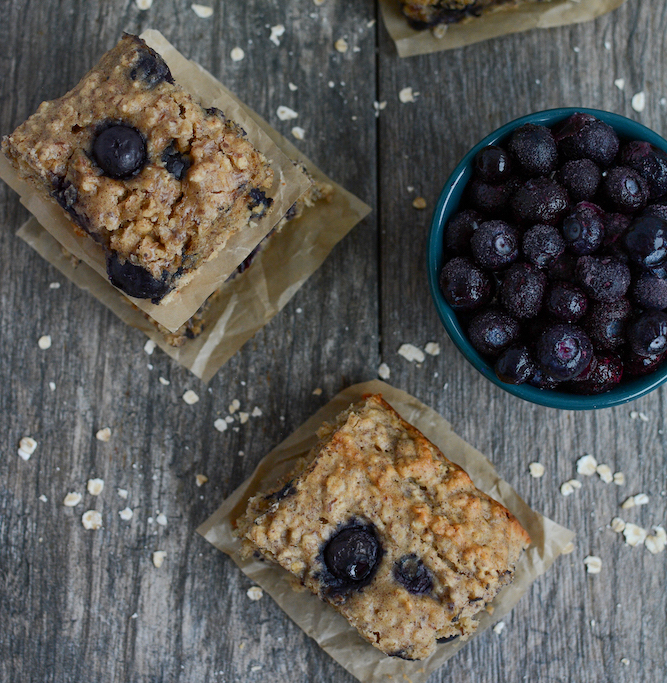
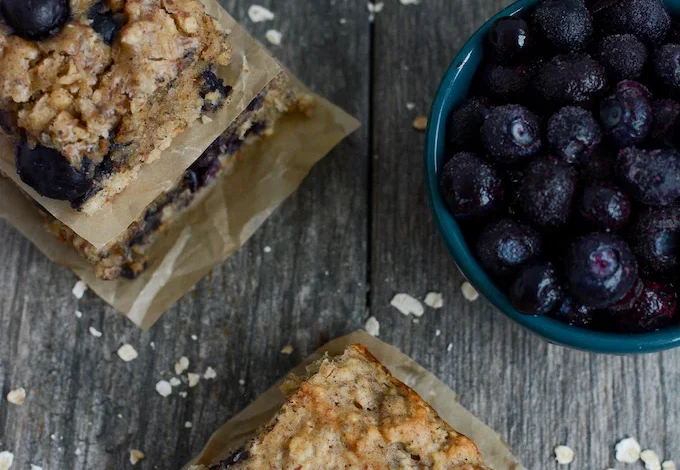
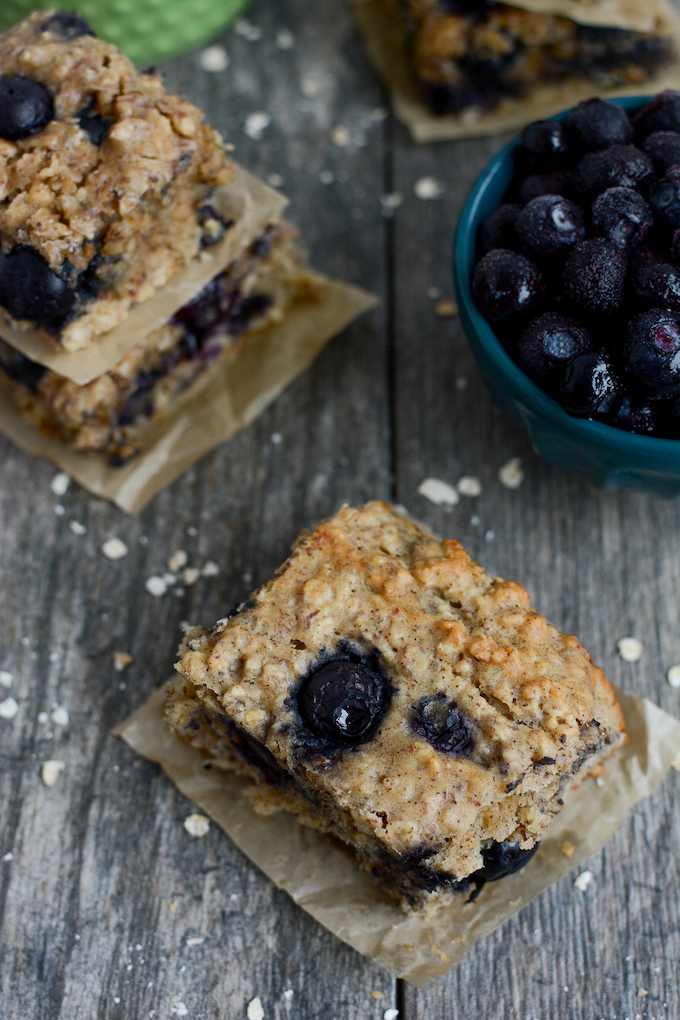
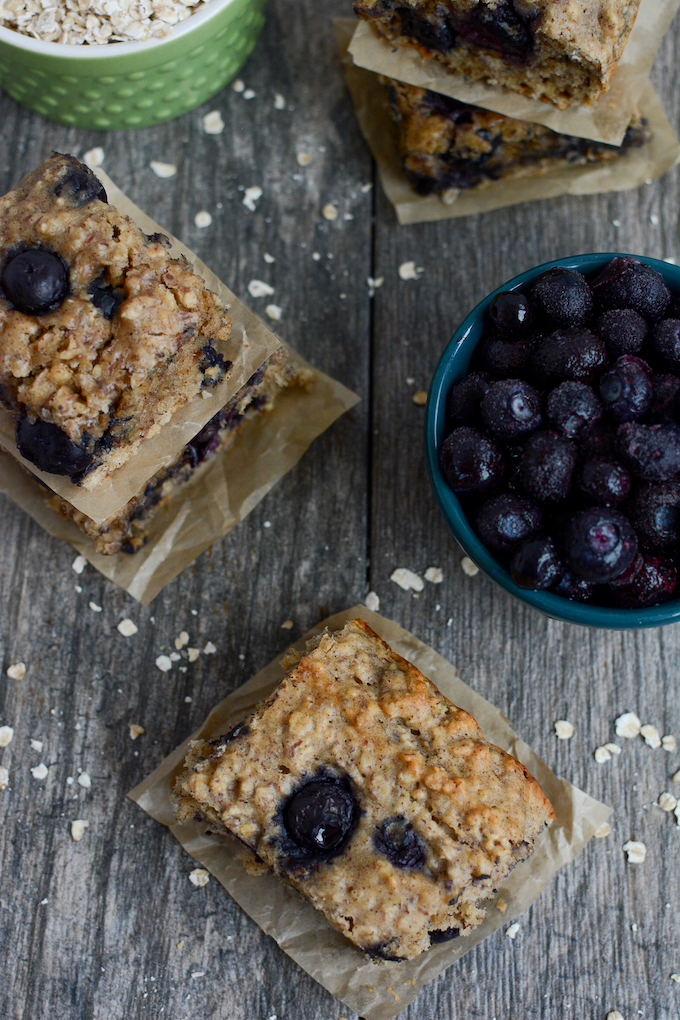
The inclusion of blueberries, whether fresh or frozen, introduces essential antioxidants, specifically anthocyanins, which have been clinically studied for their roles in reducing oxidative stress. By incorporating Greek yogurt into the base, the nutritional profile of these bars is further enhanced through the addition of complete proteins and probiotics, elevating a standard snack into a more balanced functional food.
Chronological Development and Preparation Methodology
The methodology for creating these bars has been refined to prioritize structural integrity and moisture retention. The standard preparation process involves a systematic integration of wet and dry components to ensure optimal texture.
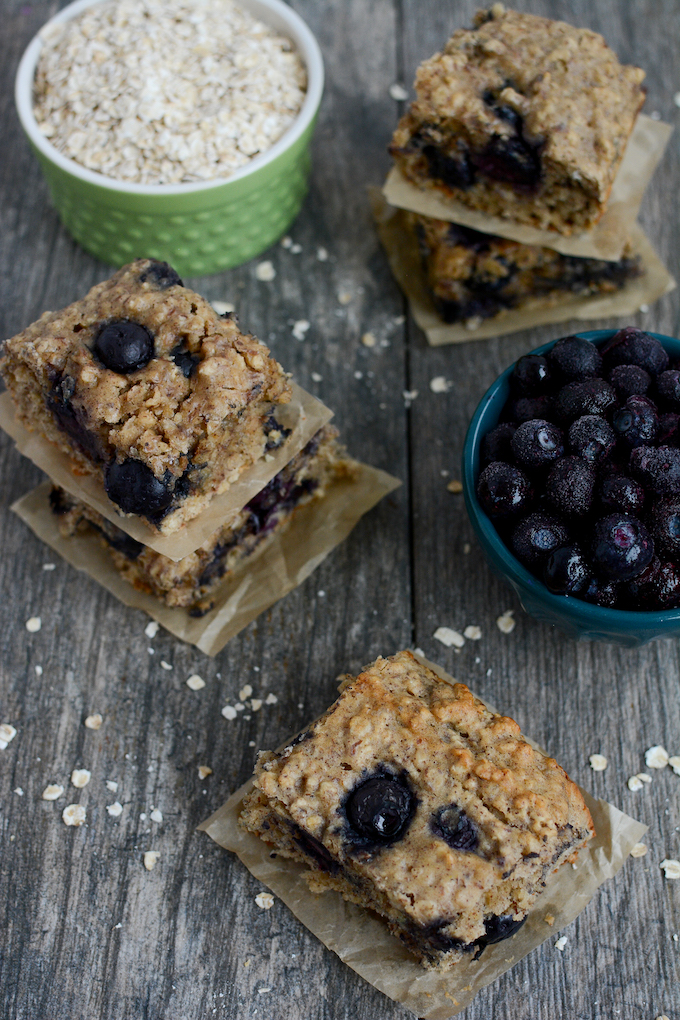
- Ingredient Preparation: The process begins with the selection of quick-cooking oats, which are preferred for their smaller surface area, allowing for a more cohesive crumb structure compared to thicker, rolled varieties.
- Blending and Binding: Wet ingredients—typically including Greek yogurt, eggs, and chosen sweeteners—are combined first. This step is critical for ensuring the emulsification of fats and binders.
- Incorporation: Dry ingredients, including flour (or gluten-free alternatives), leavening agents, and fiber boosters such as ground flaxseeds, are folded in. Blueberries are added in the final stage to prevent the fruit pigments from bleeding excessively into the dough.
- Thermal Processing and Cooling: The mixture is transferred to a prepared baking vessel. Post-baking, a mandatory cooling period is required; this allows the starches and proteins to set, preventing the structural failure often observed in high-moisture, fiber-rich baked goods.
Comparative Analysis: Homemade vs. Commercial Alternatives
Market analysis indicates that consumers are increasingly migrating away from store-bought granola and breakfast bars due to concerns regarding "hidden" sugars, artificial preservatives, and the lack of protein density. Commercial bars often rely on high-fructose corn syrup or excessive added sugars to improve palatability and shelf stability.
In contrast, the homemade approach offers a transparent supply chain of ingredients. The capacity to adjust sweeteners—replacing refined sugar with fruit-based alternatives like mashed banana or applesauce—allows for a significant reduction in the glycemic load of the breakfast item. Furthermore, the ability to tailor the protein content by incorporating hemp seeds, chia seeds, or pumpkin seeds allows for a customized nutritional profile that is rarely matched by mass-produced, shelf-stable products.
Dietary Adaptations and Scalability
The versatility of the base recipe allows for significant modifications to accommodate diverse dietary requirements:
- Gluten-Free Requirements: The transition to a gluten-free diet is facilitated by replacing standard wheat flour with certified gluten-free 1:1 blends and ensuring the use of uncontaminated oats.
- Dairy-Free and Vegan Adjustments: The substitution of Greek yogurt with plant-based alternatives (such as almond or soy-based yogurt) and the use of flax or chia "eggs" ensures that the product remains accessible to those with dairy sensitivities or ethical dietary restrictions.
- Micronutrient Enrichment: The addition of seeds provides a scalable method to increase omega-3 fatty acid intake. Research suggests that incorporating these seeds into baked goods is an effective way to improve the satiety index of the meal without significantly altering the flavor profile.
Storage and Preservation Logistics
A primary logistical challenge for homemade, preservative-free bars is the management of moisture and shelf-life. Because these bars lack the synthetic humectants found in industrial manufacturing, they are susceptible to rapid spoilage if stored at room temperature, especially in humid or warm environments.
Journalistic inquiry into food safety suggests that a temperature-controlled environment is essential. Refrigeration is recommended for storage exceeding 48 hours to mitigate the risk of microbial growth. For long-term storage, freezing is the most viable strategy. When properly packaged in airtight, freezer-safe materials, these bars maintain their structural integrity for several weeks. The rapid-thaw capability of the bars—achieved via microwave or room-temperature exposure—makes them a highly efficient option for high-frequency breakfast consumption.
Broader Public Health Implications
The rise of the "breakfast bar" as a household staple reflects a broader shift toward proactive nutrition management. Public health initiatives in recent years have emphasized the importance of fiber intake to combat metabolic syndrome and obesity. By promoting the consumption of whole grains and antioxidant-rich fruits through accessible, low-barrier-to-entry recipes, home cooking advocates are effectively contributing to improved dietary habits.
The environmental impact of this shift is also noteworthy. By utilizing seasonal blueberries and minimizing the reliance on plastic-wrapped, single-use commercial snacks, consumers reduce their individual carbon footprint associated with packaging waste and industrial food transportation.
Technical Recommendations for Quality Control
For those seeking to implement these nutritional strategies at scale or in a domestic setting, consistency is achieved through precision. The use of weight-based measurements, as opposed to volumetric, is advised to maintain the delicate balance between the hydration provided by the yogurt and the absorption capacity of the oat and flax components.
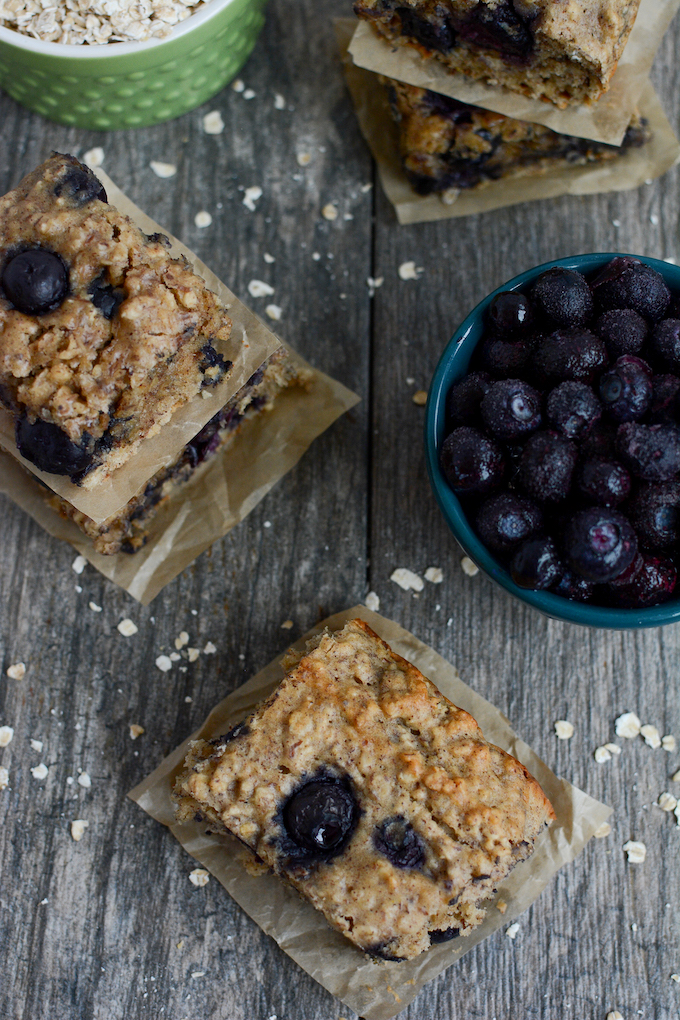
The structural failure of bars, often cited as a common grievance, is frequently traced back to inadequate cooling times or insufficient binding agents. The addition of ground flaxseeds not only provides nutritional value but also acts as a natural stabilizer, creating a cross-linked structure that holds the bar together even when packed into bags or containers for transit.
Conclusion
The evolution of the blueberry oat breakfast bar from a simple recipe to a sophisticated, customizable, and nutrient-dense meal option signifies a wider trend in domestic culinary practices. As consumers gain access to more detailed nutritional data and understand the physiological benefits of fiber and antioxidant-rich diets, the preference for homemade, controlled-ingredient meals will likely continue to expand. Through strategic ingredient selection—such as the use of quick oats, ground flax, and varied protein sources—these bars stand as a testament to the intersection of culinary convenience and long-term health maintenance. By adhering to standardized cooling and storage protocols, individuals can ensure that these bars remain a safe, reliable, and high-quality component of a balanced daily diet.
Related posts: