Fourth Trimester Podcast Episode 182: How to Use Your Embodied Voice to Get Support and Connect With Your Baby


Navigating the profound physical, emotional, and social transitions of the postpartum period presents formidable challenges for many new parents. Amid the sleep deprivation, round-the-clock feeding schedules, and identity shifts, simply articulating one’s personal needs can feel like an insurmountable task. Addressing this critical aspect of early parenthood, the latest installment of the Fourth Trimester Podcast, Episode 182, delves into the transformative power of the human voice as a tool for maternal empowerment, boundary setting, and infant bonding.
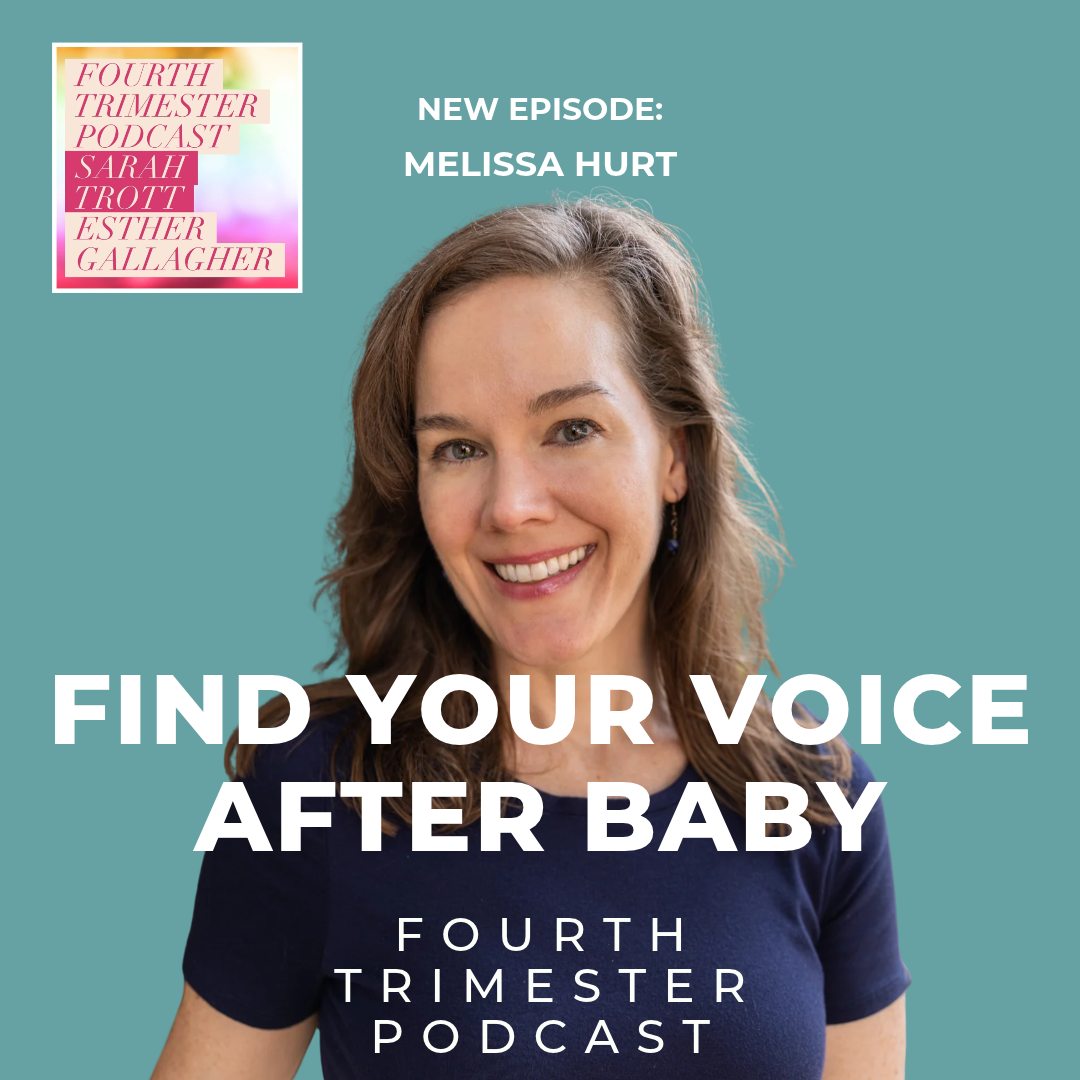
Hosted by Sarah Trott and Esther, the episode features Dr. Melissa Hurt, an accomplished BodyVoice Coach, Lessac Certified Trainer, yoga instructor, and author of The Postpartum Path of Yoga. Together, the panel explores how new parents can harness their "embodied voice"—a physiological and psychological concept connecting breath, sound, and intention—to communicate effectively with partners, navigate complex family dynamics regarding visitors, and forge a deeper sonic connection with their newborns.
The Postpartum Landscape: The Challenge of Finding One’s Voice
The postpartum phase, frequently referred to as the "fourth trimester," is universally recognized by maternal health specialists as a period of intense vulnerability. According to data from the Centers for Disease Control and Prevention (CDC) and maternal health advocacy groups, up to 85 percent of new mothers experience "baby blues," while roughly 1 to 7 women suffer from postpartum depression or anxiety. During this fragile window, the cognitive and emotional energy required to assess personal needs and subsequently voice them to a partner, family member, or medical professional is often severely depleted.
In the episode, Dr. Hurt emphasizes that the voice is not merely a mechanism for verbal communication, but an integral physiological component of overall well-being. "Your voice is an integral part of being able to fully show up and be present and take action in your life," Dr. Hurt notes, highlighting the disconnect many postpartum individuals experience. When a person becomes a parent, the sudden pivot toward prioritizing an infant’s demands can inadvertently silence the parent’s internal cues, leading to isolation, resentment, and heightened stress levels.
The Mechanics of the Embodied Voice and Gentle Practices
To combat this systemic depletion, Dr. Hurt introduces listeners to actionable, somatic techniques designed to ground the nervous system and re-establish agency through sound. Central to her methodology is the practice of gentle humming—specifically exercises such as the "Y-buzz"—which utilizes vocal vibrations to stimulate the vagus nerve, promote relaxation, and signal safety to a hyper-vigilant nervous system.
From a physiological perspective, intentional vocalization and controlled breathing regulate the autonomic nervous system, shifting the body away from the "fight-or-flight" sympathetic response triggered by a crying infant or overwhelming household duties. Dr. Hurt explains that by taking a deliberate pause, breathing deeply, and engaging the physical body through sound, parents can transition from a state of reactive overwhelm to proactive clarity.
Furthermore, this embodied approach extends beyond self-regulation; it serves as a bridge for infant attachment. Human infants are biologically attuned to auditory stimuli from their time in utero, where they predominantly experience the muffled sounds of the maternal heartbeat, digestion, and voice. Utilizing a gentle, humming vocal tone post-birth provides a familiar, soothing acoustic environment for the newborn, reinforcing secure attachment and emotional regulation in the infant.
Navigating Boundaries: Managing Postpartum Visitors
One of the most contentious and anxiety-inducing aspects of the early postpartum weeks involves managing well-meaning family members and friends who are eager to meet the new baby. Societal expectations frequently pressure new parents into opening their homes immediately following birth, often at the direct expense of the mother’s physical recovery and the family’s adjustment period.
During Episode 182, the hosts and Dr. Hurt dissect the linguistic and psychological hurdles of setting firm boundaries around household visits. The discussion provides listeners with concrete phrasing to articulate their boundaries without inviting guilt or conflict. By anchoring these requests in the embodied voice—speaking from a grounded physical stance with steady breath—parents can transform vague discomfort into clear, actionable statements.
For instance, rather than defaulting to passive acceptance of unannounced or early visitors, parents are encouraged to use specific requests, such as designating dedicated rest windows or asking visitors to contribute practical support (e.g., bringing a meal or handling laundry) rather than simply holding the baby. This communication strategy helps mitigate the depletion commonly reported by primary caregivers during the first six weeks postpartum.
Broader Implications for Maternal Health and Family Dynamics
The conversation featured on the Fourth Trimester Podcast aligns with a broader, growing movement within perinatal care that prioritizes maternal mental health and holistic recovery. Historically, postpartum medical care has focused heavily on the physical healing of the birthing parent—primarily the six-week postpartum checkup—while largely neglecting the psychological, emotional, and relational adjustments required during this milestone.
Experts in maternal psychology note that unmet needs and poor communication during the early postpartum months are primary contributors to marital strain and prolonged psychological distress. By equipping parents with somatic tools like the embodied voice, platforms such as the Fourth Trimester Podcast fill a critical education gap left by traditional clinical pathways.
When parents learn to name their needs, ask for targeted assistance, and enforce necessary boundaries, the entire family ecosystem benefits. Partners gain clarity on how to provide meaningful support, newborns experience a calmer and more responsive primary caregiver, and the birthing parent retains a vital sense of autonomy and self-efficacy during a time of immense transition.
Conclusion and Ongoing Resources
Episode 182 of the Fourth Trimester Podcast serves as a timely reminder that the journey into parenthood does not require individuals to completely sacrifice their own voices. Through intentional breath, somatic awareness, and gentle vocal practices like humming, new parents can reclaim their agency, foster profound connections with their infants, and cultivate a supportive environment essential for long-term family wellness.
Listeners seeking to explore these practices further can access Dr. Melissa Hurt’s resources through her official website, which offers free voice practice guides, or reference the comprehensive show notes provided by the Fourth Trimester Podcast network. These materials complement a wide array of curated postpartum planning tools, birth plan templates, and expert interviews aimed at guiding families through the foundational months of parenthood.