Navigating the Culinary Divide: Strategies for Feeding Families with Diverse Food Preferences


The nightly dinner dilemma is a familiar scene in households across the nation, a recurring challenge that can transform the kitchen from a place of nourishment into a battleground of conflicting tastes. For parents and partners striving to create harmonious family meals, the reality of differing food preferences—from the plain-pasta devotee to the vegetable-averse child and the protein-focused spouse—can be exhausting and, at times, demoralizing. This widespread struggle often leads to the impulse to resort to quick, individual meals, leaving many questioning their efficacy as meal providers. However, a registered dietitian and experienced parent offers a measured approach, bridging the gap between being a short-order cook and a rigid disciplinarian, providing practical, judgment-free strategies for families to achieve communal dining without succumbing to mealtime chaos.
The article, drawing on the expertise of a registered dietitian who also navigated her own picky eating journey and that of her husband, emphasizes that encountering diverse food preferences within a single household is a normal developmental and familial experience, not a reflection of parenting failure. Children’s palates are inherently more sensitive to bitter tastes as they develop, while adults bring their own ingrained preferences and past experiences to the table. The overarching goal is not to homogenize tastes but to foster a sustainable family meal environment where everyone feels accommodated and stress is minimized.
Understanding the Genesis of Diverse Palates
The divergence in food preferences is a multifaceted phenomenon rooted in biology, psychology, and personal history. Young children, in particular, exhibit neophobia, a natural wariness of new foods, often linked to evolutionary survival instincts. Their taste receptors are also more attuned to bitter compounds, which can signal toxicity. This biological predisposition, combined with the influence of early exposure, learned behaviors, and even sensory sensitivities, contributes to the wide spectrum of eating habits observed in families. Furthermore, adult partners often carry their own "food baggage" from childhood, shaping their adult eating patterns and expectations. Understanding these underlying factors is crucial for adopting empathetic and effective strategies. Research in pediatric nutrition consistently highlights that repeated, pressure-free exposure to new foods is more effective than forcing consumption. Studies suggest it can take anywhere from 10 to 15 exposures, and sometimes significantly more, for a child to accept a new food. This underscores the importance of patience and consistency in mealtime practices.
The Foundational Principle: One Meal for All
At the heart of successful family meal management lies a core principle: the preparation of a single, cohesive meal for the entire household. This approach, while seemingly restrictive to some, is fundamental to avoiding the logistical and emotional drain of catering to individual demands. By preparing one meal, the intention is to foster a shared dining experience, reducing the perceived burden on the primary meal preparer and encouraging a sense of unity at the table. This strategy aims to dismantle the "short-order cook" mentality, where meals are prepared piecemeal based on immediate requests, leading to increased labor and potential resentment. The emphasis is on a unified culinary effort that can be adapted to meet varied needs, rather than a series of individualized culinary productions.
Strategy #1: Embrace the "Build Your Own" Concept
A highly effective method for navigating differing preferences is the "Build Your Own Dinner" (BYOD) approach. This strategy involves preparing a single meal but presenting its components separately, allowing each family member to assemble their plate according to their own liking. This empowers individuals, particularly children, by giving them a sense of agency and control over their meal. When individuals have the autonomy to select the foods and the quantities they prefer, they are often more inclined to engage with the meal. This is not about preparing separate meals, but rather a subtle yet impactful shift in presentation that fosters greater acceptance and reduces mealtime resistance.
Examples of BYOD meals include:

- Taco/Burrito Bar: Offering seasoned ground meat or beans, tortillas (corn and flour), shredded lettuce, diced tomatoes, cheese, salsa, and sour cream allows everyone to customize their own tacos or burritos.
- Pasta Bar: A base of plain pasta served with separate bowls of marinara sauce, a creamy Alfredo sauce, grilled chicken or meatballs, and a variety of vegetables (broccoli florets, sautéed mushrooms) enables diverse plate compositions.
- Buddha Bowls: A base of grains like rice or quinoa, with various toppings such as roasted vegetables (sweet potatoes, broccoli), protein sources (grilled chicken, tofu, chickpeas), and flavorful sauces (peanut sauce, tahini dressing) provides a highly customizable experience. A featured recipe for "Kid-Friendly Tofu Bowls with Peanut Sauce" exemplifies this adaptable meal structure.
This strategy acknowledges that acceptance of new foods is a gradual process. The article reminds readers that it can take numerous exposures for children to warm up to unfamiliar dishes. The key is to make these exposures non-pressurized. Forcing a child to eat something or creating a stressful experience can lead to negative associations, hindering future acceptance. Consistent, low-pressure offering is the recommended pathway.
Strategy #2: The Art of the Deconstructed Meal
When a meal doesn’t naturally lend itself to self-assembly, the "Deconstructed Dinner" strategy offers a flexible alternative. This approach involves preparing a meal as usual but discreetly setting aside key components in their plain, unmixed state. This ensures that if a family member expresses reluctance to have ingredients combined, a deconstructed version is readily available. This method requires minimal extra effort, as the core meal preparation remains the same. It’s about anticipating potential objections and having a simple fallback.
Examples of deconstructed meals include:
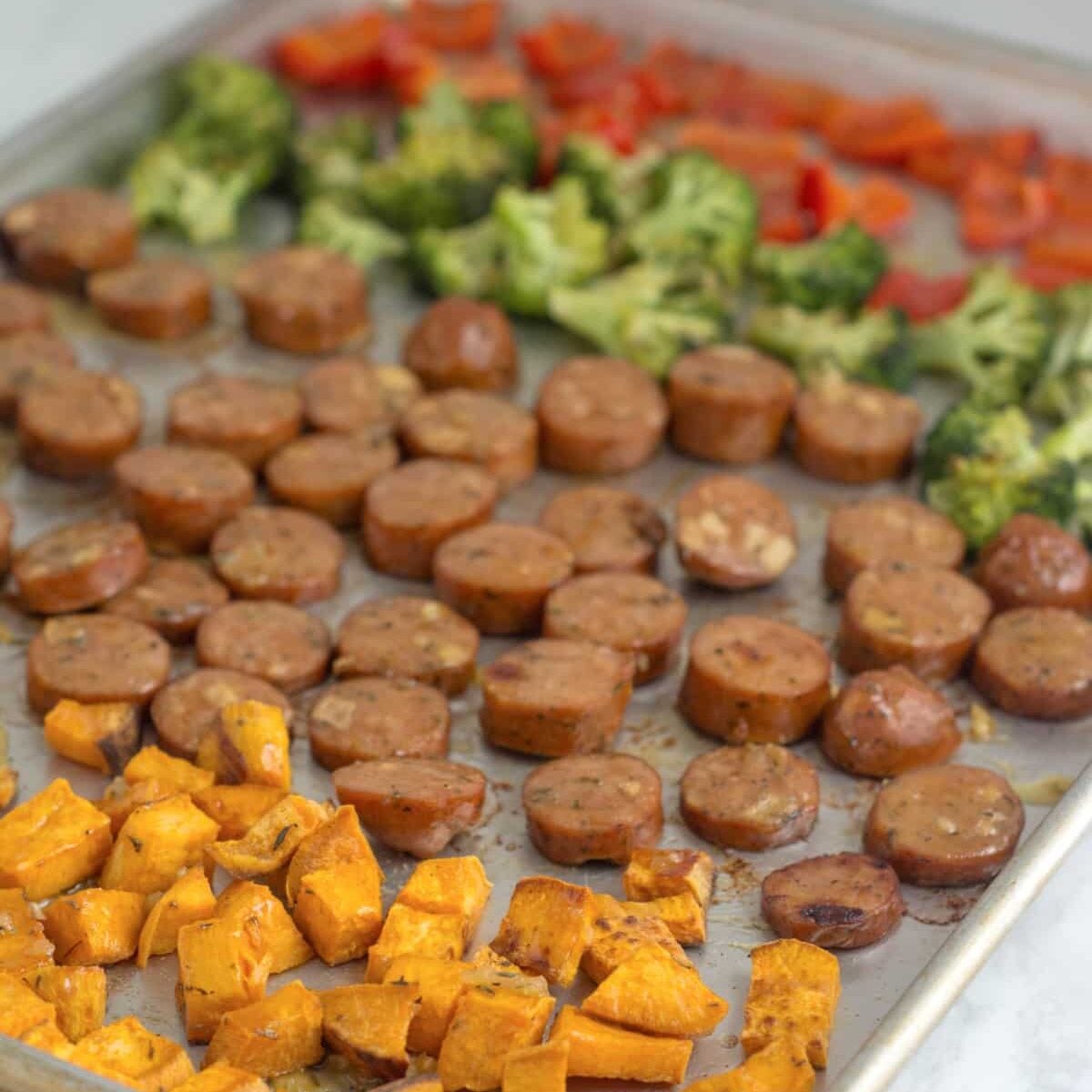
- Sheet Pan Dinners: A sheet pan meal with chicken sausage and various vegetables can be prepared, but some plain sausage and a portion of the roasted vegetables can be served separately for those who prefer them unmixed. A recipe for "Sheet Pan Chicken Sausage & Veggies with Maple-Thyme Drizzle" showcases this adaptable approach.
- Stir-fries: While a stir-fry is typically mixed, individual components like plain rice, a portion of cooked chicken or tofu, and a small serving of steamed vegetables can be offered alongside the main dish.
- Casseroles: A casserole can be prepared with its sauce, but a portion of the main protein or starch can be served plain before being incorporated into the final dish.
It’s important to note that this article acknowledges the spectrum of picky eating. For children with extreme picky eating habits or sensory processing disorders, specialized accommodations may be necessary. In such cases, consulting with a pediatric dietitian or a feeding therapist is recommended to develop a tailored approach.
Strategy #3: The "Safe Food" Anchor
Even when striving for shared meals, it’s crucial for parents to enjoy their own culinary choices. The "Safe Food" strategy allows for this balance. When a desired meal might be met with resistance, the key is to ensure at least one component on the table is a universally accepted "safe food" for picky eaters. This is not a special meal for one person, but rather an element of the shared meal that provides a reliable option.
Examples of "Safe Foods" include:
- Plain Pasta or Rice: A simple base that can accompany almost any dish.
- Steamed or Raw Vegetables: Carrots, cucumber sticks, or bell pepper strips that are generally accepted.
- Bread or Crackers: A familiar and easy-to-eat accompaniment.
- A Favorite Fruit: A naturally sweet and appealing option.
When a family member expresses disinterest in the main dish, they can be calmly reminded of the available safe options. The goal is to offer choice without succumbing to the pressure of preparing an entirely separate meal. This fosters independence and reduces the perception of catering to specific demands.
Strategy #4: Designating "Favorites Night"
To acknowledge and validate individual preferences, instituting a "Favorites Night" can be highly effective. This involves dedicating specific nights within a week or month where each family member gets to choose a meal. This not only ensures that everyone’s tastes are honored but also serves as a powerful lesson in compromise. When children know their preferred meal is scheduled for a particular day, they may be more amenable to the meals served on other days. This cyclical approach to meal planning can significantly reduce overall mealtime tension.
Cultivating a Mindset: "Every Meal Can’t Be Your Favorite"
Beyond specific mealtime tactics, a fundamental mindset shift is essential for long-term success: teaching children that not every meal will align perfectly with their preferences, and that this is a normal aspect of life. This lesson, best introduced early and reinforced consistently, prepares children for a world where culinary variety is the norm. They will encounter meals at friends’ houses, parties, and restaurants that may not be their first choice. Learning to adapt and make do with less-than-ideal food situations is a valuable life skill developed at the dinner table. The article cites the example of chicken pot pie, a dish initially rejected by a child but later embraced through repeated, pressure-free exposure. While not every dish will experience such a transformation, even partial acceptance of previously disliked foods represents a significant victory.
This lesson can be communicated through:
- Casual Remarks: Gentle acknowledgments like, "This isn’t your absolute favorite, but it’s what we’re having tonight," can be effective.
- Modeling Behavior: Parents demonstrating a positive attitude towards a variety of foods, even those they might not personally prefer, sets a powerful example.
- Focusing on Positives: Highlighting the enjoyable aspects of the meal, such as a shared activity or a favorite dessert, can shift the focus away from potential dissatisfaction.
Addressing Adult Food Preferences: The Spouse Factor
The dynamics of differing food preferences are not exclusive to children. Adult picky eaters and spouses with strong culinary opinions can present similar challenges. The strategies outlined for children can be adapted for adult partners:
- Private Conversations: Open and calm discussions away from children are essential to address concerns and establish shared goals for family meals. It’s important to discuss how parental reactions to food influence children’s eating habits.
- Finding Common Ground: Identifying universally accepted dishes or ingredients can serve as a foundation for meal planning. The BYOD and deconstructed meal strategies are particularly effective in these situations.
- Shared Responsibility: Encouraging partners to take turns planning and preparing meals can distribute the burden and allow for individual preferences to be explored.
Ultimately, fostering a positive and flexible approach to family meals, grounded in understanding and consistent strategies, can transform the dinner table from a source of stress into a space for connection and nourishment for all. The journey towards harmonious family dining is ongoing, but with these practical tools, families can navigate the diverse culinary landscape with greater ease and success.