Ground Beef for Babies: A Comprehensive Guide to Safe Introduction and Nutritional Benefits

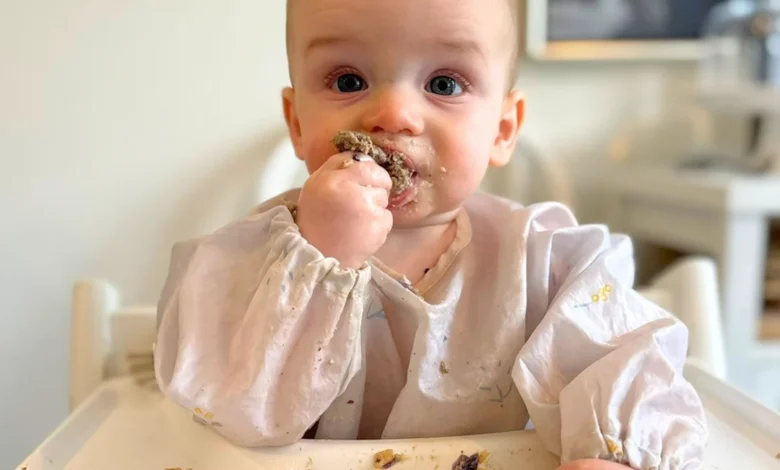
When introducing solid foods to infants, parents often gravitate towards familiar options like bananas, avocados, and sweet potatoes. However, nutritional experts emphasize the importance of incorporating iron-rich foods early in a baby’s diet, with ground beef being a highly recommended first food. This nutrient-dense option plays a crucial role in supporting a baby’s rapid growth and cognitive development, particularly around the six-month mark when their natural iron stores begin to deplete.
The topic of red meat for infants has historically been surrounded by a significant amount of conflicting information, often amplified by social media. This can understandably cause concern for parents striving to provide the best nutrition for their little ones. However, thorough research and expert guidance confirm that ground beef, when prepared appropriately, is not only safe but highly beneficial for babies beginning their journey with solid foods.

Understanding the Nutritional Powerhouse of Ground Beef

Ground beef stands out as a remarkable first food due to its exceptional iron content. Iron is a vital mineral for infants, playing a critical role in brain development, cognitive function, and the prevention of iron deficiency anemia, which is the most common nutritional deficiency among children globally. Babies are born with iron reserves accumulated during gestation, but these stores naturally diminish by approximately six months of age. Introducing iron-rich foods like ground beef at this stage is crucial to replenish these stores and support ongoing development.
Beyond iron, ground beef is a complete protein source, essential for muscle growth and repair. It also provides a spectrum of B vitamins, including B12, which is vital for nerve function and the formation of red blood cells. Additionally, ground beef contains zinc, crucial for immune system function, and selenium, an antioxidant that protects cells from damage. The presence of healthy fats, both saturated and polyunsaturated, further contributes to brain development and overall energy needs for growing infants.
Differentiating Between Processed and Unprocessed Meats

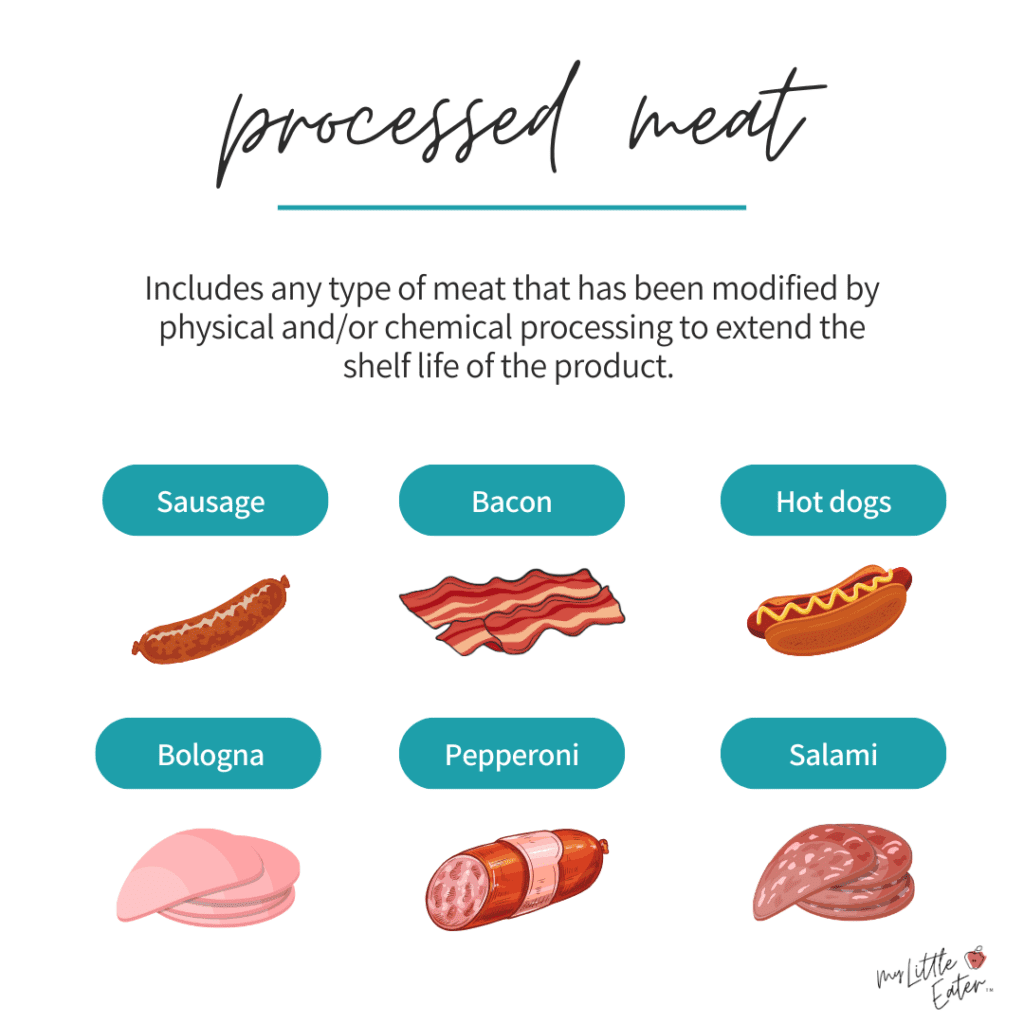
A key distinction that often causes confusion is the difference between processed and unprocessed red meats. Scientific consensus indicates that processed meats, which undergo methods like salting, smoking, curing, or the addition of chemical preservatives (such as nitrates and nitrites), are linked to potential health concerns, including an increased risk of certain cancers and heart disease. Examples of processed meats include hot dogs, deli meats, bacon, and commercial sausages.
It is strongly advised that babies and toddlers avoid processed meats, except for very occasional consumption on special occasions. Unprocessed red meats, such as fresh ground beef, lamb, pork, and veal, have not undergone these significant alterations and do not carry the same health risks. The evidence linking unprocessed, high-quality red meat to adverse health outcomes remains weak and inconclusive, with many studies failing to isolate red meat from other lifestyle factors that can impact health.
The Importance of Iron Absorption
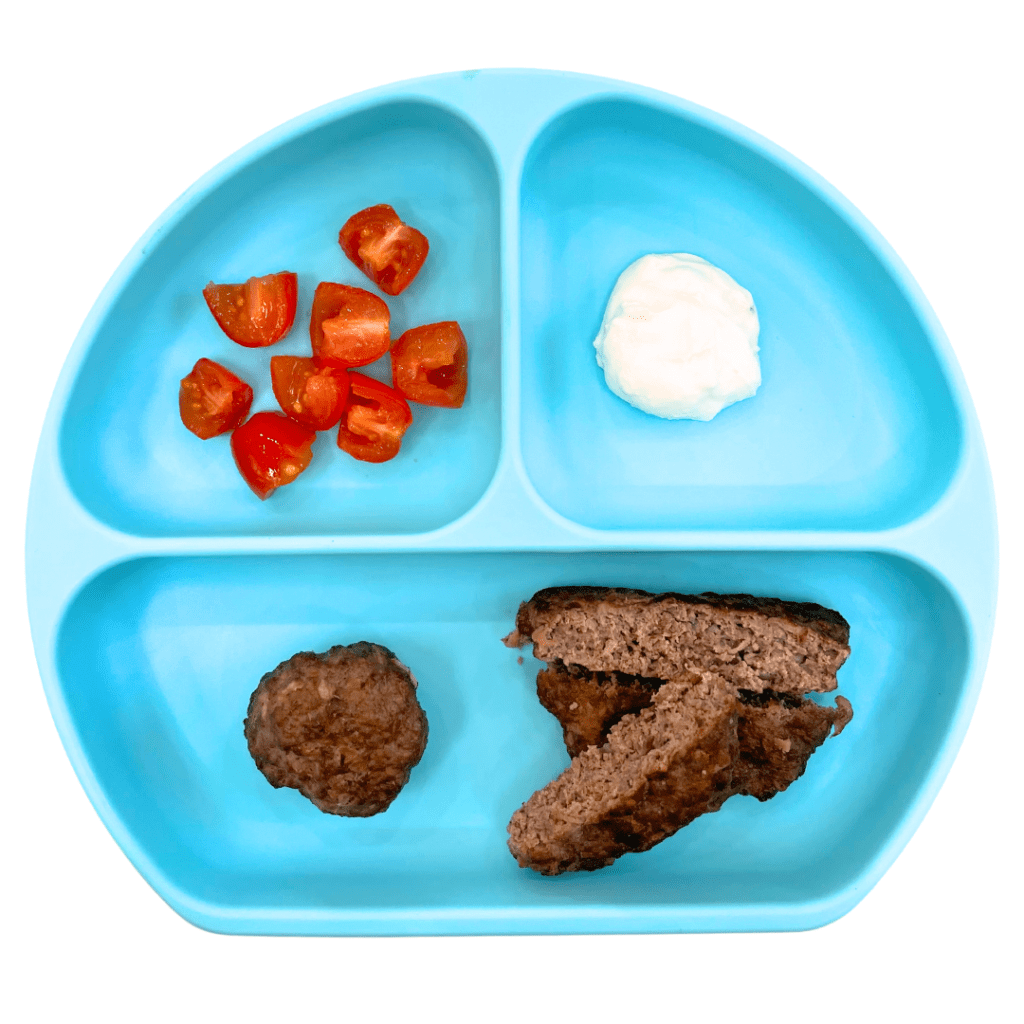
While infant cereals are often fortified with iron, the type of iron they contain is non-heme iron, which is less readily absorbed by the body compared to heme iron found in animal products. Ground beef is an excellent source of heme iron, making it a more efficient way to boost an infant’s iron levels. Furthermore, pairing iron-rich foods with a source of Vitamin C can significantly enhance iron absorption. For instance, serving ground beef in a tomato-based sauce or alongside fruits like berries or citrus can maximize the body’s ability to utilize the iron.
Introducing Ground Beef Safely and Effectively
The introduction of ground beef can commence as early as six months of age, provided the infant is showing all signs of developmental readiness for solid foods. This typically includes being able to sit up with support, having good head and neck control, and showing interest in food.

Preparation methods play a crucial role in ensuring safety and optimal texture for infants:
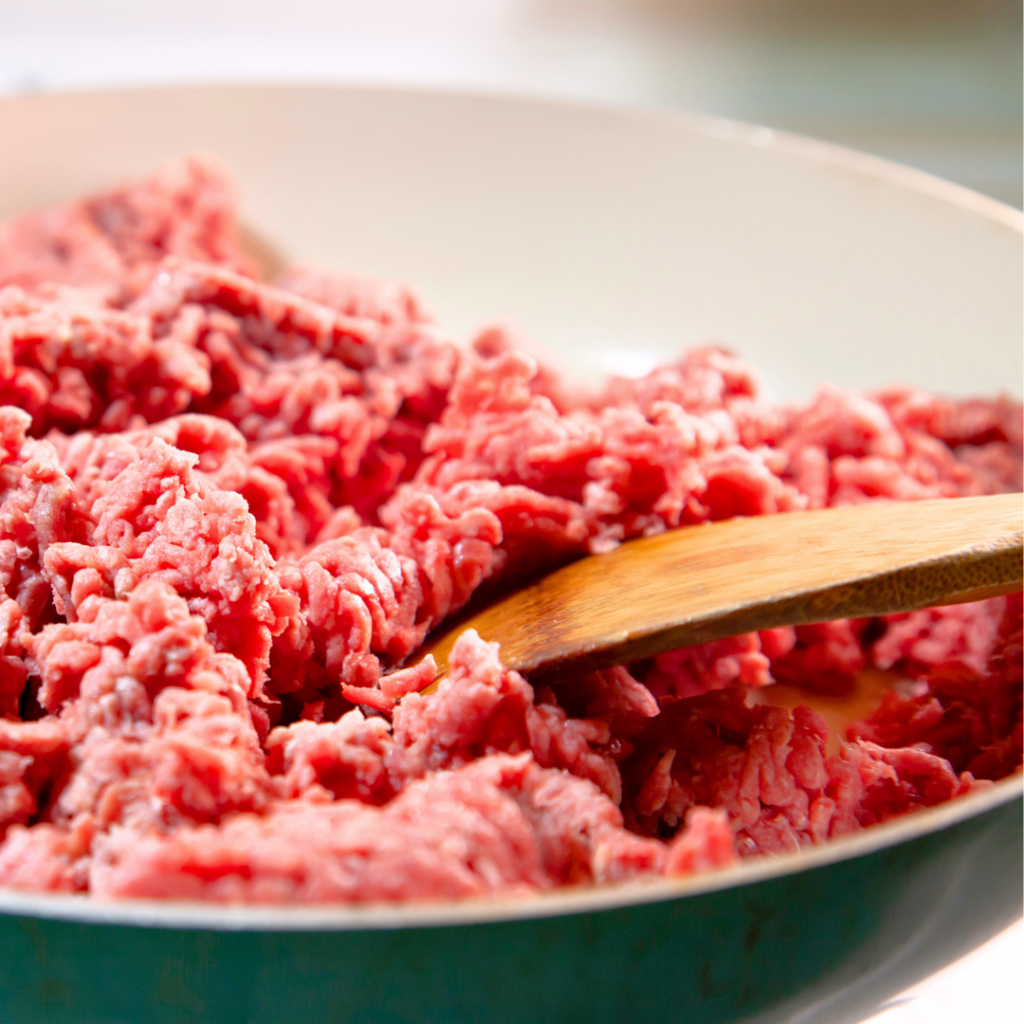
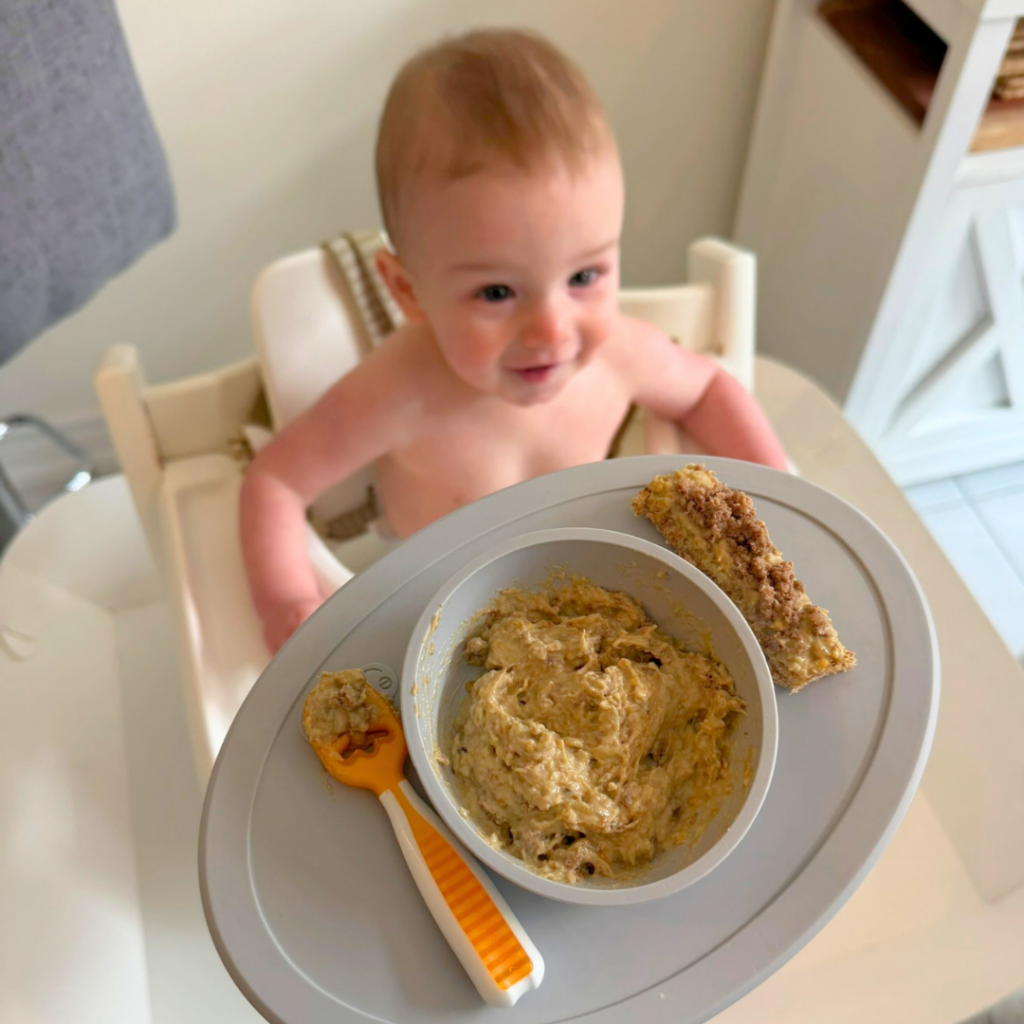
- For Purées (6 months+): Fully cooked ground beef can be blended with breast milk, formula, or water to achieve a smooth consistency. Adding mild herbs and spices like oregano or thyme can introduce a variety of flavors from an early age.
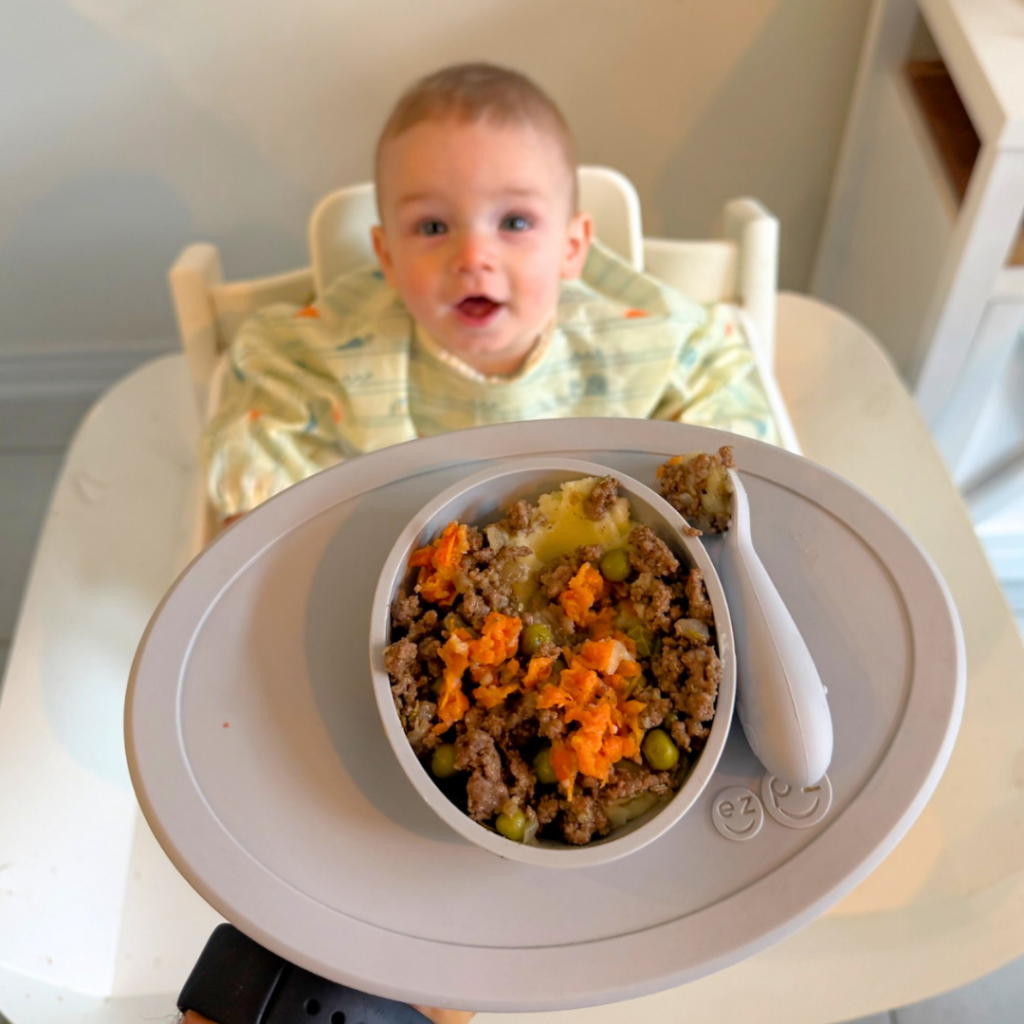
- For Lumpy Purées/Soft Textures (6 months+): As babies progress, ground beef can be mixed into soft, easily mashable foods like mashed potatoes or yogurt. Serving it in sauces or chilis is also an option, ensuring the texture is manageable.
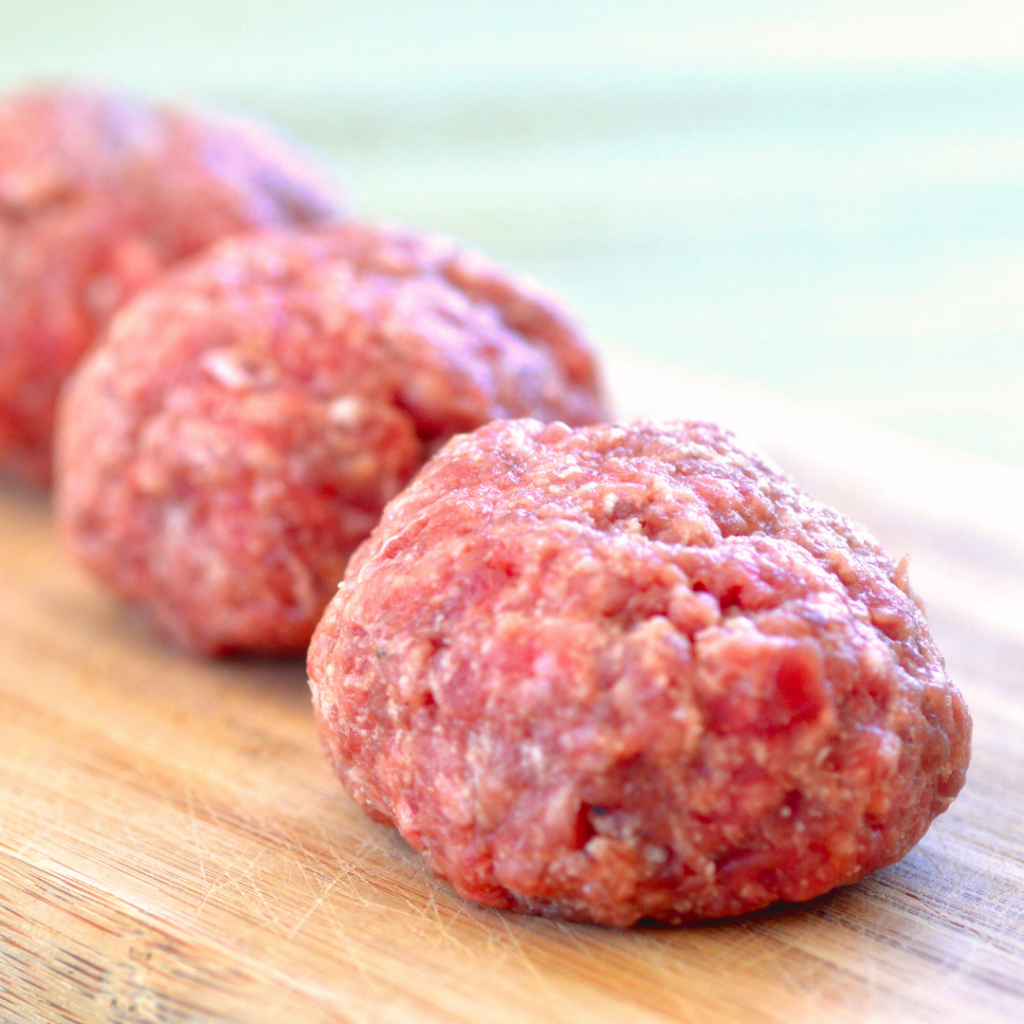
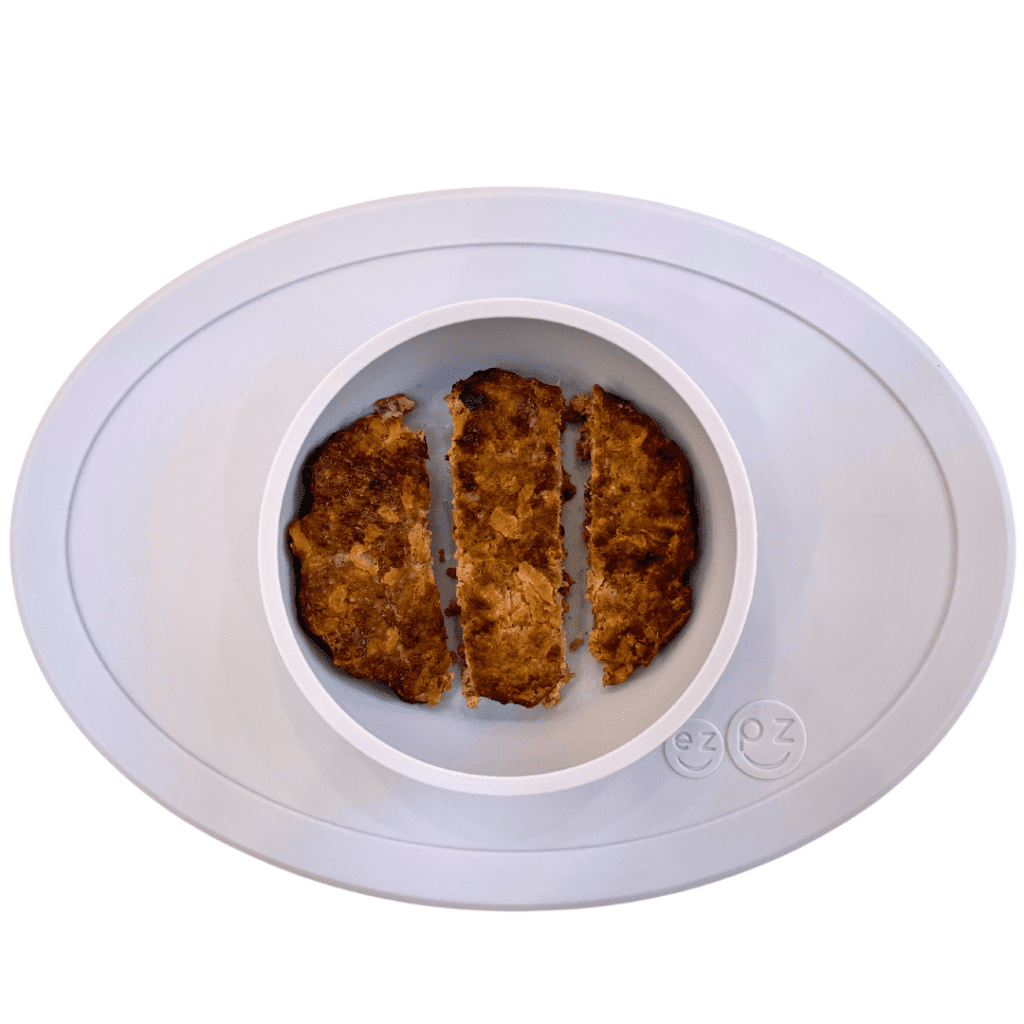
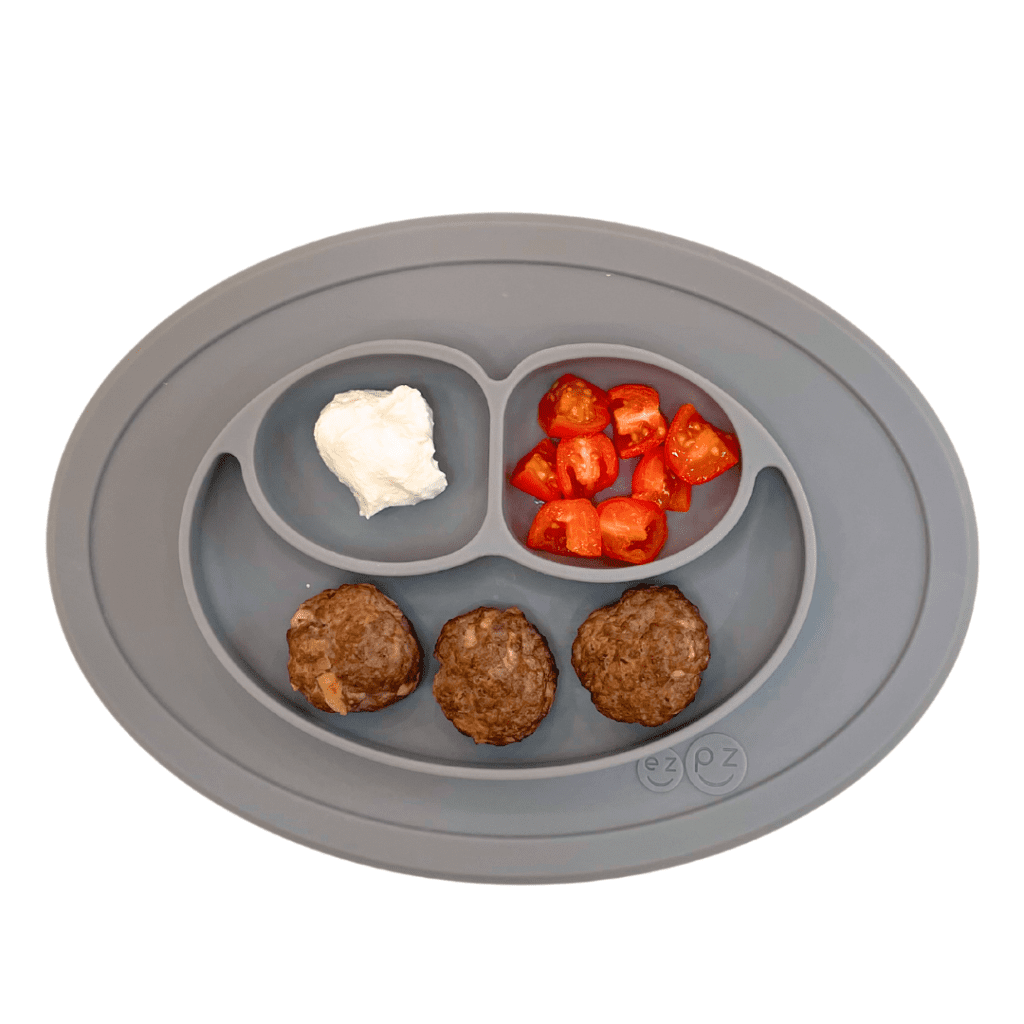
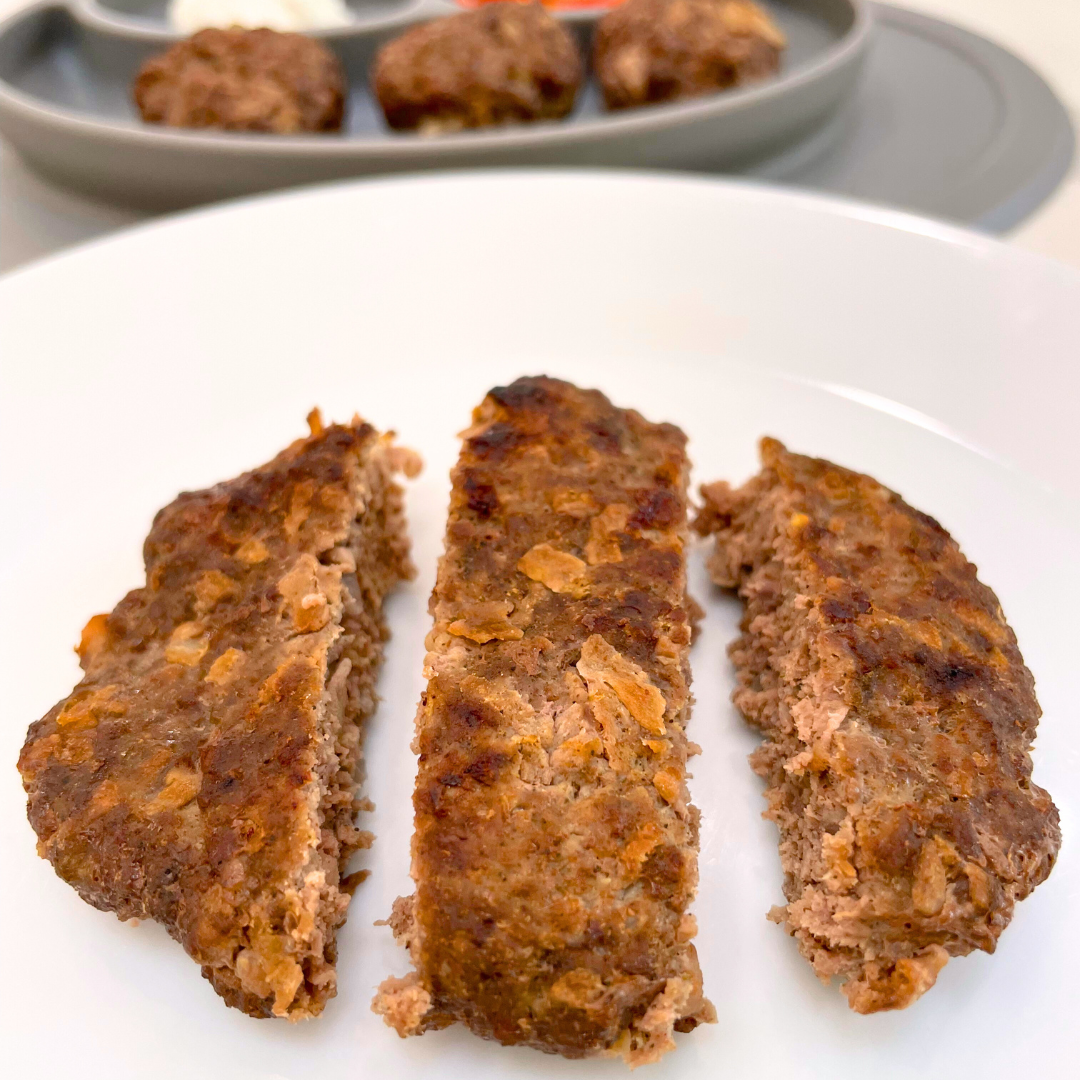
- As Finger Foods (6 months+): When offering ground beef as a finger food, the key is to ensure it is moist and tender. This can be achieved by serving it in strips approximately the size of an adult’s pinky finger. Babies can grasp these strips and suck the iron-rich juices. Meatballs, if sufficiently moist and soft, can also be offered. The texture should be easily mailable by the baby’s gums, even before teeth emerge.
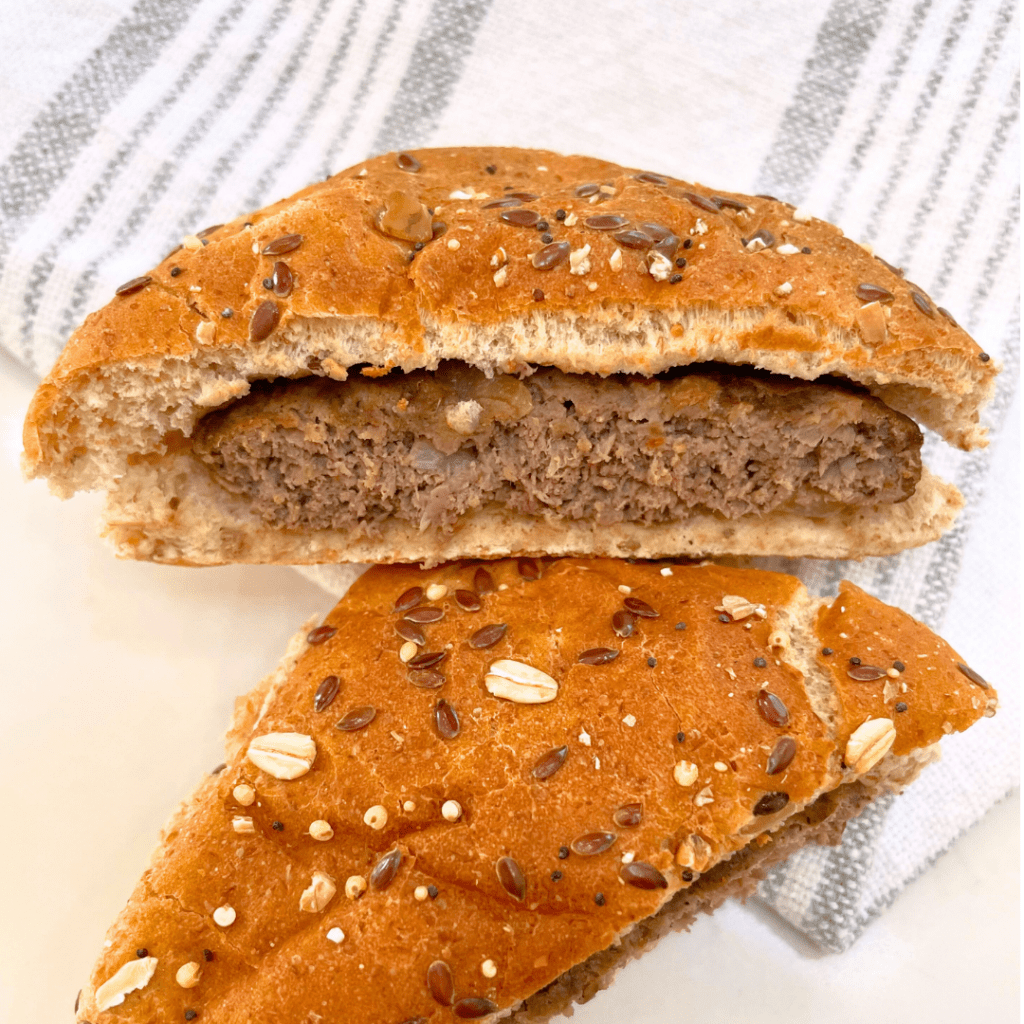
- For Toddlers (18 months+): As toddlers develop more advanced chewing and biting skills, ground beef can be served in more familiar forms, such as small patties or meatballs, potentially on a bun. Cutting them into manageable pieces is still advisable to prevent choking hazards.
Tips for Keeping Ground Beef Moist and Safe
The primary concern with serving meat to babies is the potential for it to be a choking hazard. This risk is significantly reduced by ensuring the ground beef remains moist and tender throughout the cooking process.

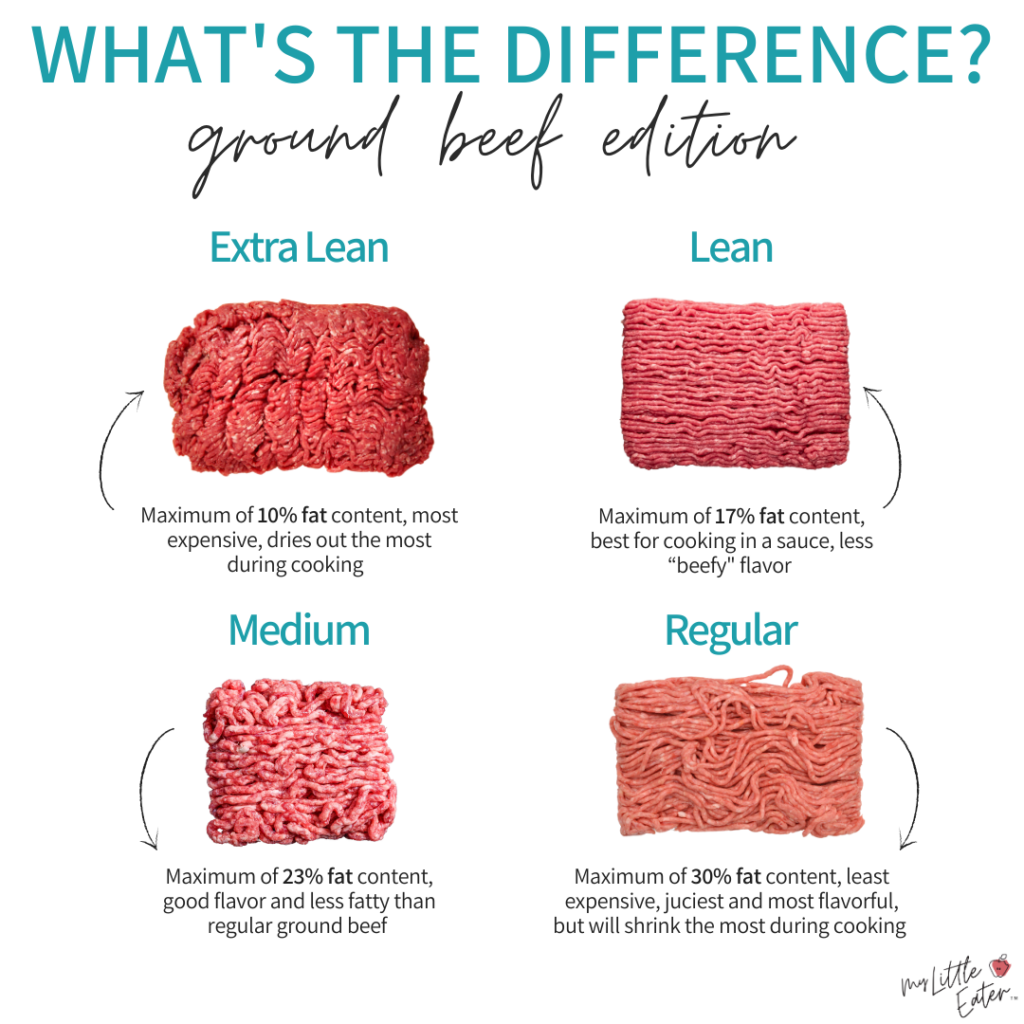
- Fat Content: Opting for regular or medium ground beef, rather than lean or extra-lean, is recommended. The higher fat content not only adds moisture, reducing dryness and choking risk, but also provides valuable calories for growing infants. Look for white marbling, which indicates fat content and contributes to juiciness.
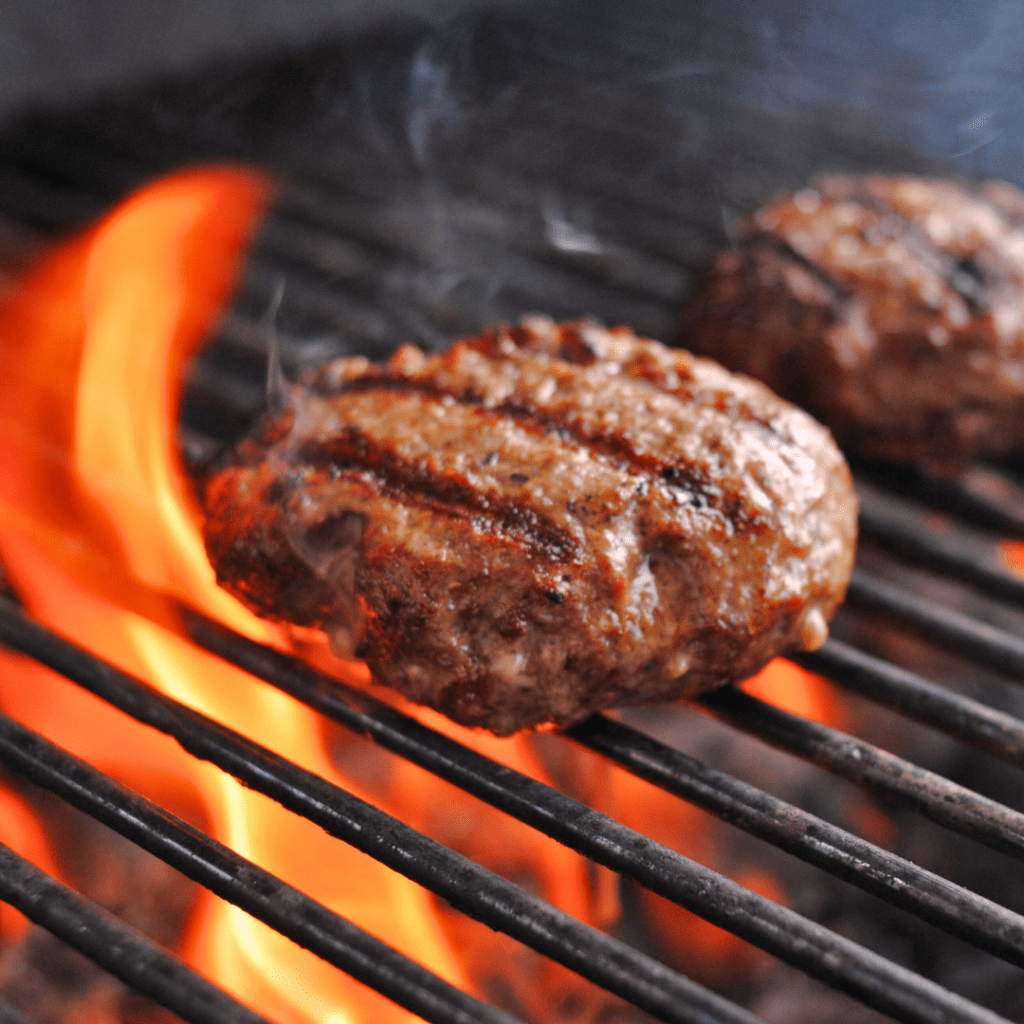
- Cooking Methods: While grilling and BBQ are popular, slower cooking methods like baking, roasting, poaching, or stewing are generally preferred for babies as they tend to keep the meat moister and reduce the formation of potentially harmful compounds like HCAs and PAHs. If grilling, ensure the meat is not overcooked or charred.
- Adding Moisture: Incorporating ingredients like milk or applesauce into the raw mixture can help retain moisture during cooking. Serving cooked ground beef with a dip or sauce (e.g., tomato sauce, yogurt, guacamole) can further enhance palatability and ease of swallowing.
- Internal Temperature: Ground beef must be cooked to an internal temperature of 160°F (71°C) to eliminate harmful bacteria. There should be no pink visible in the center of the cooked meat.
Frequency of Serving Ground Beef
Fresh, unprocessed ground beef can be offered regularly to babies. While daily consumption is acceptable, offering it a few times a week (3-4 times) allows for a varied diet that includes other protein sources and meat alternatives. The emphasis should be on ensuring at least one iron-rich meal is provided daily, increasing to two or more times a day between 8 and 12 months, and at every meal from 12 to 24 months.
Choosing the Right Ground Beef
For parents on a budget, regular ground beef is perfectly suitable. However, if budget allows, grass-fed and organic options offer additional benefits, such as a superior fat profile, including beneficial omega-3 fatty acids, and a higher antioxidant content. The most critical factor is ensuring the ground beef is fresh and free from added salt or seasonings, which are not recommended for infants.
A Delicious and Nutritious Recipe: Apple Sage Baby Burgers
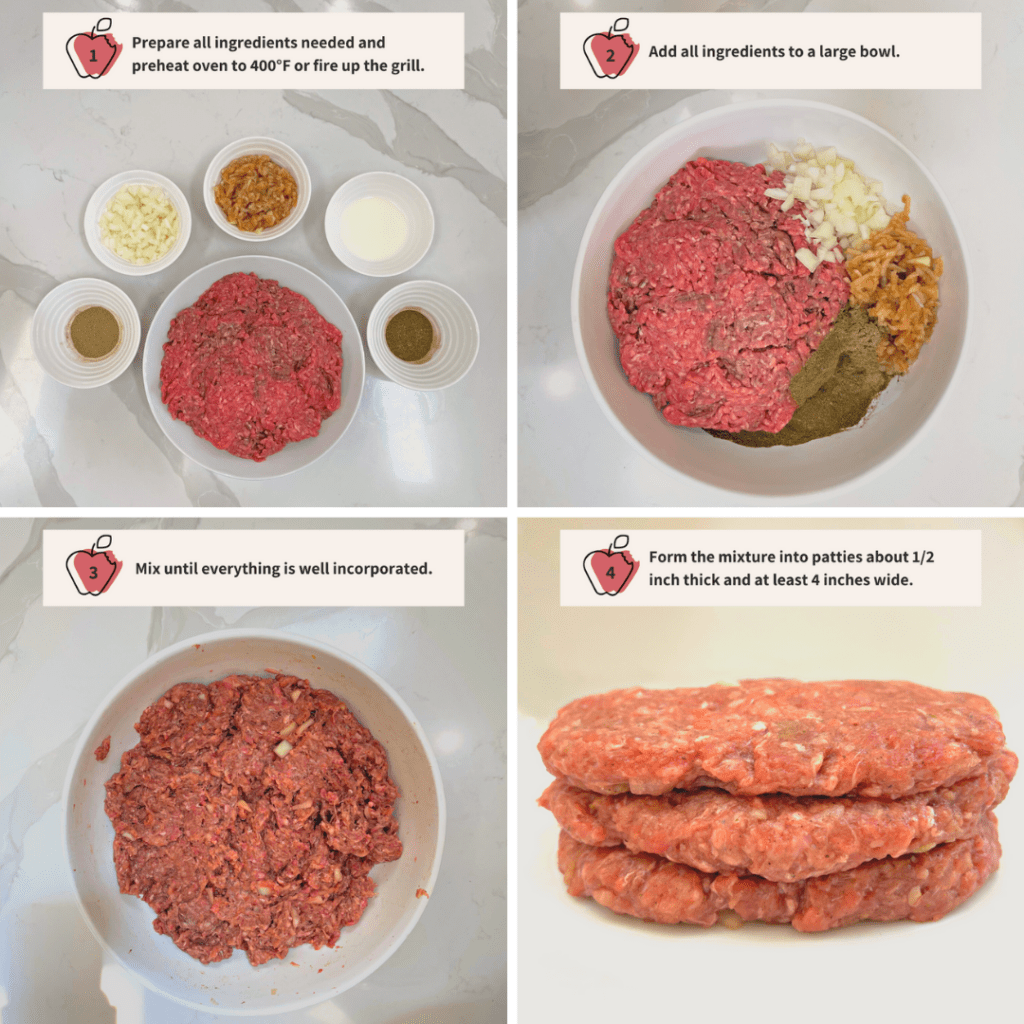
To illustrate how to prepare a safe, moist, and flavorful ground beef meal for babies, the following recipe for Apple Sage Baby Burgers is provided. These burgers are designed to be tender, easy to eat, and appealing to the whole family.
Ingredients:
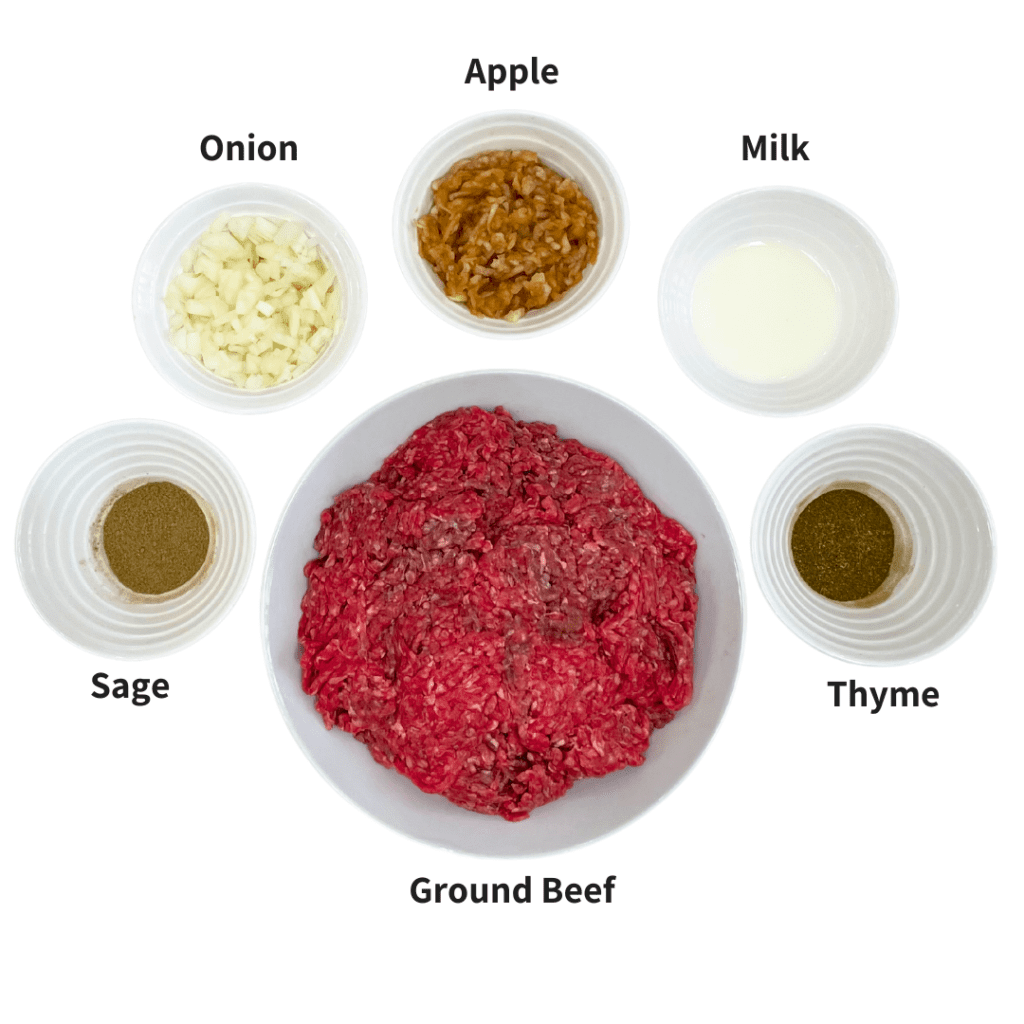
- 1 lb ground beef (regular or medium recommended)
- 1/4 cup unsweetened applesauce
- 1/4 cup milk (breast milk, formula, or cow’s milk if appropriate)
- 1 tablespoon finely chopped fresh sage
- 1/4 teaspoon garlic powder
- 1/4 teaspoon onion powder
Instructions:
- Preheat Oven: Preheat your oven to 400°F (200°C). Alternatively, prepare your grill for medium-high heat.
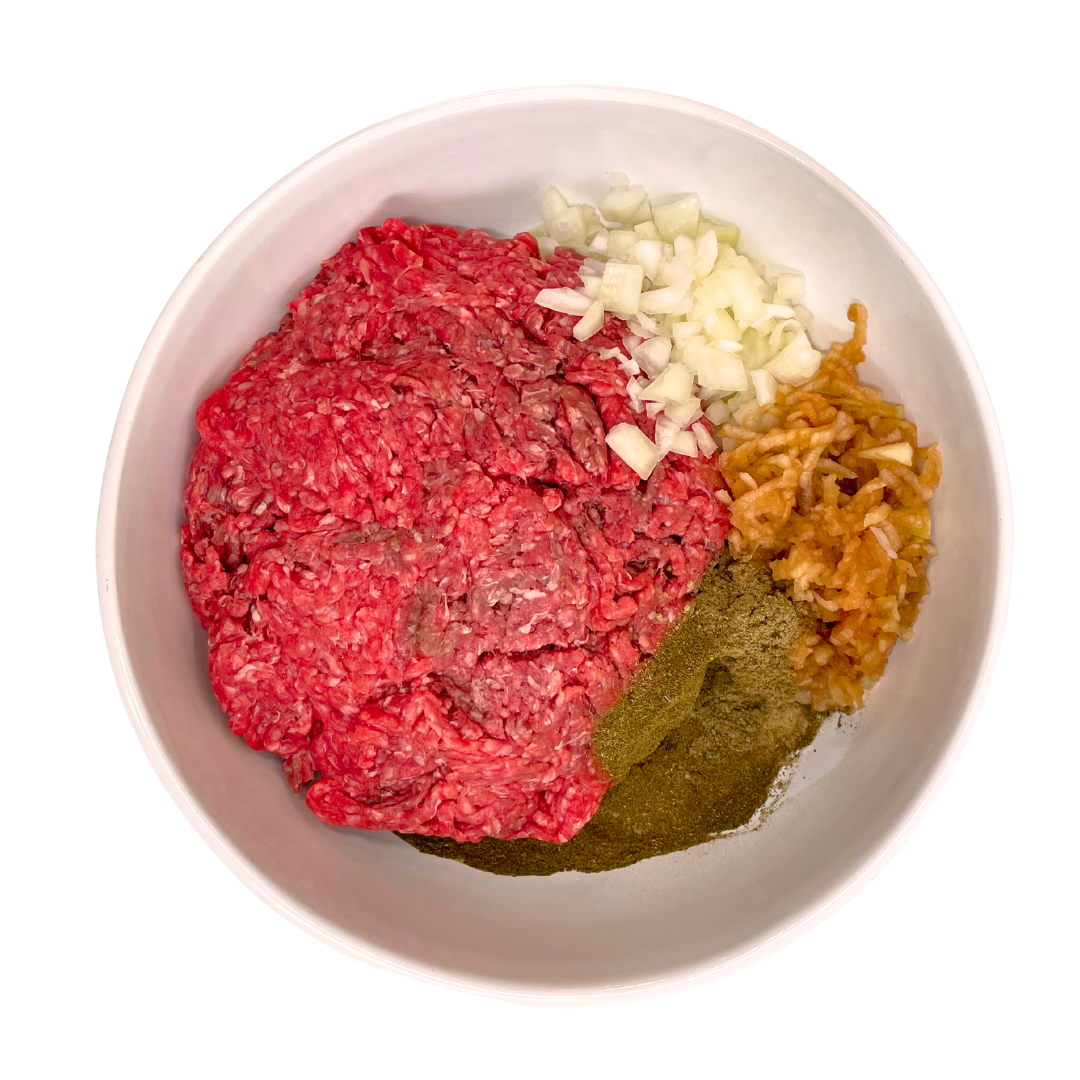
- Combine Ingredients: In a large bowl, combine the ground beef, applesauce, milk, fresh sage, garlic powder, and onion powder. Use your hands to gently mix all ingredients until well incorporated. Avoid overmixing, which can make the burgers tough.
- Form Patties: Divide the mixture into 4-6 equal portions and gently form them into patties about ½ inch thick and at least 3 inches wide. They will shrink during cooking.
- Cook:
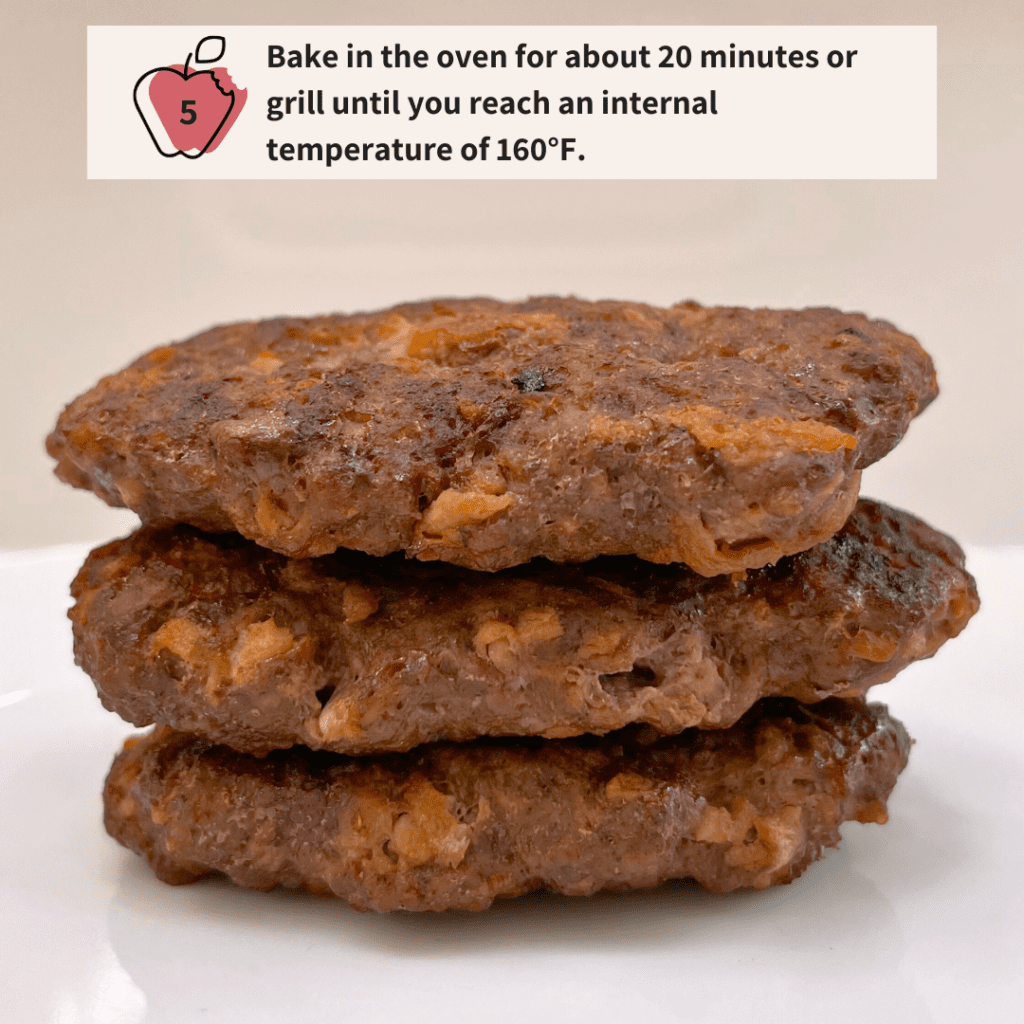
- Oven: Line a baking sheet with parchment paper. Place the patties on the baking sheet and bake for approximately 20-25 minutes, flipping halfway through, until the internal temperature reaches 160°F (71°C) and there is no pink in the center.
- Grill: Grill over medium-high heat for about 4-6 minutes per side, or until the internal temperature reaches 160°F (71°C).
- Serve: Allow the burgers to cool slightly. Serve whole to older babies or toddlers, or cut into finger-length strips for younger babies. Offer with a side of unsweetened applesauce, yogurt, or a favorite healthy dip to ensure moisture and ease of eating.
This recipe provides a balanced introduction to ground beef, offering essential nutrients in a palatable and safe format for babies and toddlers. By following these guidelines and incorporating nutrient-dense foods like ground beef, parents can confidently support their child’s healthy growth and development from the very beginning of their solid food journey.
Related posts: