The Best High Chairs with Adjustable Footrests for Optimal Baby Feeding (2026 Dietitian Reviewed)

This post may contain affiliate links, please view our disclosure policy for more details. Reviewed by pediatric dietitian Edwena Kennedy, founder of My Little Eater. Updated April 2026 after reviewing current models and safety criteria.
Navigating the vast array of high chairs available can be an overwhelming task for parents. With countless options boasting diverse features and price points, the search for the "best high chair with adjustable footrest" often leads to endless online queries. However, choosing the right high chair extends far beyond mere aesthetics or budget; it is fundamentally about ensuring safety, supporting a baby’s developmental needs, and fostering a positive and healthy mealtime environment. As pediatric dietitians and experienced feeding experts who have guided thousands of families through this crucial decision, we understand the complexities involved.
This comprehensive guide aims to equip parents with the knowledge to confidently select the ideal high chair. We’ve meticulously evaluated popular models based on criteria that are paramount to feeding experts and mothers alike. Our analysis focuses on identifying essential features versus desirable extras, emphasizing the critical role of proper posture and adjustable footrests in achieving feeding success. Through real-world testing and adherence to the latest safety and ergonomic research, we present our top recommendations.
What to Look for in a High Chair
Our evaluation of high chairs is guided by a rigorous set of criteria, developed from our extensive experience as pediatric feeding experts. These criteria ensure that the chosen high chair not only meets immediate needs but also contributes positively to a child’s long-term eating habits and development.
1. Supportive for Baby’s Posture and Safety
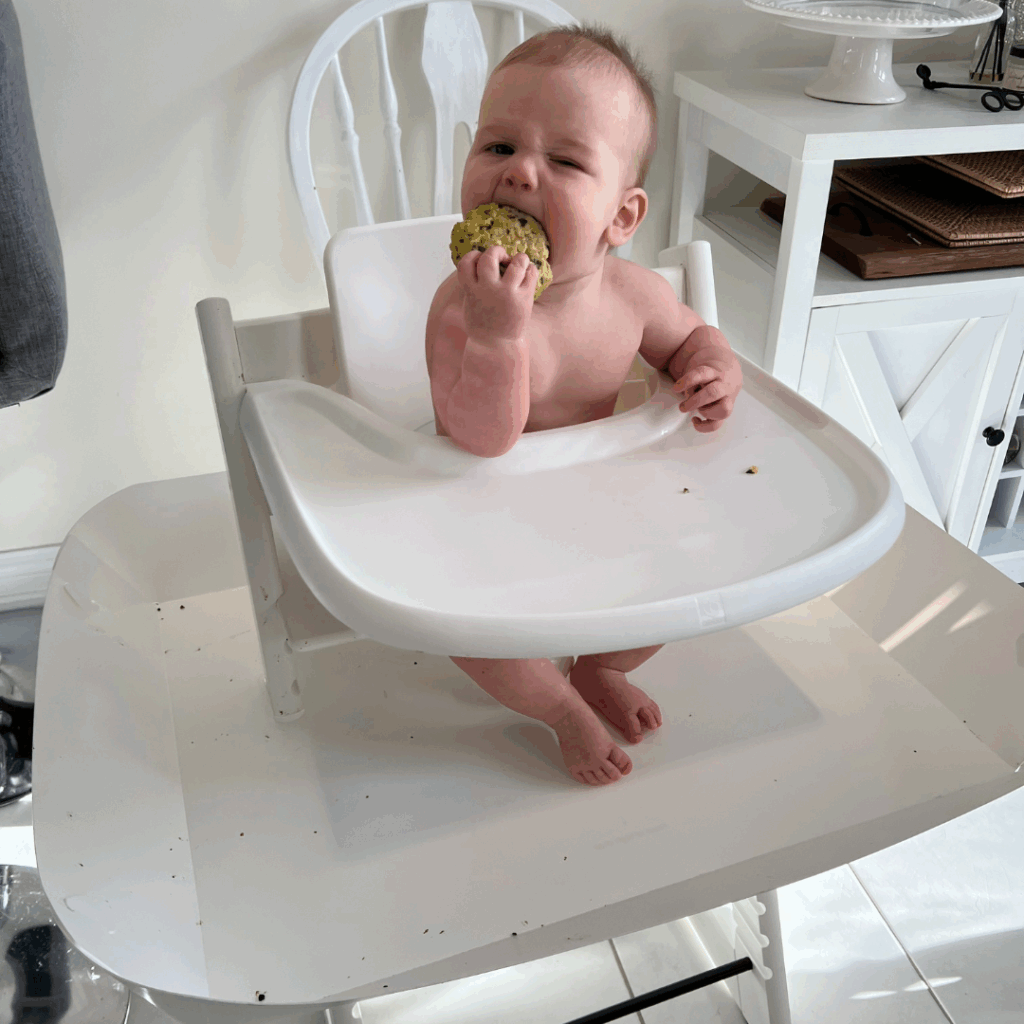
The foundational principle of selecting a high chair is its ability to provide optimal support for a baby’s developing body. This directly impacts their ability to eat safely and efficiently. A well-designed high chair encourages proper posture, which is crucial for swallowing, digestion, and overall mealtime engagement. Safety is paramount, and this includes sturdy construction, secure harnesses, and adherence to current safety standards. Adjustable footrests play a significant role in achieving this support, preventing dangling feet that can lead to instability and discomfort.
2. Practical and Easy to Use
Beyond ergonomics and safety, a high chair must integrate seamlessly into a busy family’s life. Ease of use encompasses several factors: how simple it is to adjust the seat and footrest, the straightforwardness of cleaning, and its overall manageability. A chair that is difficult to clean or adjust can quickly become a source of frustration, detracting from the positive mealtime experience it’s meant to facilitate.
3. Built to Last and Great Value
Investing in a high chair is a significant decision, and parents naturally seek products that offer long-term value. This means considering durability, the ability of the chair to adapt to a growing child, and its overall cost-effectiveness. It’s not always about the most expensive option, but rather about finding a chair that provides the best return on investment by meeting essential needs effectively and enduring through multiple stages of childhood.
The 90-90-90 Rule for High Chairs
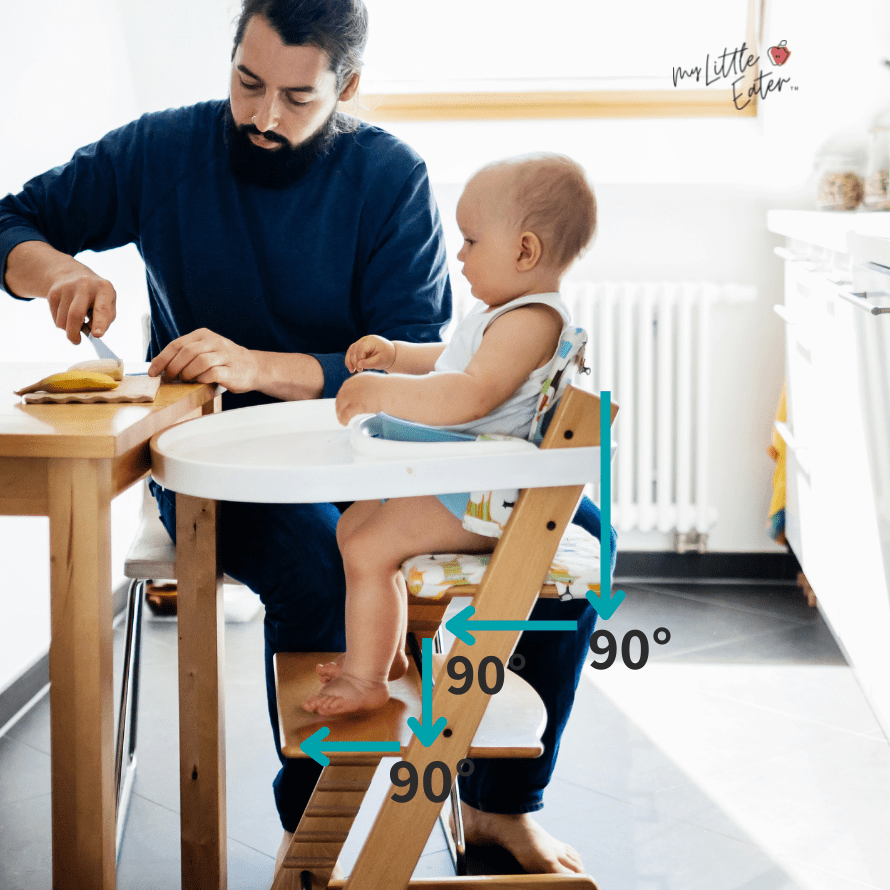
To facilitate safe and effective eating, babies require proper seating that supports their bodies without slouching, dangling, or reclining. The universally recognized ideal posture for mealtimes, a best practice in occupational therapy and pediatric feeding therapy, is the "90-90-90 position." This posture is achieved when:
- Hips are at a 90-degree angle: This stable base allows for better core engagement.
- Knees are at a 90-degree angle: This ensures the legs are not dangling, reducing pressure points and promoting comfort.
- Ankles are at a 90-degree angle: Supported feet provide a stable foundation, allowing the baby to focus on eating rather than maintaining balance.
This specific positioning is vital for several reasons:
- Reduced Choking Risk: An open airway is critical for safe swallowing. The 90-90-90 posture helps maintain this open airway.
- Improved Core Stability: A stable core is essential for efficient chewing and swallowing.
- Enhanced Hand-Eye Coordination: Proper seating allows babies to better coordinate their hands and arms for self-feeding.
- Increased Attention and Reduced Fidgeting: When a baby is comfortably and securely positioned, they are less likely to shift, fidget, or become fussy during meals, leading to longer attention spans and a more positive eating experience.
Our Top-Rated High Chairs (Feeding Expert Approved)
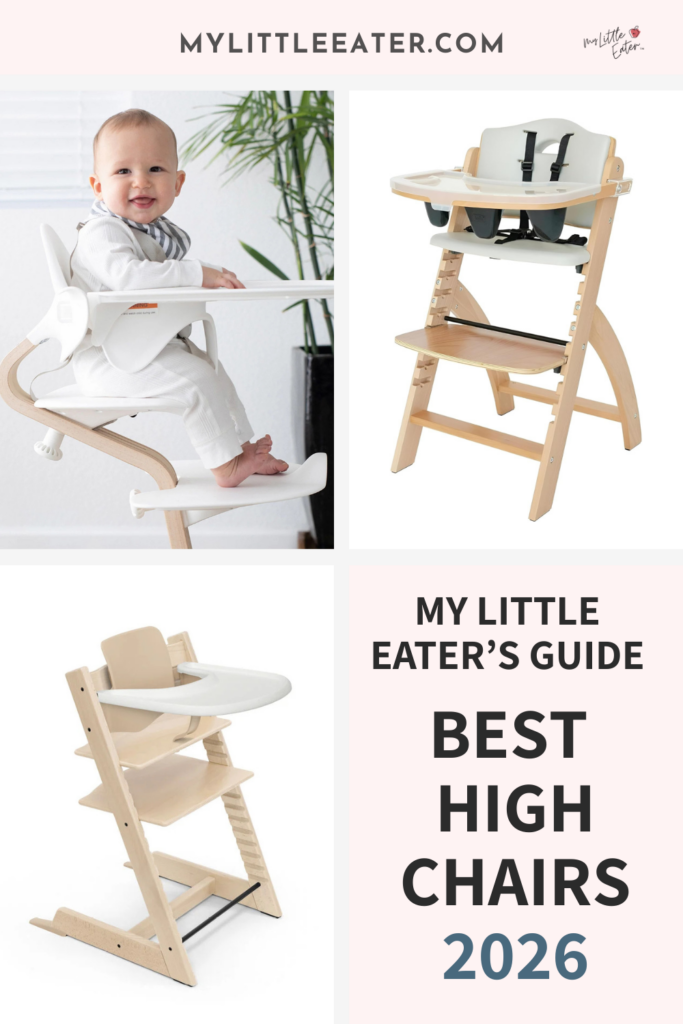
Based on our rigorous criteria, we have identified several high chairs that excel in supporting the 90-90-90 position, offering practicality, safety, and excellent value.
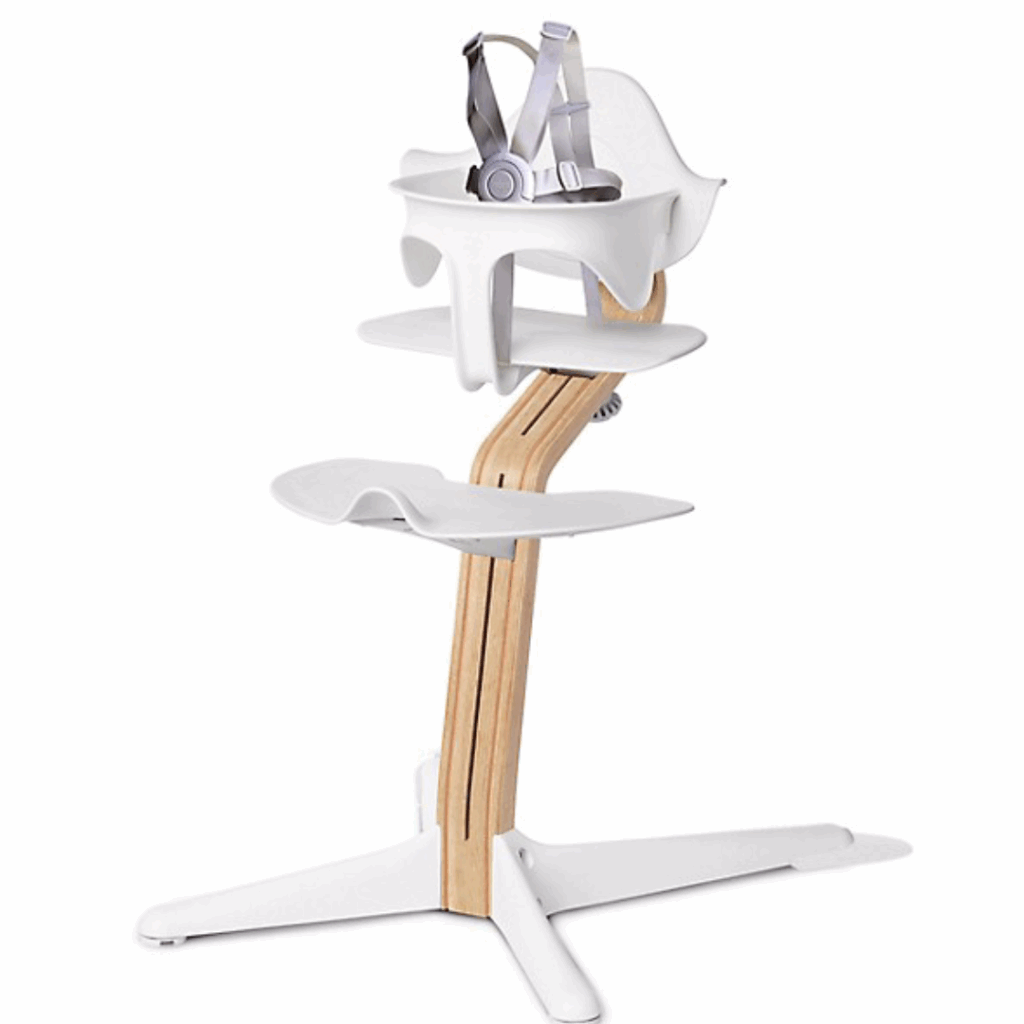
Stokke Nomi High Chair
- Price: $$$
- Best for: Unparalleled adjustability of the footrest and seat depth, tool-free adjustments, lightweight design, longevity, and a modern aesthetic.
Why we love it:
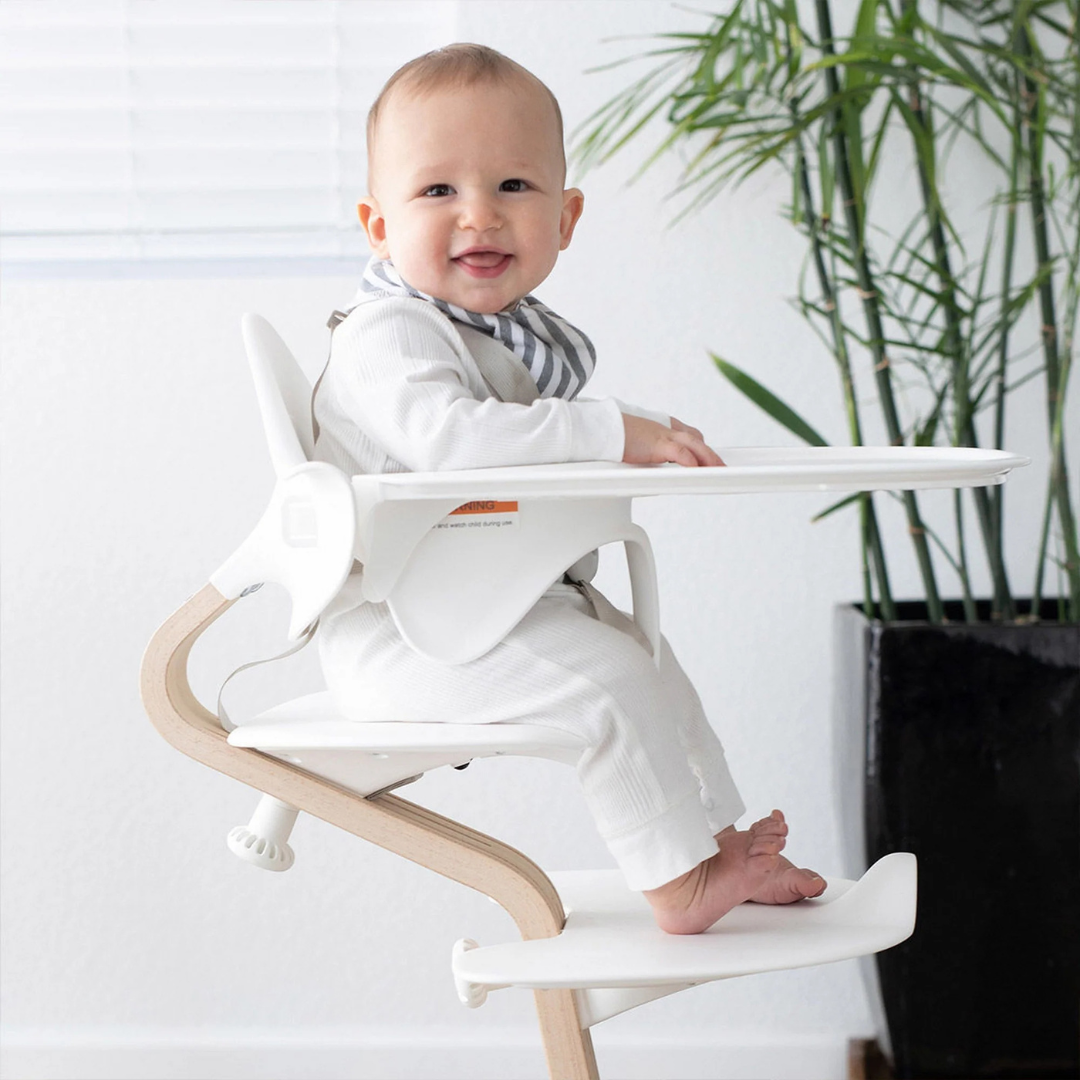
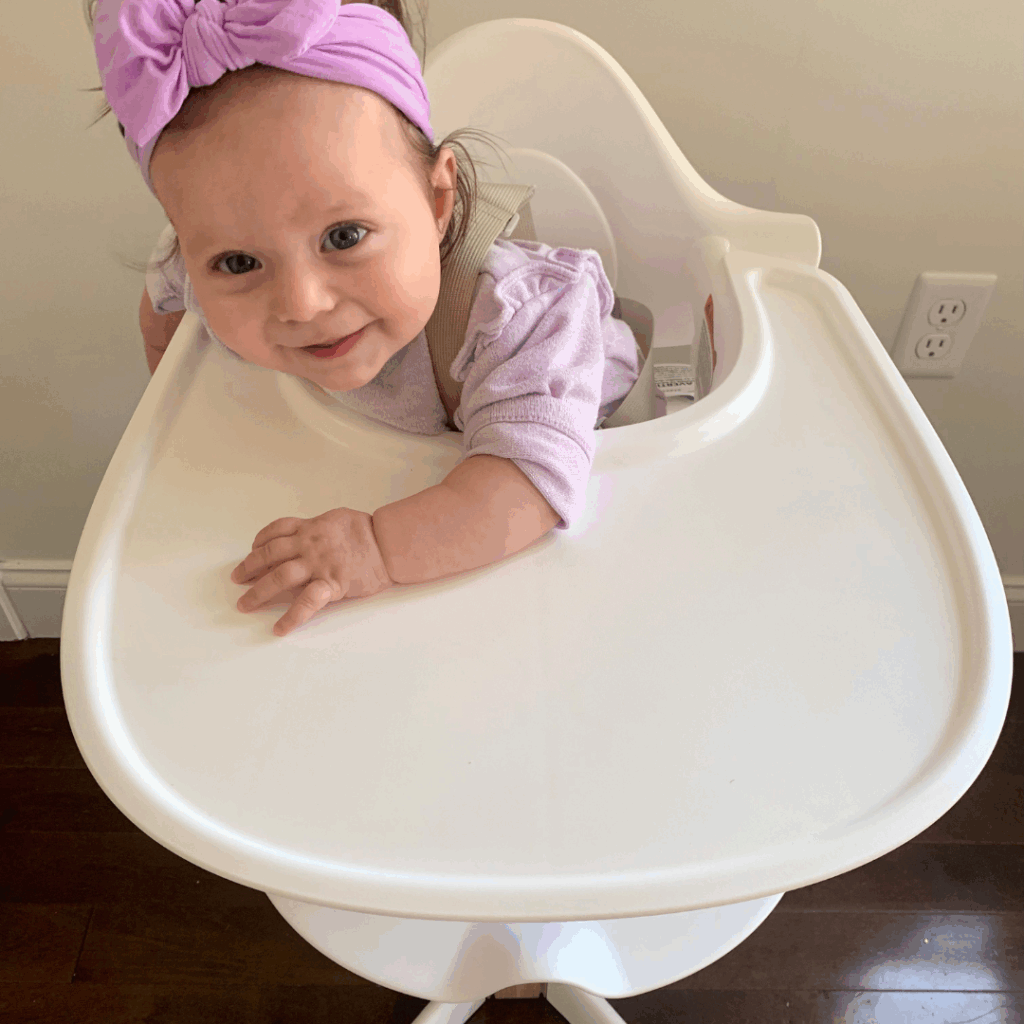
The Stokke Nomi stands out for its exceptional adjustability, allowing parents to achieve the perfect 90-90-90 position for their child as they grow. The tool-free adjustment system makes modifications quick and easy, a significant advantage for busy parents. Its lightweight construction facilitates movement around the house, and its sleek, modern design complements contemporary home decor. The Nomi is designed to grow with the child, serving from infancy through adolescence, making it a long-term investment. The footrest is particularly noteworthy for its extensive adjustability, catering to a wide range of child sizes.
Considerations:
While the Nomi offers superior adjustability, its price point places it in the premium category. Some users may find the minimalist design less plush than other options, though its ergonomic benefits are undeniable.
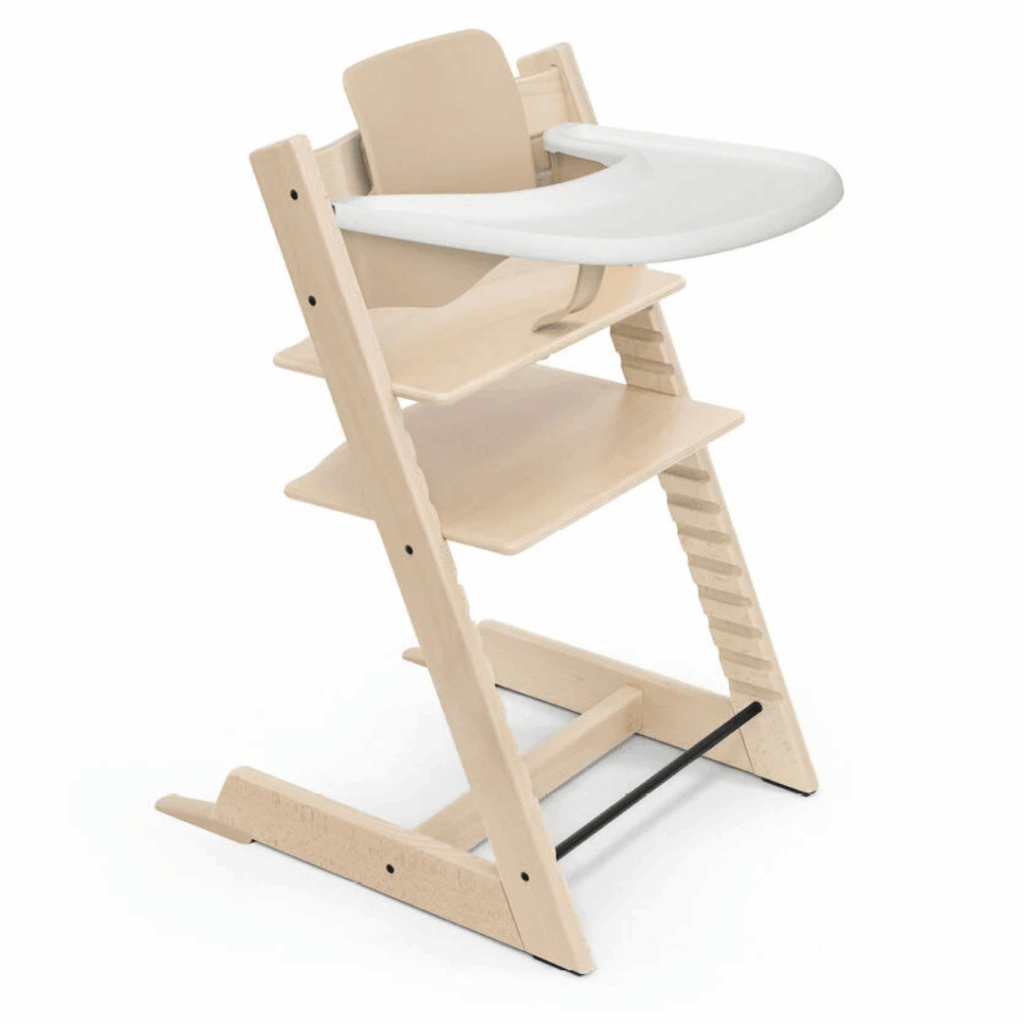
Stokke Tripp Trapp High Chair
- Price: $$$
- Best for: Achieving the 90-90-90 seating position, adaptability for growing children, high-quality construction, and a relatively small footprint.
Why we love it:
A long-standing favorite, the Stokke Tripp Trapp is renowned for its ability to provide excellent postural support, facilitating the crucial 90-90-90 alignment. It’s engineered to grow with a child, offering adjustable seat and footrest positions that can be adapted for years of use. Its classic design is timeless, and its compact footprint makes it suitable for smaller dining spaces. The high-quality materials ensure durability, making it a chair that can be passed down through generations. The footrest’s adjustability is key to its long-term utility.
Considerations:
Similar to the Nomi, the Tripp Trapp is a significant investment. While it grows with the child, initial setup and adjustments may require tools, unlike the tool-free Nomi.
Close Runners-Up
These options offer compelling features and value, making them strong contenders for many families.
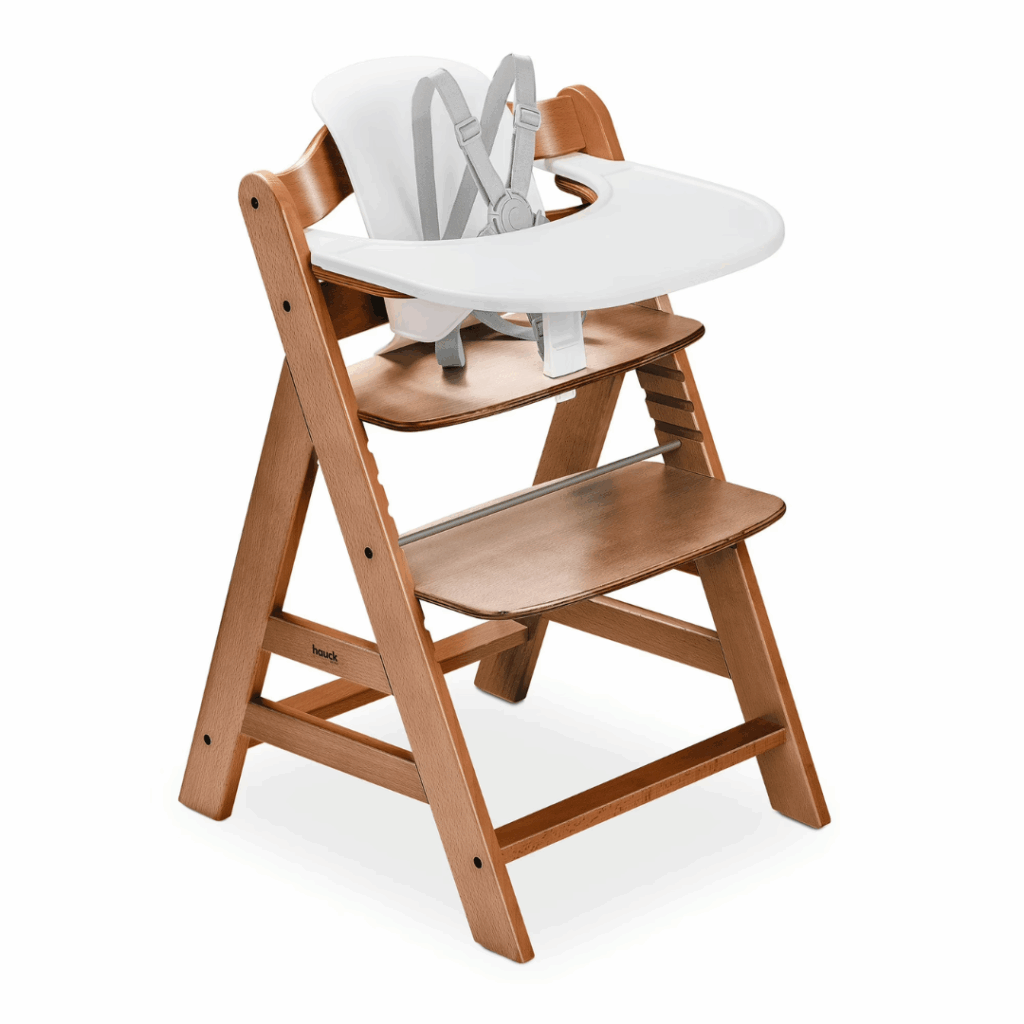
Hauck Alpha+
- Price: $
- Best for: A budget-friendly alternative to premium models, adaptability for growing children, tool-free adjustments, and promoting family meal participation.
Why we love it:
The Hauck Alpha+ provides excellent value, offering many of the features found in more expensive chairs at a considerably lower price point. Its adjustable footrest and seat allow it to adapt to a growing child, encouraging them to participate in family meals from an early age. The tool-free adjustment mechanism adds to its user-friendliness. It’s an accessible option for parents seeking ergonomic benefits without a premium cost.
Considerations:
While offering great value, the Hauck Alpha+ may not have the same level of premium materials or the ultra-sleek design of higher-end chairs. However, its core functionality for proper seating and adjustability remains strong.
Abiie Beyond Junior High Chair
- Price: $$
- Best for: A more affordable alternative to the Stokke Tripp Trapp, tool-free adjustment, suitability for slightly older babies, and availability in multiple countries.
Why we love it:
The Abiie Beyond Junior High Chair strikes a good balance between price and features. It offers tool-free adjustments for ease of use and an adjustable footrest that supports proper seating. It’s particularly well-suited for babies who are a bit older and more accustomed to sitting upright. Its global availability makes it a convenient option for families worldwide.
Considerations:
While more affordable than the Tripp Trapp, it is priced higher than the Hauck Alpha+. Its design might be considered less refined by some compared to premium brands, but its functional aspects are well-regarded.
Honorable Mentions
These high chairs offer specific advantages that might make them the perfect fit for certain families.
Mockingbird High Chair
- Best for: Ease of cleaning, user-friendly harness system, adjustable tray positioning, and suitability for use into toddlerhood.
Why we love it:
The Mockingbird High Chair is praised for its practicality, particularly its ease of cleaning, which is a major consideration for parents. The harness is intuitive to use, and the adjustable tray offers flexibility. It’s a solid choice for families looking for a chair that will serve them well through the toddler years.
Considerations:
This chair may not grow with the child as extensively as some other models, focusing more on the early toddler stages.
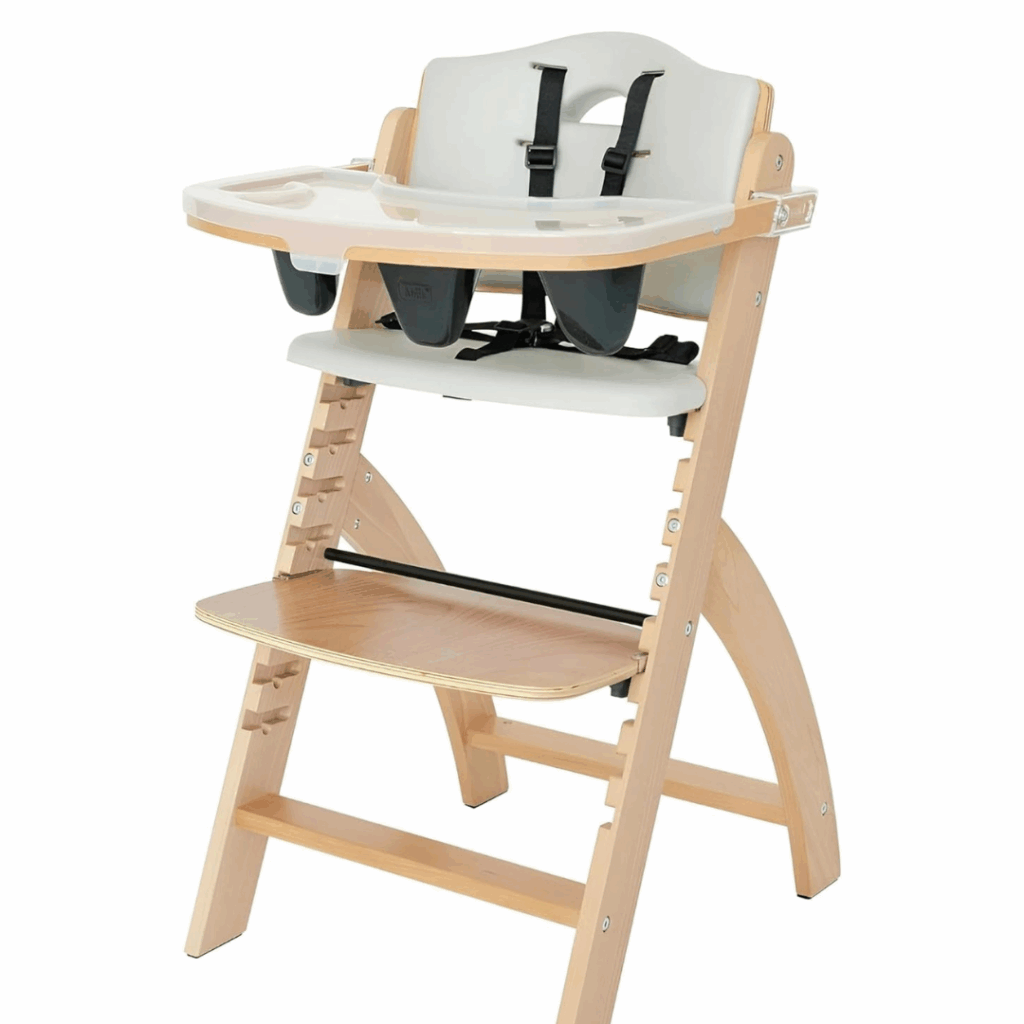
Ikea Antilop
What we love:
The Ikea Antilop is an exceptionally budget-friendly option, making it an ideal choice for a secondary high chair at a grandparent’s or caregiver’s home. While it doesn’t meet all the criteria for a feeding expert’s top recommendation in its standard form, it can be customized with inexpensive add-ons to enhance its developmental appropriateness for occasional use. Its simplicity is a key advantage.
Considerations:
Without modifications, the Antilop lacks an adjustable footrest and may not provide the optimal 90-90-90 posture. However, with readily available accessories like footrest attachments, its functionality can be significantly improved.
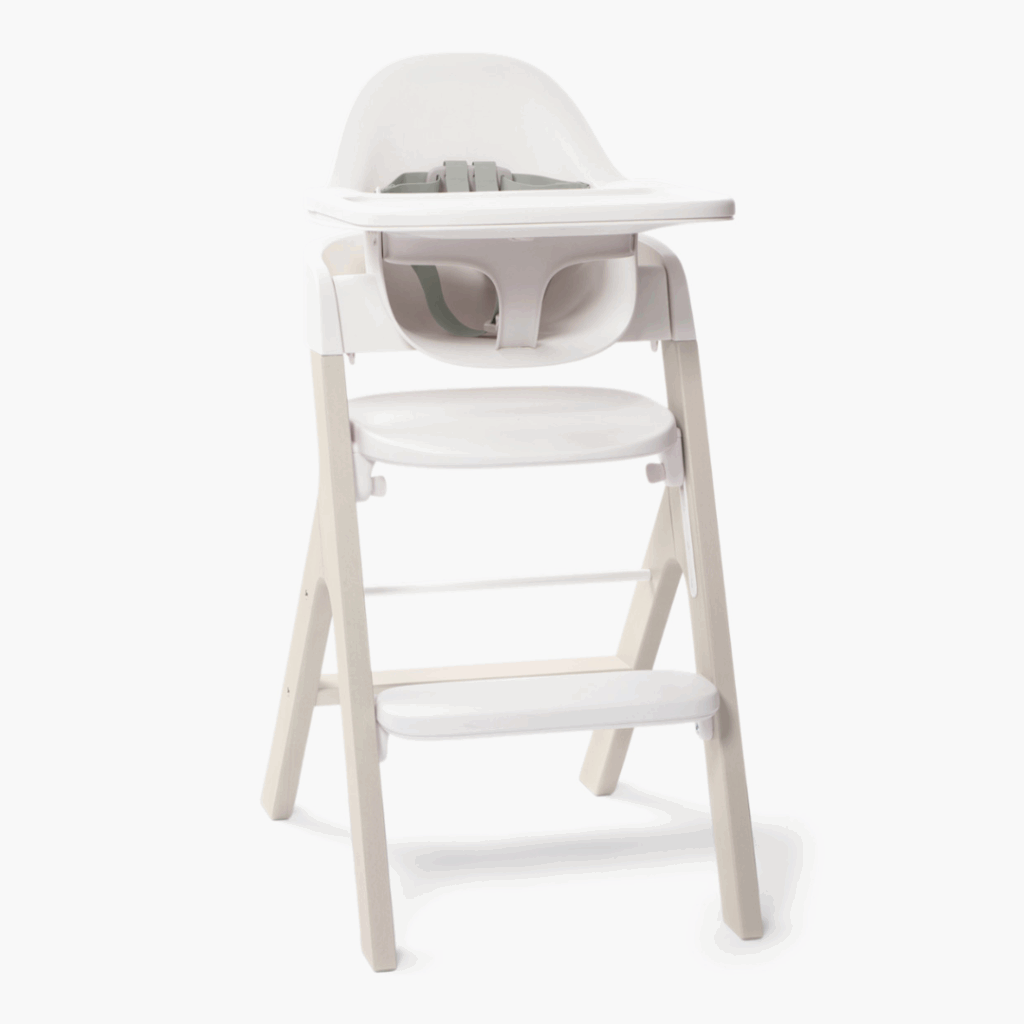
Upseat Baby Floor and Booster Seat with Tray
What we love:
Developed by physiotherapists, the Upseat offers an ergonomic design that promotes an upright posture and is safe for developing hips. It features an attachable tray, making it suitable for supervised feeding. As feeding experts, we find this seat particularly beneficial for babies who are transitioning to solids and require excellent postural support.
Considerations:
This is not a traditional high chair but rather a floor seat and booster. Its primary function is postural support, and it may not offer the same breadth of features as a full-sized high chair.
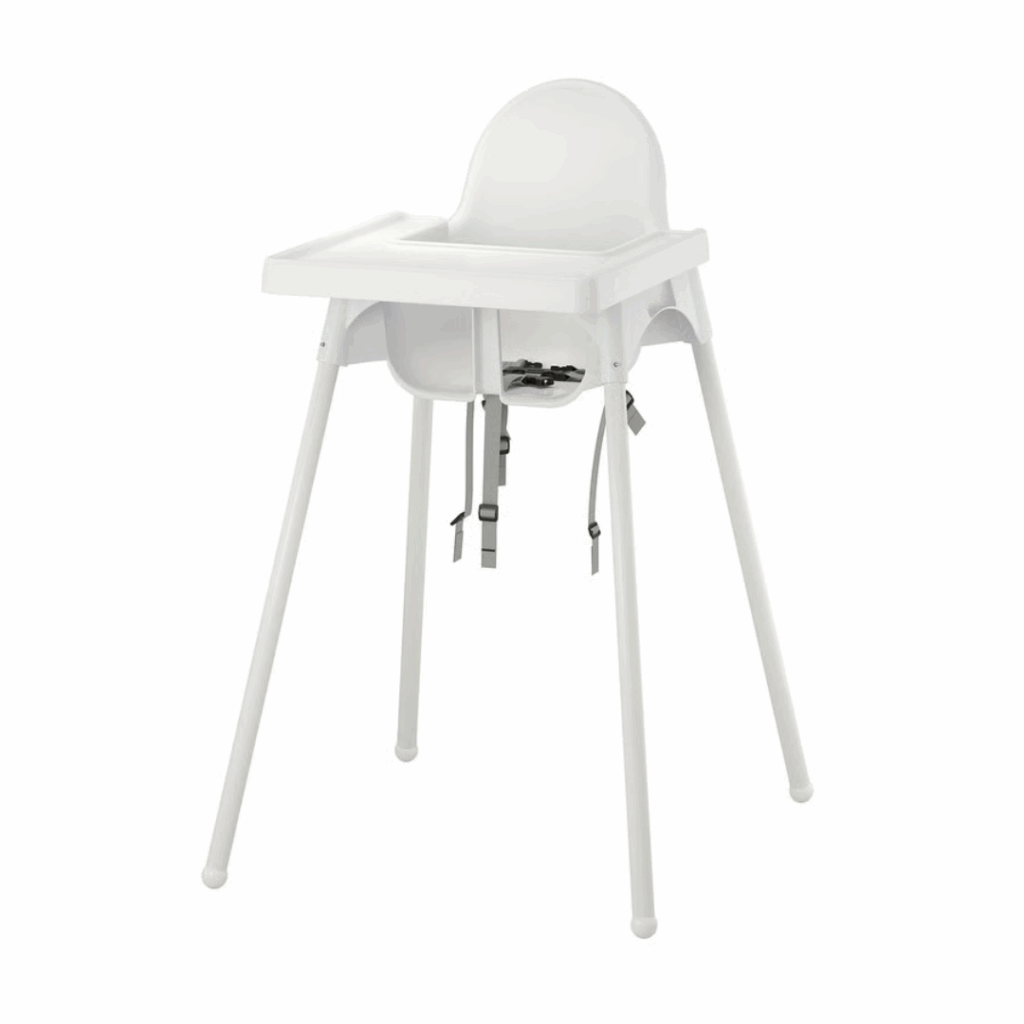
High Chairs That Didn’t Make the Cut
While many high chairs are available, some do not meet our stringent criteria for optimal feeding support and development.
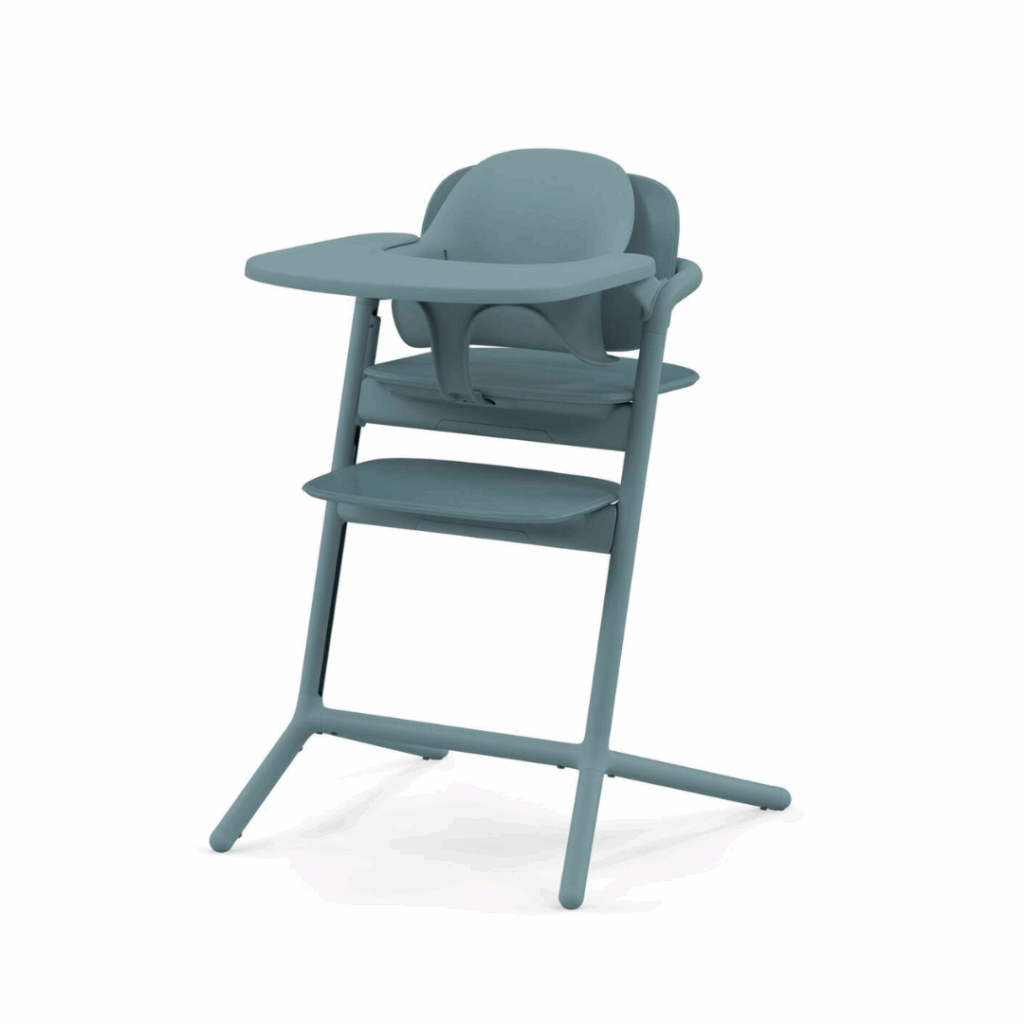
Cybex Lemo 3-in-1
- Price: $$$
- Best for: Achieving the 90-90-90 seating position that can extend into adulthood, tool-free adjustment, and ease of cleaning.
Why we love it:
The Cybex Lemo is lauded for its long-term usability, adapting to provide the 90-90-90 posture for individuals of all ages. Its tool-free adjustments and easy-to-clean surfaces are definite positives.
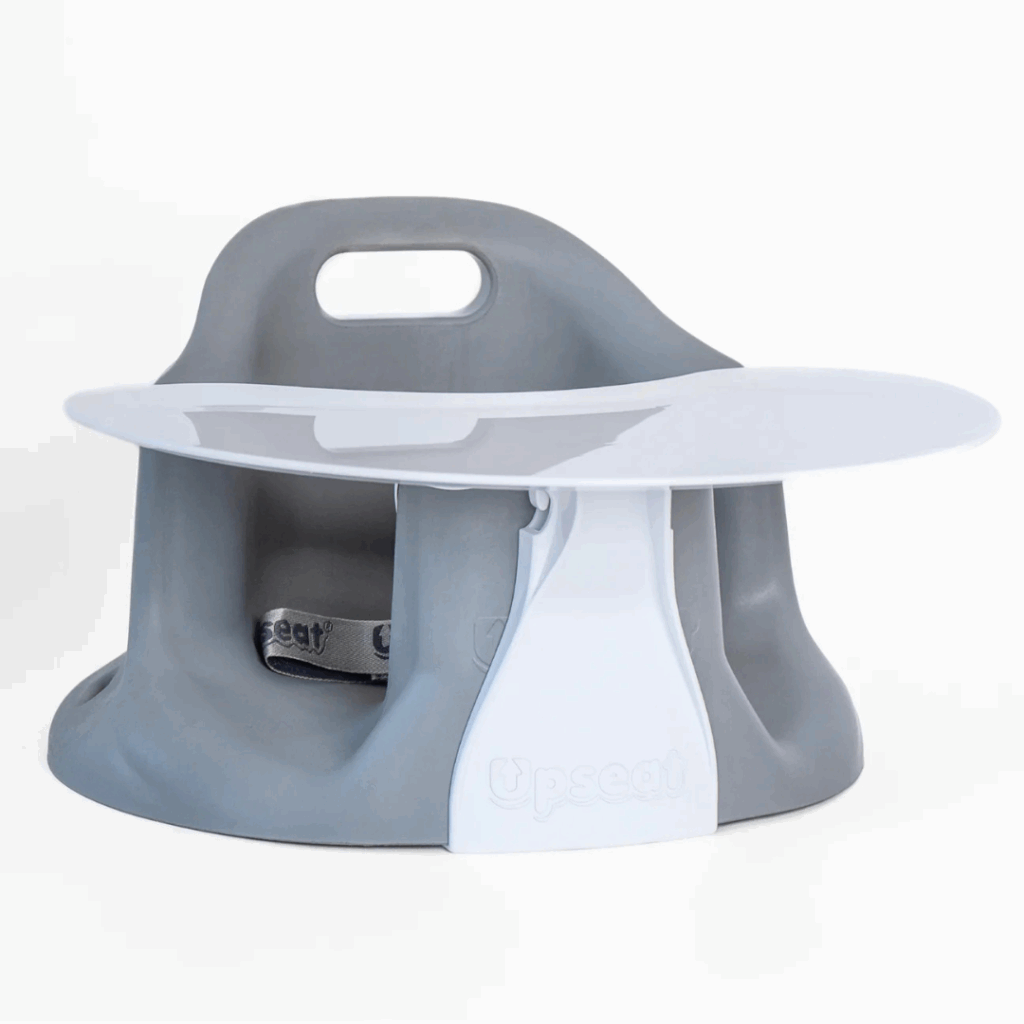
Overall verdict: While this chair has excellent functionality, the Stokke Nomi High Chair offers similar benefits at a slightly lower price point, is lighter, narrower, and features a dishwasher-safe tray. If the Cybex Lemo appeals, we recommend the Stokke Nomi as a potentially superior alternative.
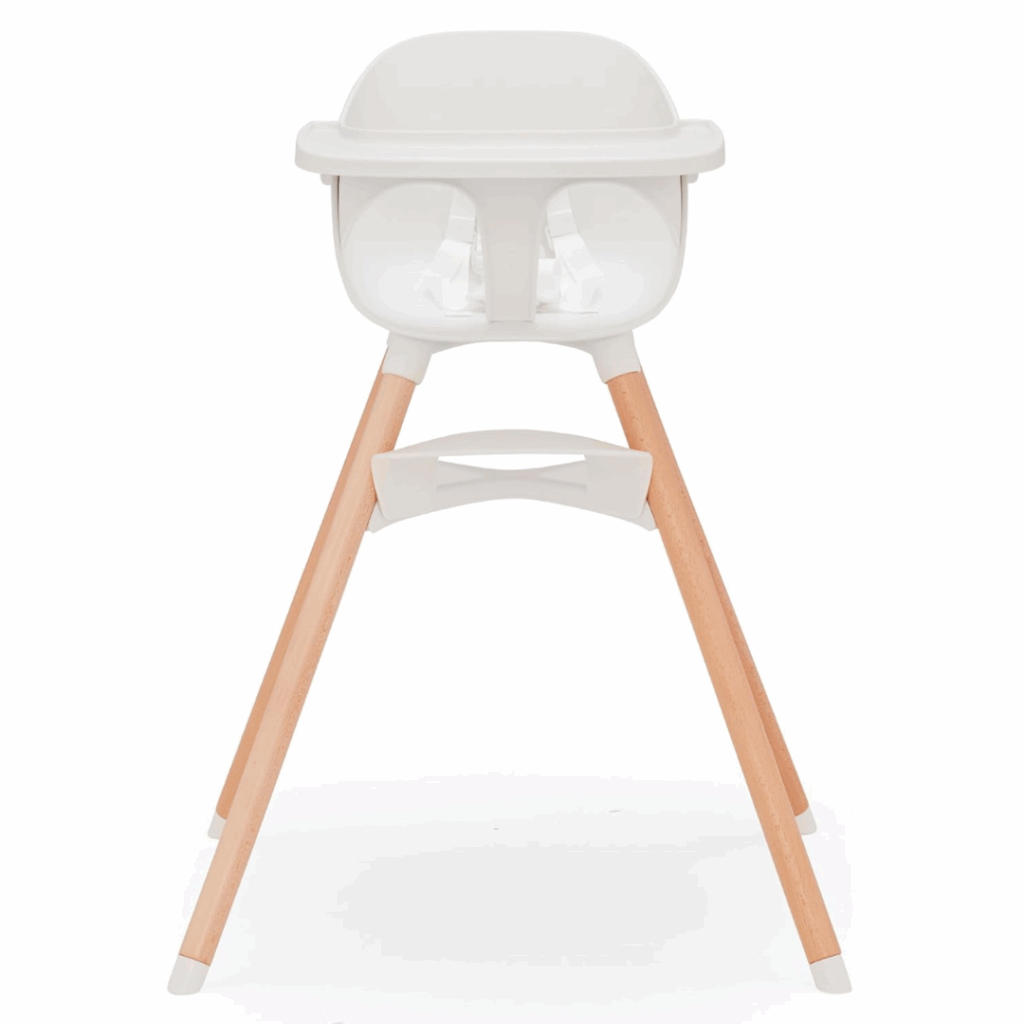
Lalo High Chair
- Price: $$
- Best for: Unsure
Pros (can’t say we love it):
The Lalo High Chair offers a modern aesthetic and some adjustability.
Considerations:
This chair is considerably expensive for its limited functionality and requires numerous modifications to achieve optimal ergonomic support.
Overall verdict: The Lalo High Chair is deemed too expensive for its minimal functional benefits and the extensive modifications required.
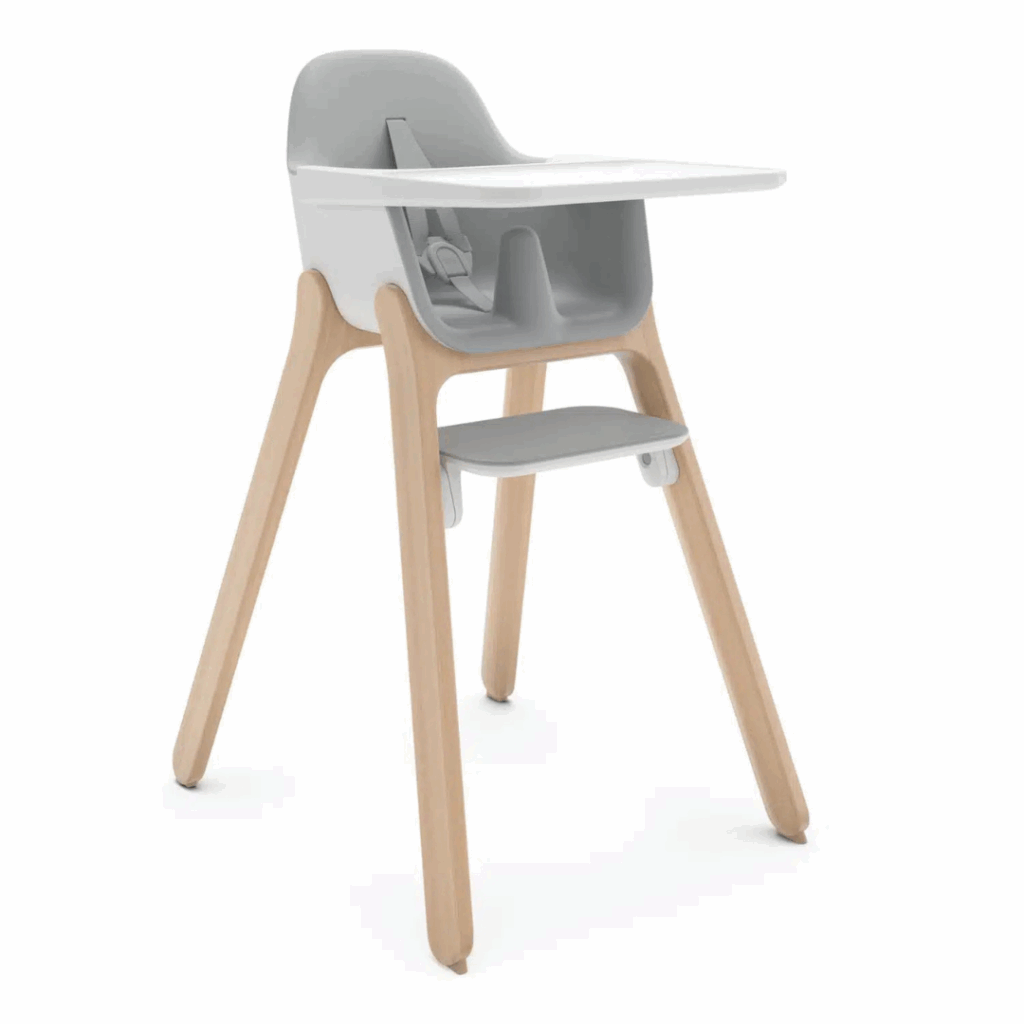
UPPAbaby Ciro
- Price: $$
- Best for: Bib holder, adjustable tray, promotes family meals.
Why we love it:
The UPPAbaby Ciro includes a convenient bib holder and an adjustable tray, contributing to a more integrated family meal experience.
Overall verdict: For a similar price to the Mockingbird high chair, the UPPAbaby Ciro offers fewer features, necessitates more adjustments, and does not grow with the child as extensively.
How to Know When Baby is Ready for a High Chair
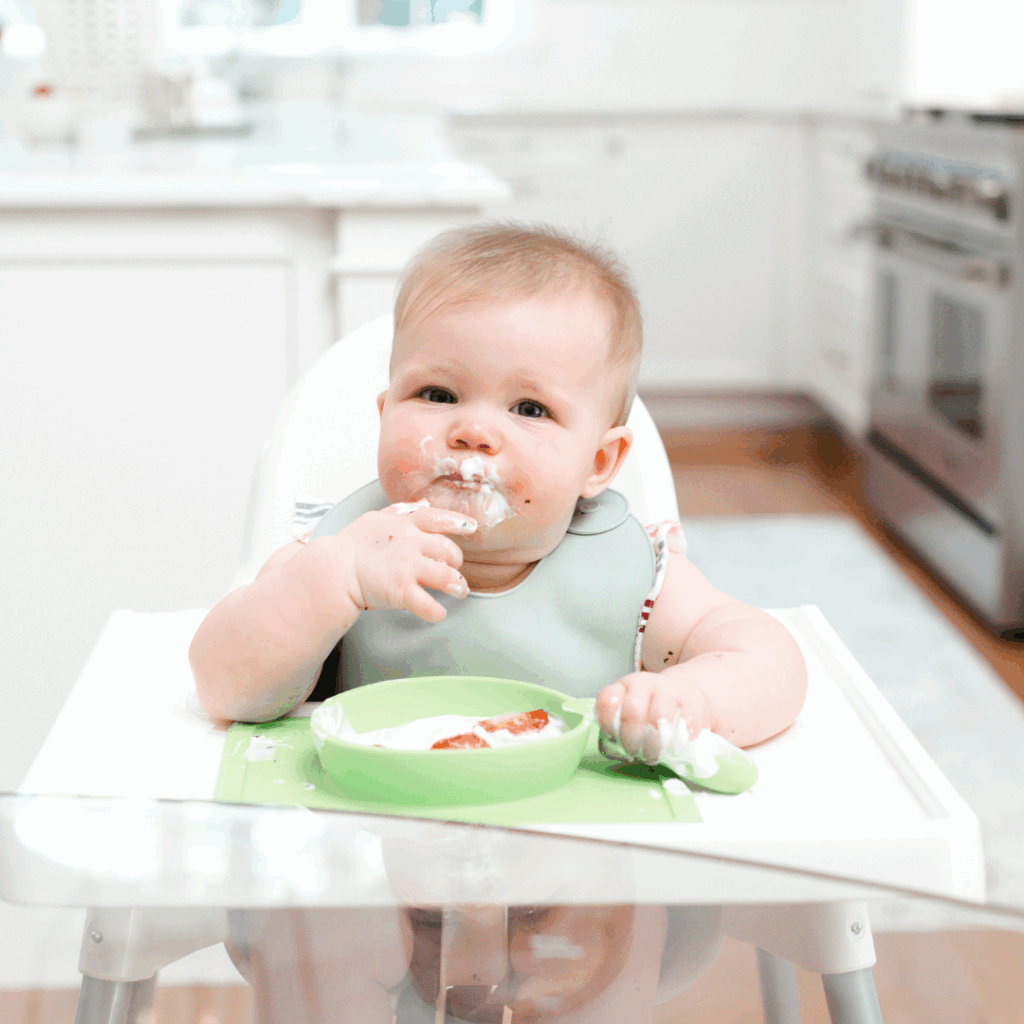
Most babies demonstrate developmental readiness for solid foods, and consequently, for high chair use, around six months of age. However, chronological age is less important than observing specific signs of readiness:
- Head and Neck Control: The baby can hold their head up steadily and independently.
- Sitting Ability: The baby can sit up with minimal support, indicating sufficient core strength.
- Interest in Food: The baby shows curiosity about what others are eating, often reaching for food or opening their mouth.
- Loss of Tongue-Thrust Reflex: This reflex, which automatically pushes food out of the mouth, should be diminishing, allowing the baby to keep food in their mouth for chewing and swallowing.
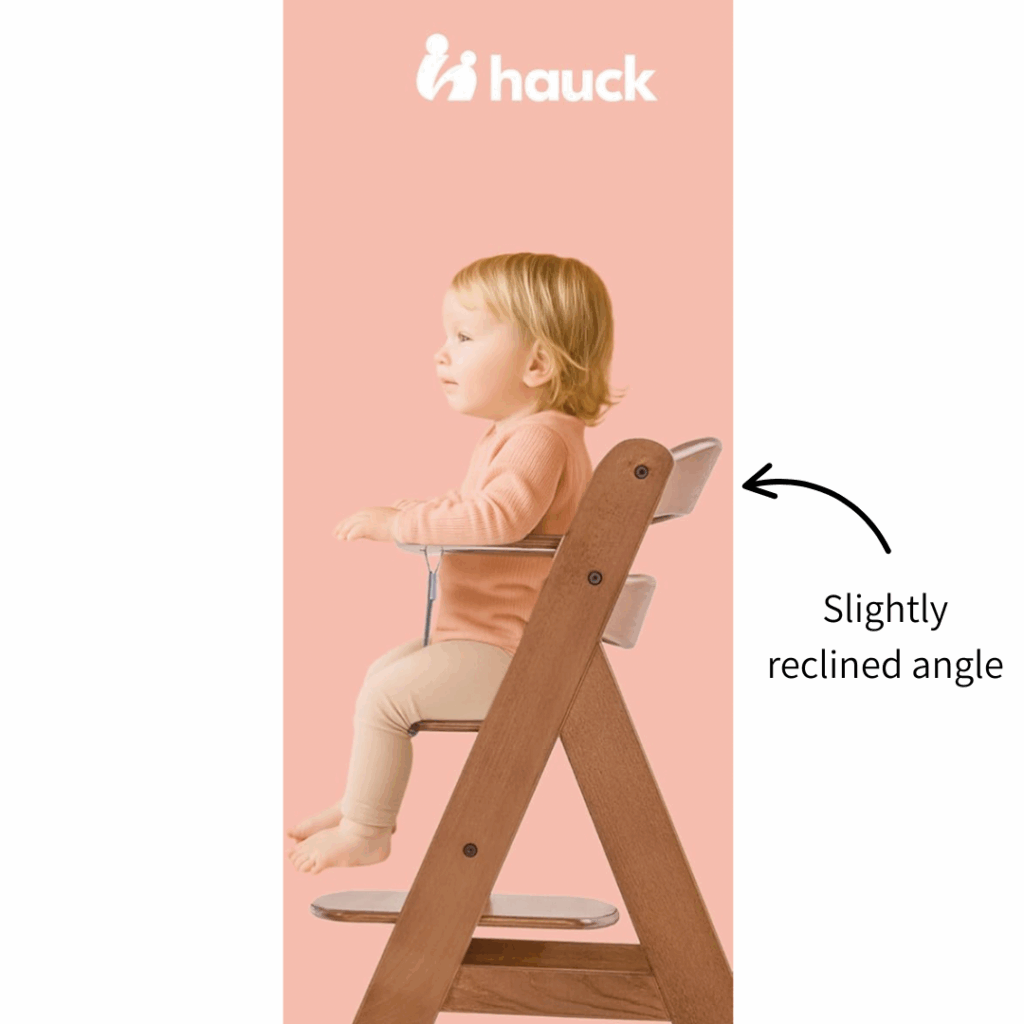
Using a high chair before a baby is developmentally ready can lead to unsafe feeding practices and hinder their ability to explore and consume food effectively. Therefore, the primary characteristic of an appropriate high chair is a fully upright seat that securely supports the baby’s body in a stable manner.
How to Make Modifications to a High Chair
Even the most ergonomically designed high chairs may require minor adjustments to perfectly support a baby, depending on their individual size. The consistent goal is to achieve the 90-90-90 posture: hips, knees, and ankles at 90 degrees, with feet supported and the tray or table at belly-button height. If a baby appears unstable or cannot reach comfortably, these practical home modifications can help:
If Your Baby Can’t Reach the Tray/Table/Food:
- Footrest Adjustment: If the high chair has an adjustable footrest, ensure it is set to the lowest possible position that supports the baby’s feet.
- Cushioning or Support: For chairs without an adjustable footrest, a rolled towel, a small cushion, or even a sturdy box placed beneath the baby’s feet can provide the necessary support. Ensure any added material is secure and does not compromise the chair’s stability or the baby’s safety.
- Seat Depth: If the seat is too deep, a small cushion placed behind the baby can help bring them closer to the tray.
If Your Baby Leans or Slouches in the Seat:
- Lumbar Support: A small, firm cushion or a rolled towel placed at the lower back can provide essential support, encouraging an upright posture.
- Side Support: For babies who tend to lean to one side, rolled towels or specifically designed side cushions can offer stability.
- Harness Adjustment: Ensure the harness is snug and properly fitted to hold the baby securely in an upright position.
If Your Baby’s Feet Don’t Reach the Footrest:
- Footrest Adjustment: If the footrest is adjustable, lower it to accommodate your baby’s leg length.
- DIY Footrest: For chairs without an adjustable footrest, consider adding a sturdy shelf or box that can be securely attached to the chair legs to create a supportive footrest. This ensures the 90-degree knee and ankle angle.
Can I Feed My Baby Without a High Chair?
While it is technically possible to feed a baby without a high chair, it is not recommended by feeding experts. Here’s why:
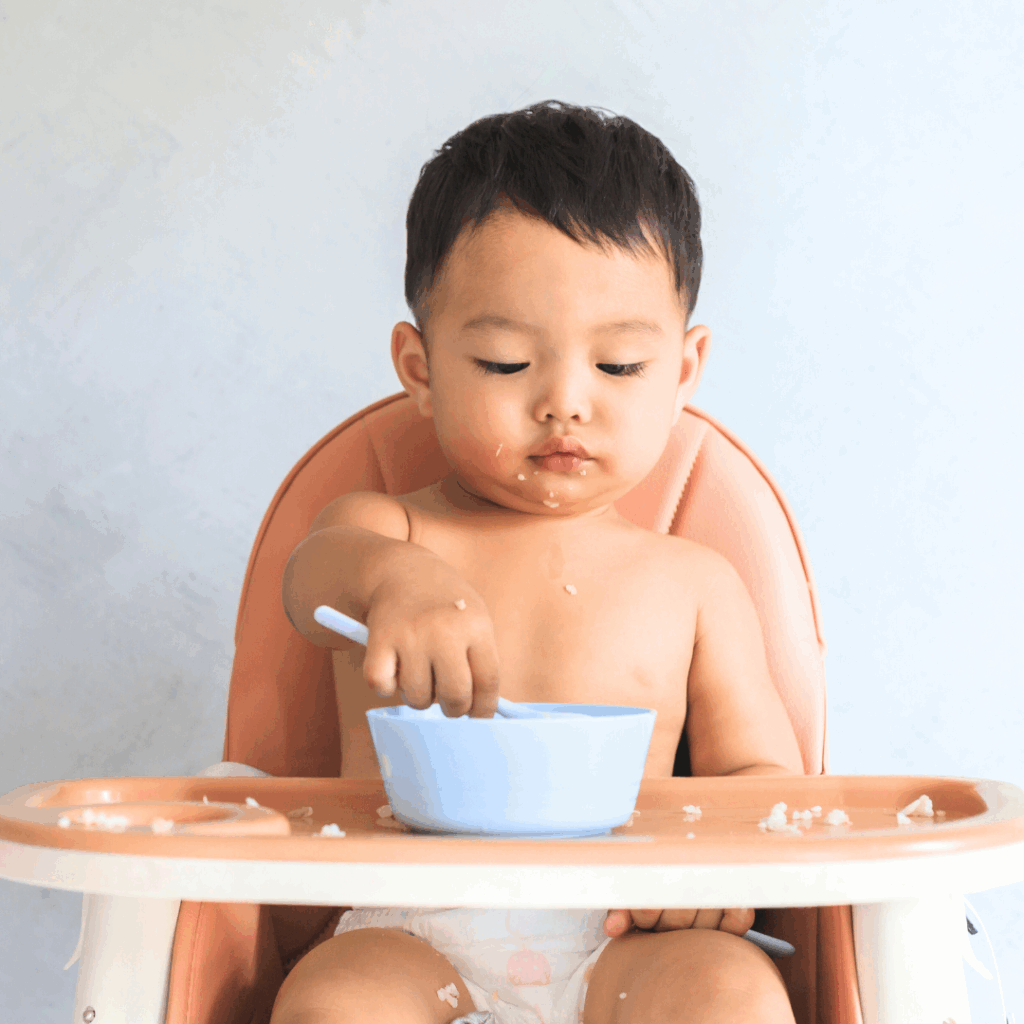
- Lack of Proper Support: Feeding on a lap, for instance, does not provide the stable, upright posture necessary for safe swallowing and efficient digestion. Babies may slouch or recline, increasing the risk of choking and making it difficult to manage food.
- Safety Concerns: Without a secure harness and tray, babies are more prone to falling or becoming restless, creating a hazardous feeding environment.
- Developmental Impact: A high chair is designed to create an optimal setting for learning to eat. Without this structured environment, babies may not develop the same level of engagement or confidence with food.
While lap-feeding might be a temporary solution in situations like dining out without a high chair available, the safest and most supportive approach for regular feeding remains a secure seat with a harness and tray positioned appropriately in front of the baby.
Do I Have to Strap My Baby Into the High Chair?
Yes, the safest way to prevent falls and ensure your baby’s security is to always use the harness exactly as the manufacturer recommends. Straps are not merely an optional accessory; they are a critical safety feature.
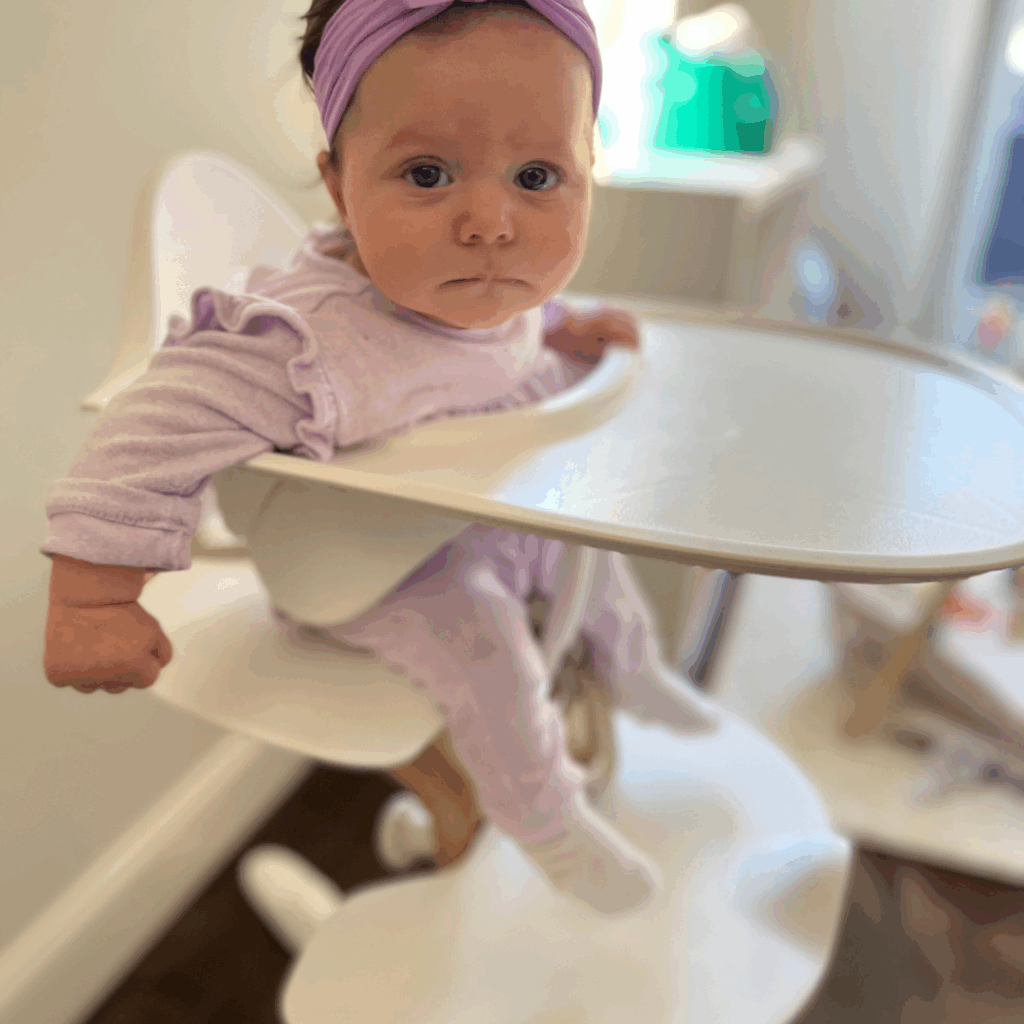
Recent data from the U.S. Consumer Product Safety Commission (CPSC) highlights the growing concern: in 2023, over 14,000 high-chair-related injuries were treated in U.S. emergency rooms, a significant increase from approximately 9,800 in 2014. High chairs have become one of the leading nursery items associated with home injuries. Studies indicate that a substantial percentage of these injuries are linked to falls resulting from improper strap usage. Even when a tray is attached, failure to use the belt, crotch strap, or harness can render the chair unsafe, as simply sitting in it becomes risky.
For infants beginning their journey with solids, harness straps are indispensable. They:
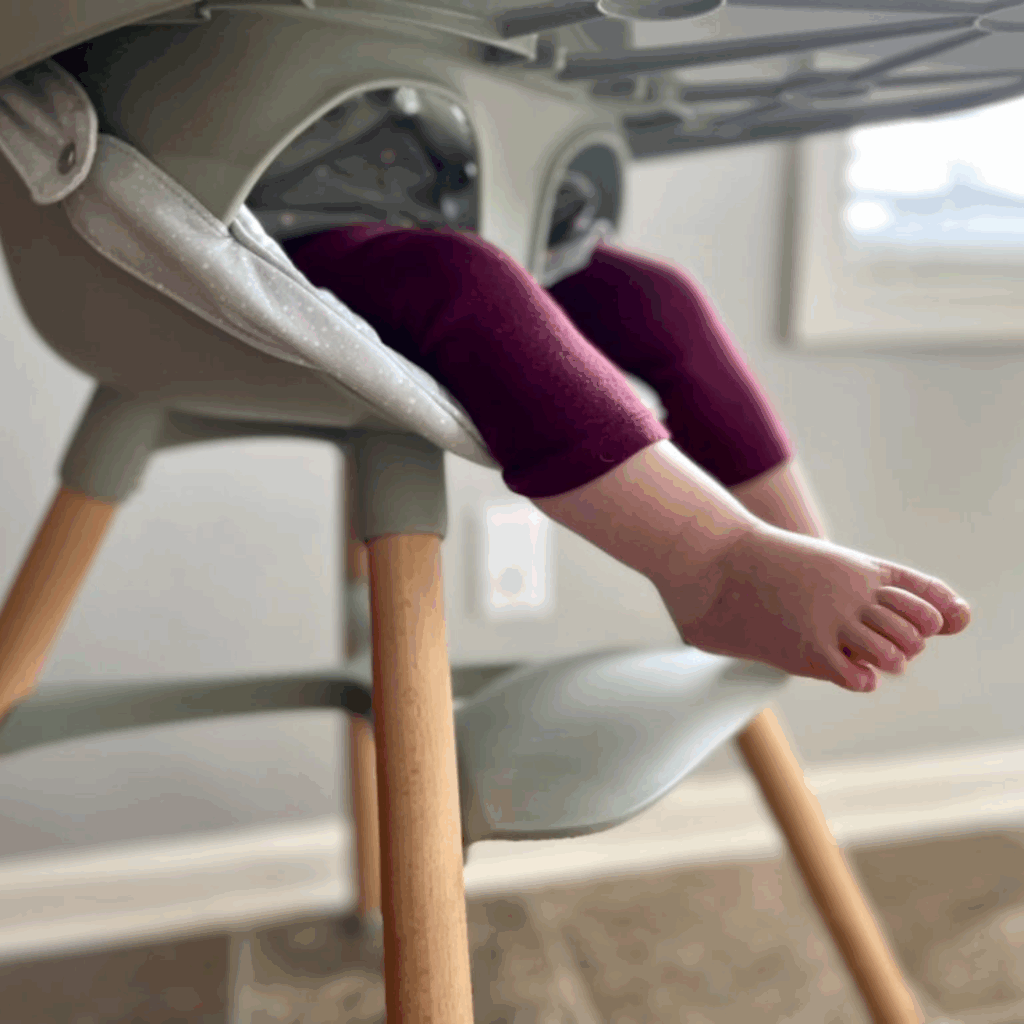
- Prevent Falls: Shoulder straps are essential to stop babies from leaning forward or sideways out of the seat.
- Promote Focus: By keeping the baby securely in place, the straps allow them to concentrate on learning new feeding skills without the distraction of instability.
- Support Posture: They help maintain the upright posture necessary for safe swallowing.
A five-point harness, similar to those found in car seats, is ideal at this stage. As babies mature into toddlers, the harness’s role shifts from primarily supporting posture to managing an active child at the table. For toddlers who are capable of climbing and standing, straps are crucial for preventing:
- Escaping the chair: Toddlers may attempt to climb out, leading to falls.
- Standing up in the chair: This is a common precursor to a fall.
- Tilting or tipping the chair: Active toddlers can destabilize the chair.
When Can I Transition My Child Out of the High Chair?
Most toddlers are capable of sitting in a regular chair by approximately 12 to 15 months of age. However, the ability to sit does not always equate to the readiness to do so full-time.
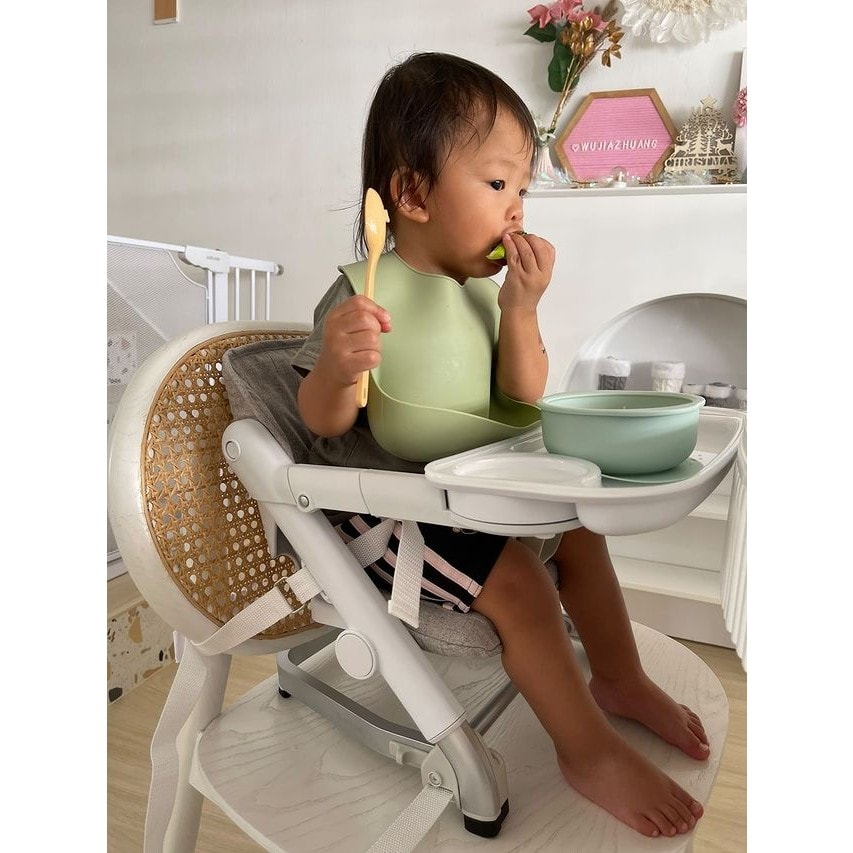
Between 15 and 18 months, many toddlers still benefit significantly from the additional support provided by a high chair or a toddler chair/booster equipped with a footrest. This support is crucial for them to comfortably reach the table and maintain a stable eating position. Without it, they are more likely to wiggle, slide, lose focus on their meal, and potentially increase their choking risk.
Furthermore, the behavioral aspect is undeniable. Toddlers often seek independence, which can manifest as a desire to get up and down from the table frequently. A high chair with a harness can help maintain them in one spot long enough to actually consume their meal, contributing to calmer, safer, and less stressful mealtimes for everyone involved.
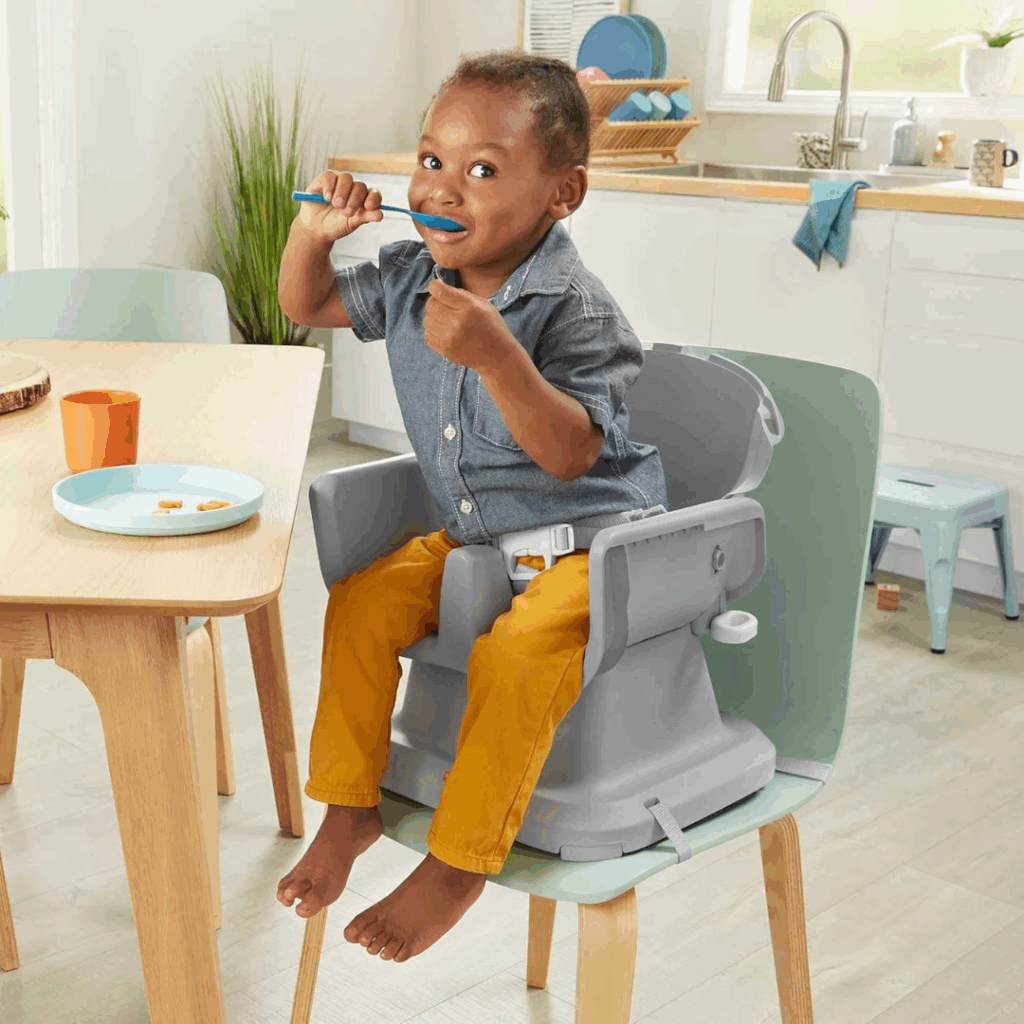
Our recommendation is to continue using a supportive seat until the child can consistently:
- Sit independently: Maintain a stable, upright posture for the duration of the meal without fidgeting or needing to get up.
- Reach the table comfortably: Their feet are supported, and they can access their food without straining.
- Follow mealtime rules: Understand and adhere to basic expectations for staying seated during meals.
The bottom line is that keeping toddlers in a supportive seat is not about "babying" them; it’s about providing the safest and most effective foundation for their eating development. It also spares parents the stress of constantly managing a mobile child at the dining table.
For families who opt not to use a high chair that converts into a toddler chair, selecting an appropriate booster seat is the next step.
Conclusion
Ultimately, selecting a high chair is more than just a baby gear purchase; it is an investment in a child’s safety, comfort, and long-term success at the table. The right high chair facilitates the crucial 90-90-90 posture, ensuring an open airway for safe swallowing and establishing a foundation for confident self-feeding. It also contributes to calmer mealtimes by providing a supported, contained environment where a child is more likely to remain engaged.

There is no single "perfect" high chair for every family. The ideal choice balances proper ergonomics with features that align with your lifestyle—whether that means easy-to-clean materials, a compact design for limited space, or a chair that adapts and grows with your child for many years. We hope this guide has demystified the process and empowered you to make an informed decision.
If you’re feeling overwhelmed about starting solids and unsure where to begin, consider joining our FREE workshop: "How to start solids: A realistic first week of feeding your baby." This workshop is designed for parents ready to feel confident and prepared to introduce solids, eliminating the guesswork. You’ll learn precisely what to feed, when to feed it, and how to do it step-by-step, with expert guidance from pediatric dietitian Edwena Kennedy. Attendees will also receive a FREE 5-day meal plan.
Related posts: