The rise of home-cooking trends over the past decade has signaled a significant shift in consumer behavior, moving away from high-sodium, high-calorie takeout options toward nutrient-dense, homemade alternatives. Among the most popular dishes undergoing this transformation is the classic beef and broccoli stir-fry. While traditional restaurant versions are often criticized for their heavy reliance on refined sugars, excessive cooking oils, and high-sodium sauces, home versions are now being engineered to prioritize health outcomes without sacrificing the authentic flavor profile associated with the dish.
Nutritional Context and the Shift Toward Home Preparation
Traditional restaurant-style beef and broccoli often contains upwards of 1,500 milligrams of sodium per serving, which exceeds half of the daily recommended limit suggested by the American Heart Association. Furthermore, the reliance on deep-frying the beef and heavy glazes can add substantial caloric density. Nutritional analysis indicates that by transitioning to a home-prepared model, individuals can reduce caloric intake by approximately 30% and sodium content by nearly 50% through the use of low-sodium soy sauce or tamari alternatives and the substitution of water-steaming techniques for high-fat frying.
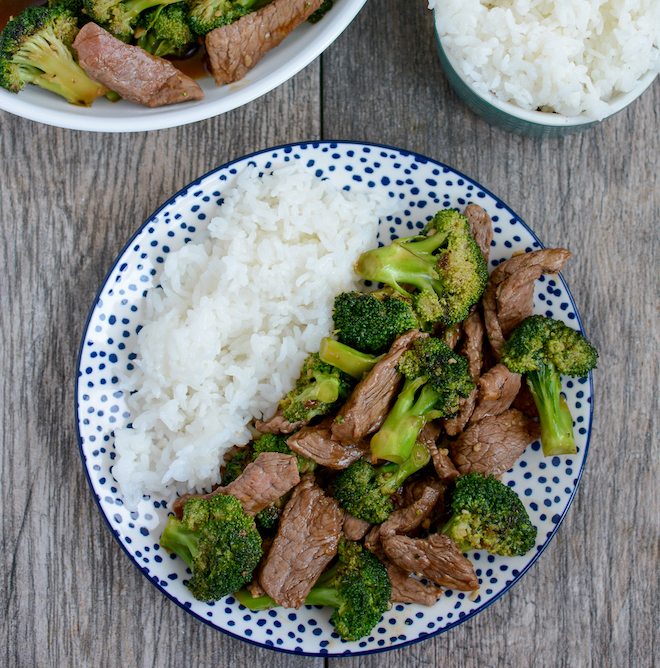
The culinary strategy for this "lightened-up" version relies on the aromatics of fresh garlic and ginger to provide depth and heat, effectively compensating for the reduction in added sugars. This approach aligns with broader nutritional guidelines that advocate for the use of potent spices and herbs to enhance flavor profiles while maintaining a lower glycemic index.
Culinary Methodology and Technical Execution
Achieving a high-quality, professional-grade result at home requires adherence to specific technical standards, particularly regarding the handling of protein. The "chewiness" often associated with poorly executed stir-fry is typically a byproduct of incorrect cutting techniques or improper thermal processing.
Culinary experts emphasize two critical factors: cutting against the grain and heat management. Slicing beef against the grain—perpendicular to the direction of the muscle fibers—shortens the fibers, resulting in a more tender texture upon consumption. To facilitate precise, thin slicing, chefs frequently recommend a 30-minute flash-freeze of the beef before preparation.
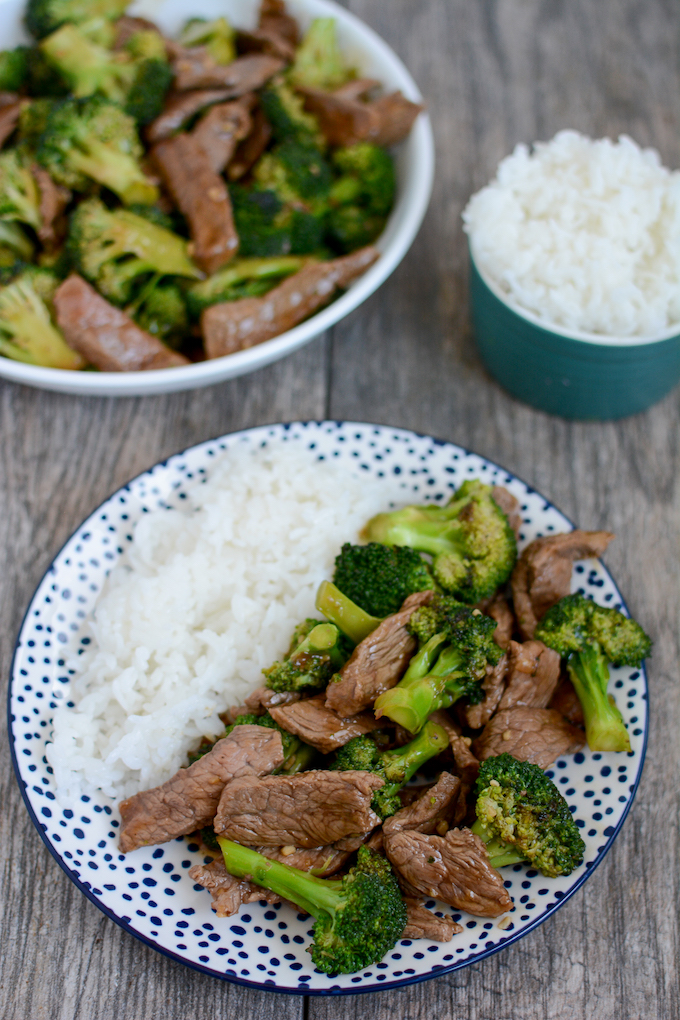
Regarding thermal processing, the transition from heavy oil-based frying to a steam-fry hybrid has become the industry standard for home health-conscious cooking. By introducing a small amount of water to the pan during the broccoli-cooking phase, the vegetable achieves a vibrant green hue and an ideal texture—crisp-tender—without requiring excess lipids. The beef is then seared rapidly to retain moisture, with the total cook time for the entire dish rarely exceeding 20 minutes. This efficiency is a primary driver behind the dish’s popularity among time-constrained demographics.
Chronology of Preparation and Implementation
The implementation of a standard healthy beef and broccoli recipe follows a rigid, efficient chronology designed to maximize flavor while minimizing nutrient degradation:
- Preparation Phase (Minutes 0–5): The beef is sliced against the grain into thin, uniform strips. Broccoli florets are trimmed to consistent sizes to ensure uniform cooking.
- Aromatic Base (Minutes 5–7): Garlic and ginger are prepared. These components serve as the primary flavoring agents, reducing the necessity for high-sugar bottled sauces.
- Protein Searing (Minutes 7–12): The beef is cooked over high heat. This phase is critical; the protein must be removed from the heat while still slightly underdone to prevent toughness, as it will continue to cook once combined with the sauce.
- Vegetable Steam-Fry (Minutes 12–16): The broccoli is added to the pan. A small volume of water is introduced to create a steam effect, softening the stalks while maintaining the nutritional integrity of the florets.
- Final Integration (Minutes 16–20): The sauce, typically a mixture of soy or tamari, a thickening agent like cornstarch, and aromatics, is added. The mixture is tossed for 2–4 minutes until the sauce achieves a glossy, thickened consistency.
Alternative Preparation: The Slow Cooker Method
For individuals requiring a passive cooking approach, the slow cooker method provides a viable alternative, though it necessitates specific modifications to maintain food safety and texture. When utilizing a slow cooker, the cornstarch must be withheld until the final stage of the cooking process to prevent the sauce from breaking down into a thin, unappealing liquid.
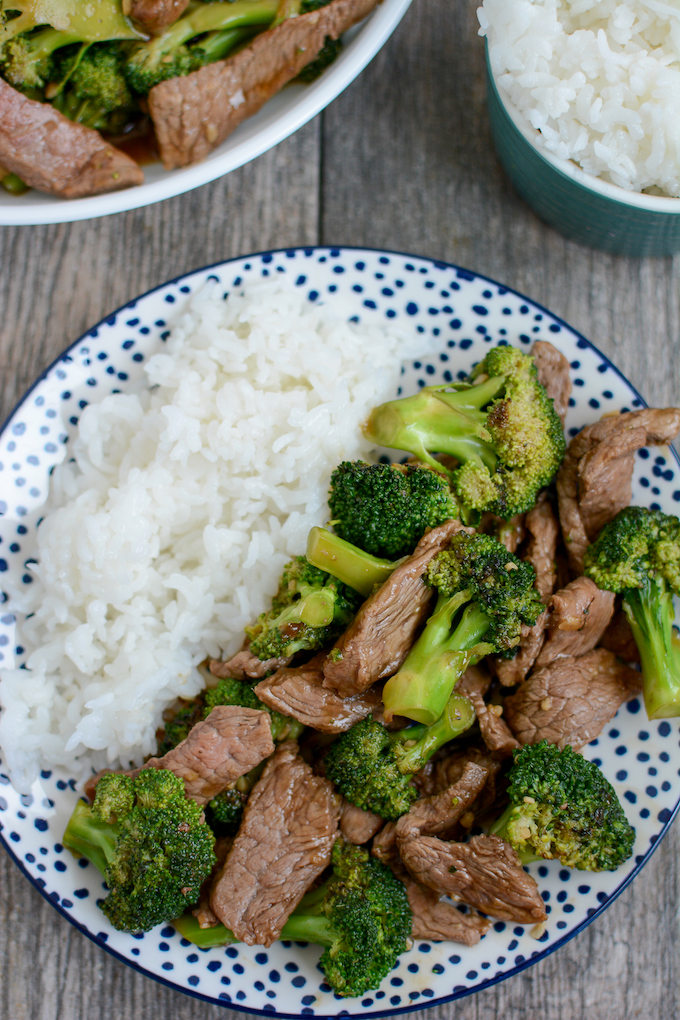
The standard protocol involves cooking the beef and aromatics on low for four to five hours. The broccoli and the cornstarch-water slurry are then introduced in the final 30 minutes. This duration is sufficient to cook the broccoli to a tender state without resulting in the mushy texture often associated with long-duration pressure or slow cooking.
Broader Economic and Health Implications
The trend toward preparing restaurant-style meals at home reflects a broader economic awareness among consumers. With the rising costs of dining out and the increasing availability of affordable, high-quality proteins and produce, the cost-per-serving of a home-cooked beef and broccoli meal is significantly lower than its commercial counterpart.
From a public health perspective, the movement toward customizable meals is an essential component of dietary management. By controlling the sodium and sugar content, individuals with hypertension, diabetes, or those managing weight-related health goals can participate in global culinary experiences without compromising their medical regimens.

Furthermore, the versatility of the dish—which pairs effectively with various grains such as brown rice, quinoa, or low-carb alternatives like cauliflower rice—demonstrates the adaptability of the stir-fry format. This adaptability allows the dish to remain relevant across diverse dietary patterns, including gluten-free, low-glycemic, and high-protein diets.
Expert Perspectives on Nutrient Density
Registered dietitians have frequently highlighted that the pairing of a cruciferous vegetable like broccoli with a high-protein source like lean beef provides a balanced nutritional profile. Broccoli is rich in fiber, Vitamin C, and Vitamin K, while the beef provides essential iron, B12, and zinc. When the preparation method favors steaming over deep-frying and limits the introduction of refined sweeteners, the dish becomes a model for a "complete meal" that requires minimal side-dish supplementation.
As the industry continues to evolve, the focus on "lightened-up" versions of ethnic staples is expected to persist. The success of this specific recipe format—prioritizing speed, nutritional balance, and accessibility—serves as a template for other traditionally calorie-dense comfort foods. The shift is not merely a passing trend but a fundamental change in how modern households reconcile the desire for takeout-style flavors with the rigorous demands of contemporary nutritional standards. By demystifying the preparation process and providing clear, actionable techniques, the culinary community is effectively empowering individuals to regain control over their dietary intake.