Air Fryer Ribeye Steak: A Culinary Analysis of Modern Home Cooking Techniques

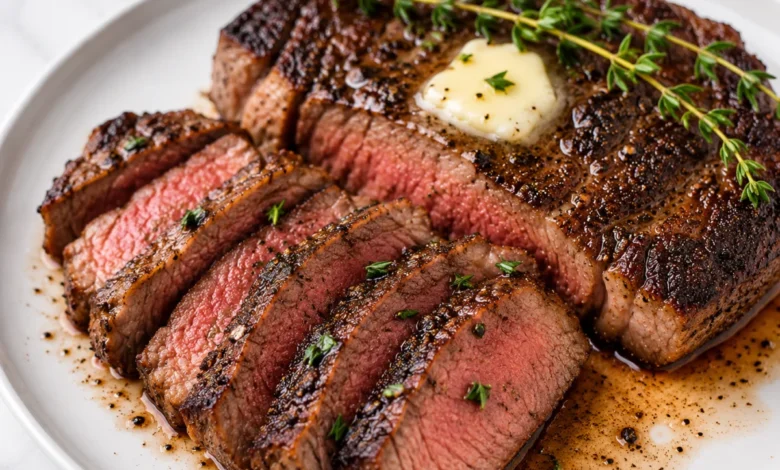
The landscape of domestic food preparation has undergone a significant transformation with the widespread adoption of the air fryer, a convection-based appliance that has challenged traditional perceptions of high-heat cooking methods. Among the most ambitious applications of this technology is the preparation of premium cuts of beef, such as the ribeye steak. Historically reserved for the grill or the cast-iron skillet, the ribeye—prized for its intramuscular fat, or marbling—is now frequently prepared using high-velocity circulating hot air. Culinary experts and home economists have noted that when executed with precision, this method yields results comparable to traditional steakhouse standards, characterized by a distinct sear and controlled internal temperature, all while eliminating the atmospheric smoke often associated with indoor searing.
The Science of Convection-Based Beef Preparation
The efficacy of the air fryer in preparing a ribeye rests on the principle of forced-air convection. Unlike a conventional oven, which relies on radiant heat and natural airflow, the air fryer utilizes a high-powered fan to circulate air at temperatures reaching 400 degrees Fahrenheit. This process creates a rapid heat transfer environment that facilitates the Maillard reaction—the chemical process responsible for the browning of the meat’s surface and the development of complex flavor profiles.
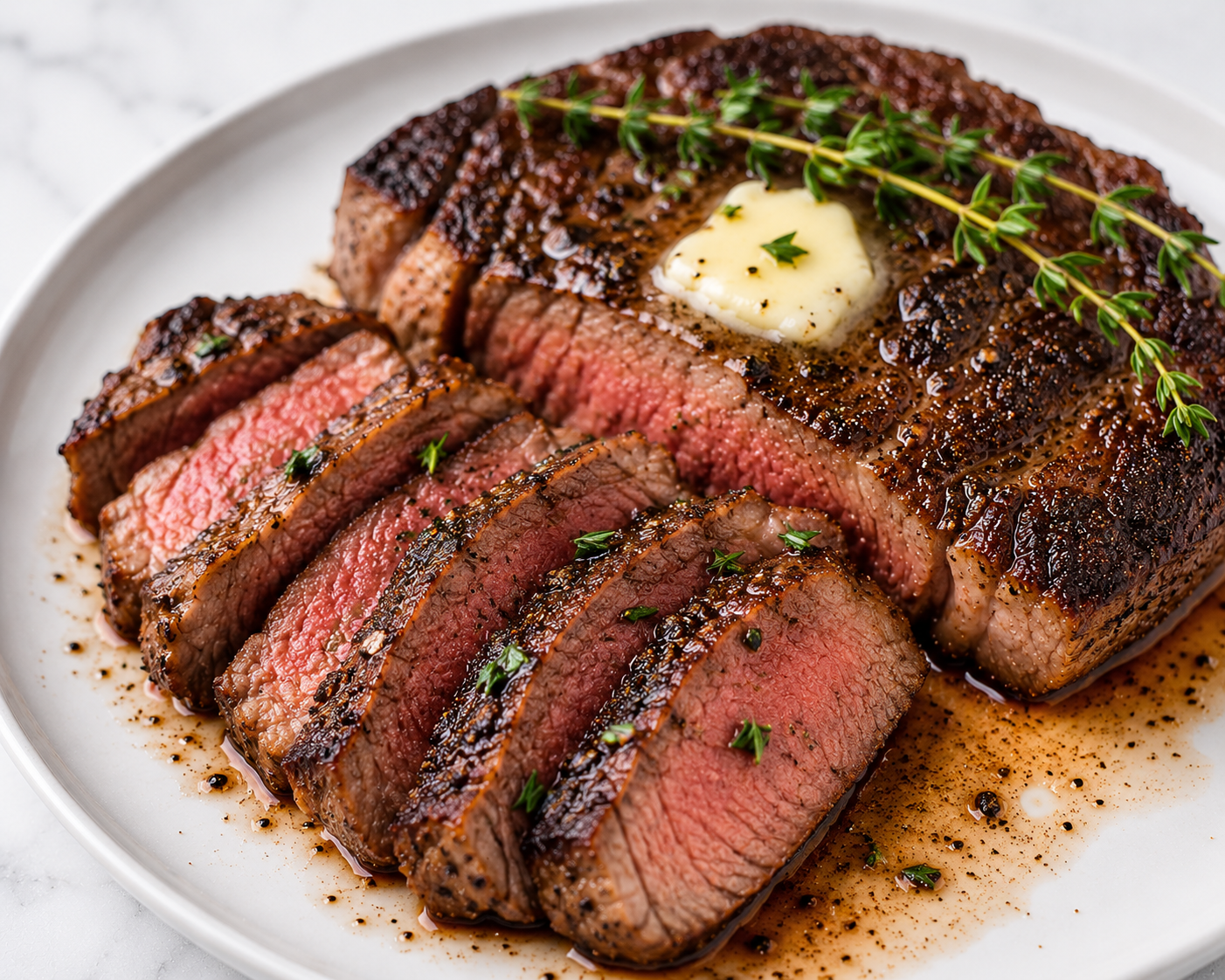
Data suggests that for a standard 1 to 1.5-inch thick ribeye, a cooking duration of approximately 10 to 12 minutes is sufficient to reach a medium-rare to medium internal temperature. The primary advantage identified by professional chefs is the uniformity of the heat distribution, which minimizes the "gray band" of overcooked meat often found beneath the surface of steaks prepared in traditional pans. By maintaining a constant, high-temperature environment, the exterior is effectively caramelized before the internal muscle fibers reach an overdone state.
Strategic Preparation: The Role of Seasoning and Moisture Control
The methodology for achieving a professional-grade crust in an air fryer necessitates strict adherence to surface preparation protocols. Culinary researchers emphasize the "dry-surface" rule: any residual moisture on the exterior of the steak will convert to steam during the initial stages of cooking, effectively boiling the surface and preventing the desired browning. Consequently, patting the steak completely dry with paper towels is a non-negotiable step in the preparation sequence.
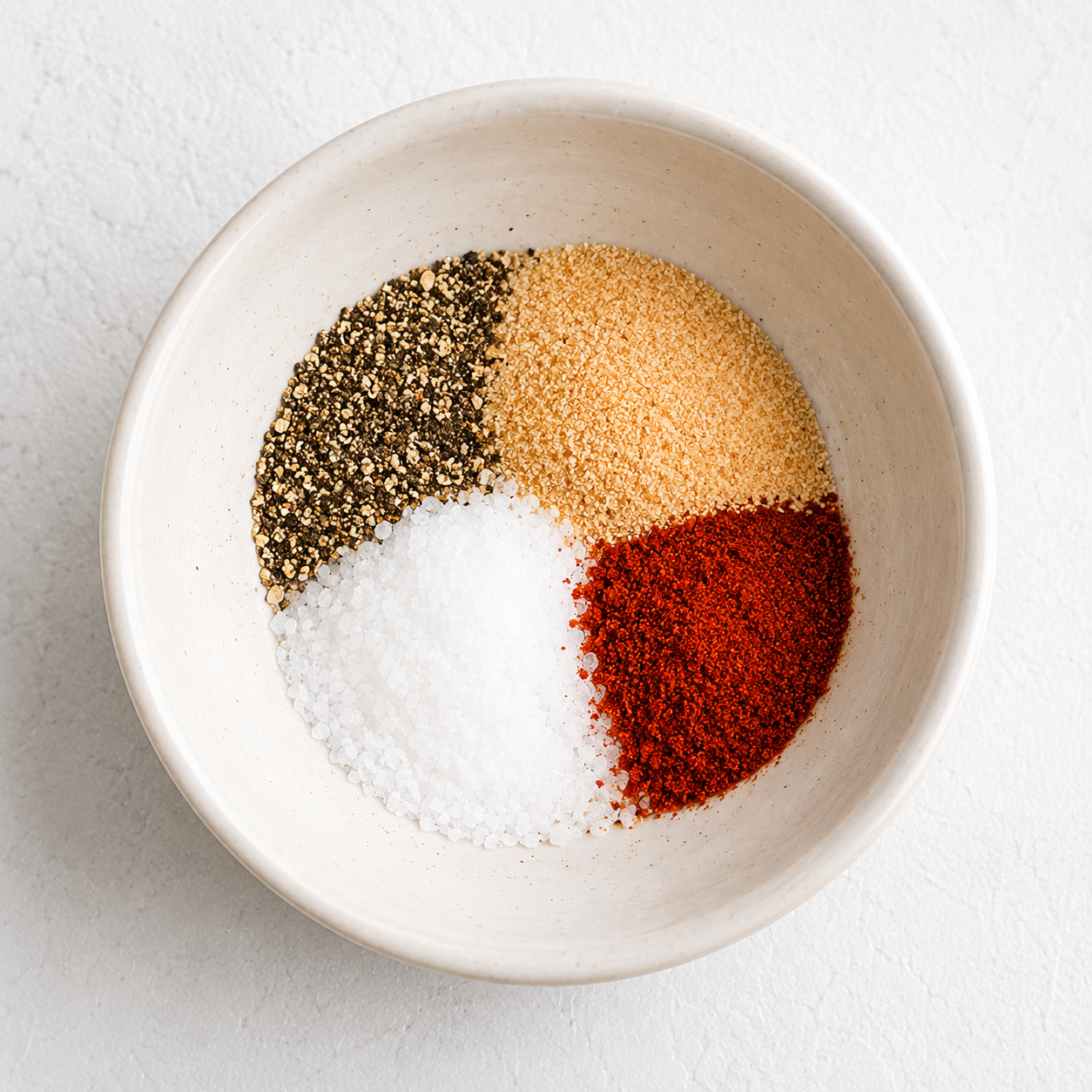
Regarding the seasoning profile, the utilization of a five-spice dry rub—comprising kosher salt, cracked black pepper, garlic powder, onion powder, and smoked paprika—serves both aesthetic and functional purposes. While salt and pepper act as fundamental flavor enhancers, the inclusion of smoked paprika is scientifically significant. In an air fryer environment, which lacks the charcoal or wood-smoke output of an outdoor grill, smoked paprika introduces a chemical compound that mimics the aromatic profiles of traditional barbecue. The use of garlic and onion powders is similarly strategic, as fresh aromatics are prone to scorching at the sustained 400-degree temperatures required for a proper sear.
Chronology of the Cooking Process
To optimize the quality of the final product, the preparation follows a distinct chronological order:
- Tempering: The steak must be brought to room temperature for 30 minutes prior to cooking. This ensures a more even distribution of heat during the short 10-to-12-minute window.
- Seasoning: Application of the dry rub occurs immediately before placing the meat into the air fryer to prevent the salt from drawing out too much surface moisture.
- Environmental Control: A critical observation in recent culinary tests involves the addition of one tablespoon of water to the base of the air fryer. This water creates a humid buffer that prevents the high-fat drippings of the ribeye from hitting the hot heating element, thereby mitigating smoke production.
- Thermal Processing: The steak is subjected to 400-degree heat, with a mandatory rotation at the halfway mark to ensure both sides develop a consistent crust.
- The Rest Period: Following removal, the steak must undergo a 5-minute resting period. During this time, the internal juices—which migrate toward the center of the meat during the high-heat cycle—redistribute throughout the muscle fibers, ensuring the final bite is as tender as the center.
Nutritional and Economic Considerations
From a nutritional standpoint, the air fryer method provides a cleaner profile compared to pan-searing in butter or oil. While the ribeye is naturally rich in fat, the air fryer allows rendered fat to drain away from the meat into the collection tray, rather than allowing the steak to re-absorb it during the basting process.
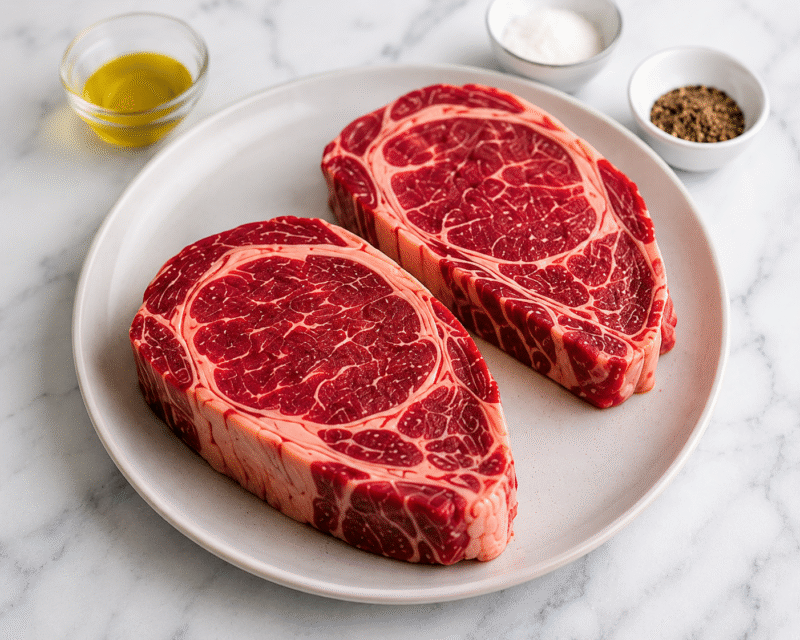
Economically, the selection of the steak is a critical variable. Analysts in the meat industry suggest that consumers should look for high-grade "marbling"—the white, web-like fat deposits within the red muscle. The presence of these fats is a primary indicator of tenderness and flavor. For the best results in an air fryer, purchasing a ribeye with an even distribution of marbling is more important than the specific weight of the cut.
Broader Implications for Home Dining
The shift toward using countertop appliances for high-end protein preparation reflects a broader trend in consumer behavior: the desire for "steakhouse quality" meals within a domestic setting, driven by time efficiency and the avoidance of specialized, cumbersome equipment. The fact that an air fryer can replicate the results of a grill or a cast-iron pan suggests that the barrier to entry for home cooking is lowering.
Furthermore, the integration of temperature monitoring—using an instant-read meat thermometer—has become the standard of practice. The recommendation to remove the steak at 130 to 135 degrees Fahrenheit for a medium-rare finish is consistent with food safety guidelines provided by the USDA, which advises a minimum internal temperature of 145 degrees Fahrenheit for beef, followed by a three-minute rest. By pulling the meat slightly earlier to account for "carryover cooking," the home chef can consistently achieve professional results.
Summary of Best Practices
To ensure safety and quality, the following technical guidelines should be observed:
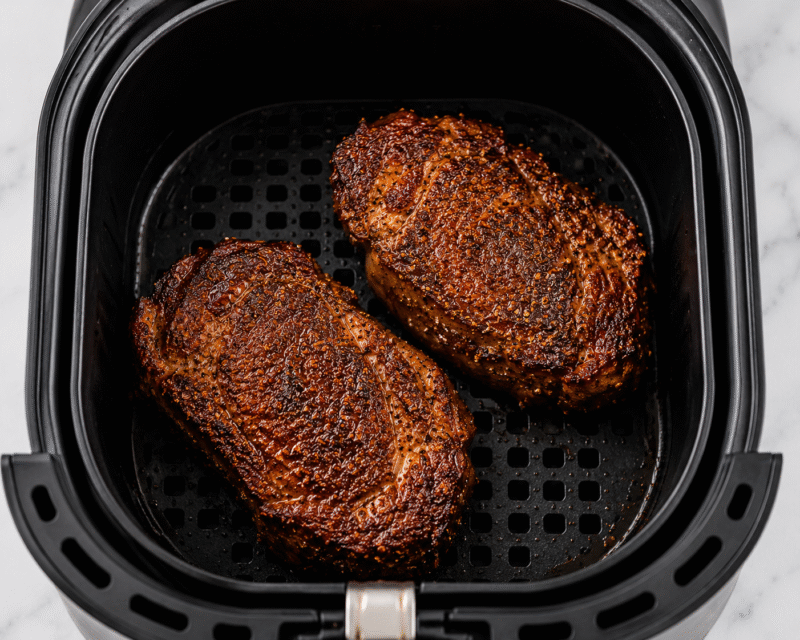
- Avoid Overcrowding: Airflow is the primary mechanism of heat transfer; overlapping steaks will inhibit this process, leading to steamed rather than seared meat.
- Prioritize Calibration: Because individual air fryer models vary in wattage and internal volume, the first attempt should always be monitored with a digital thermometer.
- Storage Protocols: Leftovers should be stored in an airtight container and, if reheating is required, it should be done in the air fryer at a lower temperature (350 degrees) to restore the integrity of the crust without further cooking the interior.
In conclusion, the air fryer has evolved from a convenience tool for frozen foods into a legitimate instrument for precision cooking. By applying scientific principles of heat transfer, moisture control, and thermal management, home cooks can effectively replicate the nuanced textures and flavors of a professional steakhouse, proving that high-quality dining is increasingly a matter of technique rather than access to industrial-grade equipment.