The Rise of the Air Fryer: Transforming Home Cooking with the Efficient Air Fryer Quesadilla

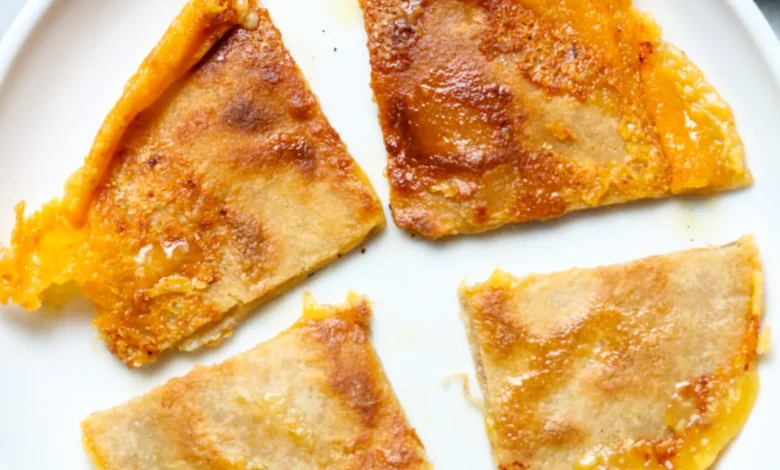
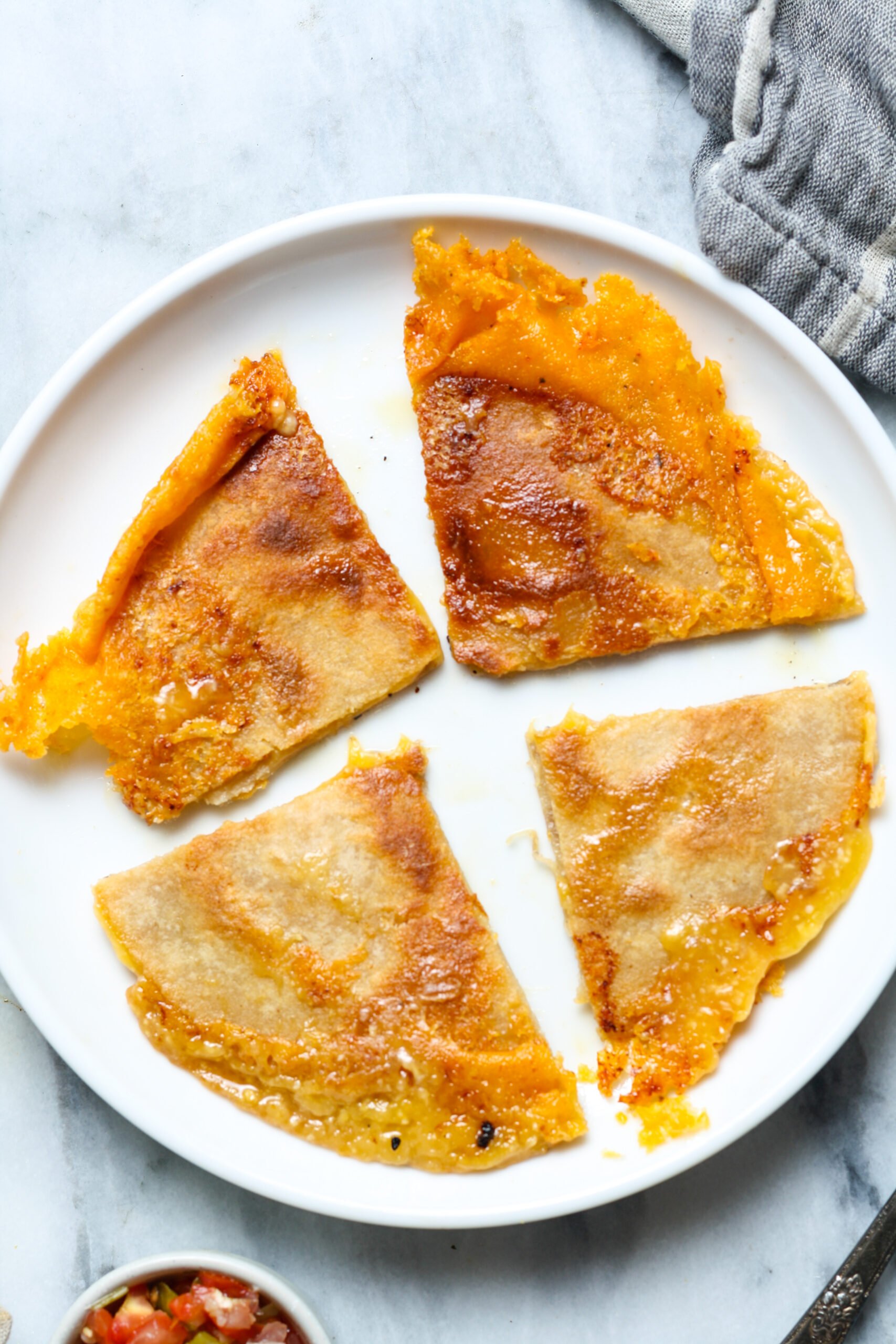
The rapid adoption of air frying technology in modern households has fundamentally shifted domestic culinary practices, moving away from traditional oil-immersion frying toward high-velocity convection heat. Among the most popular applications of this appliance is the air fryer quesadilla, a dish that has transitioned from a niche experiment to a staple of the time-efficient, home-cooked meal movement. By leveraging the concentrated heat distribution of compact air fryers, home cooks are achieving results previously reserved for commercial flat-top grills, specifically the attainment of a high-temperature crust on flour or corn tortillas combined with precise, controlled melting of internal cheese components.
Historical Context and Technological Adoption
The air fryer, which entered the consumer market in the early 2010s, utilizes a heating element and a high-speed fan to circulate hot air around the food. This mechanism, based on the Maillard reaction, creates a crispy texture without requiring the volume of oil associated with deep frying. Market analysis from the past five years indicates that over 40% of American households now own at least one air frying device. This shift is largely attributed to a broader cultural emphasis on quick, "clean" eating, as families seek alternatives to processed, pre-packaged convenience foods.
The quesadilla—a traditional Mexican dish consisting of a tortilla filled with cheese and occasionally other ingredients—has historically been prepared in a skillet. While effective, stovetop preparation often presents challenges such as uneven browning, burnt edges, or an unmelted, cold center. The air fryer has emerged as a technological solution to these common kitchen failures, providing a 360-degree heat profile that ensures consistency.

Chronology of the Air Fryer Culinary Trend
The integration of the air fryer into the standard kitchen toolkit did not happen overnight. The following timeline illustrates the trajectory of this appliance’s popularity:
- 2010–2014: Introduction of the first consumer-grade air fryers; initial adoption by early adopters and culinary enthusiasts.
- 2015–2018: Rapid expansion of the market as appliance manufacturers lowered price points and increased the variety of sizes and features.
- 2019–2021: The COVID-19 pandemic acted as a major catalyst for home cooking trends. With restaurant access limited, consumers sought to replicate "fast-casual" dining experiences at home, leading to a surge in recipes for air-fried snacks and appetizers.
- 2022–Present: Standardization of the air fryer as a "must-have" appliance. Data from search engine trends shows that "air fryer recipes" remain among the top culinary search queries, with "quesadillas" consistently ranking in the top tier of requested quick-prep meals.
Technical Parameters for Optimal Preparation
Professional kitchen testing and consumer feedback indicate that success with an air fryer quesadilla depends on strict adherence to specific thermal parameters. The optimal temperature for the process is 400°F (204°C). At this temperature, the water content in the tortilla evaporates at a rate sufficient to create a crisp exterior while the cheese reaches its melting point (approximately 130°F–150°F depending on the variety) within a window of 5 to 6 minutes.
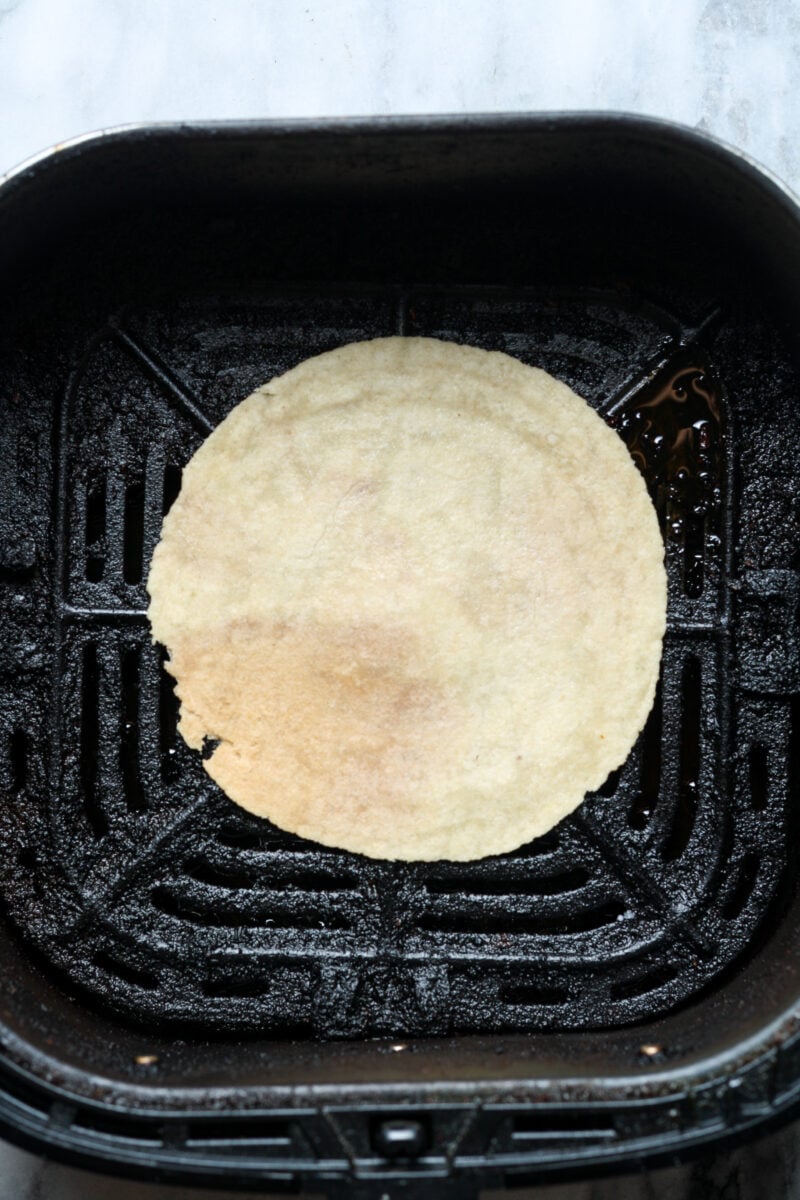
Data suggests that overloading the basket is the primary cause of failure. The air fryer works by circulating hot air; if the basket is overcrowded, the airflow is obstructed, leading to a "steaming" effect rather than a "frying" effect. This results in a soft, pliable, and ultimately soggy tortilla. Experts recommend a single-layer arrangement to ensure maximum exposure to the heat source.
Comparative Analysis of Ingredients and Quality
The shift toward healthier, homemade versions of quick meals has led to a renewed interest in ingredient quality. Traditional store-bought flour tortillas often contain preservatives, whereas modern consumer preferences lean toward whole-wheat or organic corn alternatives.
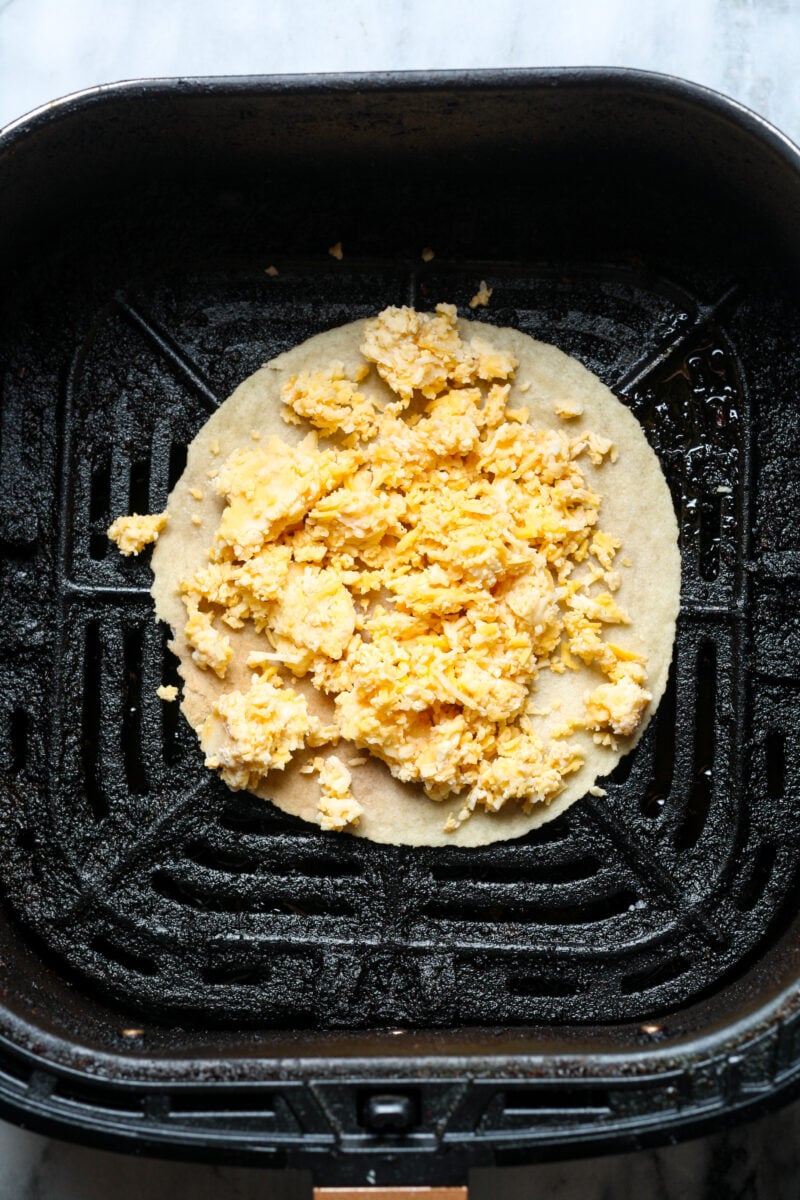
Nutritional professionals have noted that the air fryer method allows for a significant reduction in caloric intake compared to pan-frying. In traditional stovetop preparation, oil or butter is typically added to the pan, which is then absorbed by the tortilla. An air fryer requires only a light misting of oil—often 80% to 90% less than traditional methods—to achieve the same degree of crispness.
Official Guidelines and Safety Considerations
While the air fryer is user-friendly, manufacturers and consumer safety boards issue consistent guidelines for its operation. The most significant concern for light, flat foods like tortillas is the high-velocity fan. If the air circulation is too aggressive, the top layer of the tortilla may lift, causing it to hit the heating element. This not only causes the tortilla to burn but also presents a potential fire hazard.
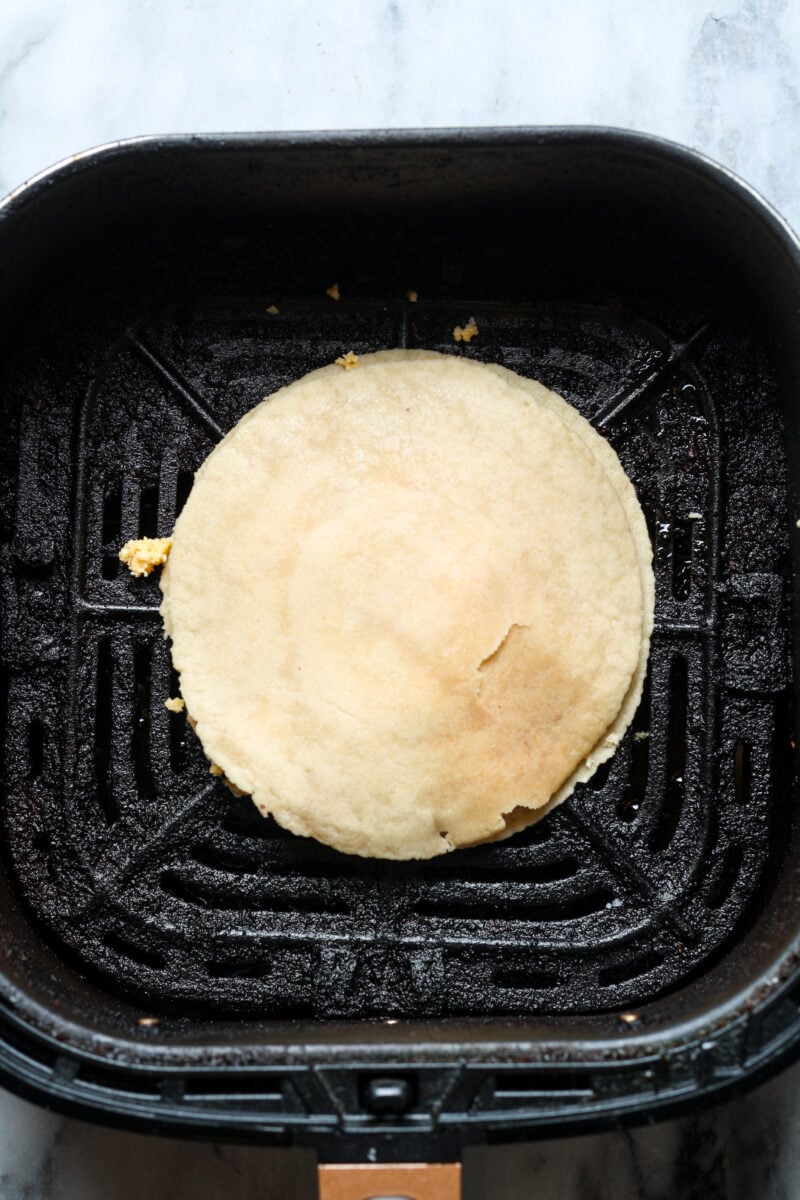
To mitigate this, users are advised to ensure the top tortilla is weighed down by sufficient cheese or, in some cases, a small, oven-safe wire rack designed to hold the food in place. Additionally, the use of parchment paper is debated; while it aids in cleanup, it can restrict airflow if the holes in the paper do not align with the basket perforations.
Broader Implications for the Food Industry
The success of the air fryer quesadilla represents a larger movement in the food industry known as "democratized gastronomy." This refers to the ability of the average consumer to produce restaurant-quality food with minimal training and time.
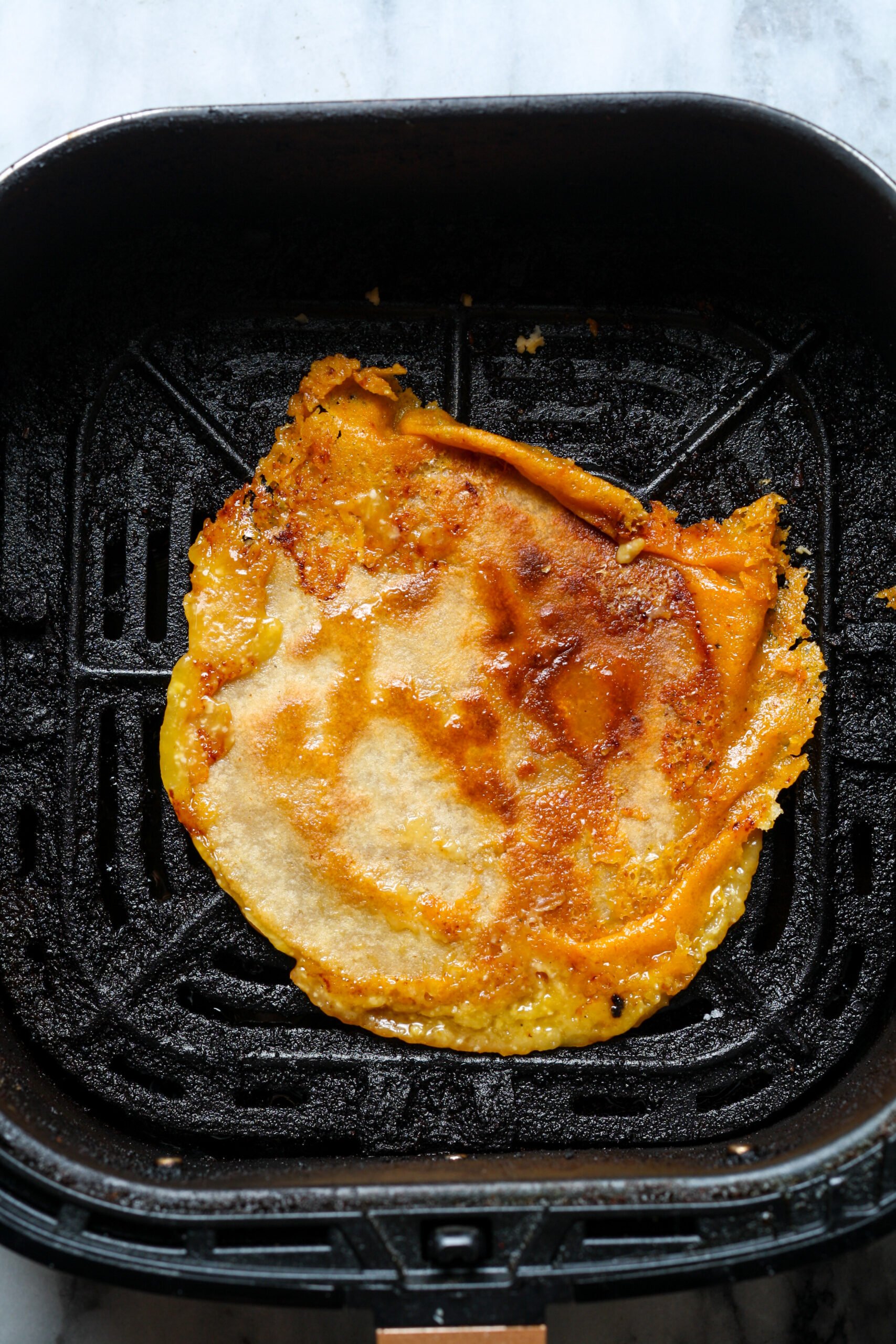
Market analysts predict that the next phase of this trend will be the integration of "smart" air fryers, which use internal sensors to monitor the moisture and browning levels of the food, automatically adjusting the temperature and timing to prevent burning. This would effectively remove the margin for human error that currently exists in the preparation of recipes like the air fryer quesadilla.
Impact on Domestic Meal Planning
For households, the implications of this, and similar air fryer recipes, are significant in terms of time management. The average prep-to-plate time for an air fryer quesadilla is under 10 minutes. When compared to the 30-to-45-minute window required for traditional, oven-baked, or complex stove-top meals, the efficiency gain is nearly 70%.
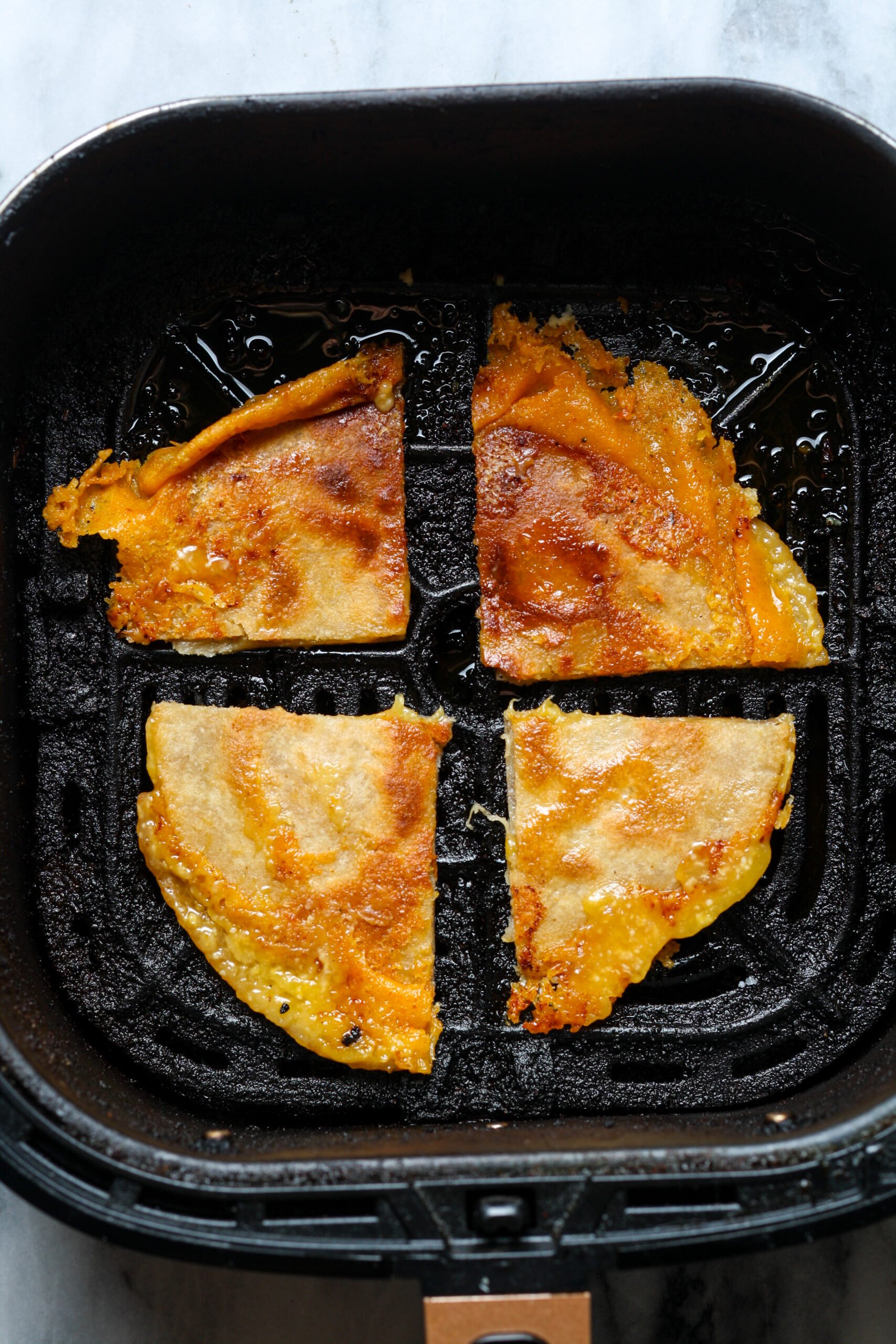
This efficiency is playing a role in the changing landscape of weeknight dinners. As work-life balance remains a primary concern for modern families, the ability to produce a meal that satisfies both the need for speed and the desire for "comfort food" has cemented the air fryer’s place in the modern kitchen. Furthermore, the adaptability of the dish—allowing for the incorporation of leftover proteins like rotisserie chicken or roasted vegetables—aligns with current global efforts to reduce domestic food waste.
Conclusion
The air fryer quesadilla is more than a simple snack; it is a case study in how technological innovation can refine traditional cooking methods to meet the needs of a modern, fast-paced society. By balancing the physics of heat circulation with the culinary demand for texture and flavor, home cooks have successfully elevated a basic staple into an efficient, reliable, and healthier meal option. As air fryer technology continues to evolve, it is highly probable that the techniques used to prepare this simple dish will become the foundation for a new generation of home-cooked, "fast-casual" meals.