Navigating Intimacy and Emotional Well-being During GLP-1 Therapy for Diabetes Management

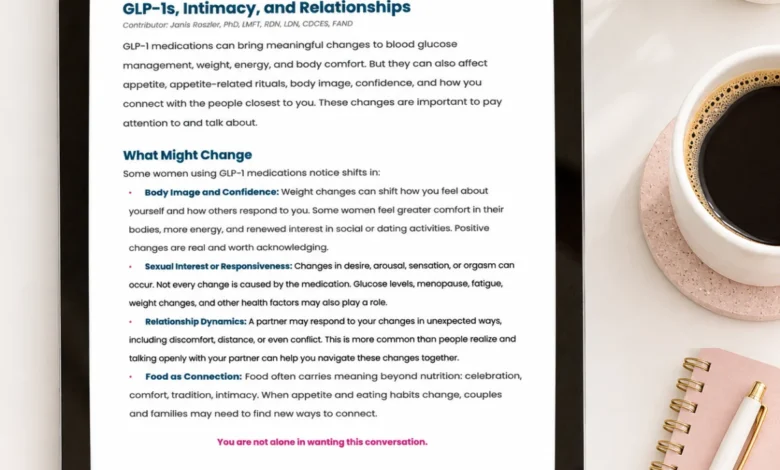
The rise of Glucagon-Like Peptide-1 (GLP-1) receptor agonists, such as semaglutide and tirzepatide, has fundamentally altered the landscape of diabetes care and weight management. While clinical trials and real-world data have consistently demonstrated the efficacy of these medications in improving glycemic control and reducing major adverse cardiovascular events (MACE), the psychosocial implications of this pharmacological shift remain an emerging field of study. For women living with diabetes, the introduction of these therapies often triggers a cascade of physiological and behavioral changes that extend well beyond blood glucose monitoring. Recognizing this, healthcare experts like Janis Roszler, PhD, LMFT, RDN, LDN, CDCES, FAND, have launched initiatives aimed at addressing the often-overlooked intersections of GLP-1 therapy, body image, and interpersonal intimacy.
The Evolution of GLP-1 Therapy: A Historical Context
The history of GLP-1 receptor agonists began in the early 2000s, with the FDA approval of exenatide in 2005. Initially designed as a breakthrough for Type 2 diabetes management, these injectable medications mimicked the incretin hormones produced in the gut, which stimulate insulin secretion and suppress glucagon. Over the past two decades, the class has evolved significantly. The introduction of long-acting formulations like liraglutide, and later the potent weekly injectables semaglutide and tirzepatide, transitioned these drugs from secondary treatments to primary tools for comprehensive metabolic health.
By 2023, the surge in popularity of these medications—driven by their significant weight-loss secondary effects—led to a global discourse on their broader impact. However, while endocrinologists and cardiologists focused on A1c reduction and weight loss percentages, mental health professionals and sex therapists began to observe a different set of challenges among their patients. The rapid physiological changes associated with GLP-1s often occur faster than the emotional adjustment period, creating a unique psychological profile that requires nuanced navigation.
The Psychosocial Nexus of Weight and Diabetes
For many women with diabetes, the relationship between body image and chronic illness is fraught with historical challenges. Diabetes management often requires a meticulous, sometimes obsessive, focus on food intake, caloric density, and physical activity. When GLP-1 medications are introduced, they often induce a profound "quieting" of food noise—the constant mental preoccupation with hunger and cravings.
While this effect is clinically beneficial for metabolic health, it can be disorienting. Women who have spent years navigating dietary restrictions may find their relationship with food fundamentally altered, leading to a period of identity renegotiation. Furthermore, as physical appearance changes due to weight loss, the psychological adjustment can be complex. Research suggests that rapid weight loss does not always equate to immediate improvements in self-esteem; instead, it can sometimes exacerbate feelings of body dysmorphia or trigger anxiety regarding the maintenance of these new physical realities.
The Impact on Sexual Health and Intimacy
Intimacy is frequently cited as a casualty of chronic health conditions. For women with diabetes, the risk of sexual dysfunction—including decreased libido, vaginal dryness, and nerve-related issues—is statistically higher than in the general population. As patients begin GLP-1 therapy, they often report a paradoxical mix of experiences. On one hand, the improvement in physical energy and mobility can enhance sexual desire. On the other, the sudden shift in body composition and the psychological impact of appetite suppression can create barriers to intimacy.
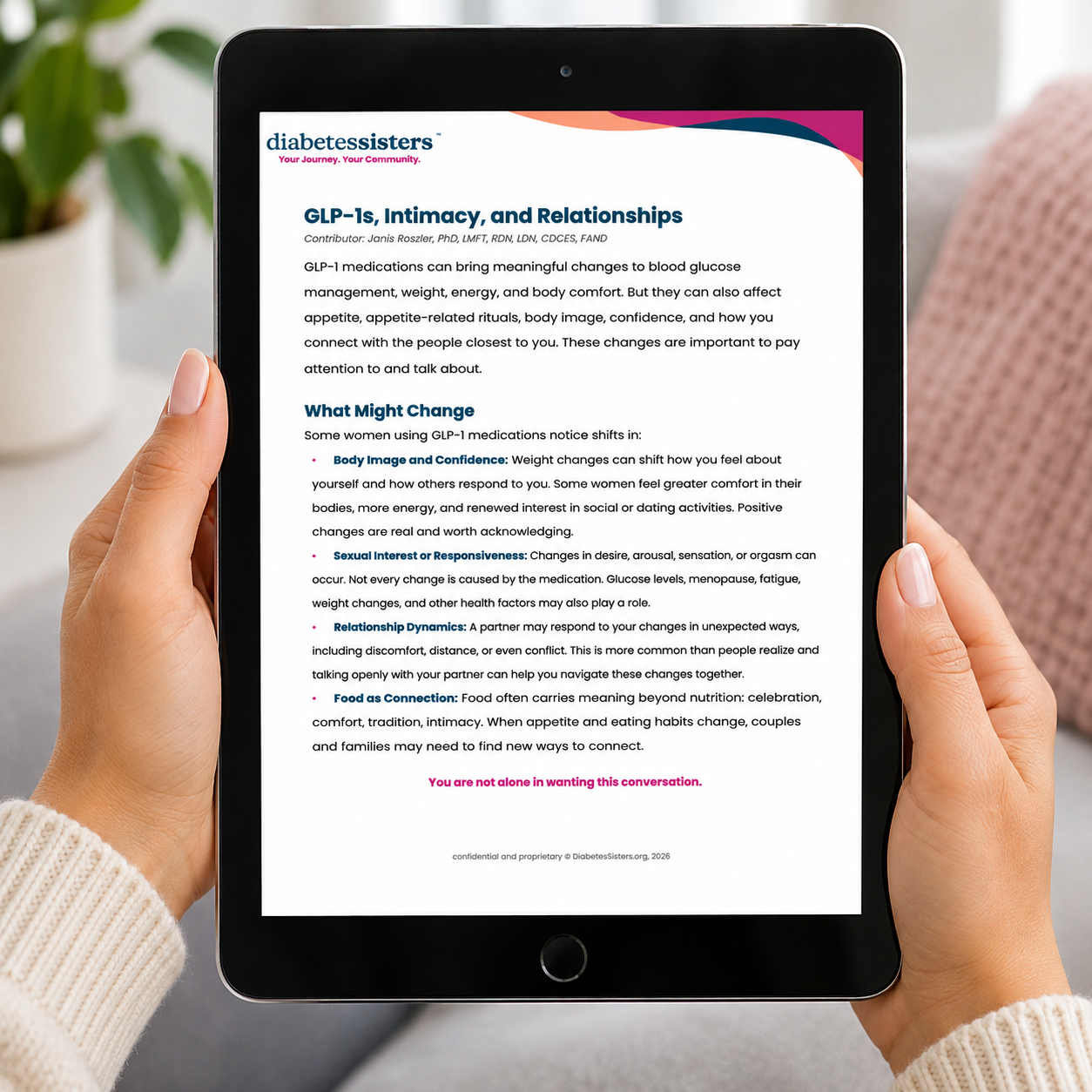
Communication becomes the primary tool for navigating these shifts. Dr. Janis Roszler’s recent work emphasizes that the transition into a new body while managing a chronic condition requires a transparent dialogue with partners. Without such communication, partners may misinterpret changes in appetite, mood, or sexual desire as a reflection of the relationship rather than a side effect of a complex medical treatment.
Data and Clinical Observations
Current data underscores the necessity of a holistic approach to diabetes care. According to the American Diabetes Association (ADA) Standards of Care, psychosocial support should be integrated into the routine care of all individuals with diabetes. Despite this, surveys indicate that fewer than 40% of patients report discussing sexual health or body image concerns with their primary endocrinologists.
Clinical observations from experts in the field suggest three primary areas of impact:
- The "Food Noise" Shift: As GLP-1s reduce the psychological burden of hunger, patients often lose a primary coping mechanism for stress, necessitating the development of new emotional regulation strategies.
- Confidence Fluctuations: Rapid changes in body mass index (BMI) can lead to a period of "adjustment lag," where the patient’s internal perception of their body does not match their external reality.
- Relational Dynamics: The change in appetite can impact social and romantic interactions, such as dining out or shared mealtimes, which are often central to couple-based intimacy.
Implications for Long-Term Wellness
The implications of these findings suggest that the medical community must adopt a more multidisciplinary approach. A patient’s GLP-1 regimen should not be evaluated solely by laboratory markers such as fasting plasma glucose or weight charts. Rather, clinicians are increasingly encouraged to adopt the "Whole Person" model, which includes screenings for emotional well-being and sexual health.
The initiative led by Dr. Roszler highlights that resources, such as educational handouts and guided conversation starters, are vital. These tools provide a framework for patients to initiate uncomfortable but necessary conversations. By bridging the gap between clinical endocrinology and mental health, patients can better manage the transition, ensuring that their health journey improves their quality of life in the broadest sense.
Expert Guidance and Strategic Communication
The core of successful adaptation lies in proactive communication. Dr. Roszler’s resources are designed to help women articulate their experiences to their partners. Key strategies include:
- Defining the New Normal: Acknowledging that the "old" ways of interacting with food and body image are changing and allowing space for mourning those habits while embracing new ones.
- Active Listening: Encouraging partners to share their observations and concerns without judgment, fostering a supportive environment rather than one of scrutiny.
- Prioritizing Non-Physical Intimacy: Reminding couples that intimacy encompasses emotional support, shared experiences, and intellectual connection, which can be strengthened during periods of physical transition.
The Path Forward: Integration of Care
As GLP-1 medications become a permanent fixture in the treatment of diabetes and obesity, the medical establishment must ensure that the "patient experience" is prioritized. The goal is not just the mitigation of hyperglycemia, but the enhancement of the patient’s holistic life.
Future clinical guidelines may likely incorporate formal psychosocial assessments for patients on GLP-1 therapy. This would ensure that the psychological, sexual, and relational side effects are managed with the same scientific rigor as the pharmacological effects. As stakeholders continue to advocate for comprehensive diabetes care, resources that empower women to take control of their emotional and physical narratives will remain essential.
The integration of mental health support, nutritional counseling, and sexual health resources is not merely an "add-on" to medical treatment; it is a fundamental requirement for success. By utilizing the educational tools currently available, women living with diabetes can better navigate the complexities of GLP-1 therapy, ensuring that their journey toward metabolic health also serves as a pathway toward improved personal and relational well-being. The conversation surrounding these medications is evolving, and for many, the next chapter of that conversation is about reclaiming confidence, intimacy, and a balanced sense of self.