Nourishing the Fourth Trimester: The Cultural Significance and Traditional Preparation of Postpartum Herbal Tea

The tradition of postpartum care in Chinese and various Southeast Asian Chinese communities has long centered on the concept of maternal replenishment during the critical first month following childbirth. Known culturally as zuo yuezi, or the "golden month," this traditional confinement period places immense emphasis on restoring the mother’s physical constitution through specialized nutrition, warmth, and rest. Among the most enduring culinary and wellness practices of this period is the preparation of warming botanical infusions, commonly referred to simply as postpartum tea. Shared across generations and adapted by families to suit local palates and specific bodily needs, these brews traditionally feature a pharmacopeia of dried fruits, roots, and berries designed to promote circulation, replenish qi, and foster overall recovery.
A classic recipe, recently highlighted by wellness advocates and doula care specialists such as Evelyn West in collaboration with Cooings Doula Care, brings together a deliberate blend of dried longan, Chinese red dates, goji berries, and fresh ginger. Unlike conventional infusions derived from the Camellia sinensis plant, this herbal decoction is entirely caffeine-free, making it an accessible and comforting beverage for new parents navigating the physical demands of early infancy. As contemporary family structures evolve and more parents seek out integrative approaches to postpartum wellness, traditional recipes like this one are experiencing a resurgence, bridging ancient wisdom with modern parental support systems.
Main Facts and Botanical Composition
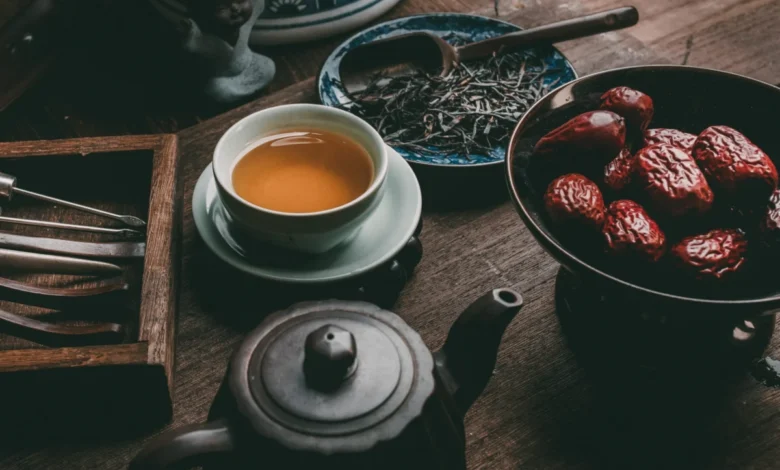
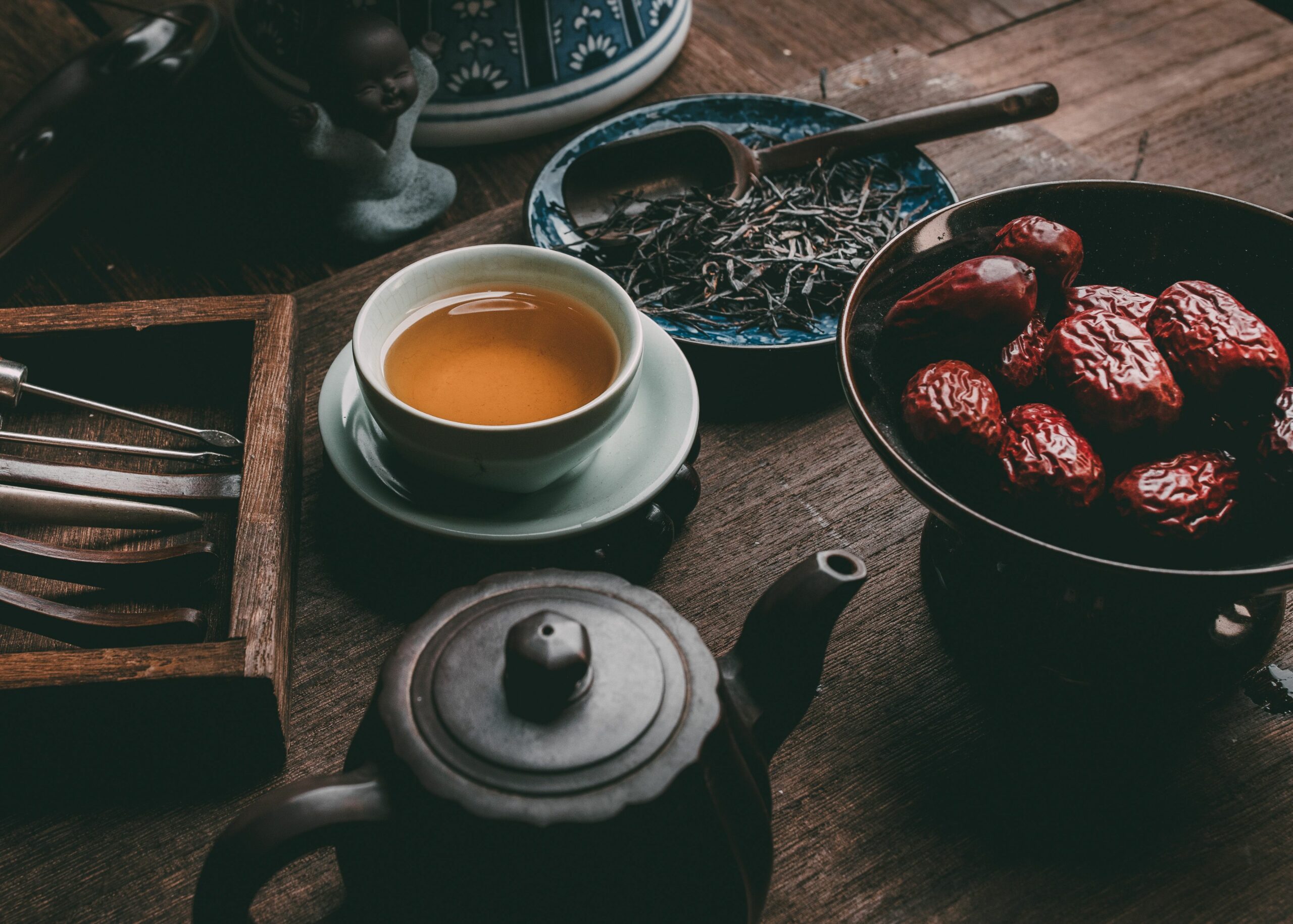
The traditional postpartum herbal tea outlined by West is defined by its specific, time-tested ingredients, each chosen for its traditional association with vitality and recovery. The primary components include dried Chinese red dates (scientifically known as Ziziphus jujuba and distinct from Western date-palm varieties like Medjool), dried longan fruit, goji berries, and fresh ginger root.
According to traditional dietary frameworks, Chinese red dates are utilized to nourish the blood and calm the spirit, an attribute particularly valued during a period marked by hormonal shifts and sleep deprivation. Dried longan adds a deep, fruity sweetness while traditionally being credited with supporting heart health and soothing the nervous system. Goji berries, rich in antioxidants and micronutrients, contribute a tart balance and are historically viewed as a tonic for liver and kidney function. Finally, fresh ginger introduces a warming element designed to dispel internal cold, stimulate digestion, and enhance peripheral circulation—a vital consideration for postpartum bodies recovering from the immense physical exertion of labor.
The preparation method is intentionally straightforward yet requires patience. Typically, the ingredients are combined with water and allowed to simmer gently for approximately 30 minutes, allowing the soluble compounds and natural sugars of the dried fruits to infuse the liquid thoroughly. While exact proportions vary widely from household to household—reflecting a culture of intuitive cooking rather than rigid standardization—the resulting beverage yields a lightly sweet, deeply aromatic, and warming decoction that can be consumed throughout the day.
Chronology and Historical Context of Zuo Yuezi
The practice of zuo yuezi dates back over two millennia in Chinese history, with written records of specialized postpartum dietary regimens appearing as early as the Han dynasty. Historically, the month following childbirth was viewed as a profoundly vulnerable window during which a woman’s body underwent a major energetic transition. Traditional medical theory posited that childbirth left the postpartum body in an open, cold state, necessitating a month-long period of intensive seclusion, dietary therapy, and physical protection from drafts and cold water.
Over centuries, these practices were codified within familial traditions and passed down orally from mothers and grandmothers to new parents. The inclusion of herbal drinks made from readily preserved items like dried fruits and root spices was a practical adaptation, ensuring that nutrient-dense, shelf-stable ingredients were always on hand during a time when grocery shopping was limited. As Chinese diasporas spread across Southeast Asia and eventually to Western nations, these culinary traditions adapted to local climates and ingredient availability. Today, while the strict confinement aspects of zuo yuezi have been modernized or selectively adopted by contemporary parents, the emphasis on warming, nutrient-dense broths and teas remains a cornerstone of postpartum cultural identity.
Supporting Data and Nutritional Implications
While traditional practices are primarily rooted in empirical observations passed down through centuries, modern nutritional science increasingly validates the rationale behind many components of postpartum dietary therapies. The physiological demands of lactation and tissue repair require an elevated intake of specific vitamins, minerals, and fluids.
Dried jujubes and goji berries are recognized in contemporary nutritional databases as significant sources of dietary fiber, vitamin C, iron, and various polyphenolic antioxidants. Iron deficiency anemia is a common concern following childbirth due to blood loss during delivery; while plant-based iron sources require vitamin C for optimal absorption—a requirement naturally met by the combination of jujubes and goji berries in the tea—such beverages serve as supportive complements to a comprehensive postpartum diet. Furthermore, maintaining adequate hydration is critical for nursing parents, and flavorful, comforting infusions often encourage higher fluid intake compared to plain water alone.
Ginger, the final key component of the infusion, has been extensively studied in modern pharmacological research for its anti-nausea, anti-inflammatory, and gastrointestinal-stimulating properties. For new parents experiencing sluggish digestion or postpartum discomfort, ginger provides a natural, gentle remedy without the side effects associated with pharmaceutical interventions.
Official Responses and Professional Perspectives
In recent years, maternal health professionals, doulas, and postpartum care specialists have increasingly emphasized the importance of community support and nutritional nourishment during the fourth trimester—the critical first twelve weeks following birth.
Advocates of holistic postpartum care argue that modern medical systems frequently prioritize the health of the newborn while inadvertently neglecting the recovery of the parent. By reintroducing time-tested culinary traditions such as the preparation of warming herbal teas, caregivers aim to fill this gap. Preparing a pot of tea for a new parent is frequently cited by doulas not merely as a culinary act, but as a symbolic gesture of communal holding and care. It signals to the parent that their well-being matters and that they are supported by a network of helpers during a notoriously isolating transition.
Medical professionals generally support the consumption of such herbal infusions, provided they are made from food-grade ingredients and consumed as part of a balanced diet. However, practitioners advise that individuals with specific chronic health conditions, gestational diabetes, or those taking blood-thinning medications consult with their healthcare providers before incorporating large quantities of concentrated herbal roots or potent spices like ginger into their daily routines.
Broader Impact and Implications for Modern Parenting
The growing mainstream interest in traditional postpartum practices reflects a broader cultural shift toward integrative and ancestral wellness models. As new parents search for ways to counter the atomization of modern nuclear families, turning to time-honored rituals has become a powerful mechanism for reclaiming community support.
The sharing of recipes like the red date and longan postpartum tea highlights the intersection of cultural heritage and modern wellness culture. Culinary traditions that were once confined to specific ethnic enclaves are now being shared globally through podcasts, digital recipe collections, and multicultural community networks. This cross-cultural exchange not only preserves ancestral knowledge but also provides modern parents with diverse, comforting tools to navigate the profound emotional and physical recalibration of early parenthood.
Ultimately, whether viewed through the lens of traditional Chinese medicine, nutritional support, or simply as an act of profound hospitality, the preparation of postpartum tea encapsulates the essence of fourth-trimester care. By investing time into simmering a pot of dried fruits and ginger, caregivers offer more than just a beverage; they offer warmth, history, and a tangible expression of love designed to help a new parent thrive.