The Ultimate Guide to Creamy Chicken and Cashew Curry: A One-Pan Family Dinner Revolution

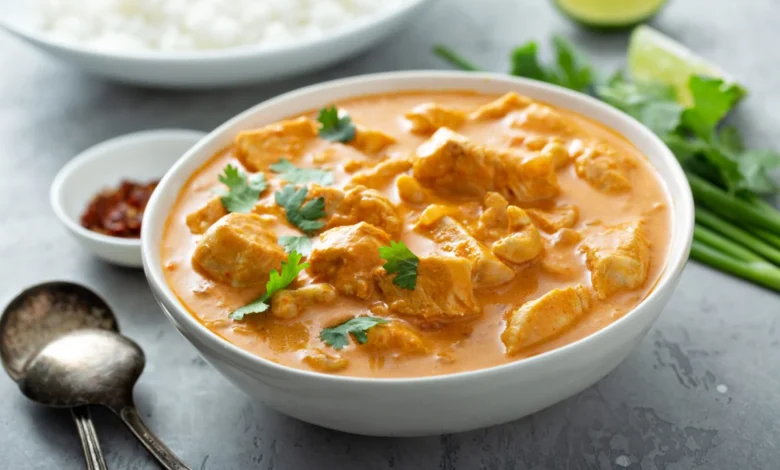
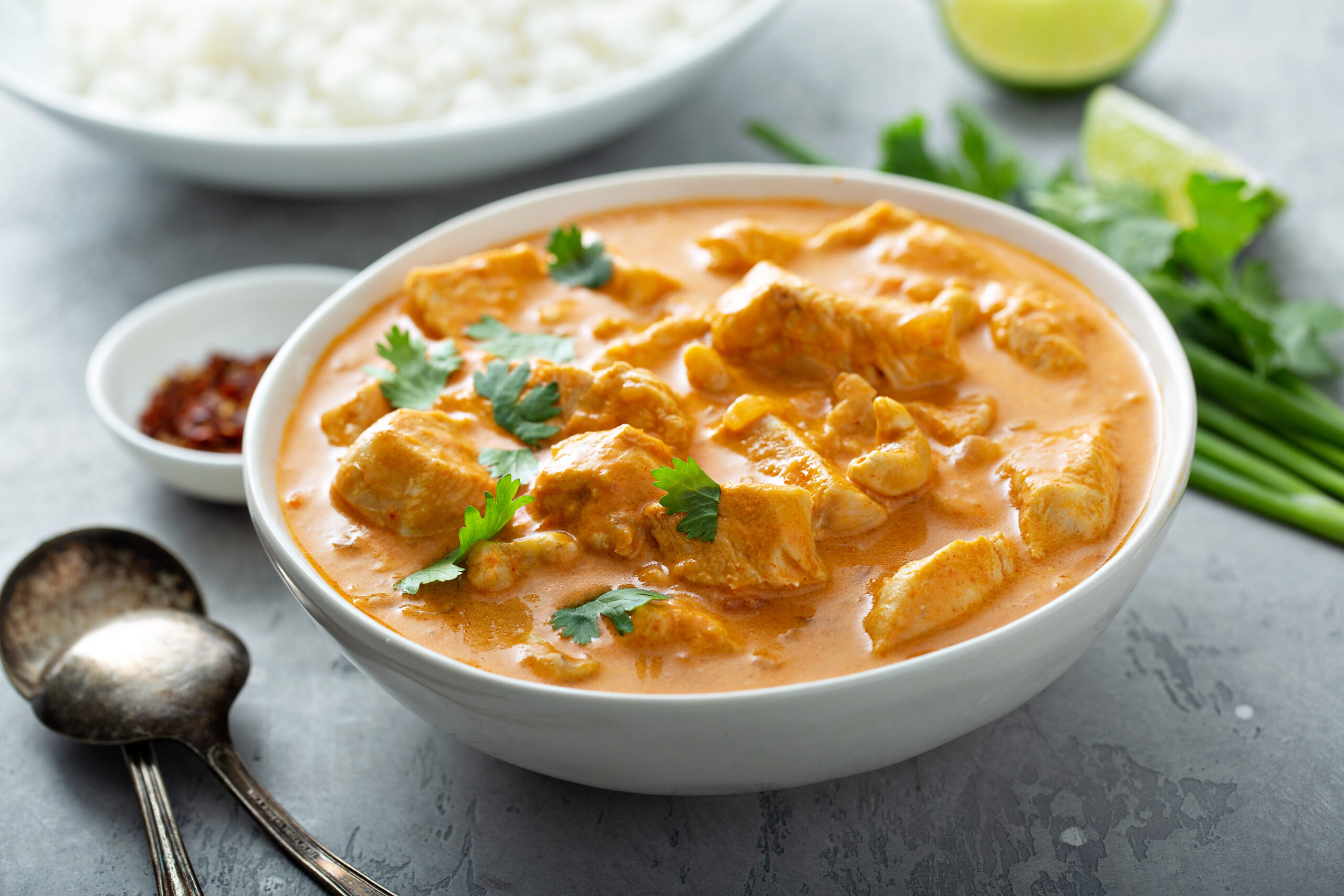
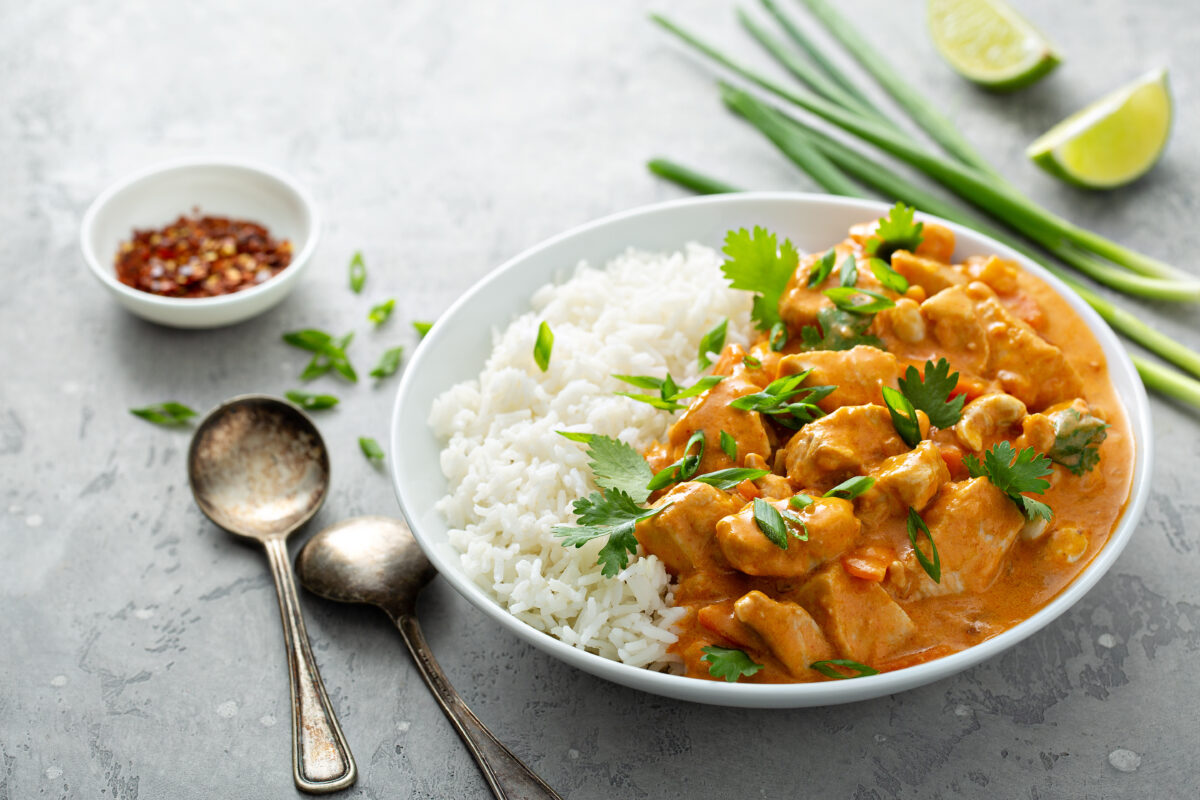
The culinary landscape of weeknight family dinners has undergone a notable shift toward meals that balance adventurous global flavor profiles with the practical demands of modern households. Among the most recent culinary developments gaining traction in domestic kitchens is the one-pan Chicken and Cashew Curry, a dish designed to bridge the gap between sophisticated dining and child-friendly palate accessibility. Combining tender cuts of poultry, nutrient-dense cashews, and a velvety coconut milk reduction, this recipe has emerged as a premier solution for time-pressed home cooks seeking nutritional value without sacrificing taste.
Main Facts and Nutritional Profile
The popularity of coconut-based curries stems from a combination of convenience and nutritional advantages. Unlike traditional heavy cream sauces, standard coconut milk introduces medium-chain triglycerides (MCTs), which nutritional scientists note are metabolized differently than long-chain fatty acids, providing a rapid source of energy. Furthermore, the incorporation of poultry supplies lean protein, essential for tissue repair and growth in developing children, while cashews contribute significant amounts of magnesium, zinc, and healthy monounsaturated fats.
Dietary flexibility remains a cornerstone of the dish’s appeal. Culinary data indicates that modern home cooks increasingly prioritize one-pan recipes to minimize cleanup time and streamline meal preparation. By integrating aromatic spices such as turmeric and cumin—known for their anti-inflammatory properties—the curry achieves a complex flavor profile without the necessity of extensive ingredient lists or specialty culinary training.
Chronology and Preparation Evolution
The evolution of simplified curry dishes for Western households can be traced over the past two decades, moving from complex, multi-stage traditional cooking methods to accessible, streamlined weeknight adaptations. The introduction of standardized canned coconut milk and accessible curry powders in mainstream supermarkets catalyzed this transition.
Preparation of the modern Chicken and Cashew Curry typically follows a strict chronological sequence designed to optimize texture and flavor integration:
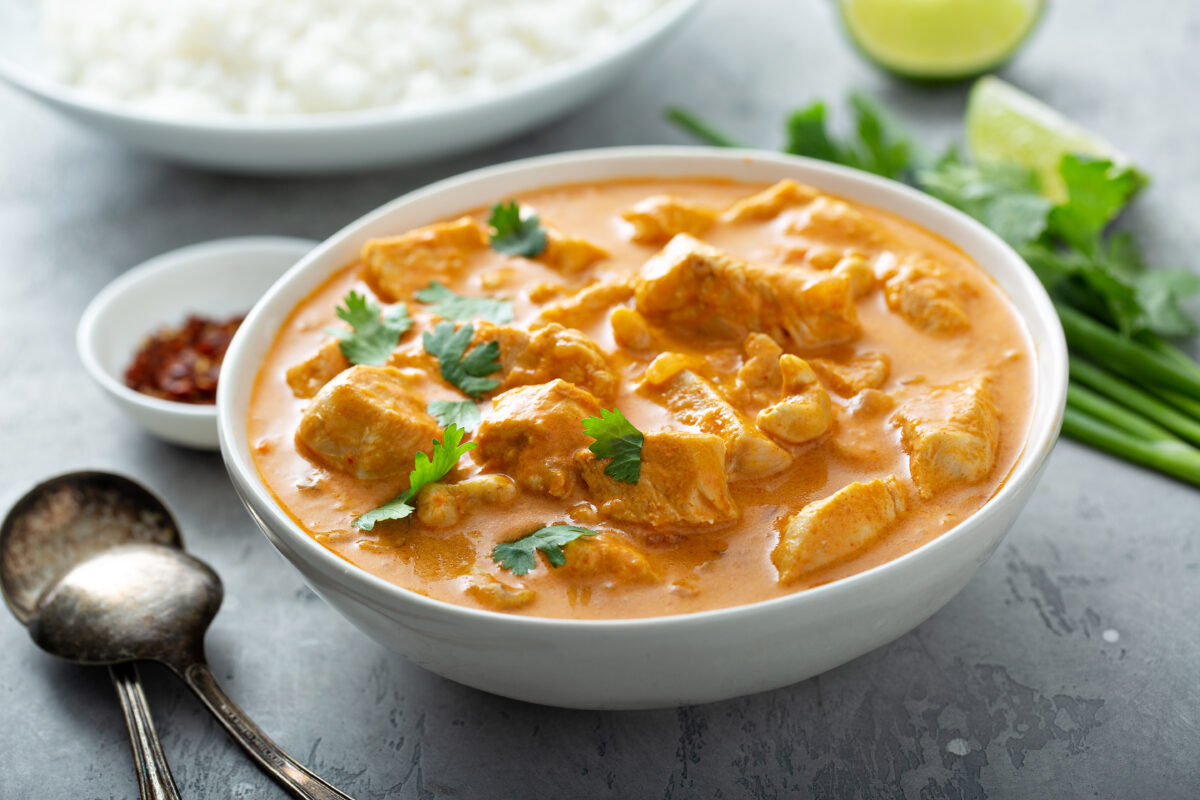
- Spice Blooming: Spices such as curry powder, cumin, and turmeric are briefly sautéed in the initial phase of cooking to release fat-soluble flavor compounds.
- Protein Searing: Chicken pieces are introduced, lightly browned to lock in moisture, and subsequently removed to prevent overcooking.
- Sauce Reduction: Aromatics, broths, and full-fat coconut milk are combined and simmered to achieve a smooth, emulsified consistency.
- Final Assembly: The chicken is returned to the pan to finish cooking gently in the simmering sauce, followed by the strategic addition of cashews at the final stage to preserve their characteristic crunch.
Supporting Data and Culinary Analysis
Culinary analysts tracking domestic food trends point to a 35% increase in searches for mild, kid-friendly global recipes over the past three years. Families are actively seeking ways to introduce children to diverse cultural cuisines early in life. Mild curry dishes serve as an optimal entry point, utilizing sweetness from coconut milk and natural honey to temper the heat profile of traditional spices.
Nutritional assessments highlight the adaptability of the dish regarding micronutrient intake. Chefs and nutritionists frequently recommend incorporating seasonal vegetables—such as spinach, bell peppers, or sweet potatoes—to elevate the fiber and vitamin content of the meal. This modularity allows households to customize the base recipe according to dietary restrictions, including gluten-free and dairy-free requirements, as coconut milk is naturally lactose-free.
Expert Perspectives and Dietary Adjustments
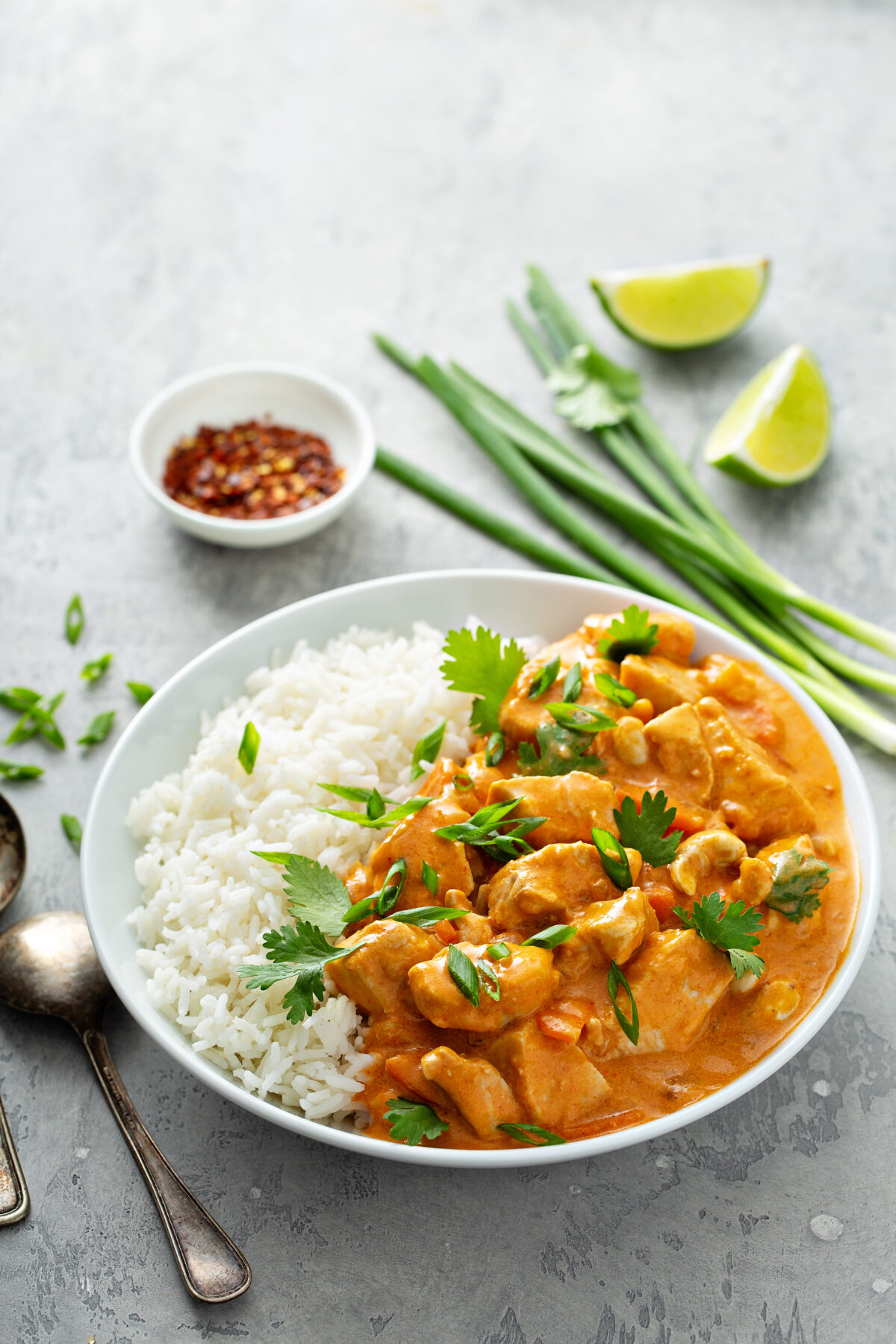
Food educators and culinary instructors emphasize that the success of introducing novel flavors to children relies heavily on presentation and texture contrast. The inclusion of roasted cashews provides a tactile element that engages younger eaters, while the smooth, creamy texture of the coconut reduction offers a familiar mouthfeel.
To accommodate varying degrees of spice tolerance, culinary professionals recommend the following adjustments:
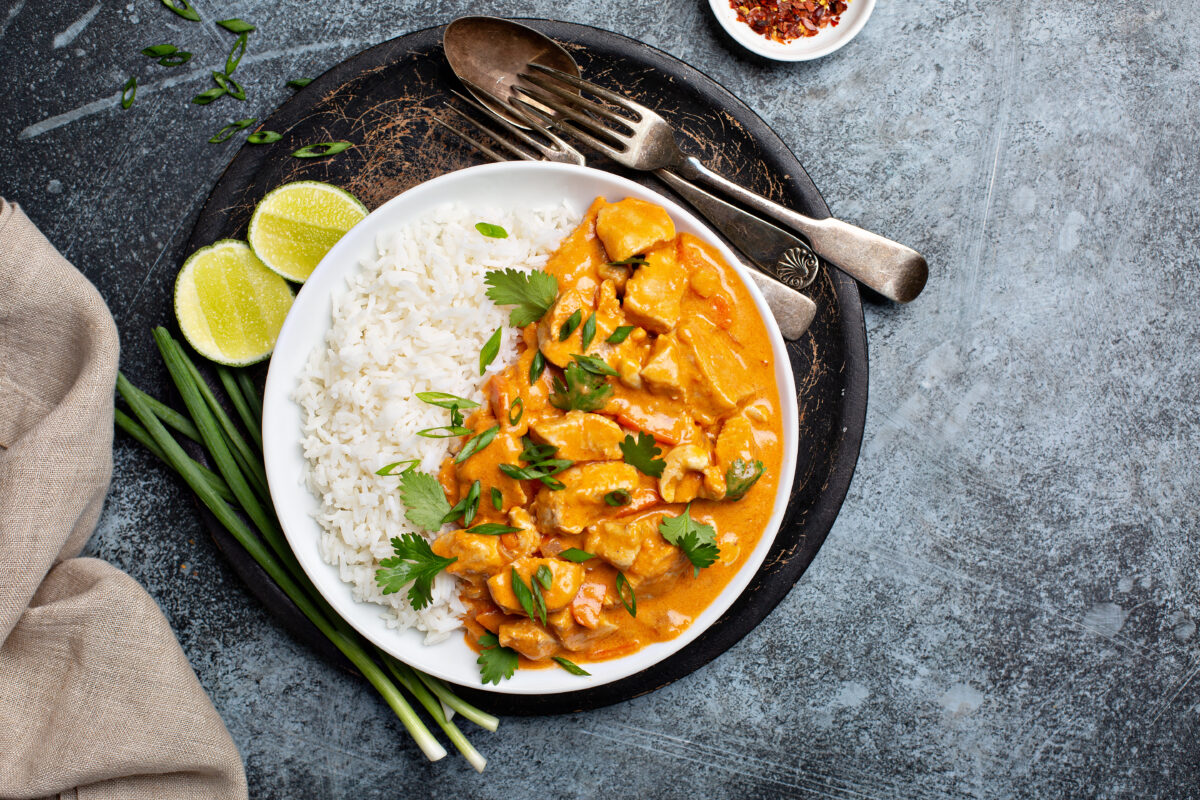
- Spice Modulation: Utilizing mild curry powders while omitting volatile agents such as cayenne pepper or chili flakes ensures a gentle flavor profile.
- Dairy Alternatives: While full-fat coconut milk is recommended for structural viscosity, light alternatives can be employed, though they result in a thinner sauce consistency.
- Thickening Techniques: If the reduction phase yields a sauce of insufficient viscosity, allowing it to simmer uncovered or incorporating a small quantity of nut butter can restore the desired texture without altering the core flavor profile.
Broader Impact and Industry Implications
The rise of accessible global comfort foods reflects broader shifts in consumer behavior, where convenience intersects with a growing desire for authentic culinary experiences at home. Food manufacturing and publishing sectors have responded by prioritizing recipes that require under forty minutes of total preparation and cooking time.
As households continue to navigate busy schedules, dishes like the Chicken and Cashew Curry demonstrate how traditional techniques can be adapted for contemporary efficiency. By prioritizing make-ahead viability, freezer-friendly storage capabilities, and scalable ingredient lists, this culinary trend highlights a permanent evolution in how families approach evening meal planning—proving that nutritional density and comforting flavors can coexist seamlessly in a single pan.
Related posts: