A mom wrote the first children’s book about PPD. Here’s what she wants you to know.

For generations, the narrative surrounding the arrival of a newborn has been dominated by imagery of serene, soft-focus tranquility—a sleeping infant and a mother who feels entirely transformed by the joy of her new role. This idealized portrayal, however, stands in stark contrast to the lived reality of hundreds of thousands of families annually. As rates of postpartum depression (PPD) continue to rise across the United States, a significant gap remains between clinical diagnosis and the cultural language available to families to discuss the condition. Now, journalist and author Pooja Makhijani is attempting to bridge that divide with the publication of "Together for Mama: A Story of Hope and Healing," the first traditionally published children’s picture book dedicated to explaining postpartum depression to young children.

The Growing Crisis of Postpartum Depression
The prevalence of postpartum depression in the United States has reached a critical threshold. According to data from the Centers for Disease Control and Prevention (CDC), rates of PPD have nearly doubled over the past decade. It is estimated that approximately one in eight women in the United States experiences symptoms of PPD, amounting to more than 460,000 mothers each year.

Despite these figures, medical professionals often note that the conversation regarding maternal mental health frequently ends at the point of initial screening. While OB-GYNs and pediatricians increasingly provide pamphlets or clinical referrals, there is a persistent lack of accessible, age-appropriate resources that help family members—particularly children—understand why a mother might be struggling, withdrawing, or requiring professional support. The silence surrounding the topic often exacerbates the isolation felt by the affected parent, as the cultural pressure to maintain the image of the "perfect mother" prevents many from seeking timely intervention.

A Personal Catalyst for Change
For author Pooja Makhijani, the inspiration for this project was born from her own experience as a new mother more than a decade ago. Despite having access to medical literature and checklists, she found herself unprepared for the sudden onset of depression.

"It hits you like a truck," Makhijani described in a recent interview. "And then it lingers, and it just makes everything feel like everything has lost its color. Like a shroud had settled over everything."

Makhijani’s personal recovery was not solely the result of medical intervention, but rather the result of a community—specifically, her mother-in-law—intervening after she finally admitted, "I can’t do this." This experience highlighted for her that the most effective remedy for the isolation of PPD is often the presence of a supportive village. By dedicating "Together for Mama" to the relative who showed up for her during her darkest period, Makhijani seeks to normalize the necessity of community support for new parents.

Shifting the Perspective: The Role of the Sibling
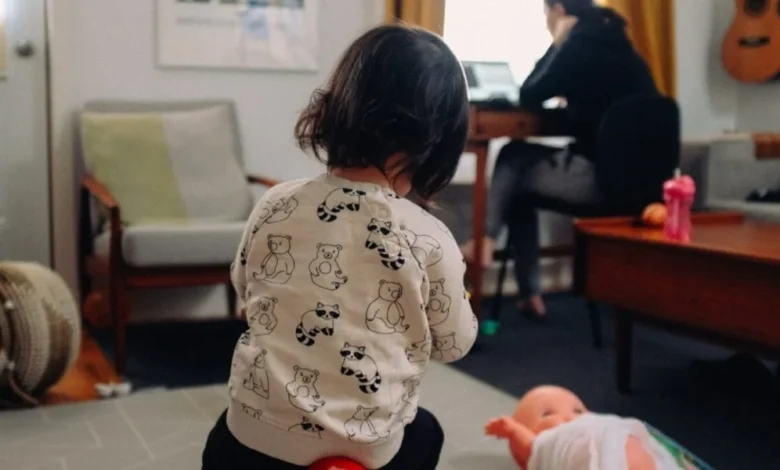
One of the most notable aspects of the book is its narrative choice: the story is told entirely through the eyes of an older sibling. This perspective shift is deliberate and clinically significant. In families where a parent is suffering from postpartum depression, children are not merely passive observers; they are active participants in the household’s emotional environment. They often observe shifts in their mother’s demeanor, the presence of new caregivers, or the general tension in the home, yet they are rarely provided with a framework to understand these changes.

By centering the narrative on the child, the book provides a tool for parents to initiate difficult conversations. It allows children to process their own feelings of confusion or abandonment in a safe, third-party context. This is particularly relevant given research suggesting that women who have experienced PPD once have a statistically higher risk of recurrence with subsequent pregnancies. Consequently, many children grow up with a parent who may navigate multiple episodes of depression, making the need for clear, reassuring language an ongoing necessity for the entire family unit.

Addressing Cultural Disparities in Mental Health
Makhijani’s work also brings to the forefront the issue of cultural stigma in mental health. Data from the American Journal of Obstetrics and Gynecology indicates that approximately 14% of Asian and Pacific Islander women report experiencing PPD. However, experts widely acknowledge this figure likely represents a significant undercount.

In many Asian American communities, mental health struggles are often obscured by cultural stigmas, leading to lower rates of seeking professional care. Makhijani, as an Asian American author, purposefully included cultural specificity in the book to present a non-judgmental, loving portrait of a family navigating mental health challenges. Her goal is to ensure that families from diverse backgrounds see themselves reflected in the literature of support, thereby lowering the barrier to seeking help.

The Broader Impact on Maternal Wellness
The publication of this book serves as a timely reminder that postpartum health is a public health imperative. When a mother is untreated, the ripple effects touch the development of the child, the stability of the partner relationship, and the long-term health of the entire family.

Medical experts have long argued that the fourth trimester—the three months following birth—requires as much attention as the pregnancy itself. Yet, societal expectations often prioritize the health of the infant while neglecting the mother’s psychological well-being. The lack of a robust "village" structure in modern American life has left many mothers feeling that they must raise children in total isolation.

Makhijani’s message to those currently in the midst of a struggle is clear: the American mentality of independent, "do-it-all" parenting is fundamentally flawed. She emphasizes the importance of identifying one’s support network early and allowing that community to participate in the caregiving process. "Children were never meant to be raised that way," she notes, advocating for a move toward communal support models that have existed for centuries in other cultures.

Future Implications for Pediatric and OB Care
The emergence of "Together for Mama" may signal a shift in how medical providers and literacy advocates approach maternal mental health. By providing a tangible, literary resource, the book could become a standard recommendation in clinical settings alongside traditional pamphlets. The ability to hand a book to a parent who is struggling, or for a child to read about a character experiencing similar family dynamics, provides a bridge between medical advice and daily life.

As society continues to grapple with the rising rates of PPD, the importance of "naming" the experience cannot be overstated. When we hide the realities of postpartum depression behind a veil of "joyful motherhood," we inadvertently reinforce the shame that prevents women from speaking up. By normalizing the conversation in the form of a children’s picture book, the subject is demystified. It provides a pathway for families to acknowledge that sometimes, mothers do get sick, and that with the help of a supportive community, they can get better.

The release of this book on June 23 represents more than a commercial milestone; it is a cultural intervention. For children, it provides language for their observations; for the mother, it provides a mirror that reflects the possibility of healing; and for the broader society, it serves as a call to action to rebuild the village that every parent needs. In the words of the author, the goal is simple: to ensure that no mother feels she must survive the darkest periods of early parenthood in silence.