The Evolution of the Meal Kit Industry
The meal kit industry, which experienced a massive surge during the COVID-19 pandemic, has reached a level of maturity where providers are increasingly focusing on niche demographics. Initially, companies like Blue Apron, HelloFresh, and Home Chef competed on variety, convenience, and culinary sophistication. However, market research indicates that a substantial segment of the user base—busy parents—found existing kits ill-equipped for household needs. Common complaints centered on excessive sodium, small portion sizes for growing children, and a lack of vegetable variety that necessitates supplemental grocery runs.
Jennifer Anderson, through her platform Kids Eat in Color, identified a gap in this market. The collaboration with Home Chef was developed over several months of testing and refinement, aiming to create a product that satisfies both adult culinary expectations and pediatric nutritional standards.
Chronology of the Partnership
The development phase of this partnership was characterized by a rigorous iterative process. According to representatives involved in the project, the planning began in early 2024. The objective was not merely to rebrand existing recipes but to architect a new menu line that prioritized high-quality, kid-friendly vegetables and simplified preparation techniques.
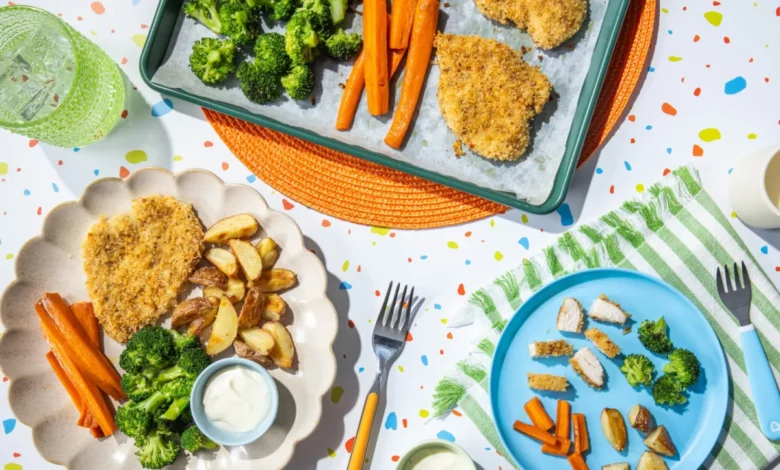
During the summer of 2024, the menu underwent extensive testing, including blind taste tests with neighborhood families. This phase was critical for evaluating the appeal of specific flavor profiles—such as herbed garlic butter and parmesan-crusted proteins—and the effectiveness of the inclusion of more challenging ingredients, like purple cabbage. Following the successful trials, the rollout was finalized in September 2024, marking the official launch of the Kids Eat in Color + Home Chef Family Menu.
Nutrition and Methodology
The primary nutritional focus of these kits is the "rainbow" concept, a widely recognized strategy in pediatric nutrition designed to encourage the consumption of diverse phytonutrients. By diversifying the colors on the plate, parents can naturally introduce a broader spectrum of vitamins and minerals.
Data from the Centers for Disease Control and Prevention (CDC) consistently highlights that the vast majority of children in the United States do not meet the recommended daily intake of fruits and vegetables. By pre-portioning these items and providing them in a way that is palatable to children, the Home Chef partnership acts as a practical intervention. The inclusion of specific "kid-feeding tips" on recipe cards serves an educational function, helping parents navigate the common developmental hurdles associated with childhood picky eating, such as repeated exposure and texture desensitization.
Supporting Data and Consumer Trends
The "mental load" of parenting—the invisible work of managing household logistics, meal planning, and nutrition—has become a focal point of recent socio-economic research. A study by the American Psychological Association suggests that the burden of this cognitive labor often falls disproportionately on primary caregivers, leading to increased burnout.
Meal kits have emerged as a tangible solution to this problem. By removing the necessity of grocery shopping, recipe searching, and meal portioning, these services provide a measurable reduction in daily decision-making. The Kids Eat in Color initiative specifically targets the "picky eater" demographic, which represents a significant portion of families. By utilizing evidence-based strategies like the "Build Your Own" model—where children are empowered to assemble their own meals—the kits utilize autonomy as a psychological tool to increase food acceptance.

Official Statements and Industry Reaction
While industry analysts often view brand partnerships as purely marketing-driven, this specific collaboration is being noted for its integration of subject-matter expertise. By partnering with a registered dietitian, Home Chef is effectively diversifying its credibility.
"The goal is to move beyond the transaction of selling a box of food," stated an industry spokesperson familiar with the partnership. "The collaboration aims to provide a support system for parents who are overwhelmed by the conflicting advice surrounding child nutrition."
Initial feedback from early adopters suggests that the inclusion of actionable, professional advice alongside the ingredients provides a unique value proposition. The kits are designed to be "parent-tested," ensuring that the preparation time remains within the window of a typical weeknight dinner, usually under 30 to 40 minutes.
Broader Impact and Implications
The long-term implications of this partnership could signal a new trend in the food subscription industry. If the Kids Eat in Color and Home Chef model succeeds in retention rates, other meal kit providers will likely follow suit by hiring specialized consultants to curate menus for specific life stages, such as pregnancy, post-partum recovery, or geriatric nutrition.
Furthermore, the emphasis on family-style dining—encouraging connection and shared experiences at the table—aligns with broader public health efforts to promote the "family meal." Research from the American Academy of Pediatrics has shown that regular family meals are associated with better nutritional health, improved academic performance, and stronger emotional well-being in children.
Terms and Accessibility
As part of the launch, the partnership has introduced a promotional structure to lower the barrier to entry. New customers are offered a discount program, with the $15 family meal deal (accessible via the code KEICFAM) providing a reduction in the total cost of the first four weeks of service. This tiered discount structure—46% off the first box, 45% off the second, and 30% off the subsequent two—is designed to allow families enough time to integrate the meal kits into their long-term routine.
However, potential users should be aware of the standard limitations associated with such promotional offers. The discount is exclusive to new customers and is subject to geographic availability and inventory constraints. The pricing model, which can result in costs as low as $3.77 per serving for bulk orders, requires a consistent commitment of 16 meals per week.
Conclusion
The collaboration between Kids Eat in Color and Home Chef represents a calculated effort to merge nutritional expertise with mass-market convenience. By focusing on the specific challenges of feeding children, the partnership addresses a genuine pain point for modern families. Whether this initiative will lead to a permanent shift in how households approach dinner remains to be seen, but the early focus on nutrient density and family connection provides a framework that differentiates it from standard meal delivery services. As the market continues to evolve, the success of such specialized offerings will likely hinge on their ability to maintain both nutritional integrity and culinary appeal for the diverse palates within a family unit.
Related posts: