Baby Refusing Solids A Pediatric Dietitian’s Guide to Stress-Free Mealtimes


The transition from a milk-exclusive diet to the introduction of solid foods is a significant developmental milestone in an infant’s first year. While major health organizations, including the World Health Organization and the American Academy of Pediatrics, recommend the introduction of complementary foods around the six-month mark, many parents encounter immediate resistance. This phenomenon, often characterized by head-turning, mouth-closing, or gagging, is frequently misinterpreted as a behavioral issue or a personal failure of the caregiver. However, pediatric nutritionists and developmental experts increasingly view food refusal as a complex, often normative, physiological and sensory learning process.

Understanding the Mechanics of Oral Motor Development
The refusal of solids is rarely a sudden act of defiance; rather, it is usually a symptom of a disconnect between the infant’s developmental capabilities and the demands of the mealtime environment. Before an infant can successfully transition to solids, they must master a complex sequence of oral motor skills. This includes the ability to hold an upright posture, coordinate tongue movements to manipulate food, and manage the rhythm of breathing while swallowing.
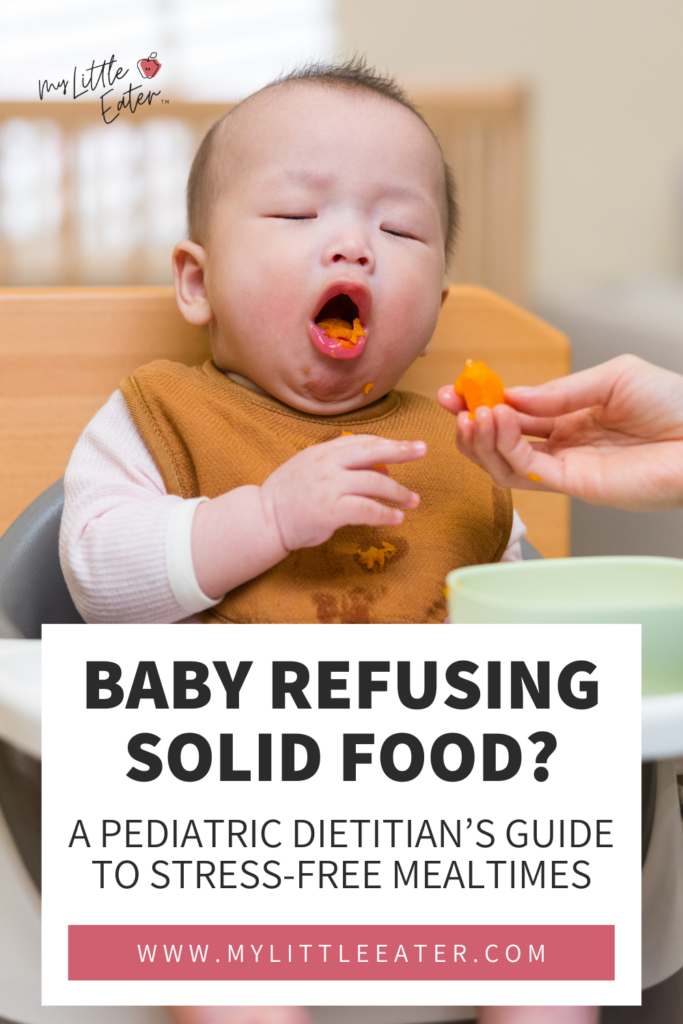
When these skills are still in the nascent stages, the introduction of solid textures can be overwhelming. Furthermore, physiological factors such as teething—which causes gum inflammation and pain—or common childhood illnesses like ear infections can make the act of swallowing inherently uncomfortable. In these instances, an infant’s refusal is a protective mechanism to avoid pain. Pediatric dietitians emphasize that when an infant turns away from a spoon, they are communicating a physical or sensory limitation rather than a preference for or against a specific flavor profile.
Developmental Readiness Versus Chronological Age

There is a frequent tension between the calendar and biological readiness. While six months is the standard clinical guideline for initiating solids, it serves as a recommendation rather than a biological deadline. Clinical observations indicate that infants who are forced to engage with solids before they exhibit the necessary physical stability—such as the ability to hold the head steady and sit with minimal support—are more likely to exhibit persistent refusal.
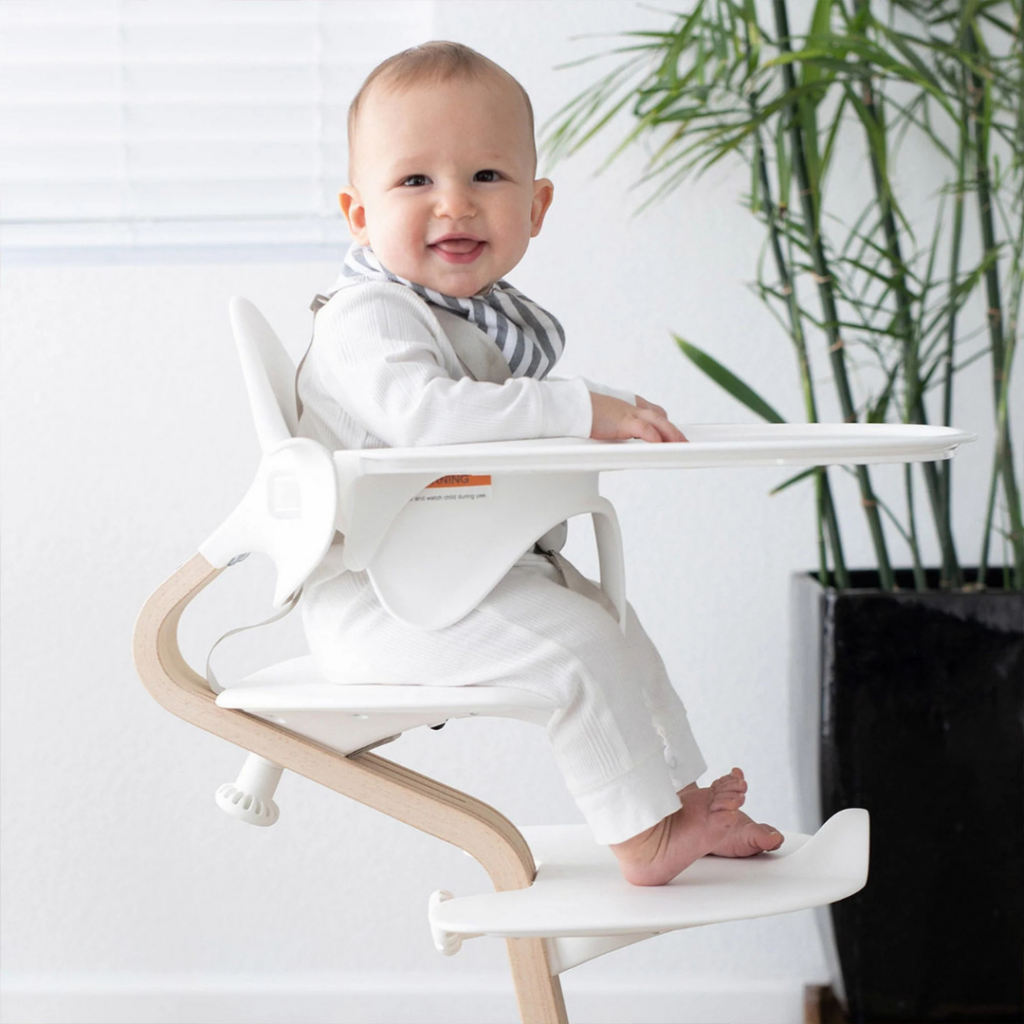
The criteria for developmental readiness are comprehensive. An infant should demonstrate the ability to maintain a sitting position, show a diminished tongue-thrust reflex, and display active interest in food, often marked by watching parents eat or attempting to reach for items. When these indicators are absent, the introduction of food can create a negative association with the high chair. Research suggests that waiting even one or two weeks to allow for further physical maturation can significantly decrease mealtime friction and improve long-term acceptance rates.
The Role of the Gag Reflex in Sensory Processing
One of the most significant sources of parental anxiety is the infant gag reflex. Often conflated with choking, the gag reflex is an active, protective neurological response designed to prevent foreign objects from entering the airway. In the context of feeding, it serves as a crucial tool for an infant to determine how far back a piece of food can travel before it must be repositioned.

Evidence-based feeding approaches distinguish between the loud, visible, and generally safe act of gagging and the silent, dangerous event of choking. When a caregiver responds to a gag with intense alarm—by removing the infant from the chair or forcing food out of the mouth—the infant may internalize the high chair as a site of stress. Professionals advocate for a calm, neutral response, which allows the infant to continue their sensory exploration without fear of a panicked intervention.
The Impact of the Milk Trap and Nutrient Density

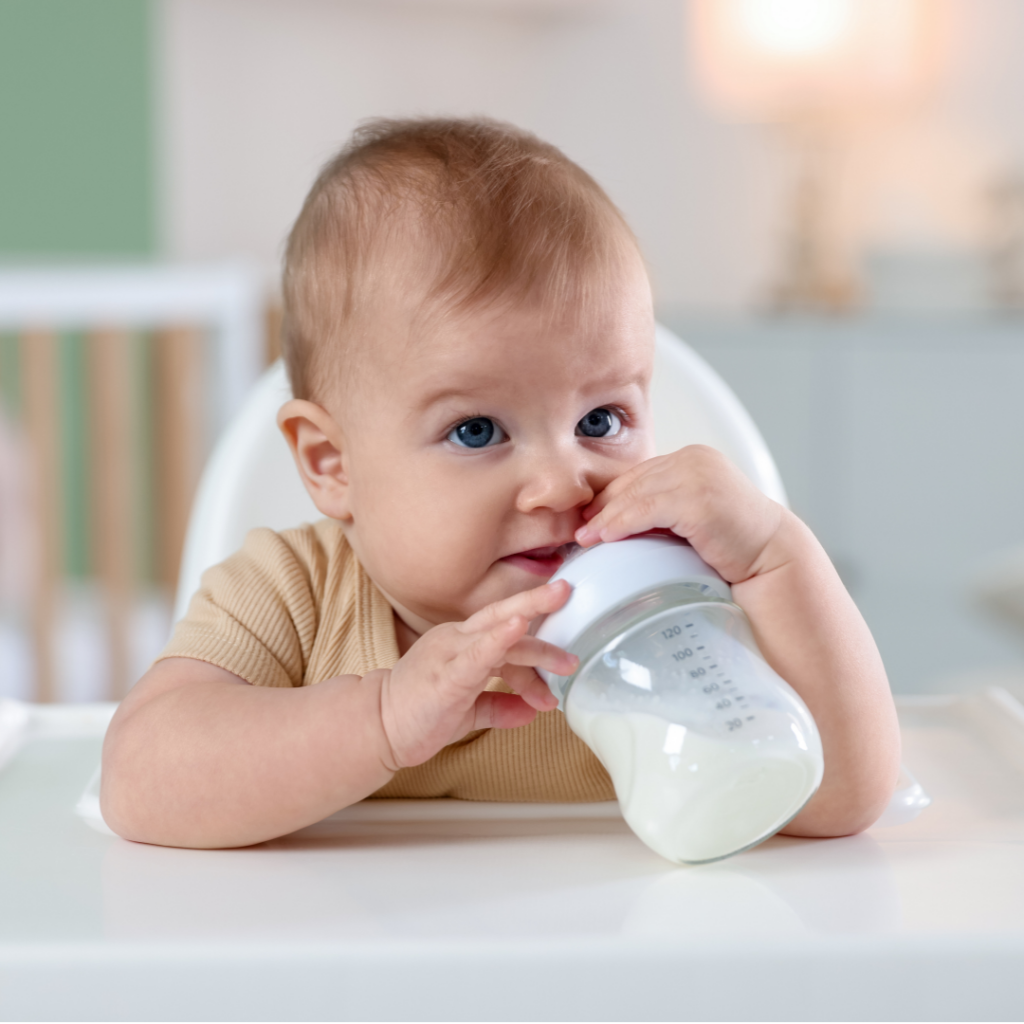
A frequent cause of early-year feeding resistance is the "Milk Trap." Infants who consume high volumes of breast milk or formula—often exceeding 32 ounces in a 24-hour period—may reach the table with their caloric and hunger needs already met. Consequently, they lack the biological drive to expend the energy required for the more difficult task of chewing and swallowing solids.
This creates a cycle where the infant, already satiated, views the spoon as an unnecessary imposition. From a nutritional standpoint, this is a concern because iron stores, which are naturally high at birth, begin to deplete significantly by the six-month mark. Iron is essential for cognitive development and cellular energy. Therefore, the few bites an infant does take must be nutritionally dense. Pediatric dietitians recommend prioritizing foods rich in iron, such as soft-cooked ground meats, lentils, and tofu, to ensure that even small intakes contribute meaningfully to the infant’s health requirements.
Chronology of Typical Feeding Challenges
The first year of life is marked by distinct phases of feeding behavior. Between six and nine months, the focus is on sensory exploration and the development of oral motor skills. At the nine-month mark, many infants experience a temporary "slump" in interest. This period often coincides with major gross motor milestones, such as crawling or pulling to stand. When an infant’s brain is focused on physical mobility, the sedentary nature of a high chair can feel like a restriction.
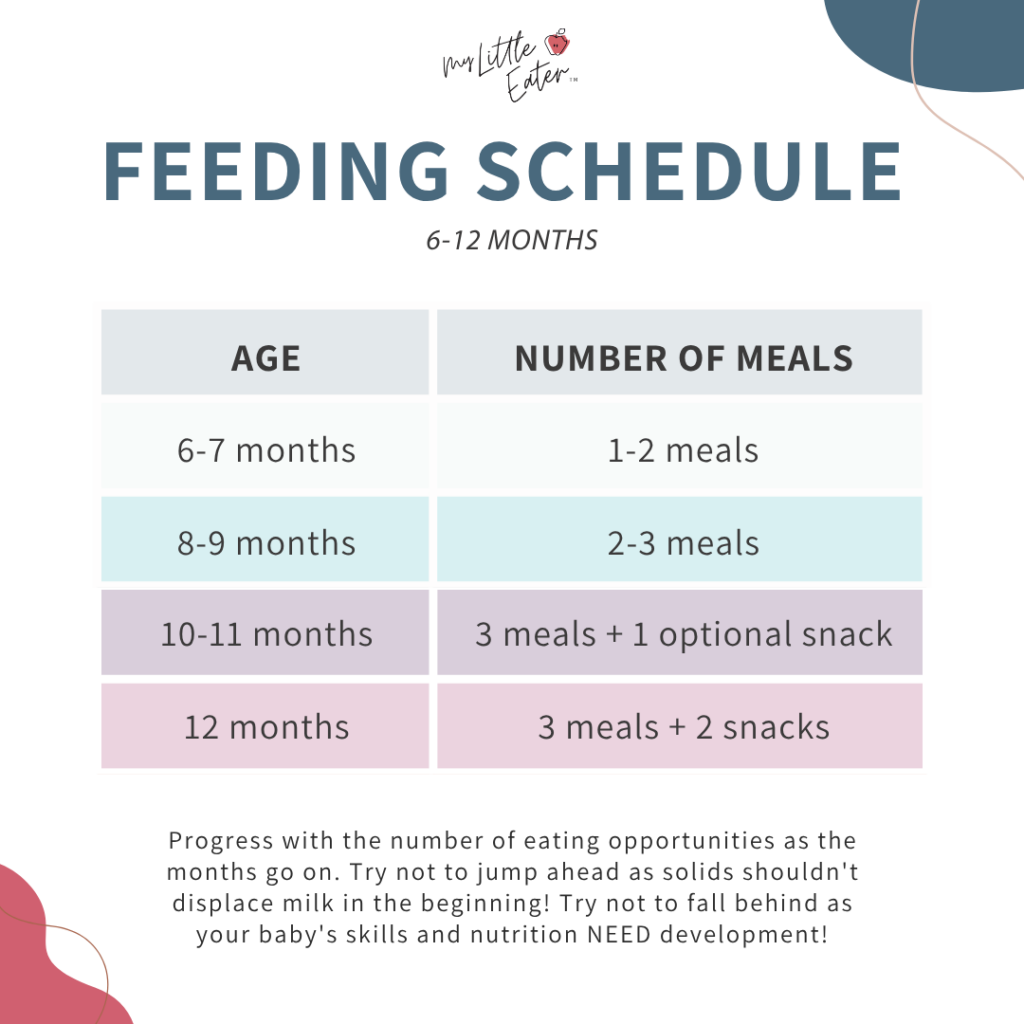
During this phase, clinical guidance suggests maintaining a consistent schedule of three meals per day, even if intake remains minimal. The goal is to sustain exposure to textures and flavors. If an infant is still refusing nearly all solid foods past the nine-month mark, it may indicate a need for a professional evaluation to rule out underlying issues, such as sensory processing disorders or oral-motor dysfunction.
Five Strategies for Mitigating Mealtime Stress
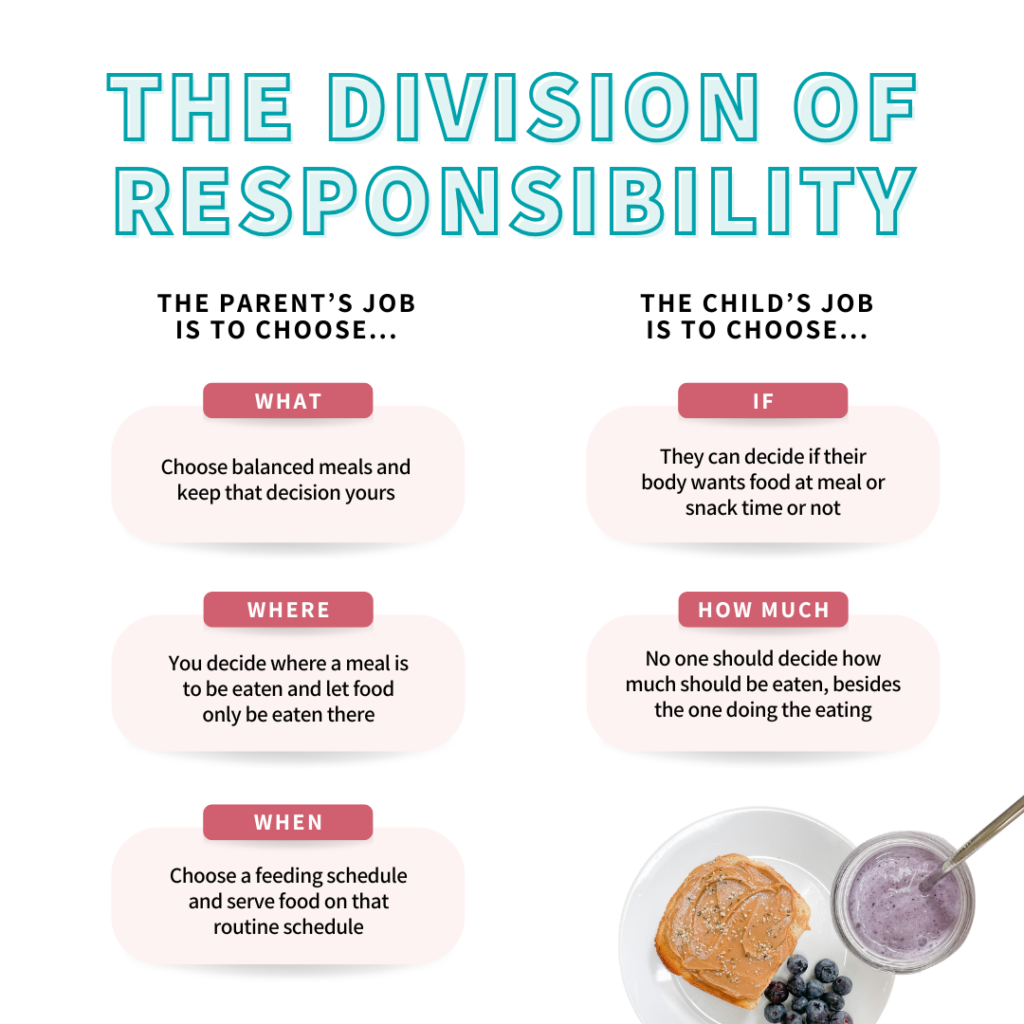
To move toward a more successful feeding environment, experts suggest five fundamental shifts in parental approach:
-
Embrace the Sensory Mess: Allowing infants to touch, smear, and squish food is a critical part of the learning process. These actions provide data to the brain about texture, temperature, and consistency, which builds the familiarity necessary for eventual consumption.

-
Adherence to the Division of Responsibility: This framework, developed by Ellyn Satter, dictates that the caregiver is responsible for the "what," "where," and "when" of the meal, while the infant is solely responsible for "if" and "how much" they eat. Adhering to this boundary preserves the infant’s natural hunger and satiety cues.
-
Family-Style Dining: Infants are observant copycats. Integrating them into family meals, where they witness the social act of eating, creates a positive, non-coercive environment.
-
External Sensory Play: Providing opportunities to interact with food outside of the high chair, such as playing with raw vegetables or purees on a tray, removes the pressure of ingestion and encourages curiosity.
-
Elimination of Coercive Pressure: The use of "just one more bite" or distracting the infant to get food into their mouth can trigger a physiological fight-or-flight response. This stress reaction actively inhibits appetite.

Clinical Implications and Future Outlook
The long-term implication of these strategies is the fostering of a positive relationship with food, which is a foundational element in preventing future picky eating. While the immediate focus of a parent is often on the volume consumed in a single sitting, longitudinal data suggests that consistency over time is the most reliable predictor of success. Studies have indicated that it may take as many as 8 to 15 exposures for a child to accept a new food.

When these strategies do not result in progress, or when there are clear "red flags"—such as persistent vomiting, signs of severe fear, or failure to maintain weight on growth charts—clinical intervention is warranted. Pediatric feeding therapists and dietitians can provide the specialized guidance needed to address complex issues. Ultimately, the goal of pediatric nutrition is not merely the immediate intake of calories, but the development of a lifelong, competent, and confident eater. By shifting the focus from the quantity of food to the quality of the experience, caregivers can navigate the challenges of the first year with greater clarity and less anxiety.