Fueling the Future: A Comprehensive Guide to High-Protein, Whole-Food Nutrition for Young Athletes


The modern landscape of youth athletics is characterized by rigorous schedules involving school, club practices, weekend tournaments, and cross-training regimens. As youth sports participation continues to surge globally, sports dietitians and pediatric nutritionists are placing an increased emphasis on how young athletes fuel their growing bodies. While the market has historically been saturated with expensive commercial sports bars, specialized shakes, and artificial supplements, recent nutritional guidance highlights a return to whole-food alternatives. Active children do not merely require elevated protein intake; their developing physiology demands a complex balance of total energy, complex carbohydrates, healthy fats, essential vitamins, minerals, and precise hydration strategies.
Understanding the Physiological Needs of Growing Athletes
To maintain optimal performance and support continuous growth, youth sports nutrition must extend beyond single-nutrient focus. According to pediatric health experts, physical exertion depletes glycogen stores in the muscles and liver, necessitating a strategic replenishment of both carbohydrates and proteins.
Carbohydrates serve as the primary fuel source during high-intensity activities such as soccer, basketball, swimming, and gymnastics. Without adequate carbohydrate intake, young athletes risk premature fatigue, decreased endurance, and compromised performance. Conversely, protein is essential for the repair and synthesis of muscle tissue damaged during vigorous exercise. Healthy fats provide a dense, sustained source of energy, particularly during longer endurance events or cold-weather training. Furthermore, adequate fluid intake is critical; even mild dehydration can impair cognitive function, coordination, and cardiovascular endurance in children and adolescents.
Establishing a Chronology of Nutritional Timing
The timing of nutrient consumption plays a pivotal role in athletic performance and recovery. Sports dietitians recommend structuring food intake around specific windows relative to athletic events.
Pre-Activity Nutrition (1 to 3 Hours Prior):
In the hours leading up to a practice or game, meals and snacks should focus primarily on easily digestible carbohydrates with a moderate amount of protein. High-fat and high-fiber foods are generally discouraged during this window, as they delay gastric emptying and can cause gastrointestinal discomfort during vigorous movement. Examples include oatmeal with fruit, a small turkey sandwich, or a fruit-and-yogurt smoothie.
Immediate Pre-Activity (Under 30 Minutes):
If a child arrives at practice hungry and lacks time for a full meal, very light, carbohydrate-rich options—such as a small banana, applesauce, or a handful of dried fruit—can provide a quick energy boost without sitting heavily in the stomach.
Post-Activity Recovery (Within 30 to 60 Minutes):
The post-exercise window is critical for muscle repair and glycogen replenishment. Consuming a combination of carbohydrates and protein immediately following intense physical activity accelerates recovery. Effective post-practice options include chocolate milk, Greek yogurt bowls, cottage cheese with fruit, or whole-grain wraps containing lean protein.
Curated Whole-Food Snack Options for Active Youth
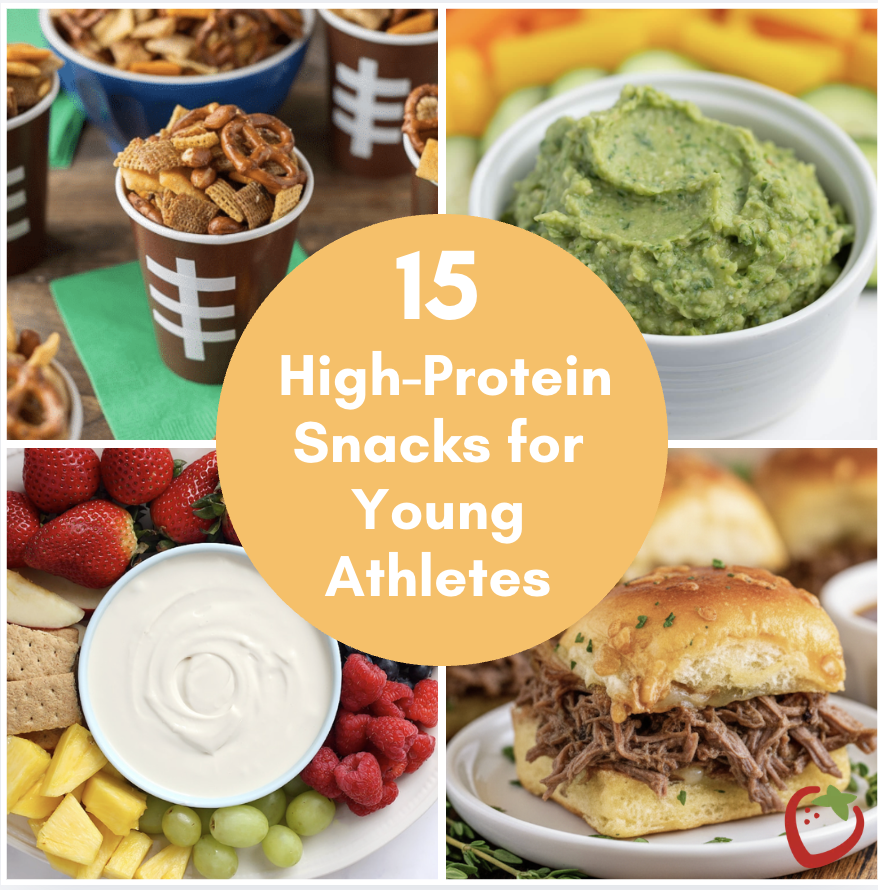
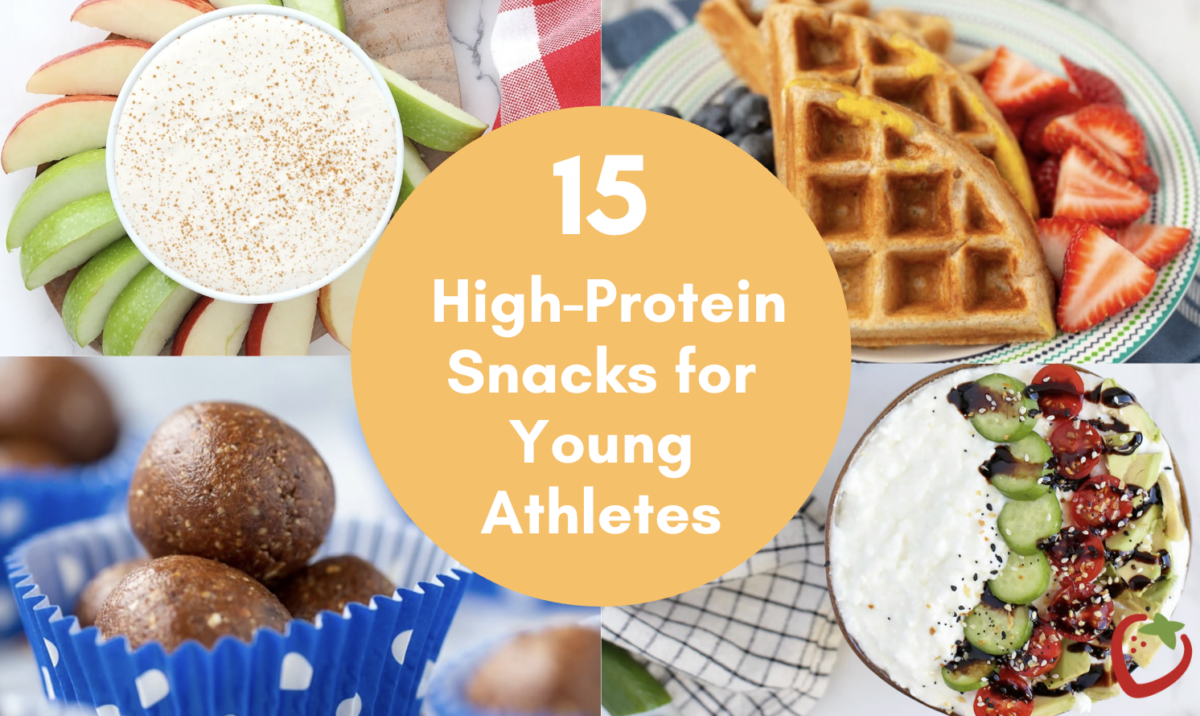
To assist parents in navigating busy sports seasons, sports nutritionists have categorized practical, nutrient-dense snack options that can be prepared ahead of time and transported easily to fields and gymnasiums.
-
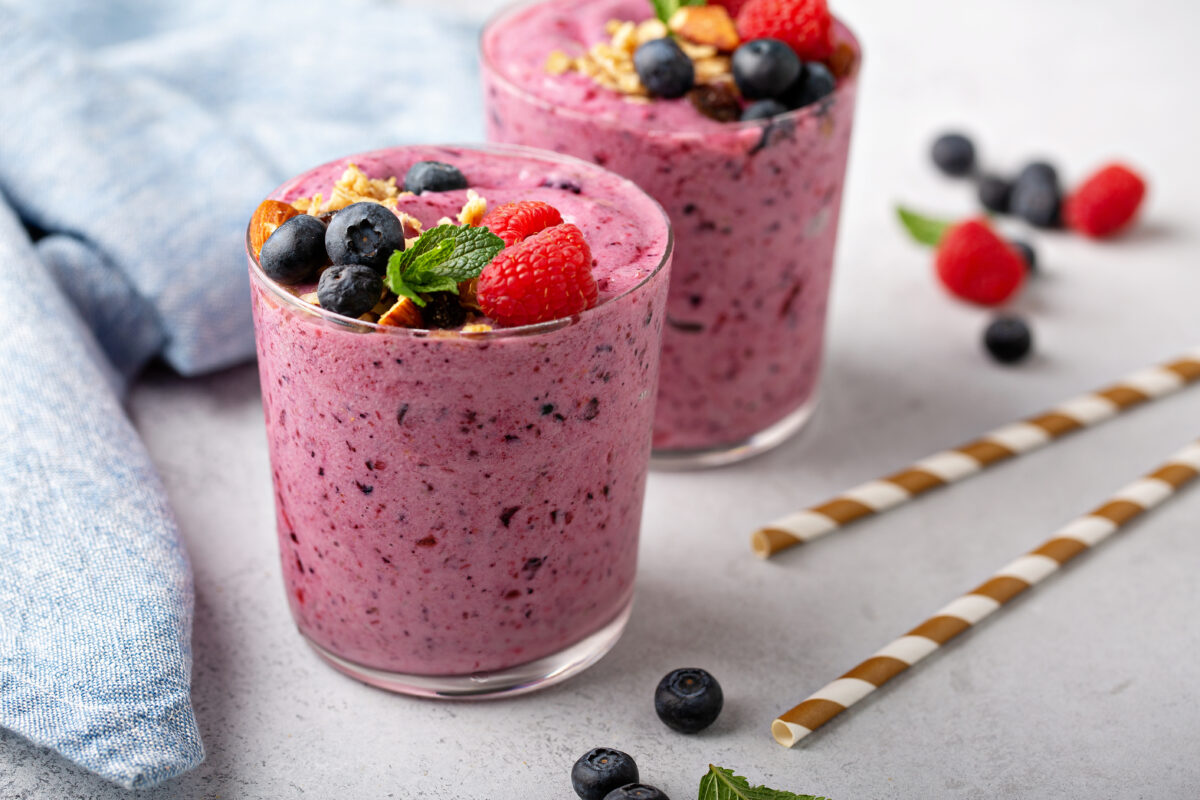
Mixed Berry Protein Smoothies
Blending frozen berries, a banana, Greek yogurt, and milk yields a cold, refreshing beverage that delivers both carbohydrates and high-quality dairy protein. For enhanced nutritional value, parents frequently incorporate chia seeds, ground flaxseed, or a handful of fresh spinach. -
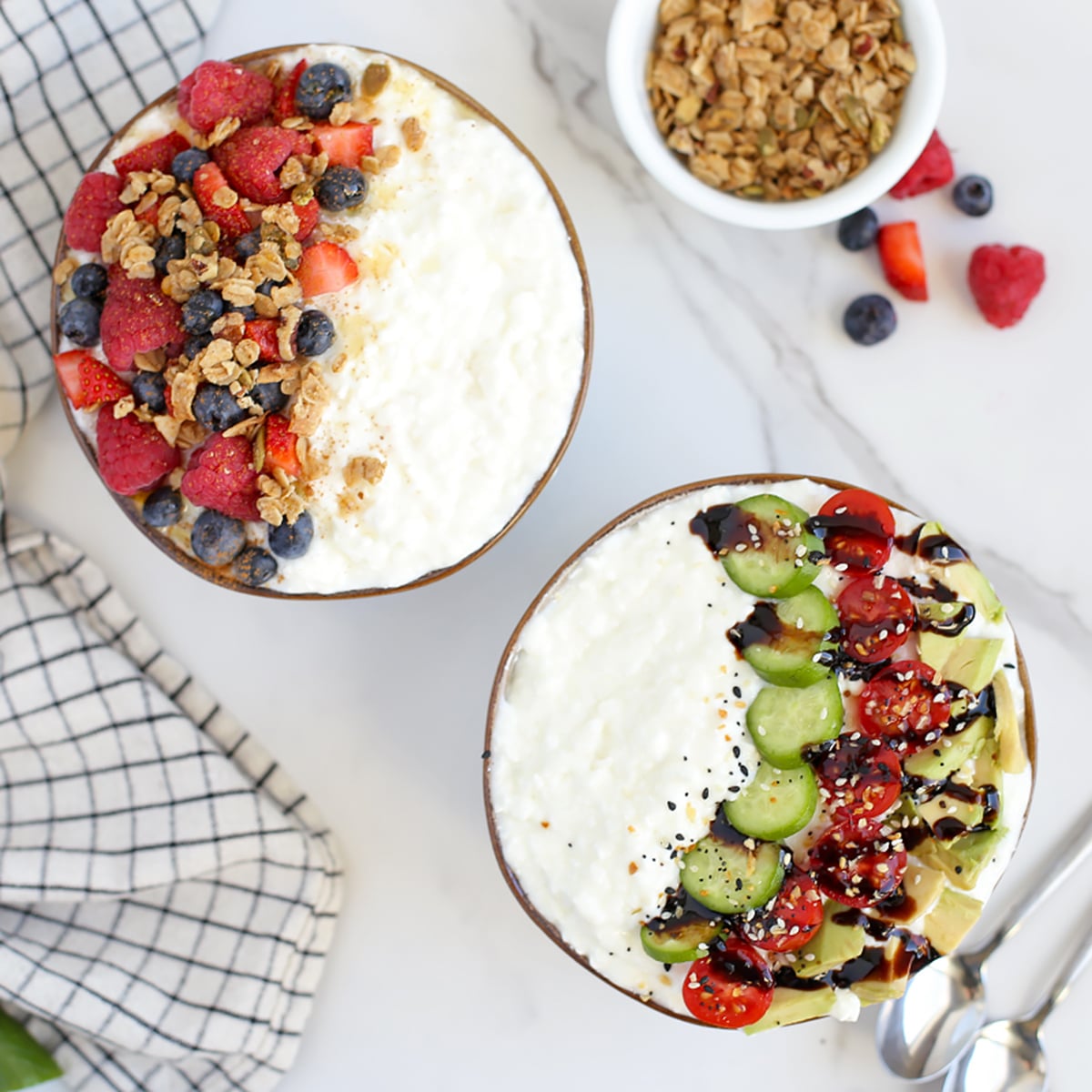
High-Protein Cottage Cheese Bowls
Cottage cheese provides approximately 17 grams of protein per serving. Its neutral flavor profile allows for versatile preparation. Sweet variations feature berries, granola, and honey, while savory alternatives incorporate diced tomatoes, cucumbers, and a drizzle of olive oil. -
Blueberry Protein Popsicles
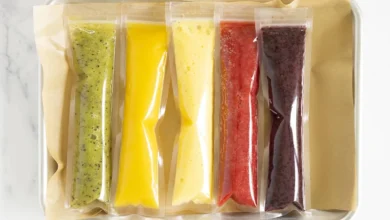
Designed for warmer weather seasons, these frozen treats combine Greek yogurt, blueberries, and milk. They offer a palatable post-practice recovery option that supplies both protein and glycogen-restoring carbohydrates.
-
Peanut Butter Fudge Protein Energy Balls
Composed of whole-food ingredients such as oats, dates, peanut butter, cocoa powder, and sunflower seeds, these portable bites deliver roughly 8 grams of plant-based protein per two-piece serving. They serve as an ideal transition snack between the school day and afternoon practice. -
Quick-Prep Edamame
Steamed and lightly salted edamame provides a substantial amount of plant-based protein and dietary fiber with virtually zero preparation time. It functions exceptionally well as a standalone finger food or paired with whole-grain crackers. -
Homemade Chocolate RX-Style Chewy Bars
Targeting older athletes and adolescents, these bars utilize dates, almonds, cashews, cocoa powder, and egg-white powder to deliver approximately 10 grams of protein per bar, offering a clean-label alternative to commercial energy bars.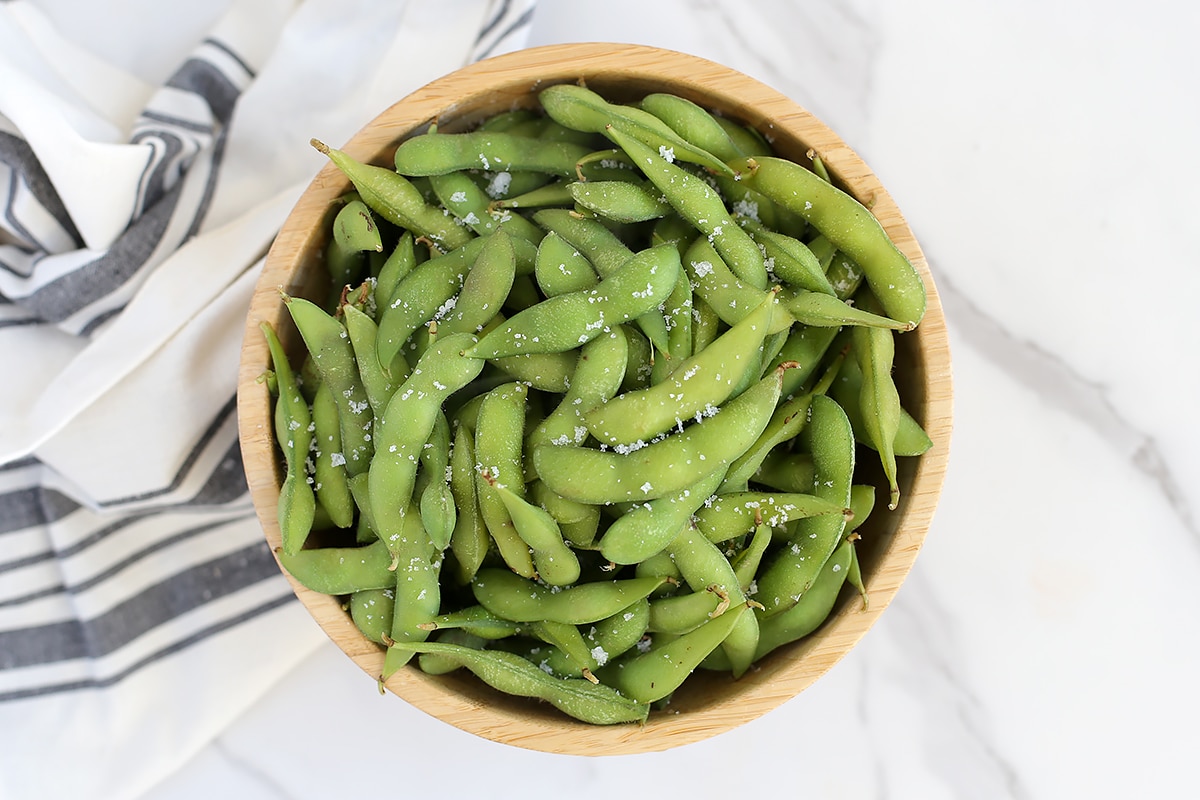
-
High-Protein Black Bean Dip
Blending black beans with Greek yogurt and mild spices creates a savory dip yielding about 14 grams of protein per serving. Paired with whole-grain tortilla chips or fresh vegetable sticks, it delivers a balanced mix of protein, complex carbohydrates, and essential micronutrients. -
Whole-Grain Protein Waffles
Incorporating Greek yogurt, milk, and eggs directly into whole-wheat waffle batter produces a make-ahead snack that can be frozen and toasted as needed. Each waffle contains approximately 15 grams of protein. -
Roasted Chickpeas
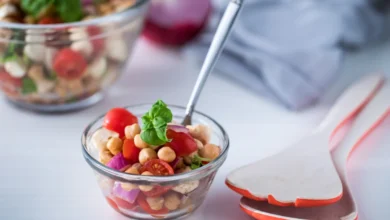
Coated in olive oil and baked with various seasonings—such as cinnamon sugar, garlic, or barbecue spices—roasted chickpeas provide roughly 9 grams of protein and significant fiber per serving, offering a satisfying crunch for travel days and tournaments.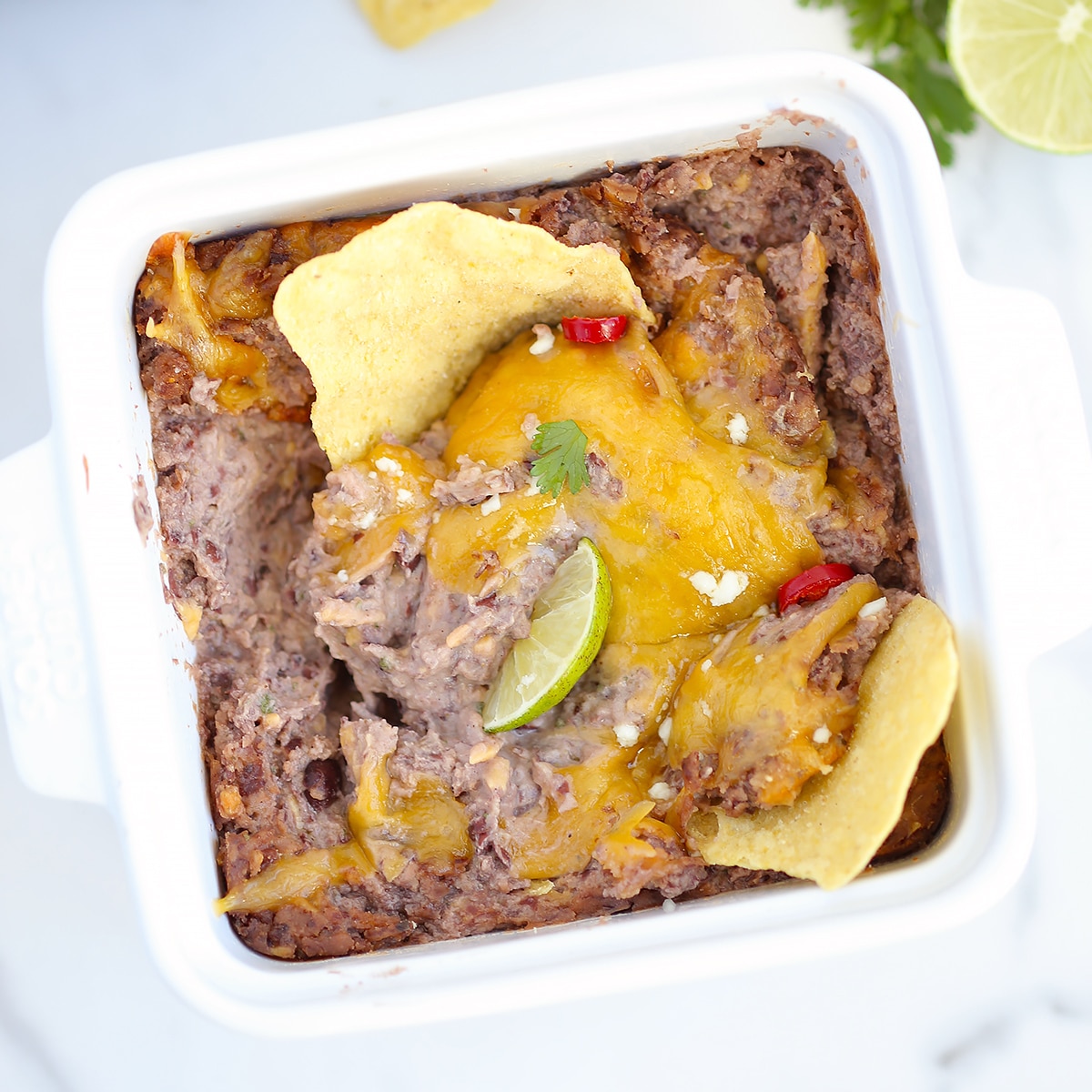
-
Greek Yogurt Fruit Dip
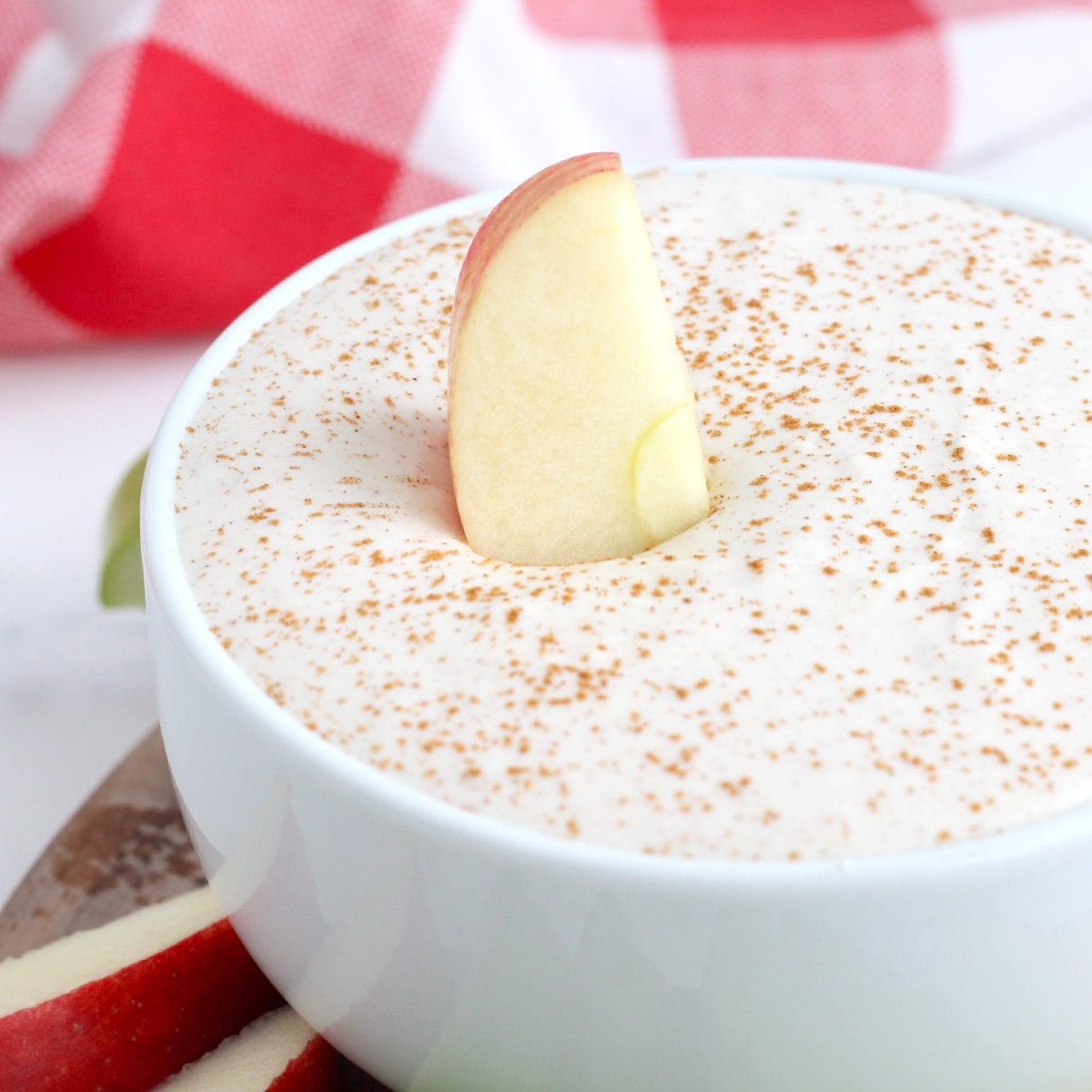
Combining Greek yogurt with vanilla, cinnamon, and a touch of maple syrup transforms ordinary sliced fruit into an appealing, balanced snack that supplies sustained energy without excessive added sugars. -
Crunchy Roasted Peas
Tossed in olive oil and garlic salt before roasting, green peas yield approximately 5 grams of plant-based protein per serving, offering an economical and nutrient-dense alternative to traditional processed chips. -
Savory Greek Yogurt Veggy Dip
Seasoned with onion, dill, and garlic, a Greek yogurt base paired with bell pepper strips and cucumber slices delivers around 7 grams of protein while encouraging vegetable consumption among children.
-
No-Bake Energy Bites and Chia Seed Variations
Using rolled oats, honey, peanut butter, and chia seeds, these customizable bites offer approximately 7 grams of protein alongside healthy fats and sustained-release carbohydrates, making them ideal for meal-prep enthusiasts. -
Raspberry Quinoa Smoothie
Blending cooked quinoa with milk, Greek yogurt, and raspberries results in a hearty beverage delivering up to 22 grams of protein per serving, making it uniquely suited for older teenagers with increased caloric demands.
The Debate Surrounding Protein Powders and Supplements
As the youth athletics market expands, parents frequently confront marketing claims promoting specialized protein powders, amino acid supplements, and creatine for minors. However, pediatricians and registered sports dietitians generally advise caution regarding these products.
Extensive nutritional research indicates that the vast majority of children and adolescents can easily meet their daily protein requirements through whole foods, including poultry, fish, eggs, dairy, beans, lentils, nuts, and seeds. Introducing concentrated protein powders into a child’s diet is rarely necessary and, in some cases, may displace other critical macronutrients and micronutrients required for overall growth. Furthermore, the dietary supplement industry is not strictly regulated by the Food and Drug Administration (FDA) prior to product marketing, raising concerns regarding potential contamination or undeclared ingredients. Health professionals consistently recommend that parents consult a pediatrician or a certified sports dietitian before incorporating any nutritional supplement into a young athlete’s routine.
Broader Implications for Youth Health and Athletics

The shifting focus toward whole-food sports nutrition highlights a broader cultural movement within youth athletics: prioritizing long-term health, sustainable energy habits, and culinary literacy over quick fixes. By involving children in the preparation of simple snacks like energy bites, smoothies, and vegetable dips, families foster positive relationships with food that extend beyond competitive sports.
Ultimately, fueling a young athlete does not require an advanced nutritional science degree or expensive specialty items. By adhering to the fundamental formula of pairing quality proteins with complex carbohydrates, and by maintaining proper hydration standards, parents can effectively support the athletic ambitions, immune function, and healthy physical development of the next generation of competitors.
Related posts: