Scotland is leading the way in helping to build a more sustainable fashion industry through 11 innovative ethical clothing brands.

Despite a relatively small population of 5.4 million people, Scotland has emerged as a significant global hub for the sustainable fashion movement. By prioritizing circular manufacturing, local supply chains, and the use of natural, regenerative fibers, Scottish enterprises are successfully challenging the dominance of the global fast-fashion industry. This shift toward ethical production represents not only a commitment to environmental stewardship but also a revitalization of Scotland’s historic textile heritage.

The Rise of Sustainable Textile Manufacturing
The environmental toll of the global fashion industry is immense. According to the United Nations Environment Programme (UNEP), the fashion industry is responsible for up to 10% of global carbon emissions and is the second-largest consumer of the world’s water supply. In response, a growing coalition of Scottish brands has adopted business models centered on longevity and transparency, effectively decoupling economic growth from the consumption of virgin natural resources.
The movement is anchored in a deep-rooted tradition of high-quality wool and cashmere production. However, modern Scottish firms have evolved these practices, integrating circular economy principles such as zero-waste cutting, the reclamation of discarded luxury fabrics, and the implementation of repair-focused service models.

Key Players in the Scottish Sustainable Fashion Sector
The landscape of Scottish ethical fashion is diverse, spanning from heritage knitwear houses to modern, tech-forward circular designers.
Brora, a cornerstone of the Scottish luxury knitwear sector for over three decades, has solidified its position by achieving B-Corp certification in 2025. This designation underscores the company’s commitment to social and environmental performance. By utilizing natural fibers like cashmere and wool and maintaining a rigorous code of conduct for international suppliers, Brora exemplifies how established brands can pivot toward radical transparency.

Similarly, the Scottish Borders region serves as a base for Findra, which has pioneered sustainable activewear. By manufacturing a significant portion of its collection within the UK and providing a dedicated repair service, Findra addresses the "wear-and-discard" culture prevalent in performance apparel.
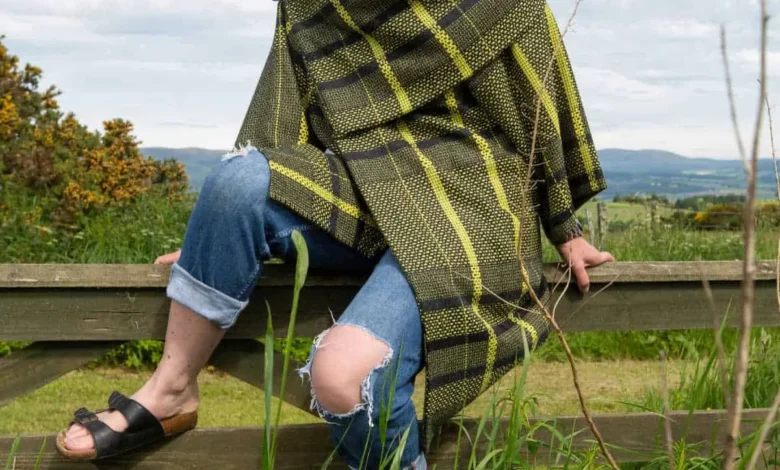
In the Highlands, Prickly Thistle has redefined the traditional tartan industry. By operating a renewable energy-powered mill and eliminating hardware like zips and buttons—which complicate garment recycling—the company has created a closed-loop system for traditional Scottish textiles. Their design philosophy, which favors adjustable sizing to extend the life of a garment, serves as a blueprint for waste reduction in manufacturing.

A Chronology of Industry Evolution
The transition toward ethical fashion in Scotland has accelerated significantly over the last decade:
- 1986: ERIBÉ Knitwear is founded, establishing an early commitment to 100% natural fibers and European-based manufacturing.
- 2013: The launch of specialized sustainability platforms, such as Moral Fibres, begins to aggregate data and consumer resources, increasing awareness of ethical alternatives.
- 2020-2024: A surge in "reworked" fashion emerges, led by companies like Godiva and Second Cashmere, which specialize in reconditioning post-consumer textile waste into high-quality apparel.
- 2025: Several Scottish brands achieve or renew B-Corp status, signaling a standardized commitment to accountability that exceeds national regulatory requirements.
Data-Driven Sustainability Metrics
The efficacy of these brands is measurable through their specific operational strategies. For instance, The Croft House utilizes seamless knitting technologies, which minimize fabric offcuts—a major contributor to textile waste in mass manufacturing. Meanwhile, Beira has introduced a level of supply chain transparency that provides consumers with granular data, including the hourly wages of the garment workers involved in production and detailed sourcing logs for discarded luxury materials.

These practices are vital in an industry where "greenwashing"—the practice of making misleading claims about environmental benefits—is rampant. By providing evidence-based disclosures, these companies foster a new level of consumer trust.
The Economic and Environmental Implications
The broader implications of this movement extend beyond the garments themselves. By keeping manufacturing local, these brands support the survival of specialized artisanal skills that were once at risk of being lost to globalization. This localized approach also drastically reduces the carbon footprint associated with international shipping, a critical factor given that transport is a significant contributor to the fashion industry’s total emissions.

Furthermore, the focus on "slow fashion"—the production of high-quality items designed to last for years rather than weeks—challenges the consumerist paradigm of frequent turnover. This shift is economically significant for Scotland, as it positions the nation as a premium destination for "conscious consumerism," a market segment that is growing faster than the broader retail sector.
Expert Perspectives on Ethical Manufacturing
Industry analysts note that the success of Scottish brands is largely due to their ability to harmonize traditional techniques with modern ethical mandates. Wendy Graham, a sustainability expert and founder of the resource platform Moral Fibres, emphasizes that the sector’s strength lies in its refusal to compromise on worker welfare or environmental integrity.

"The move toward circularity in Scotland isn’t just a trend; it is a systemic shift in how we value clothing," says Graham. "By focusing on material traceability and repairability, these brands are demonstrating that profitability and planetary health are not mutually exclusive."
Challenges and Future Outlook
Despite the progress, the sector faces challenges. The cost of manufacturing in the UK is significantly higher than in regions with lower labor standards. Consequently, ethical clothing carries a higher price point, which can present a barrier to entry for lower-income consumers.

However, the industry is mitigating this through two primary strategies:
- Investment in Longevity: By educating consumers on the "cost-per-wear" value of durable goods, brands are shifting the focus from initial price to total lifecycle value.
- Repair and Resale: By offering repair services, companies like Second Cashmere and Findra ensure that their products remain in use, providing a circular value that extends beyond the initial point of sale.
As international regulations regarding textile waste tighten—such as the EU’s Strategy for Sustainable and Circular Textiles—Scotland’s early adoption of these standards positions its fashion industry favorably. By maintaining a focus on high-quality, traceable, and sustainable production, these 11 brands are not only preserving Scotland’s textile legacy but are also setting the standard for the future of global fashion. The path forward remains clear: a continued commitment to local production, circular design, and radical supply chain transparency will remain the cornerstones of the industry’s success.
Related posts: