The 15-Minute Cinnamon Maple Caramelized Apple Slices Recipe That Is Taking Over Fall Breakfasts

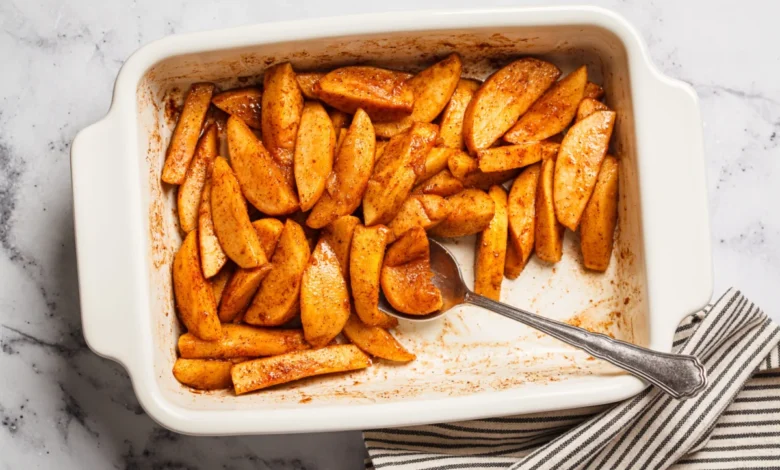
The culinary world has long recognized the humble apple as a versatile staple of autumn cuisine, yet recent culinary trends indicate a significant shift toward quick, nutrient-dense preparations that minimize refined sugars. Among the most popular iterations circulating in home kitchens this season is a streamlined, 15-minute recipe for cinnamon maple caramelized apple slices. Combining tender fruit, pure maple syrup, and aromatic spices, this single-skillet dish has captured the attention of nutritionists, busy parents, and home cooks seeking wholesome comfort food without the extensive preparation time typically associated with traditional baked desserts.
The widespread appeal of this recipe lies in its minimalist approach to ingredient lists and cooking methodology. Developed as an efficient solution for utilizing surplus seasonal produce, the dish requires only a handful of pantry staples: fresh apples, butter or a plant-based alternative, pure maple syrup, and ground cinnamon. Unlike classic apple pie fillings or heavy crisps that rely heavily on granulated white sugar and prolonged baking periods, this skillet method utilizes medium heat to gently soften the fruit while allowing the natural sugars and maple syrup to form a light, glossy glaze in a fraction of the time.
A Brief Chronology of Quick-Cook Fruit Preparations in Modern Diets
The evolution of fast stovetop fruit dishes reflects broader consumer shifts toward efficiency and health-conscious eating over the past decade. Historically, cooked apples were reserved for labor-intensive weekend baking projects or slow-simmered sauces. However, the surge in popularity of meal-prepping and nutrient-focused breakfast bowls around 2015 catalyzed a demand for rapid-cooking fruit toppings.
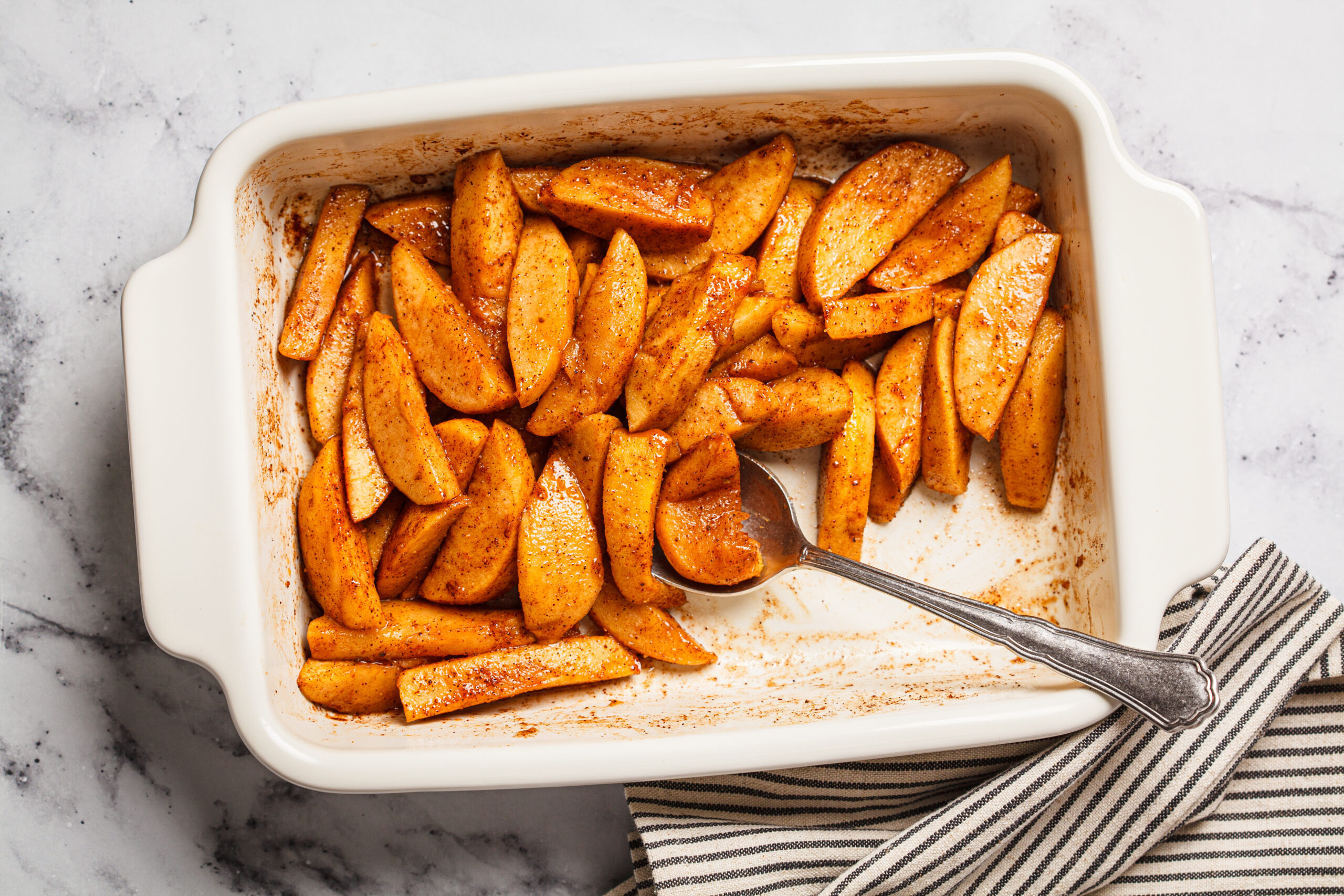
By the early 2020s, food journalists and culinary bloggers began experimenting with high-efficiency stovetop methods to enhance breakfast items such as overnight oats, chia puddings, and Greek yogurt parfaits. The integration of pure maple syrup as a primary sweetener gained momentum as consumers increasingly scrutinized ingredient labels for artificial additives and high-fructose corn syrup. The introduction of standardized 15-minute skillet protocols marked a turning point, transforming apples from a side dish into a versatile, multi-meal component suitable for breakfast, snacking, and dessert.
Nutritional Analysis and Dietary Implications
From a nutritional perspective, incorporating whole fruit lightly sweetened with natural alternatives aligns with recommendations from dietary health organizations. Apples are recognized for their high concentration of dietary fiber, particularly pectin, which supports digestive health and helps maintain stable blood sugar levels. Furthermore, the skins retain significant amounts of antioxidants and quercetin, contributing to anti-inflammatory processes within the body.
The substitution of refined white sugar with pure maple syrup introduces trace minerals such as manganese and zinc, along with various antioxidant compounds. While maple syrup remains a caloric sweetener, its lower glycemic index relative to processed sugars appeals to individuals monitoring their metabolic health. Additionally, the inclusion of Ceylon or Cassia cinnamon provides potential metabolic benefits, as numerous nutritional studies suggest the spice may assist in improving insulin sensitivity.
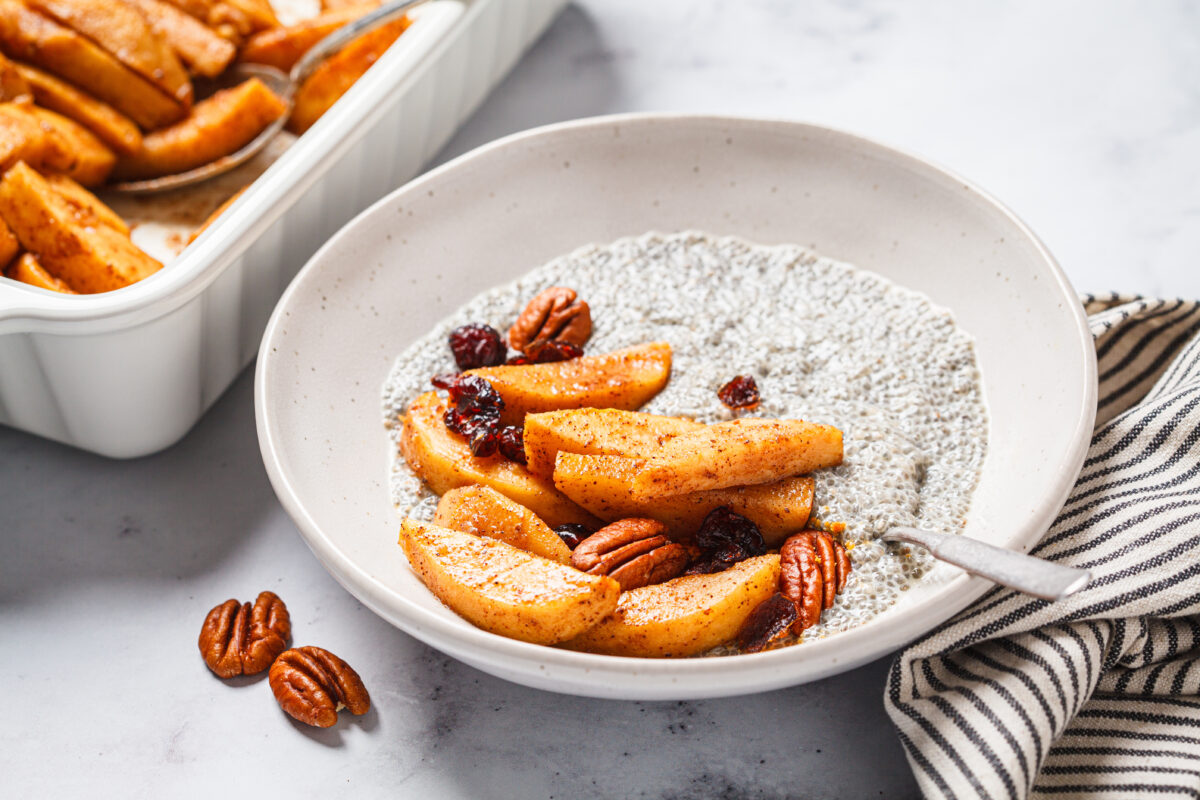
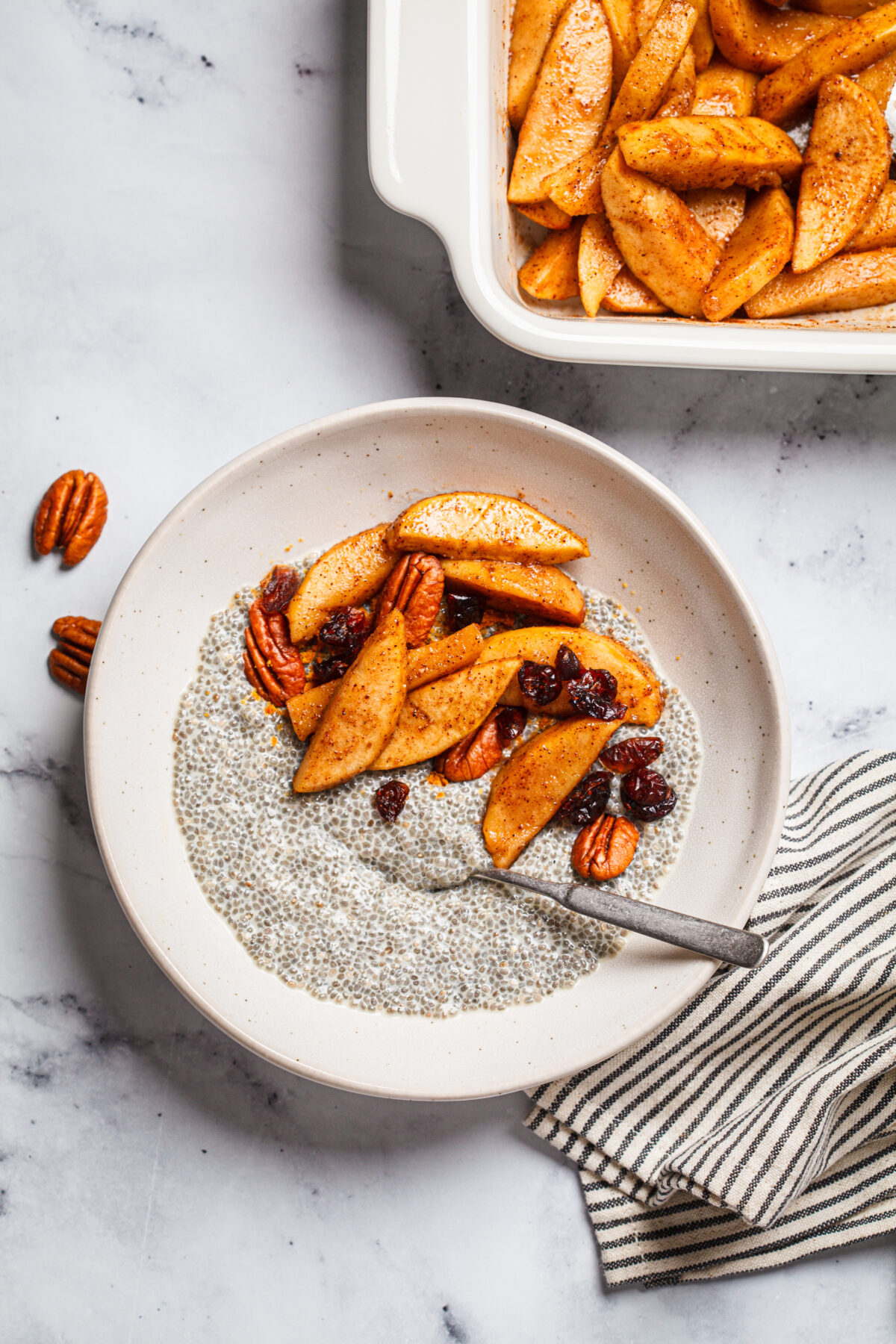
For households managing dietary restrictions, the recipe’s inherent adaptability serves as a significant advantage. The dish is naturally gluten-free and vegetarian, and can easily be adapted for vegan diets by substituting plant-based butter or coconut oil. Optional mix-ins, such as toasted pecans and dried cranberries, provide healthy fats and additional micronutrients, transforming a simple fruit side into a nutrient-dense, textured topping.
Culinary Versatility and Household Integration
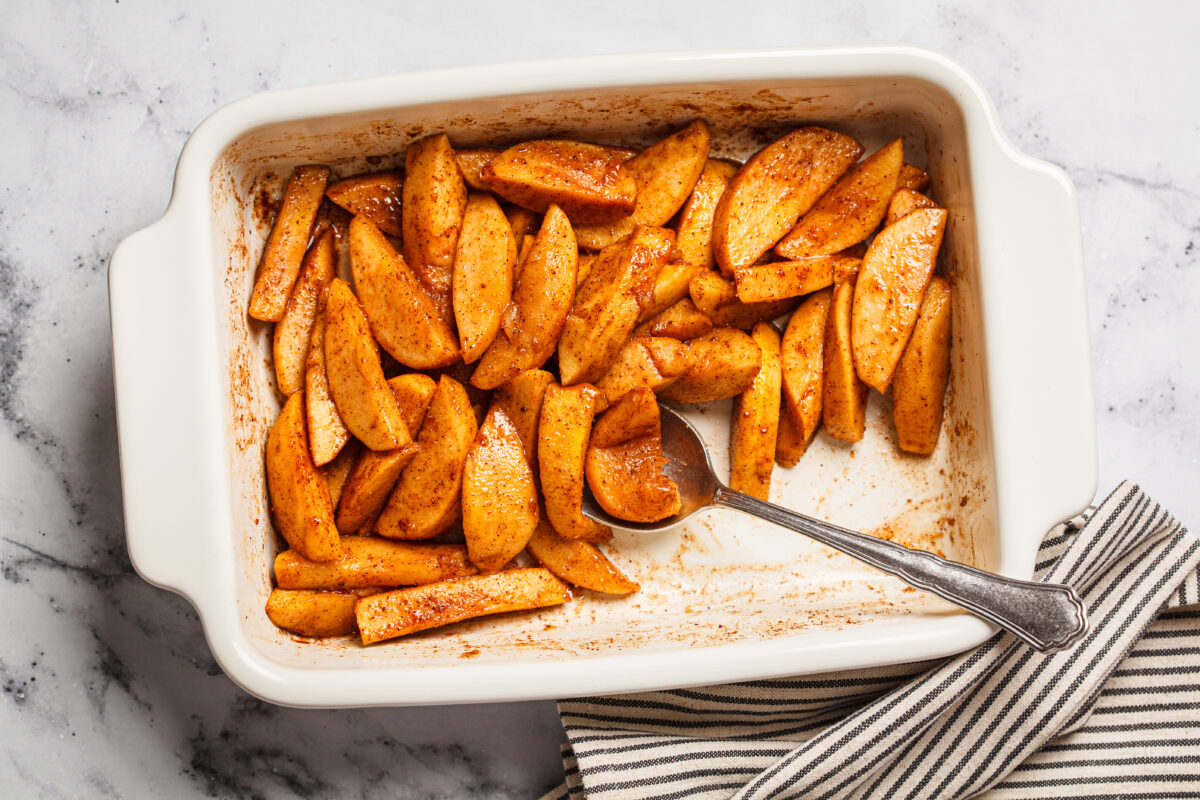
Food economists note that versatility is a primary driver of repeat recipe adoption among modern consumers. The cinnamon maple apple slices transcend traditional meal categories, functioning equally well as a warm morning accompaniment to oatmeal and pancakes, a midday addition to chia puddings, or a low-calorie evening dessert served atop vanilla bean ice cream.
Culinary experts emphasize that achieving optimal results requires careful attention to cutting techniques and heat management. Slicing the apples to a uniform thickness of approximately one-quarter inch ensures even cooking without reducing the fruit to an undesirable mush consistency. Furthermore, utilizing medium heat allows the natural moisture of the fruit to release slowly, interacting with the maple syrup and butter to create a rich emulsion without scorching.
Industry Observers and Home Cook Reactions
Feedback from culinary platforms and community recipe boards indicates overwhelmingly positive receptions, with home cooks praising the dish for its simplicity and adaptability. Parents, in particular, have highlighted the recipe’s utility in introducing nutrient-rich foods to children without the resistance often encountered with raw, tart produce.
Nutritional educators point out that recipes requiring minimal equipment—specifically, just one skillet—significantly lower the barrier to entry for individuals attempting to cook more meals from scratch. In an era where convenience often dictates dietary choices, the ability to produce a flavorful, wholesome item in 15 minutes or less addresses a critical consumer demand.
Storage, Preservation, and Food Safety Guidelines
To maximize the longevity of prepared caramelized apple slices, food safety guidelines recommend allowing the cooked fruit to cool completely before transferring it to an airtight glass or plastic container. Properly stored in a refrigerator, the dish maintains optimal texture and flavor for up to four days.
Reheating can be accomplished swiftly via a stovetop skillet over low heat or through short intervals in a microwave, making the apples an ideal candidate for weekly meal preparation. Alternatively, the chilled slices can be incorporated directly into cold breakfast preparations, such as layered yogurt parfaits or overnight oat jars, providing a refreshing textural contrast.
Broader Market Impact and Future Outlook
The sustained popularity of quick-cooking seasonal fruit recipes underscores a permanent shift in how consumers interact with traditional ingredients. As autumn approaches each year, the demand for apple-centric content spikes across digital media platforms, driven by a cultural desire for comfort, nostalgia, and seasonal engagement.
Looking ahead, culinary analysts predict that recipes emphasizing speed, minimal cleanup, and natural ingredients will continue to dominate food media trends. By reimagining a classic flavor profile through a contemporary, health-conscious lens, dishes like the 15-minute cinnamon maple caramelized apple slices demonstrate that wholesome home cooking can successfully coexist with the fast-paced demands of modern daily life.
Related posts: