The Evolution of a Household Staple
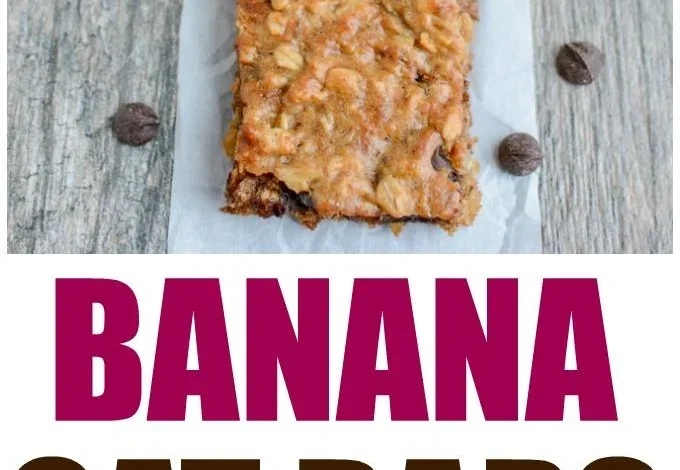
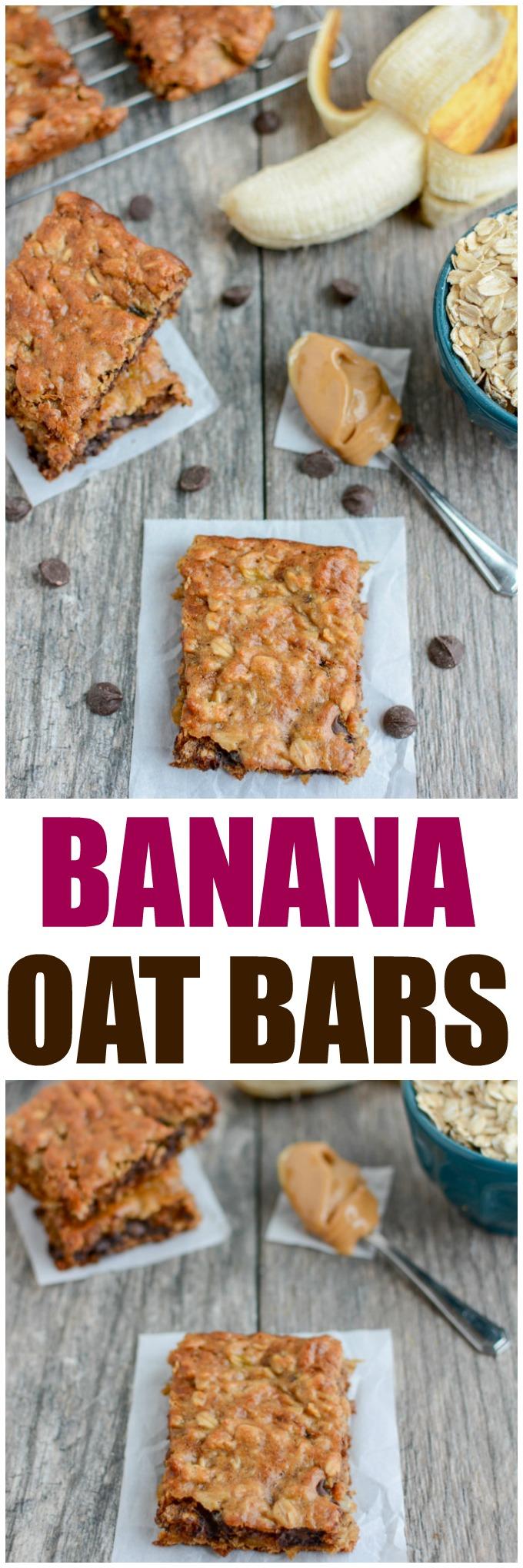
The concept of the banana oat bar centers on the utilization of overripe bananas—a food item frequently identified as the most common source of household food waste. By integrating these fruits into a shelf-stable, portable snack, home cooks have adopted the recipe as a practical tool for sustainable kitchen management. Since the recipe’s inception in 2017, it has undergone several iterations to reflect modern nutritional preferences. The most significant update, finalized in September 2026, emphasizes the flexibility of the base ingredients, allowing for the inclusion of varied mix-ins such as cocoa powder, shredded carrots, or fruit, thereby increasing the micronutrient density of the final product.
Nutritional Composition and Dietary Flexibility
From a nutritional standpoint, the efficacy of the Banana Oat Bar lies in its fundamental simplicity. The primary ingredients—oats, bananas, nut butter, and eggs—provide a balanced profile of complex carbohydrates, healthy fats, and protein. Oats, specifically, are a rich source of beta-glucan, a soluble fiber associated with improved cholesterol levels and blood sugar regulation.
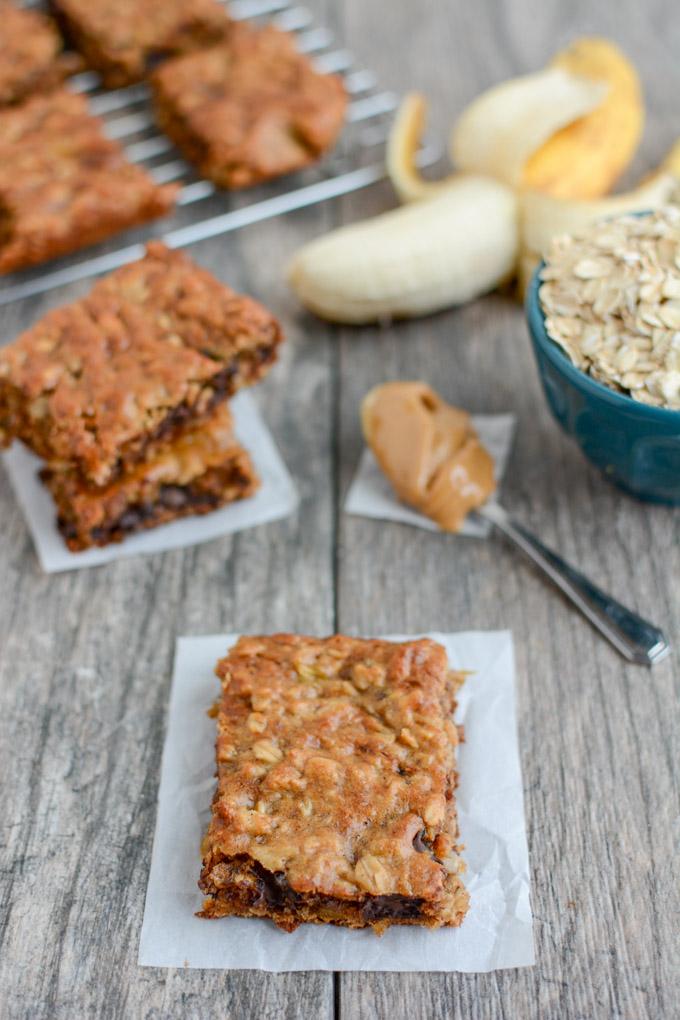
The shift toward the 2026 recipe model highlights the adaptability of the bars for specific dietary restrictions. For consumers managing celiac disease or gluten sensitivity, the use of certified gluten-free oats and high-quality flour alternatives ensures safety without compromising texture. For those adhering to a vegan lifestyle, the substitution of an egg with a flax-seed derivative or unsweetened applesauce allows for a nutritionally comparable result. This level of customization has turned a singular recipe into a platform for diverse dietary needs, making it a reliable reference point for nutritionists and home cooks alike.
Chronology of Recipe Development
The progression of this recipe demonstrates the intersection of culinary tradition and modern health science.
- January 2017: Initial publication of the "Easy Banana Oat Bar" recipe. The focus was primarily on utilizing pantry staples to minimize waste and provide a quick snack for children.
- 2018–2022: As user feedback accumulated, the importance of ingredient texture became apparent. Data from reader interactions indicated a preference for "quick oats" over traditional "rolled oats" due to the smoother mouthfeel, which improved consumption rates among younger demographics.
- 2024: Analysis of dietary trends indicated a surge in the demand for "hidden vegetable" recipes. Consequently, variations incorporating shredded carrots and other fiber-rich additions were tested and validated for structural integrity.
- September 2026: A comprehensive update was released. This version formalized the "base recipe" concept, providing clear guidelines for substitutions, such as the use of cocoa powder for antioxidants or plant-based binders for vegan requirements, effectively future-proofing the recipe.
Data-Driven Insights on Child Nutrition
The emphasis on involving children in the preparation of these bars is supported by recent studies in pediatric nutrition. Researchers have noted that "kitchen literacy"—the act of involving children in meal planning and preparation—is positively correlated with increased vegetable and fruit consumption. By participating in the measurement, mixing, and baking process, children are more likely to develop a positive association with nutrient-dense ingredients like oats and bananas.
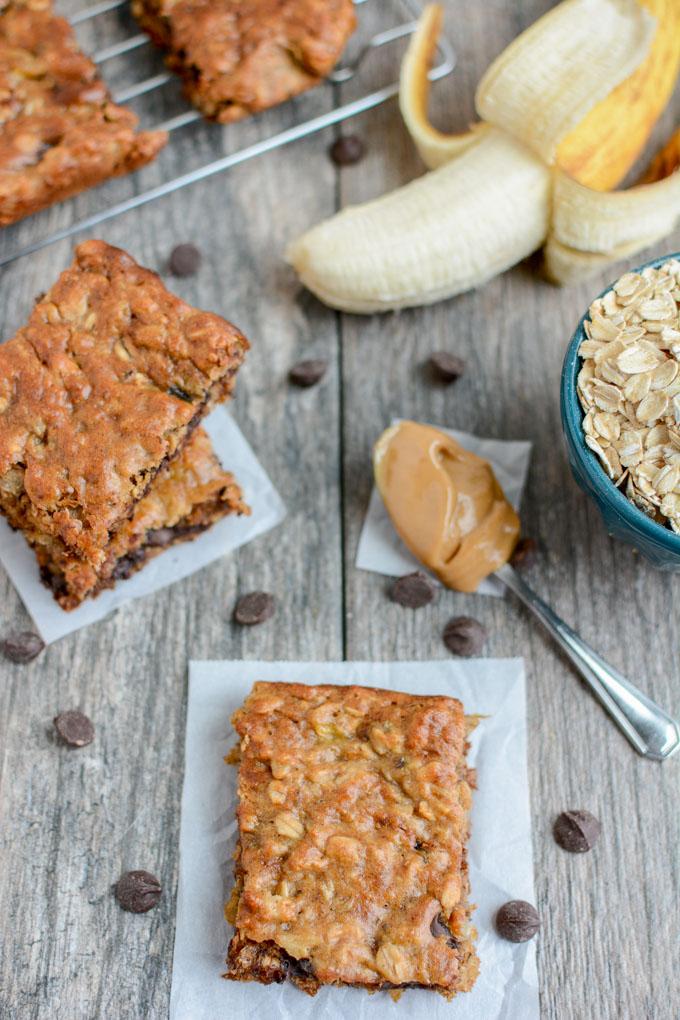
Furthermore, the "Easy Banana Oat Bar" serves as a case study for the benefits of home-prepared snacks over commercial alternatives. Commercial snack bars often contain high levels of added sugars, artificial preservatives, and stabilizers to ensure a long shelf life. In contrast, the homemade version allows for the controlled addition of sweeteners—typically maple syrup or honey—and eliminates unnecessary additives. Nutritional analysis suggests that these homemade bars contain approximately 20-30% less added sugar per serving than the average store-bought granola bar.
Expert Perspectives and Culinary Methodology
Registered Dietitians and culinary experts often highlight the importance of "repurposing" ingredients. The reliance on overripe bananas is not merely a cost-saving measure; it is a chemical necessity for the recipe’s structure. As bananas ripen, their starch content converts into simple sugars, which provide the necessary binding sweetness that reduces the need for external sweeteners.
When asked about the importance of such recipes, food scientists emphasize the "matrix effect." The combination of fiber from the oats and the fat from the nut butter creates a slow-release energy profile. Unlike high-glycemic snacks that cause rapid spikes and subsequent crashes in blood glucose levels, the structure of the banana oat bar allows for sustained energy release, making it an ideal snack for school-aged children and active adults.
Broader Impact on Household Food Systems
The widespread adoption of this recipe reflects a broader cultural shift toward "back-to-basics" cooking. In an era of high food inflation, recipes that rely on four to six core pantry staples—bananas, nut butter, oats, and a binding agent—are gaining prominence. These recipes mitigate the impact of rising grocery costs by encouraging the use of items that are already present in the home, thereby reducing the frequency of emergency grocery store trips.
The educational component of this recipe, specifically the guides for teaching children to cook, suggests a movement toward intergenerational skill-sharing. By providing a low-stakes environment (a recipe with minimal risk of failure), parents are successfully fostering independence and nutritional awareness in their children. The integration of FAQs regarding gluten-free, vegan, and no-bake modifications indicates that the modern consumer is not looking for a rigid set of instructions, but rather a "blueprint" that can be adjusted to accommodate the unique needs of a modern, multi-faceted household.
Future Implications and Conclusion
The longevity of the Banana Oat Bar in the public consciousness suggests that its value is not merely in its taste, but in its reliability. As food systems become more complex and processed, the appeal of a "four-ingredient" snack that provides consistent nutrition remains high. Moving forward, it is anticipated that further iterations of this recipe will likely explore the inclusion of functional foods, such as chia seeds for omega-3 fatty acids or protein-enriched powders, as consumers continue to prioritize health-conscious convenience.
Ultimately, the transformation of this recipe from a simple blog post in 2017 to a robust, adaptable culinary resource in 2026 serves as a testament to the power of simple, honest ingredients. Whether it is being used to reduce household food waste, teach children the fundamentals of baking, or provide a quick, healthy snack for a busy professional, the Banana Oat Bar remains a fundamental element of the contemporary home-cooking repertoire. Its success lies in its ability to remain relevant in a rapidly changing dietary landscape while staying true to its core identity: simple, accessible, and nourishing.