Bright New Culinary Trends Take Center Stage With The Introduction Of Kid-Friendly Tropical Fruit Crepes

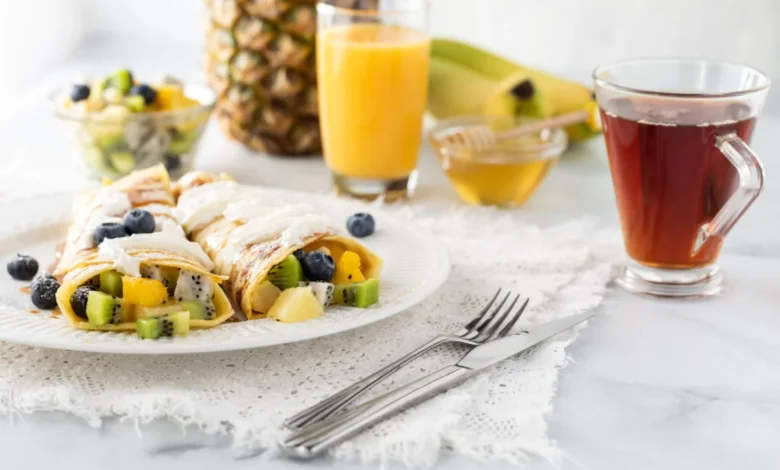
Culinary experts and home-cooking enthusiasts are welcoming a vibrant addition to modern breakfast and brunch menus with the official launch and widespread promotion of Tropical Fruit Crepes. Designed to merge nutritional value with visual appeal, this culinary innovation combines thin, tender French-style pancakes with a high-energy mix of tropical produce. The recipe, which utilizes a streamlined blender-based preparation method, has quickly gained traction among families seeking wholesome meal options that balance ease of execution with restaurant-quality presentation.
Background and Cultural Context of the Recipe
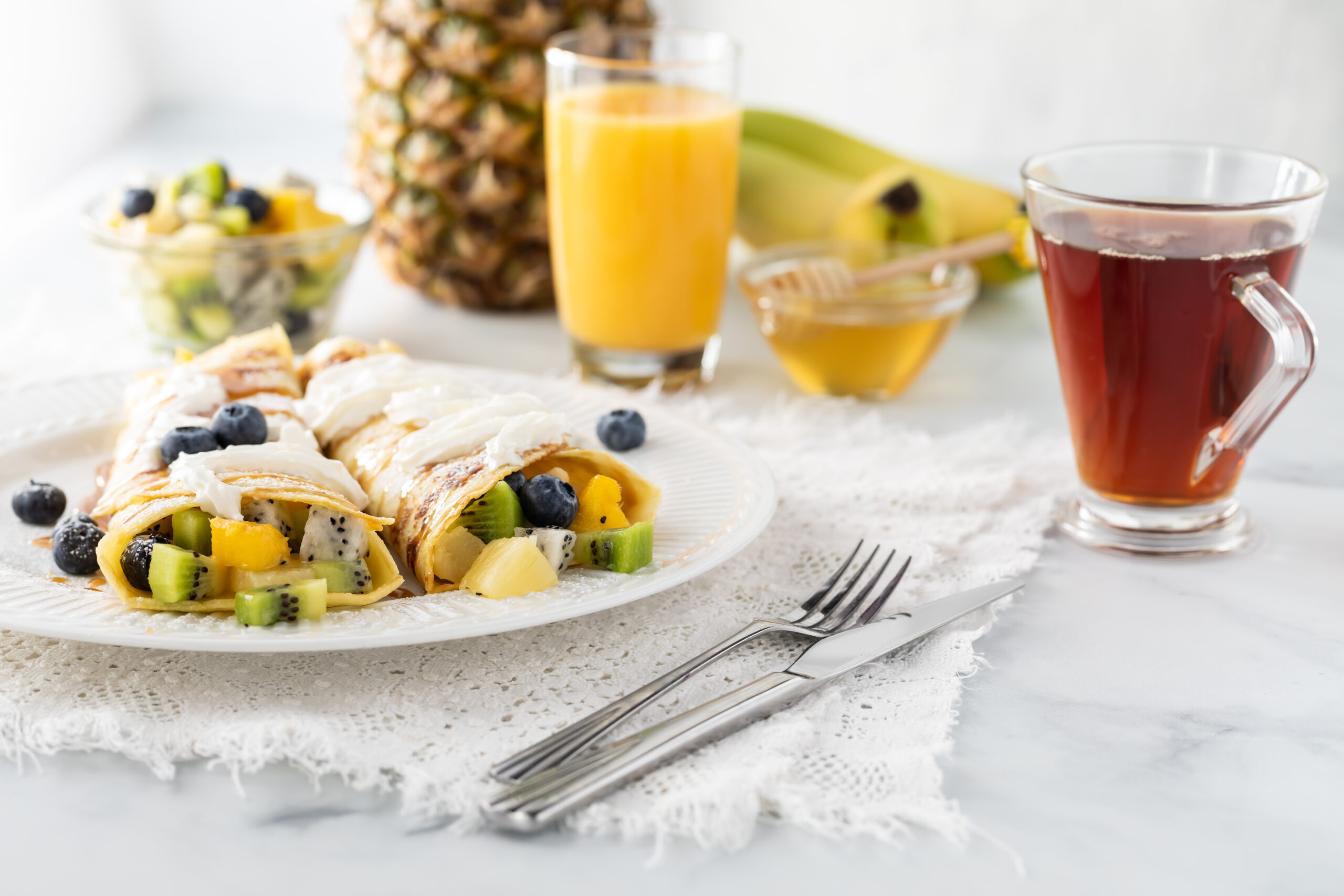
The history of the crepe traces back centuries to the Brittany region of northwestern France, where thin pancakes were historically crafted from buckwheat flour and served as a staple sustenance. Over generations, the culinary creation evolved into a versatile medium adaptable to both savory and sweet ingredients. Traditionally, sweet crepes relied on simple additions such as sugar, lemon, or fruit preserves.
The adaptation of traditional crepes into a fruit-heavy, tropical-focused morning dish reflects a broader contemporary shift in home cooking. Modern nutritionists and culinary developers increasingly emphasize the integration of diverse, antioxidant-rich fruits into everyday meals. By incorporating vitamin-dense items such as kiwi, pineapple, dragon fruit, and berries, this modern iteration bridges traditional European techniques with global fruit consumption trends, appealing directly to health-conscious households.
Methodology and Preparation Framework
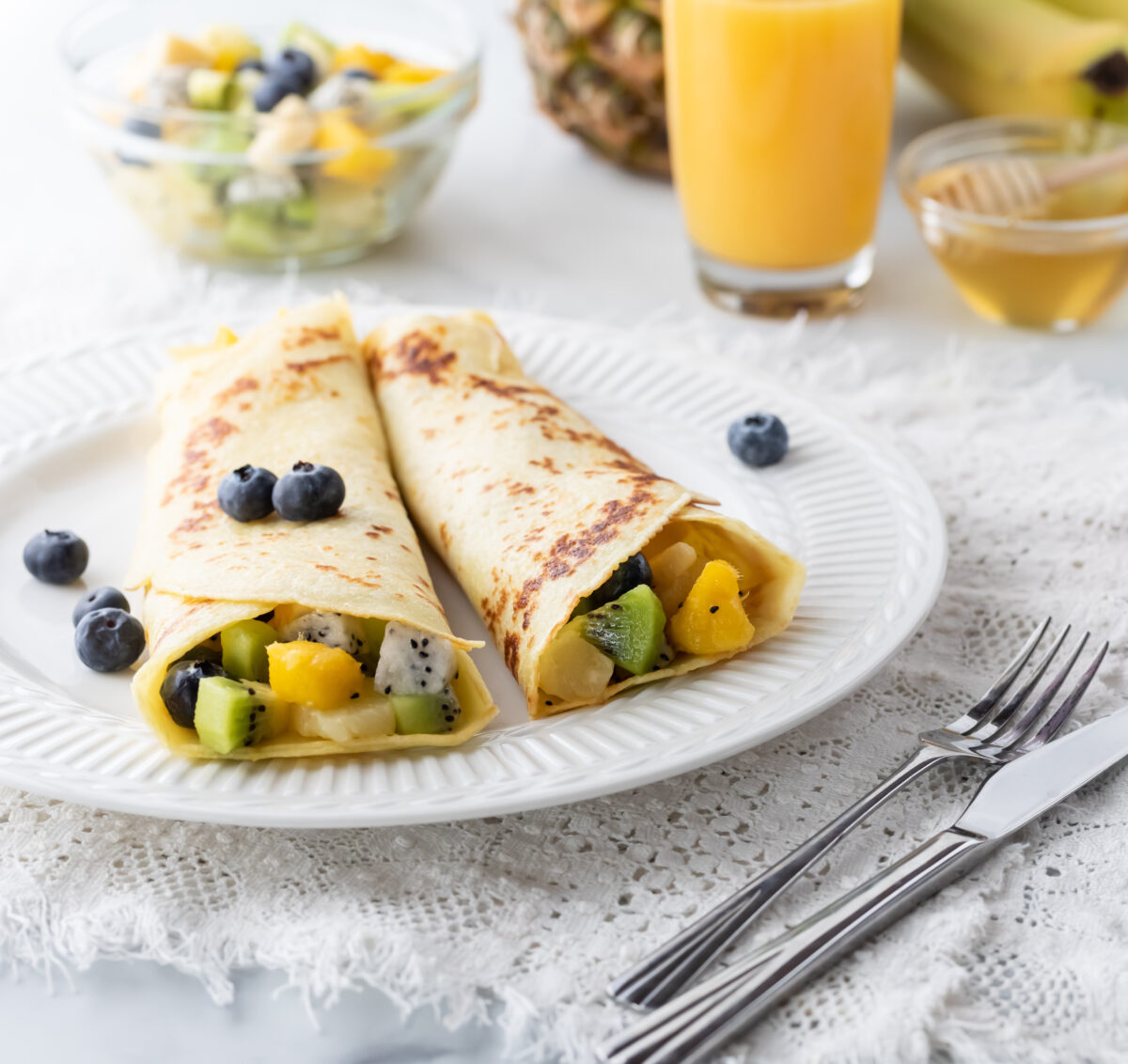
The preparation framework for Tropical Fruit Crepes centers on efficiency and accessibility. Culinary professionals note that utilizing a standard kitchen blender significantly reduces preparation time and eliminates the common issue of clumpy batter. By combining liquid ingredients—such as milk, eggs, a touch of honey, and melted butter—prior to introducing dry components like flour and salt, home cooks achieve a uniform, pourable consistency.
A crucial component of the preparation process involves resting the batter. Food science experts explain that a resting period of 15 to 30 minutes allows the flour particles to fully hydrate. This chemical interaction ensures that the starches absorb the liquid evenly, preventing the finished crepes from turning out rubbery or tough. Furthermore, the absence of leavening agents, such as baking powder or baking soda, distinguishes crepes from American-style pancakes, granting them their signature delicate and flexible texture.
Nutritional Implications and Pediatric Appeal
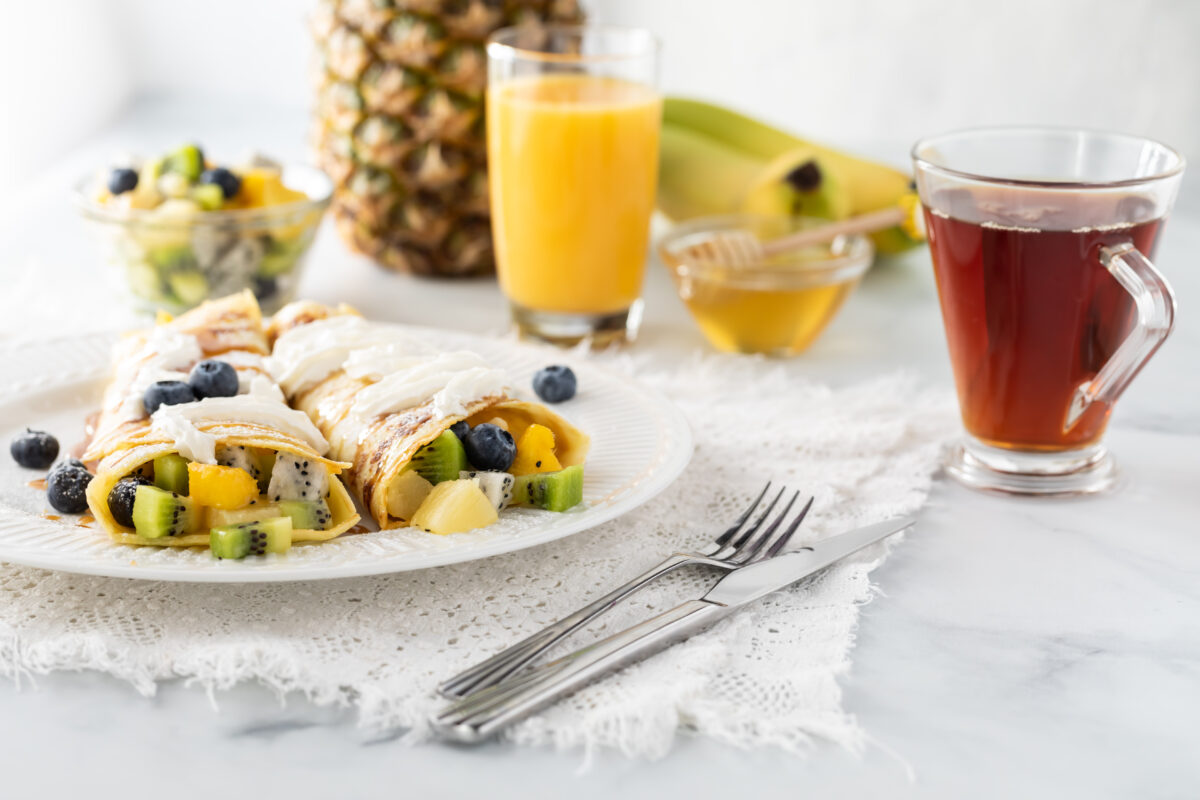
Dietitians and child nutrition advocates have highlighted several functional benefits associated with incorporating fruit-forward recipes into family meal planning. Studies consistently show that presenting food in a colorful, visually engaging format encourages children to consume a wider variety of fresh produce. The inclusion of green kiwi, golden pineapple, pink or white dragon fruit, and deep-blue berries provides a comprehensive spectrum of phytonutrients, dietary fiber, and essential vitamins, including Vitamin C and potassium.
Moreover, the recipe allows for customizable adaptations to accommodate various dietary restrictions. By substituting traditional dairy milk with plant-based alternatives and utilizing coconut oil in place of butter, consumers adhering to dairy-free diets can replicate the texture and flavor profile of the original dish. Similarly, incorporating whole-wheat flour or protein-dense spreads like almond and peanut butter enhances the nutritional density of the meal without sacrificing flavor.
Industry Reactions and Market Trends
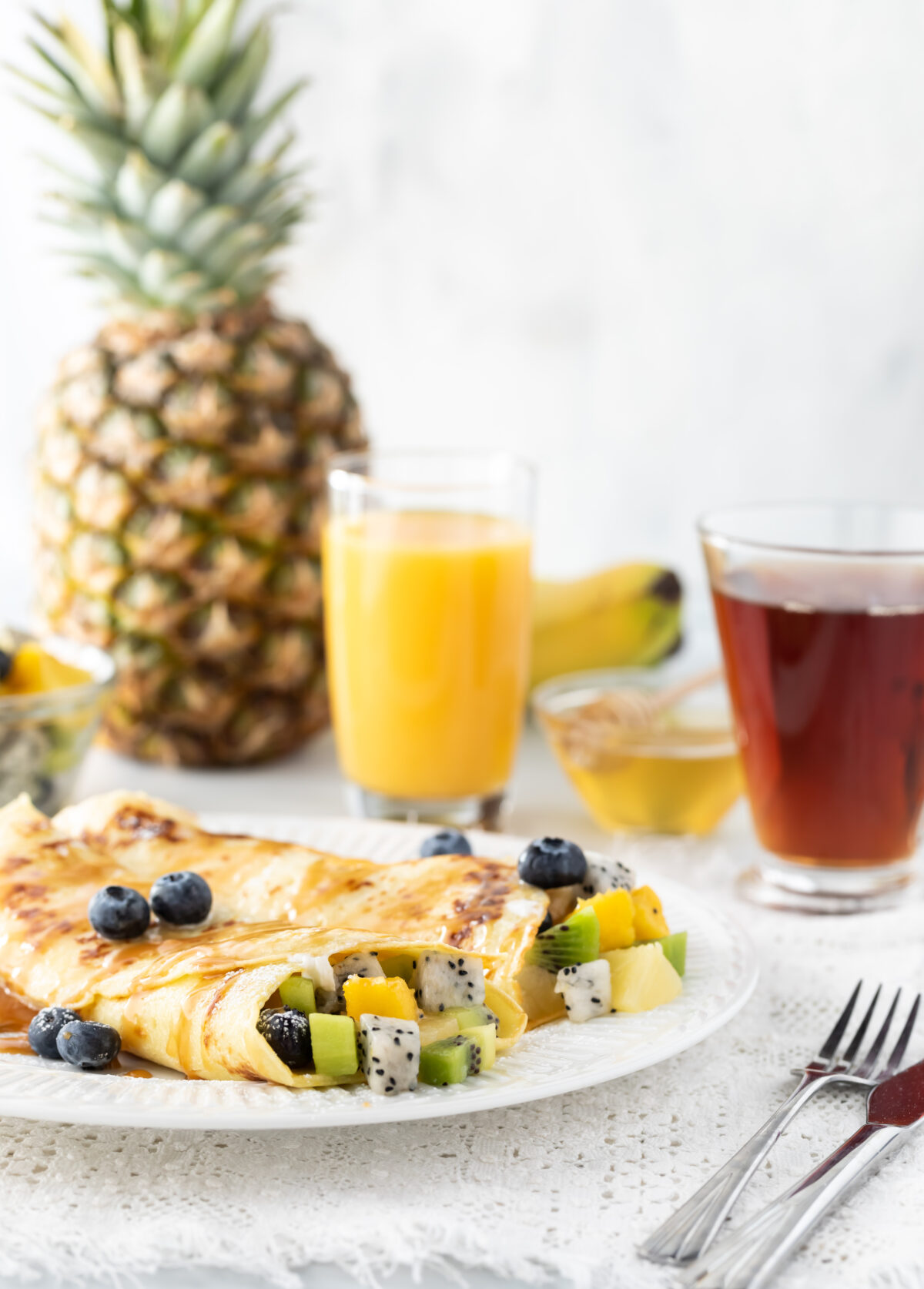
Culinary analysts tracking weekend brunch and family dining trends observe a growing demand for recipes that offer a balance between indulgence and wellness. The rise of blender-based crepe preparation removes the intimidation factor traditionally associated with French pastry techniques, encouraging broader consumer participation in home baking.
Spokespersons for family-focused culinary platforms emphasize that recipes requiring minimal specialized equipment—such as a standard nonstick skillet and a household blender—tend to achieve higher engagement rates among consumers juggling busy weekly schedules. The ability to prepare components in advance, including stacking and refrigerating plain crepes for up to three days, aligns with the modern consumer’s preference for meal-prepping solutions.
Future Outlook and Broader Culinary Impact
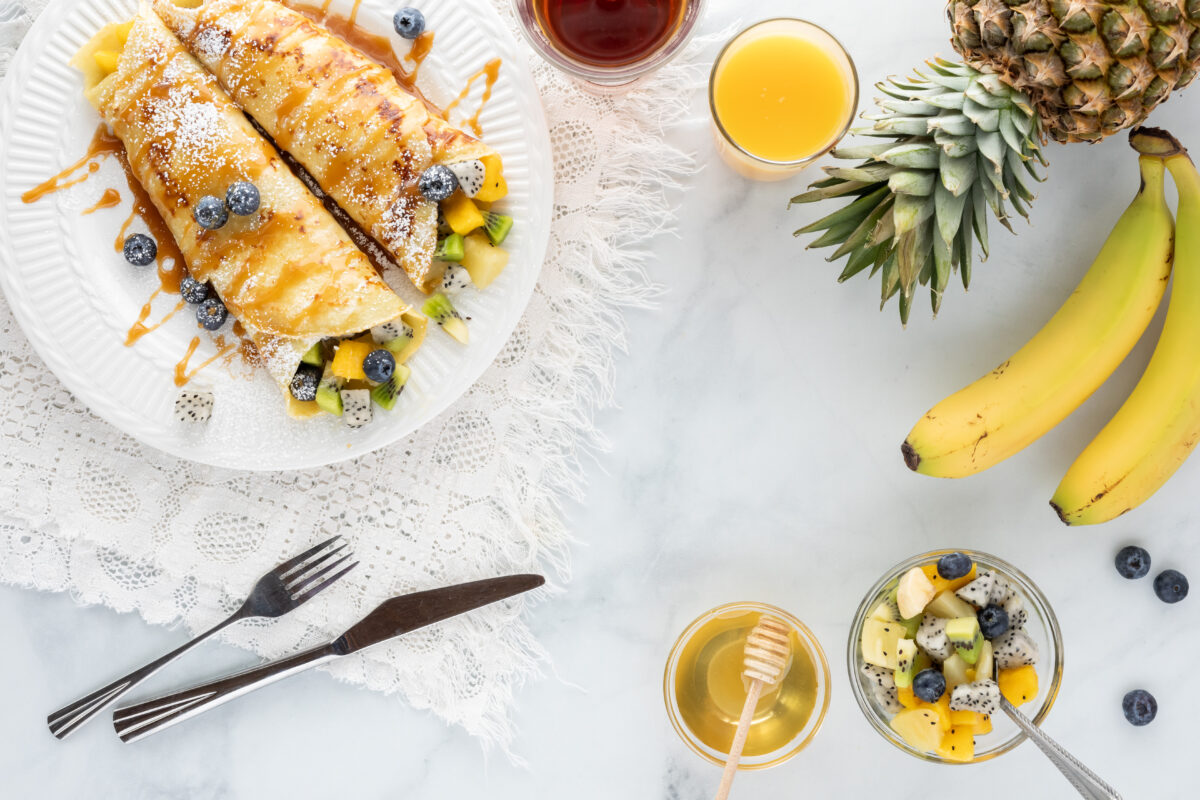
As home cooking continues to be influenced by global flavors and health-conscious paradigms, recipes that successfully merge aesthetic presentation with nutritional substance are expected to remain prominent. The integration of tropical ingredients into foundational European baking techniques demonstrates an ongoing willingness within the culinary community to innovate while respecting culinary heritage.
Industry forecasters suggest that the popularity of accessible, nutrient-dense breakfast items will continue to drive digital engagement and recipe development across culinary media outlets. Future iterations may see expanded focus on locally sourced seasonal variations, ensuring that the foundational technique of crepe-making remains adaptable to diverse agricultural regions and dietary preferences.