The Ultimate One-Pan Chicken Taco Pasta Recipe for Modern Families

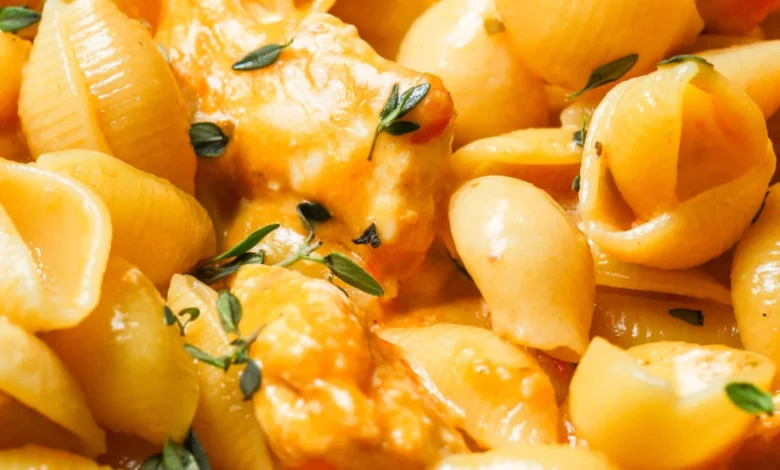
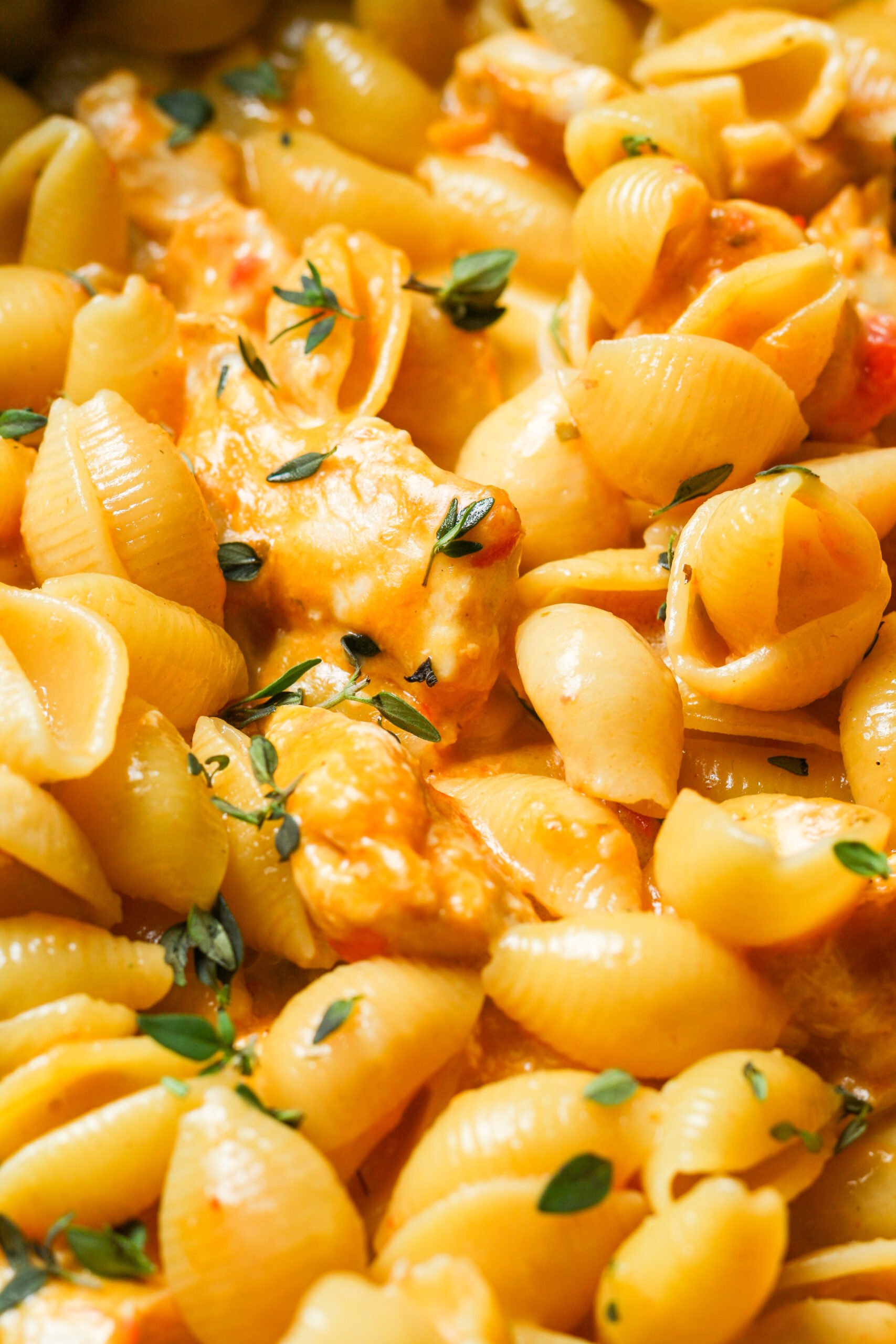
The culinary landscape of the modern American household has undergone a significant shift toward efficiency and nutritional transparency, leading to the rise of the one-pan meal movement. At the forefront of this trend is the emergence of fusion comfort dishes, such as the increasingly popular Chicken Taco Pasta. This dish serves as a pragmatic solution to the demands of contemporary, time-constrained families who prioritize home-cooked meals but require simplified preparation methods that reduce culinary labor and cleanup. By integrating the zesty, high-protein profile of traditional Mexican-inspired taco fillings with the satiating nature of pasta, this recipe offers a balanced, multifaceted dinner option that addresses both dietary preferences and the necessity for streamlined cooking processes.
The Evolution of One-Pan Culinary Methods
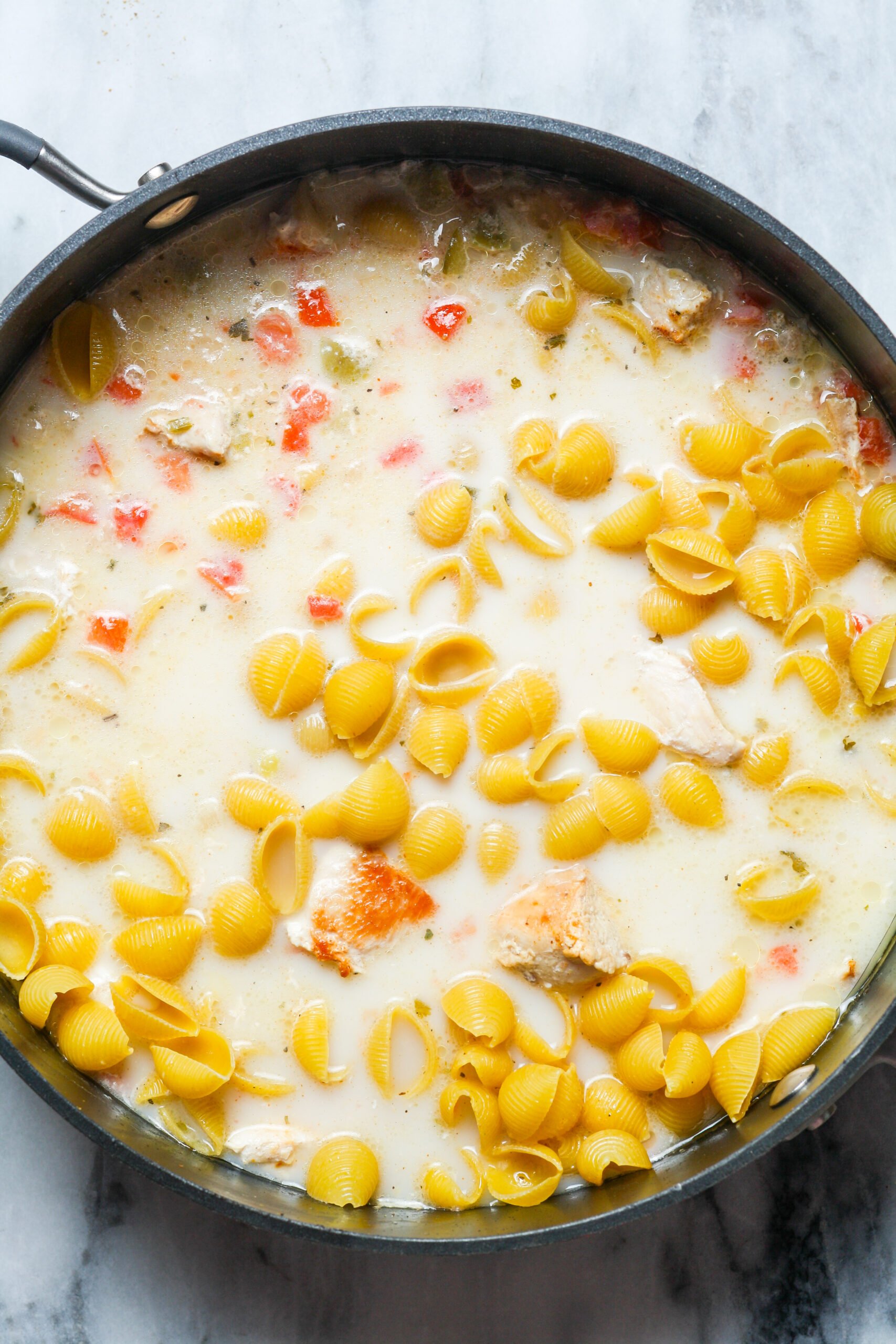
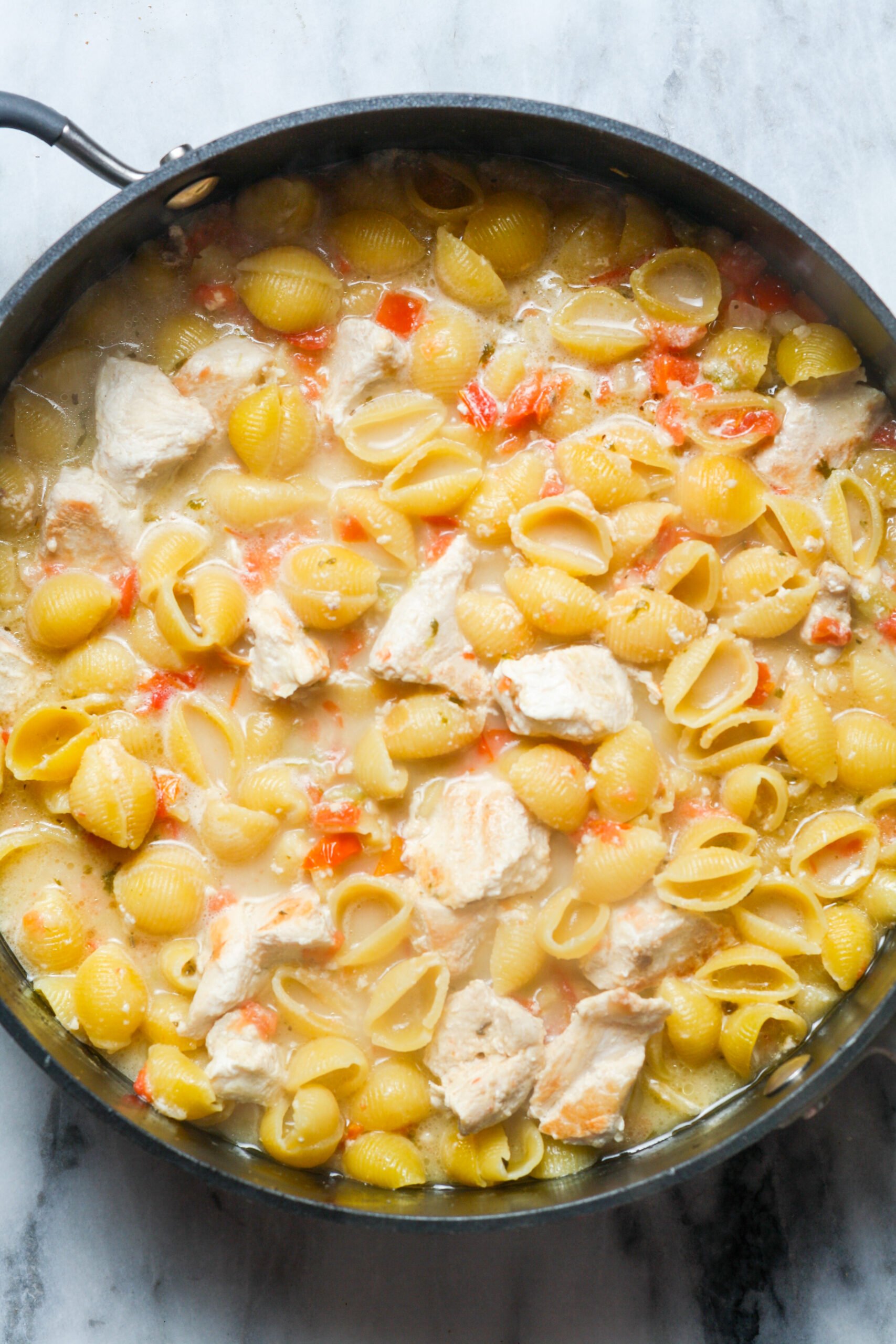
The rise of the "one-pan" cooking methodology is not merely a social media trend but a response to shifting socioeconomic patterns. Data from recent culinary consumer reports indicate that families are increasingly seeking recipes that require 30 minutes or less of active preparation time. The technique relies on the starch released by the pasta as it cooks in a combination of chicken broth and milk, which naturally emulsifies with the added cheese to create a luxurious sauce without the need for traditional roux or heavy cream bases.
This specific preparation method highlights a broader trend in home cooking: the demand for "minimalist" kitchen workflows. By utilizing a single skillet, households reduce water usage, minimize dishwasher reliance, and simplify the post-dinner cleanup process. This efficiency is critical for working parents and busy individuals who aim to maintain a high standard of home nutrition while managing professional and extracurricular commitments.
Nutritional Profiles and Ingredient Sourcing
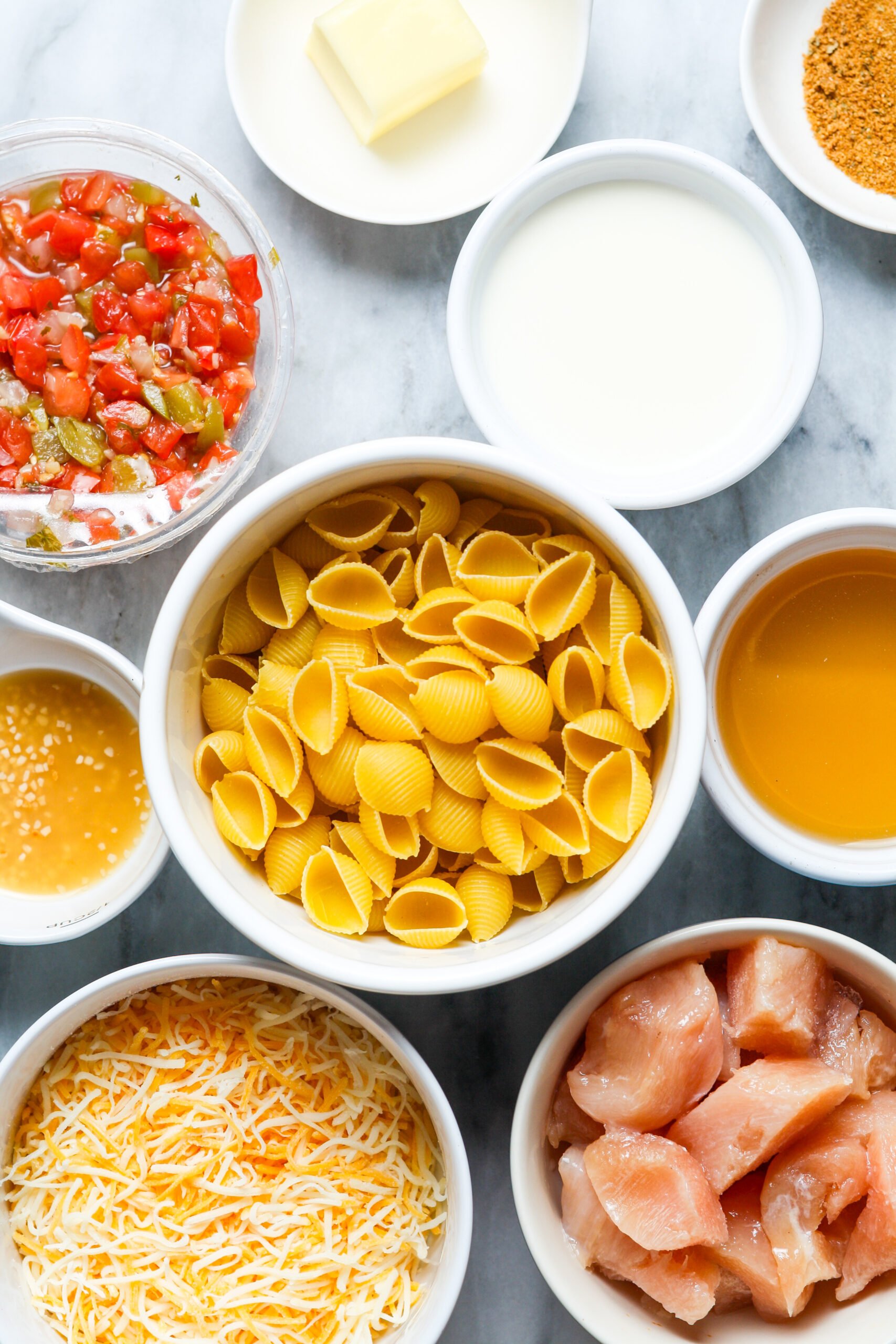
The composition of a standard Chicken Taco Pasta reflects a balance of macronutrients. By utilizing boneless, skinless chicken breast or thighs, the dish provides a high-protein base essential for muscle maintenance and satiety. The inclusion of whole wheat pasta shells—a common recommendation in modern health-conscious kitchens—adds essential fiber, which helps regulate blood glucose levels during digestion compared to refined carbohydrate counterparts.
From a procurement perspective, the dish is highly adaptable. Culinary experts suggest that the "taco" element of the pasta can be customized to suit individual dietary needs. For example, replacing pre-packaged seasoning blends with a combination of cumin, chili powder, paprika, and garlic powder allows for the removal of anti-caking agents and excess sodium often found in store-bought packets. Furthermore, the incorporation of fresh aromatics—such as minced garlic and onions—provides secondary health benefits, including anti-inflammatory properties, while enhancing the flavor profile of the dish without significantly increasing caloric density.
Chronological Preparation Workflow
The preparation of this meal follows a precise, sequential logic designed to maximize flavor development:
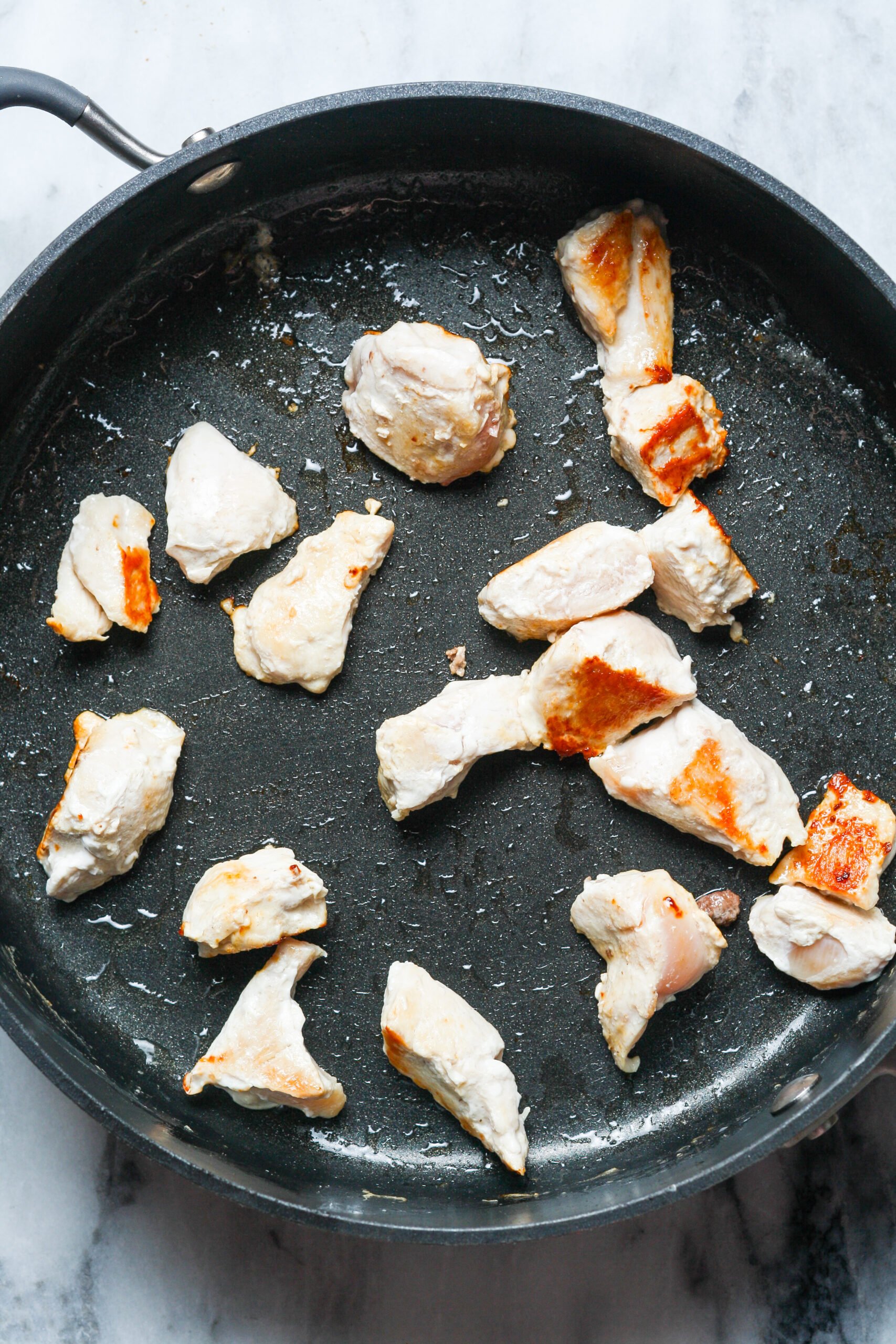
- Protein Searing: The process begins by cubing chicken into uniform one-inch pieces to ensure consistent heat distribution. Searing these in butter or high-smoke-point oil creates a Maillard reaction, which is fundamental to achieving a savory depth of flavor.
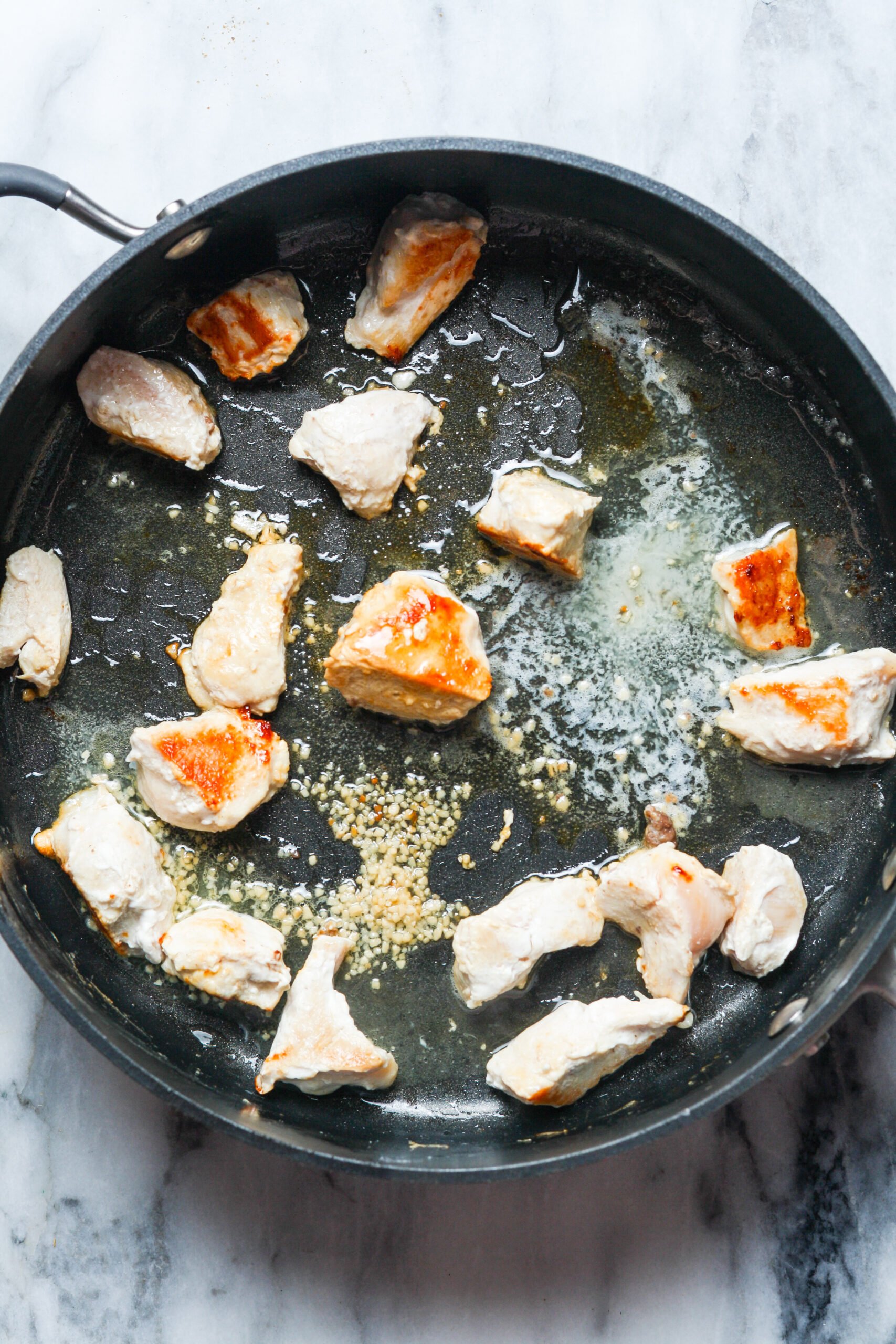
- Aromatic Infusion: Following the protein, the introduction of garlic and select spices occurs. This stage is crucial, as the heat releases the essential oils from the garlic, forming the flavor foundation of the sauce.
- Liquid Integration: The addition of chicken broth and dairy creates the poaching environment for the pasta. This is the most critical juncture; the ratio of liquid to pasta must be carefully managed to ensure the shells reach an "al dente" texture while the sauce reaches the desired viscosity.
- Emulsification: The final step involves the incorporation of shredded cheese. Stirring the cheese into the reduced liquid at low heat prevents the fat from separating, ensuring a smooth, cohesive consistency that coats the pasta evenly.
Strategic Implications for Home Meal Planning
The adoption of such recipes has measurable implications for household economics and food waste. When families plan their weekly menus around versatile ingredients like chicken, canned tomatoes, and pasta, they often see a reduction in grocery costs. By utilizing staples that have long shelf lives—such as broth and dry pasta—households can minimize food waste, a significant issue in modern domestic management.
Furthermore, the "one-pan" concept aligns with the goals of sustainable living. Cooking in a single vessel reduces energy consumption, as only one burner is utilized for the duration of the cooking time, as opposed to boiling water in a separate pot and using a second pan for protein preparation.
Expert Perspectives on Culinary Versatility
Nutritionists and culinary consultants often highlight the importance of "modular" recipes. The Chicken Taco Pasta is widely regarded as a successful example of this. Because the base is relatively neutral in its acidity and spice levels, it is highly receptive to modifications. For instance, the inclusion of black beans or corn not only adds texture but increases the intake of plant-based proteins and essential micronutrients. Similarly, the use of diverse cheese blends—ranging from sharp cheddar to Monterey Jack—allows the cook to adjust the intensity of the flavor profile based on the preferences of those dining.
The dish also serves as an excellent entry point for novice cooks. Because the ingredient list is straightforward and the technique is forgiving, it provides a high success rate for those who are just beginning to navigate the culinary arts. The ability to produce a meal that tastes complex but requires only basic technical skills is a hallmark of successful modern recipes.
Addressing Common Culinary Queries
In the interest of transparency and home-cooking success, several technical questions frequently arise regarding this dish:
- Gluten Considerations: While traditional pasta is wheat-based, the recipe is easily adapted for those with gluten sensitivities by substituting with brown rice or lentil-based pasta shells. These alternatives have become more widely available and offer comparable structural integrity in one-pan applications.
- Slow Cooker Adaptability: For those who prefer a "hands-off" approach, the recipe can be transitioned to a slow cooker. The key, according to food scientists, is to manage the moisture levels, as the slow cooker does not allow for evaporation in the same way a skillet does. By slightly reducing the amount of broth, the creamy, thick consistency can be successfully replicated over a longer, lower-temperature cook cycle.
- Storage and Reheating: The dish is designed for immediate service, but it remains a viable option for "meal prep." When stored in airtight containers, the pasta remains stable for up to four days. Reheating is most successful when a small amount of liquid—either milk or broth—is added to the container, as the starch in the pasta will continue to absorb liquid while refrigerated.
The Broader Impact on Domestic Life
The enduring popularity of dishes like Chicken Taco Pasta signals a shift in how families define "quality" time. The convenience of a 20-minute meal preparation process allows families to spend more time engaging with one another at the dinner table rather than performing tasks in the kitchen. In an era where digital distractions and professional demands are at an all-time high, the return to simple, nutritious, and comforting home-cooked meals is a significant development in maintaining the social fabric of the family unit.
As culinary trends continue to favor sustainability, efficiency, and health, the one-pan Chicken Taco Pasta stands as a testament to the fact that convenience does not have to come at the expense of flavor or nutritional value. By combining traditional cooking techniques with modern, efficient workflows, home cooks can achieve a level of culinary satisfaction that was once reserved for much more complex and time-consuming preparations. This evolution in the kitchen is not just about food; it is about reclaiming time and resources to better serve the needs of the modern household.