A Vibrant Twist on a Classic: The Rise of the Chickpea Caprese Salad in Modern Meal Planning

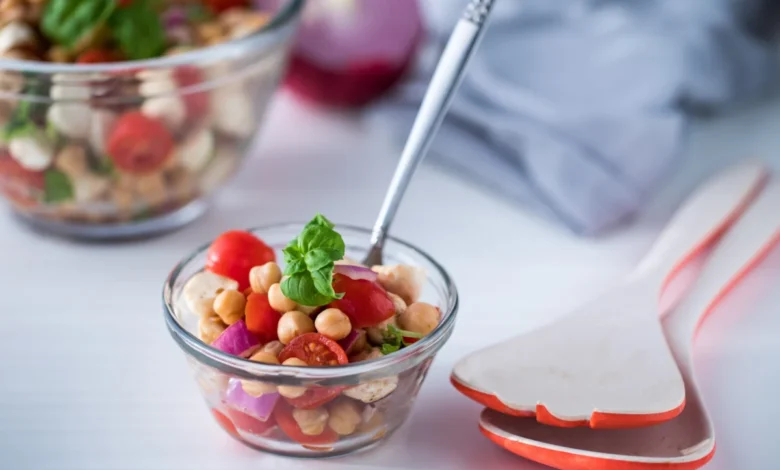
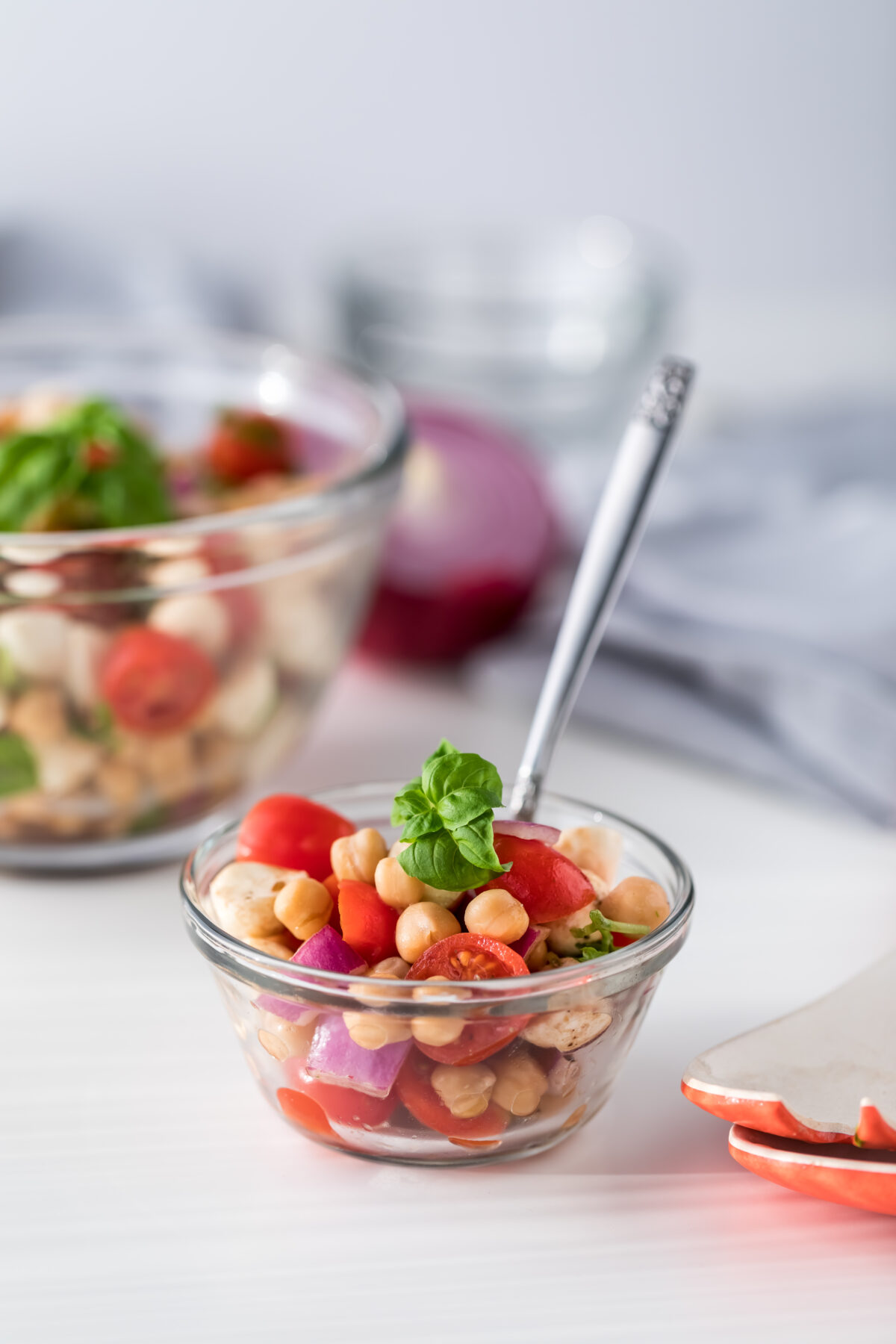
The culinary landscape has witnessed a significant shift over the past decade toward meals that seamlessly blend convenience, nutritional density, and traditional flavor profiles. Among the latest iterations capturing the attention of home cooks, nutritionists, and meal-prep enthusiasts is the Chickpea Caprese Salad. Fusing the rustic elegance of the traditional Italian Caprese—originating from the island of Capri and traditionally featuring simple layers of sliced fresh mozzarella, tomatoes, and basil—with the hearty, protein-rich profile of the garbanzo bean, this dish represents a broader modern movement: the elevation of pantry staples into gourmet, health-conscious dining.
Culinary Background and the Evolution of the Caprese
The classic Caprese salad has long stood as a pillar of Mediterranean cuisine, celebrated for its reliance on peak-season ingredients. Historically, the dish was designed to showcase the vibrant colors of the Italian flag through red tomatoes, white mozzarella, and green basil. However, while visually stunning and exceptionally flavorful, a traditional Caprese often lacks the macronutrient balance required to serve as a standalone meal.
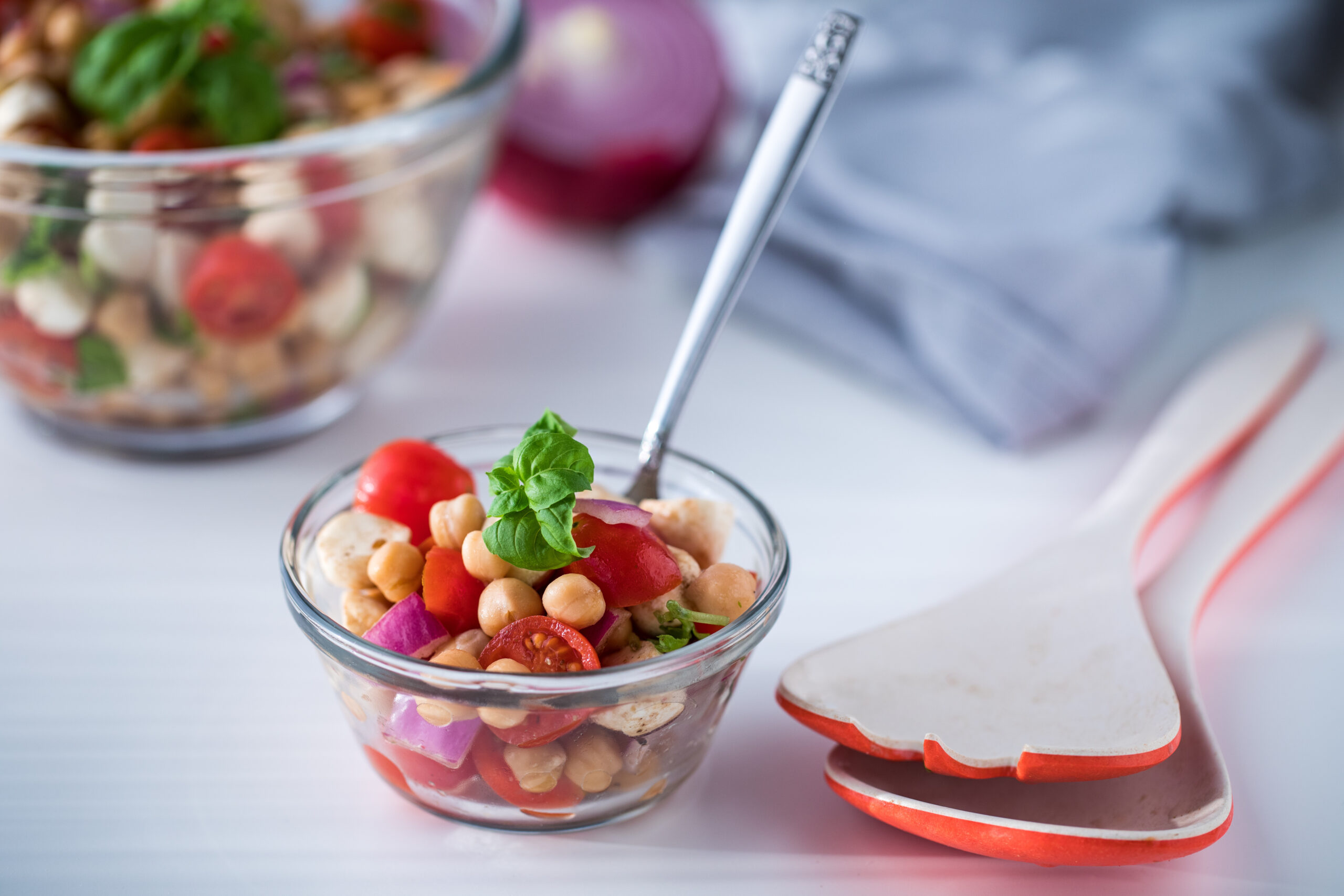
Enter the chickpea, scientifically known as Cicer arietinum. Cultivated for millennia in the Middle East and the Mediterranean, chickpeas have steadily grown in popularity across Western markets due to their exceptional nutritional profile. By incorporating these legumes into the traditional mozzarella-and-tomato framework, culinary developers and home cooks have successfully transformed a delicate appetizer into a substantial, fiber-rich side dish or light lunch. This evolution aligns with consumer trends favoring plant-based proteins, gluten-free dining options, and zero-cook meal preparation during warmer months.
Nutritional Profile and Dietary Implications
From a nutritional standpoint, the integration of chickpeas into a Caprese salad introduces a powerful matrix of plant-based protein, complex carbohydrates, and dietary fiber. While standard mozzarella and tomatoes offer calcium, healthy fats, and antioxidants such as lycopene, they fall short on satiety-inducing fiber.
Dietitians and culinary analysts point out that a standard 15-ounce can of rinsed chickpeas delivers approximately 12 grams of protein and 10 grams of dietary fiber. When combined with the healthy monounsaturated fats found in extra-virgin olive oil, the dish achieves a balanced macronutrient distribution that helps stabilize blood sugar levels while maintaining the refreshing, light profile expected of a summer salad. Furthermore, because the recipe requires no thermal cooking, the heat-sensitive vitamins present in fresh basil and raw tomatoes—such as Vitamin C and various polyphenols—remain entirely intact.
The Mechanics of Preparation: Ingredients and Best Practices
Achieving optimal results with a Chickpea Caprese Salad relies heavily on the quality of its minimal components. Because the ingredient list is short, culinary experts emphasize that each element must be selected with care.
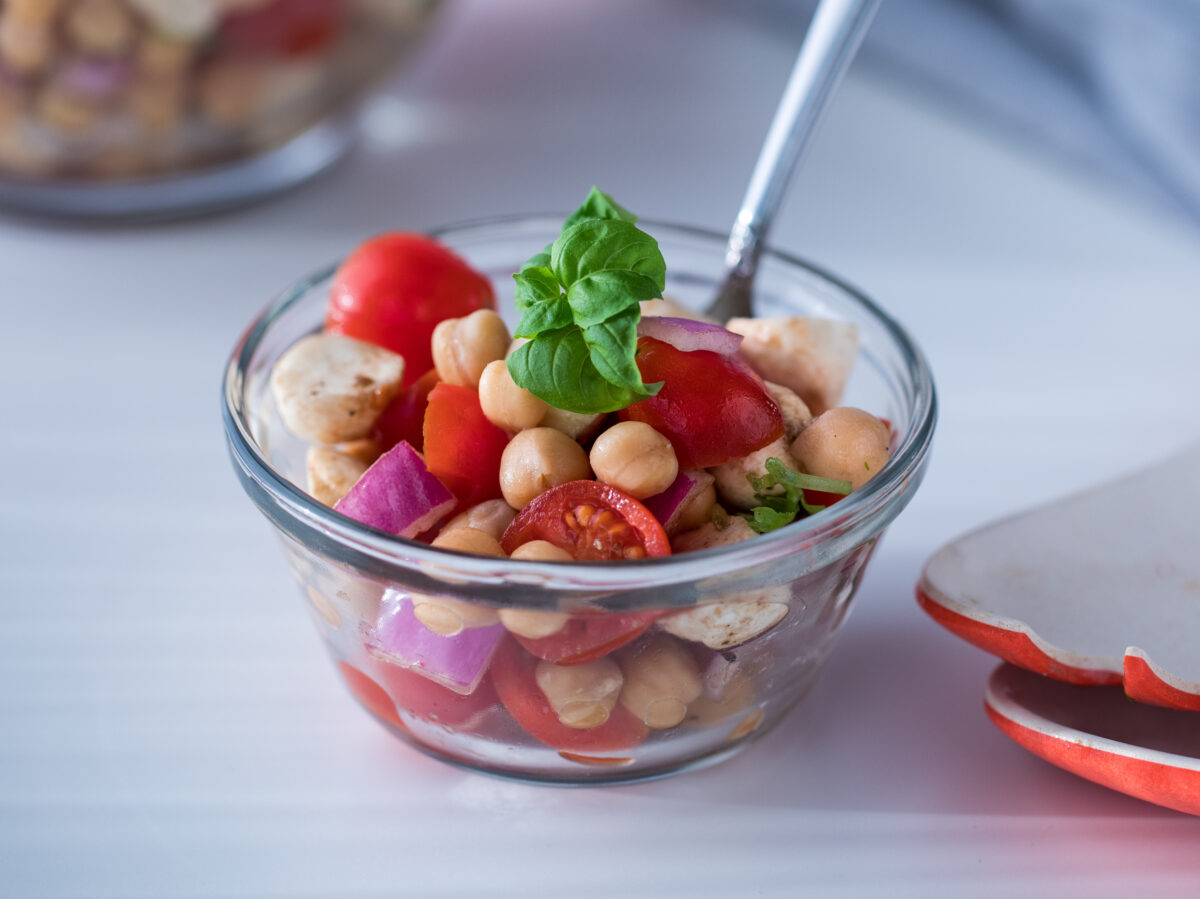
- The Chickpeas: Whether utilizing canned varieties or rehydrating dried legumes, proper preparation is essential. Canned chickpeas must be thoroughly rinsed under cool water to eliminate excess sodium and the starchy canning liquid, which can otherwise muddy the clean flavors of the vinegar and oil.
- The Tomatoes: Sweet, bite-sized varieties such as cherry or grape tomatoes are widely recommended by culinary professionals. Their high sugar-to-acid ratio and structural integrity make them superior to larger slicing tomatoes, which tend to release an excess of watery juice that can dilute the dressing.
- The Mozzarella: Fresh mozzarella, particularly in the form of pearls or ciliegine, provides the authentic dairy richness characteristic of a Caprese. Low-moisture or shredded alternatives are generally discouraged due to their rubbery texture and lack of milky creaminess.
- The Herb and Dressing: Fresh basil should be incorporated at the very last moment to prevent oxidation and darkening. Paired with high-grade extra-virgin olive oil and traditional balsamic vinegar or glaze, the dressing acts as a subtle binding agent rather than an overpowering marinade.
Customization and Modern Culinary Adaptations
The versatility of the Chickpea Caprese Salad has driven its widespread adoption across various dietary frameworks. Culinary flexibility is one of the primary drivers behind its popularity on food blogs, potluck tables, and weekly meal-prep schedules.
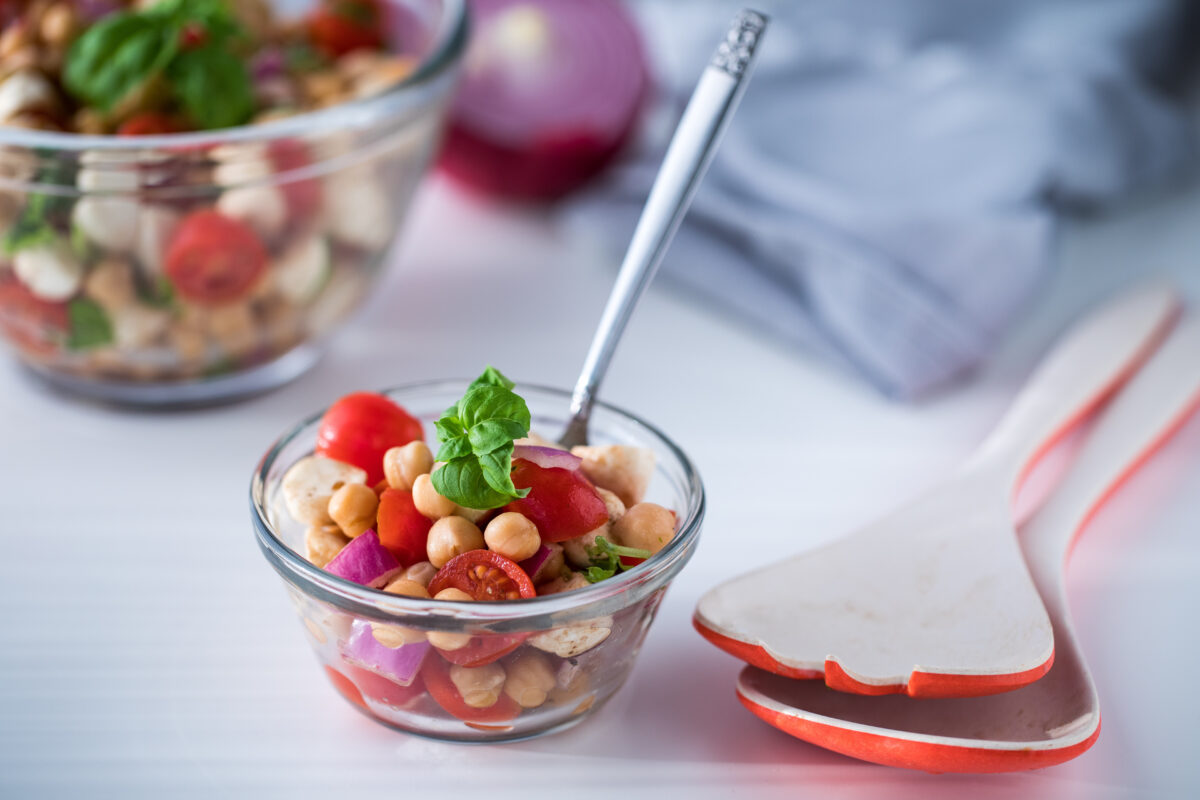
For individuals seeking additional macronutrients, common modifications include the folding of diced avocados for healthy plant fats, the inclusion of peppery arugula or baby spinach for micronutrient expansion, or the addition of grilled chicken and tuna for enhanced animal protein. Plant-based and vegan iterations readily substitute traditional dairy mozzarella with nut-based or soy-based cheese alternatives, ensuring the dish remains inclusive for diverse dietary restrictions. Furthermore, incorporating grains such as quinoa or cooked short-form pasta easily transitions the recipe from a light salad into a comprehensive, carbohydrate-forward grain bowl.
Meal Prep Logistics and Storage Guidelines
In the realm of modern domestic management, meal-prep efficiency is a critical metric for success. The Chickpea Caprese Salad scores exceptionally high in this category, though certain logistical constraints must be observed to maintain food quality.
Food safety and quality analysts note that while the core mixture of chickpeas, tomatoes, and mozzarella can safely marinate in an airtight container for up to three days in refrigeration, structural degradation will occur over time. Tomatoes naturally begin to break down and release moisture, while fresh basil wilts and darkens when exposed to acidic vinegars and prolonged refrigeration. Consequently, the prevailing recommendation for meal-prep enthusiasts is to store the dressing and delicate herbs separately, combining all components just minutes before consumption to preserve texture, color, and structural integrity.
Broader Economic and Market Trends
The surge in recipes featuring chickpeas and reimagined classic salads is indicative of broader shifts in consumer purchasing behavior. With global supply chain fluctuations and rising grocery costs, consumers are increasingly seeking out shelf-stable, budget-friendly protein sources that can be paired with fresh, perishable produce. Chickpeas remain one of the most economically accessible and environmentally sustainable crops, boasting a low carbon footprint and minimal water requirements relative to animal-based proteins.
As food media continues to prioritize quick, nutrient-dense, and aesthetically appealing dishes, variations like the Chickpea Caprese Salad underscore a permanent shift in how households approach everyday cooking. By marrying heritage flavors with modern nutritional demands, this simple bowl of tomatoes, cheese, and legumes exemplifies the future of accessible, health-conscious gastronomy.