Nutrient-Rich Quinoa Bites Offer Wholesome Finger Food for Young Children

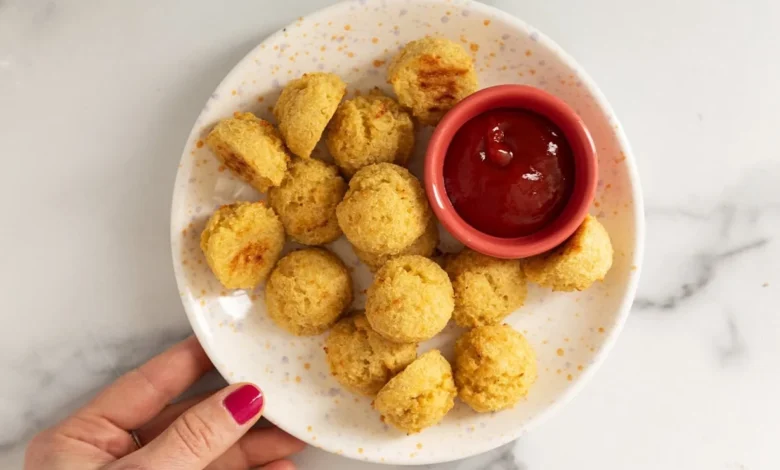
A new culinary offering, Quinoa Bites, is emerging as a popular and nutritious finger food option for children, combining the wholesome goodness of quinoa and cauliflower into easily manageable portions. These bites are lauded for their rich profile of protein, fiber, and iron, and importantly, their excellent storage capabilities, making them a convenient choice for busy households. The appeal of these bites extends beyond their nutritional value, as they are designed to be a versatile food item, suitable for a range of occasions from baby-led weaning to toddler snacks and even as a vegetarian main course.
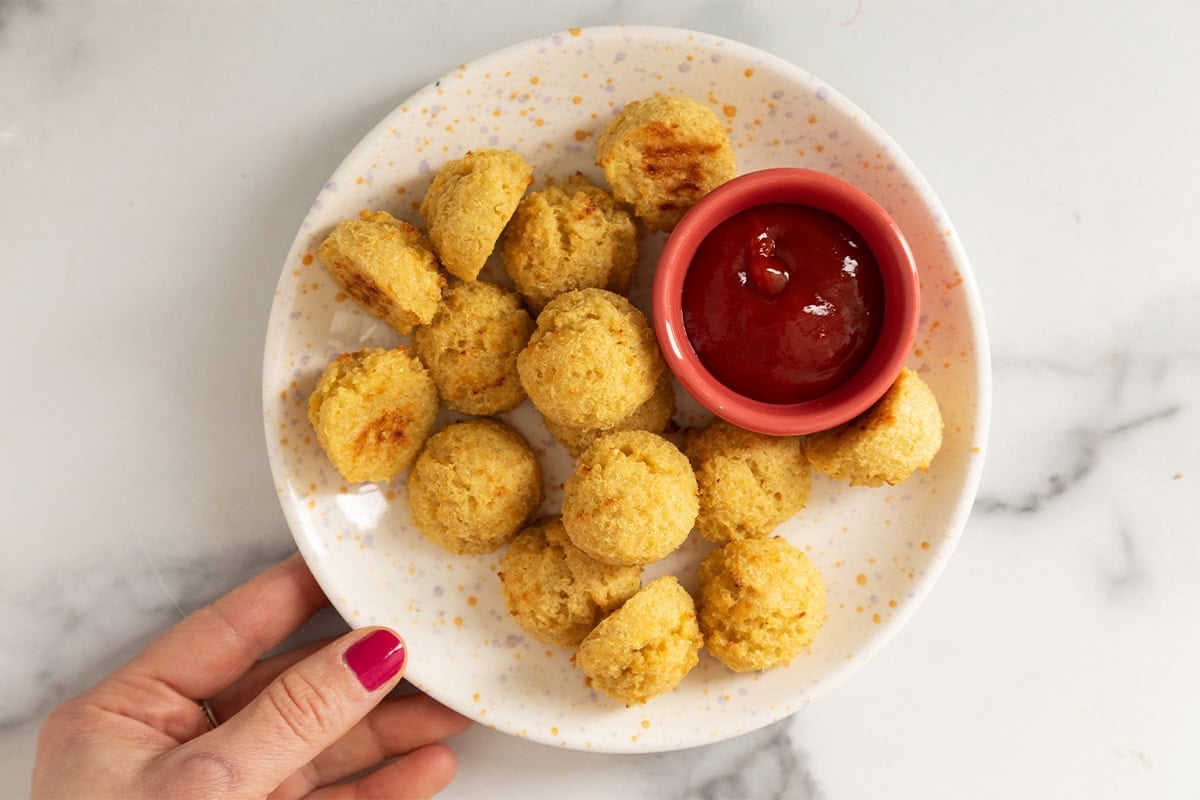
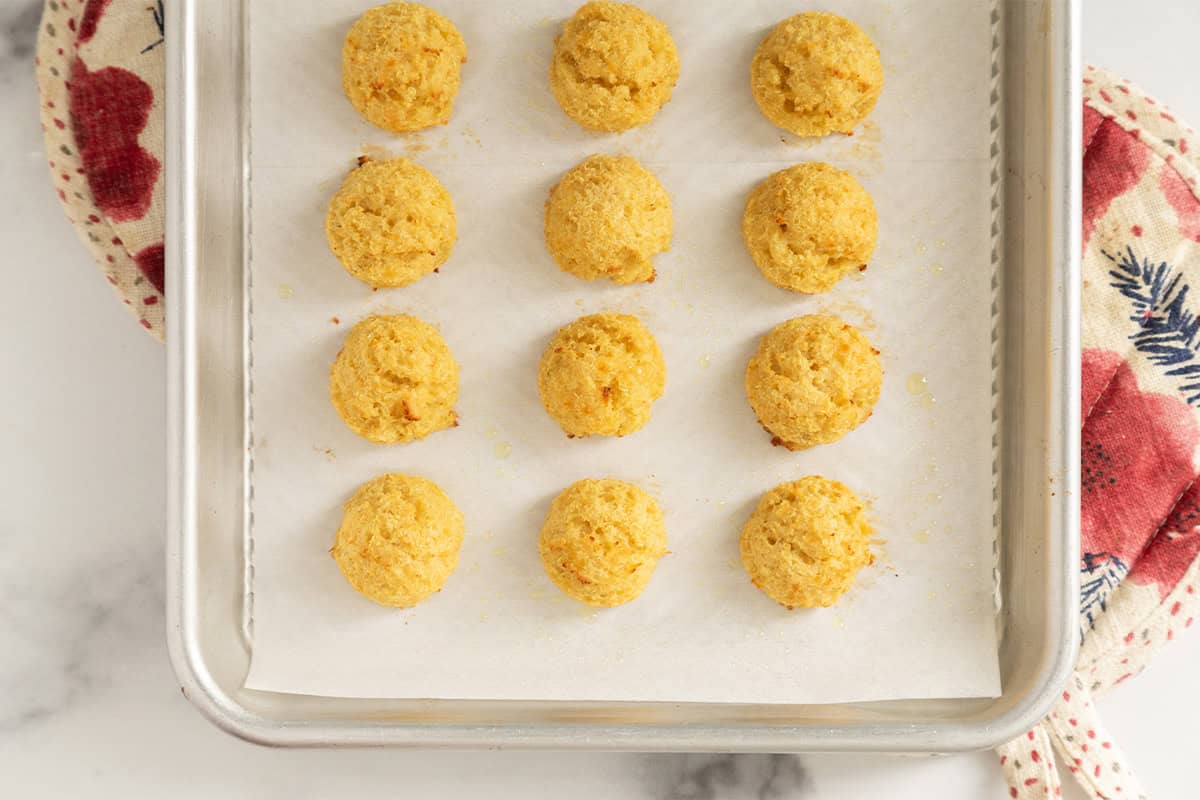
The development of Quinoa Bites addresses a growing demand for healthy, homemade alternatives to commercially processed toddler foods. While quinoa itself is recognized for its nutritional density, its flavor can sometimes be a hurdle for younger palates. However, the creators of this recipe have focused on a flavor combination that effectively masks the sometimes-assertive taste of quinoa, presenting it in a "savory little veggie bite with subtle Italian flavors." This nuanced flavor profile, coupled with their appealing texture – slightly crisp on the outside and tender within – makes them a hit with children.
The concept behind Quinoa Bites is rooted in the success of similar vegetable-based finger foods, such as Broccoli Bites and Cauliflower Tots. This latest iteration builds upon these popular recipes, leveraging the complete protein and essential amino acid profile of quinoa. Quinoa, originating from the Andes region of South America, has gained global recognition for its status as a pseudo-cereal, offering a high concentration of fiber, which aids digestion and promotes satiety. Its iron content is also a significant benefit, crucial for cognitive development and energy levels in children.
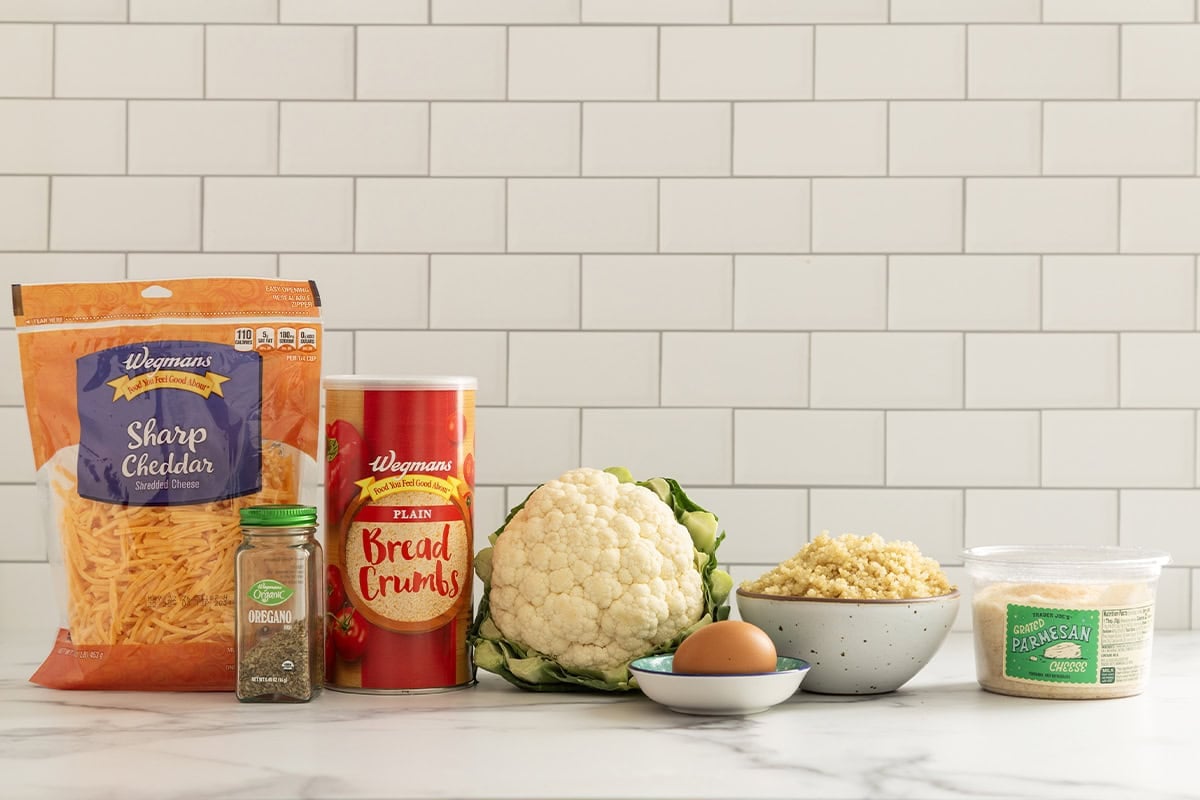
Nutritional Powerhouse for Growing Bodies
The nutritional advantages of Quinoa Bites are a primary driver of their appeal. A typical serving of four bites, according to available nutritional data, provides approximately 253 calories, 34 grams of carbohydrates, 12 grams of protein, and 8 grams of fat. The dietary fiber content stands at a notable 4 grams, contributing to digestive health. Furthermore, these bites offer essential micronutrients, including 191 IU of Vitamin A, 12mg of Vitamin C, 130mg of Calcium, and 3mg of Iron per serving. The presence of cheese, often included in the recipe, further enhances the calcium and protein content.
The recipe’s emphasis on whole ingredients is a significant factor in its favor. Cauliflower, a cruciferous vegetable, is packed with vitamins C and K, along with various antioxidants. When combined with quinoa, these ingredients create a synergistic nutritional profile that supports overall child development. The protein from both quinoa and cheese aids in muscle development and repair, while the fiber from quinoa and cauliflower helps regulate blood sugar levels and promotes a healthy gut microbiome. The iron content is particularly important for infants and toddlers, as iron deficiency is a common concern during these formative years, impacting cognitive function and physical growth.
Versatility in Application and Consumption
Quinoa Bites are designed for maximum versatility, catering to diverse feeding needs and mealtime structures. They are presented as an ideal finger food for baby-led weaning, allowing infants to self-feed and develop motor skills. For toddlers, they serve as a healthy snack option, a convenient addition to lunchboxes, or a substantial component of a balanced dinner. Their suitability as a vegetarian main dish also makes them a valuable option for families seeking plant-based meal solutions.
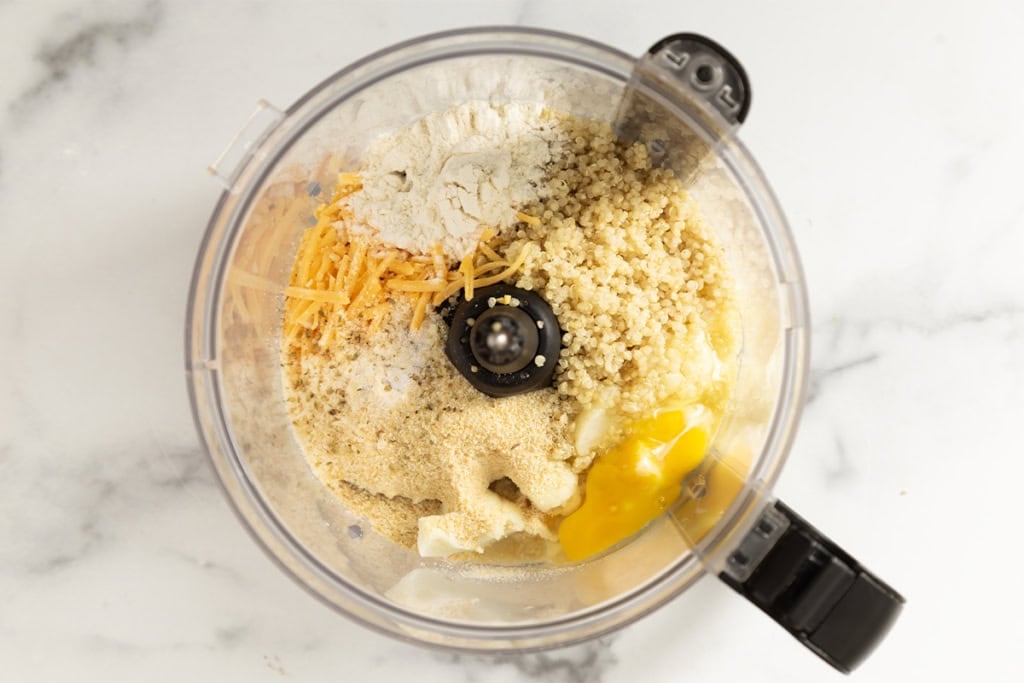
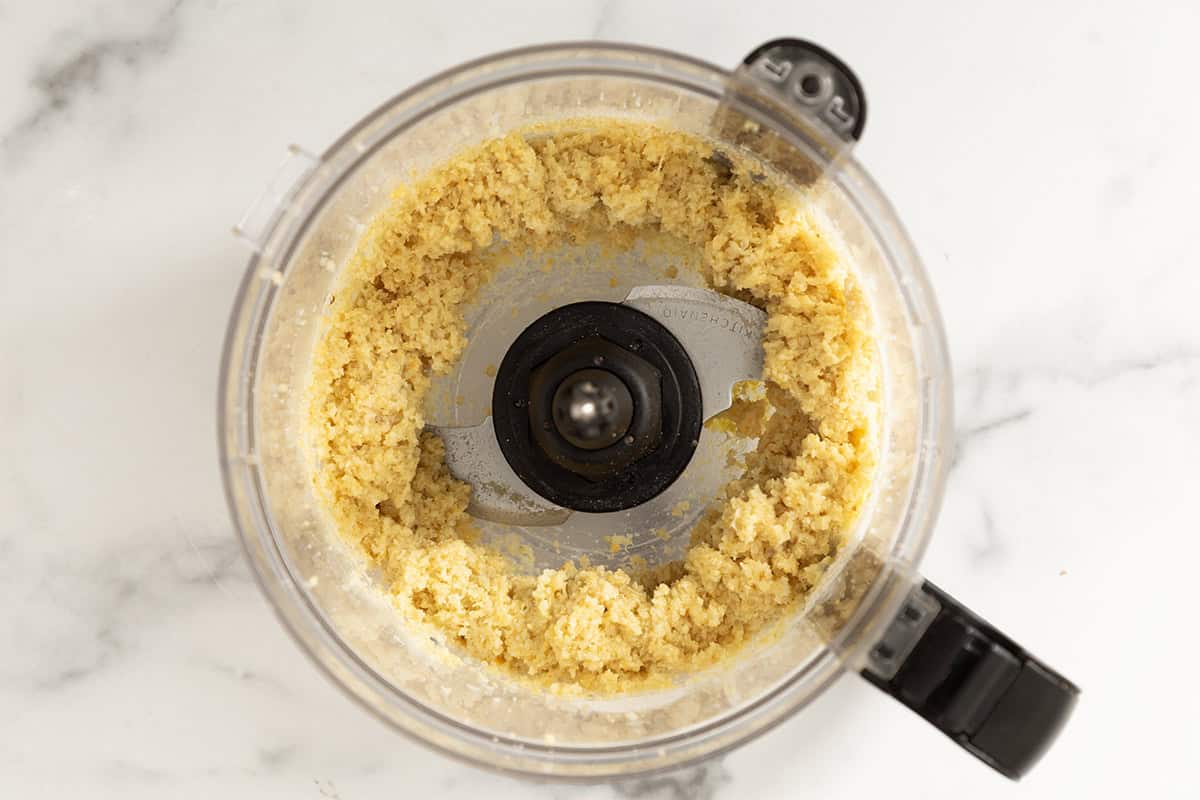
The ease of preparation and storage further enhances their practicality. The batter, made by processing cauliflower, quinoa, and other ingredients, is portioned and baked, resulting in bites that can be made ahead of time. They store well in the refrigerator for up to a week and can be frozen for up to six months, providing a ready supply of nutritious food. Reheating is also a swift process, with an air fryer or toaster oven recommended to restore their crisp exterior, typically within 3-4 minutes. This convenience factor is a significant draw for parents and caregivers managing demanding schedules.
Addressing Market Gaps and Parental Concerns
The emergence of Quinoa Bites also reflects a broader trend in the food industry: the growing consumer desire for healthier, transparently sourced, and minimally processed foods, particularly for children. Many commercially available toddler snacks and frozen meals are criticized for their high sodium content, added sugars, and artificial ingredients. Quinoa Bites offer a compelling alternative, providing a homemade solution that bypasses these concerns. They are presented as an "inexpensive alternative to the pricey veggie tots marketed to toddlers in the freezer aisle," democratizing access to nutritious food options.
The recipe’s adaptability is also a key feature. For families managing dietary restrictions, modifications are straightforward. The inclusion of dairy-free cheese or nutritional yeast can render the bites dairy-free, while omitting cheese altogether is also an option, though it may slightly alter the flavor and texture. The use of frozen cauliflower is noted as a viable alternative to fresh, often simplifying preparation and potentially reducing cooking time.
A Glimpse into the Culinary Process
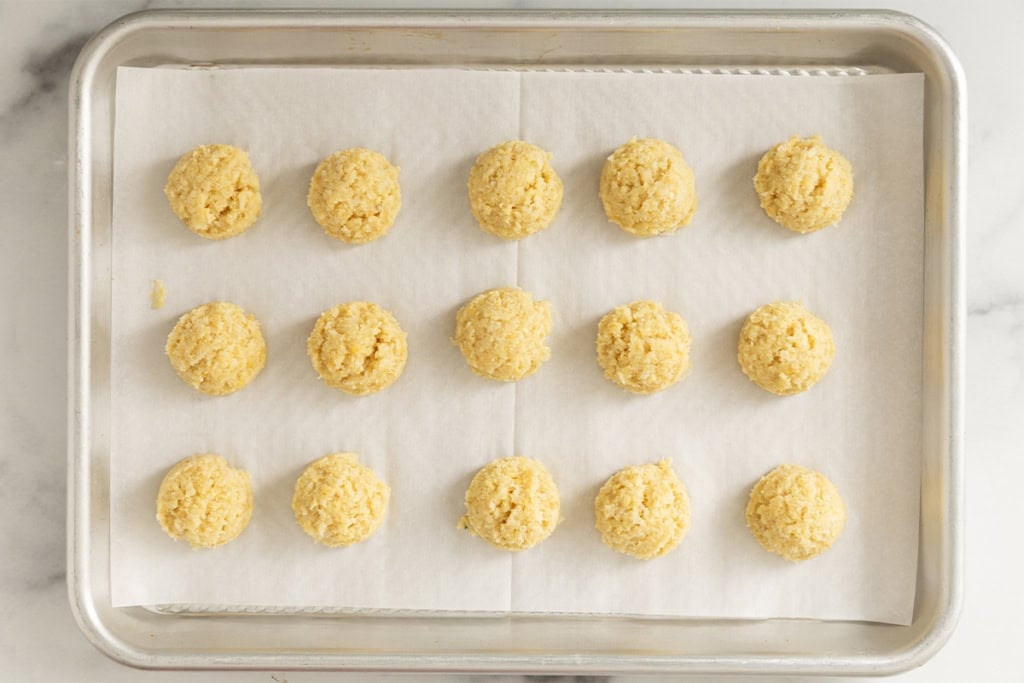
The creation of Quinoa Bites involves a straightforward process, typically beginning with cooked quinoa and steamed cauliflower. These core ingredients are then combined in a food processor with other flavor enhancers, which may include cheese, herbs, and spices. The mixture is pulsed until it forms a cohesive batter, indicating it’s ready for shaping. Small portions are then formed, often using a mini ice cream scoop or a measuring spoon, and placed on a baking sheet. A light spray of olive oil is often recommended to promote browning and achieve a desirable crispiness. The bites are then baked until they are lightly golden brown, signaling their readiness for consumption.
The subtle Italian flavors mentioned in the recipe likely stem from the inclusion of ingredients such as garlic, onion powder, or Italian seasoning, which complement the mild taste of cauliflower and quinoa without overwhelming young palates. This careful consideration of flavor profiles is crucial for encouraging acceptance of new foods among children.
Broader Implications for Child Nutrition
The popularity and accessibility of recipes like Quinoa Bites have significant implications for child nutrition. By providing straightforward, evidence-based recipes that are both nutritious and appealing, parents and caregivers are empowered to make healthier food choices for their children. This trend contributes to a broader societal shift towards prioritizing whole foods and reducing reliance on processed options. Furthermore, by offering an affordable homemade alternative, these recipes can help mitigate the financial barriers that sometimes prevent families from accessing high-quality nutrition.
The success of Quinoa Bites, alongside other vegetable-based finger foods, underscores the potential for creative culinary approaches to address public health concerns related to childhood nutrition. As awareness of the importance of early dietary habits grows, innovative and practical solutions like these bites are likely to become even more integral to family mealtimes. The continued development and dissemination of such recipes will play a crucial role in fostering healthier eating habits from an early age, contributing to the long-term well-being of children.