The modern consumer landscape is undergoing a significant transformation as the fashion industry grapples with the environmental consequences of fast-fashion production. Socks, often considered a disposable commodity, have become a focal point for this shift toward circularity and ethical manufacturing. As of 2026, the demand for sustainable hosiery has surged, driven by increased awareness regarding the carbon footprint of synthetic textiles and the importance of ethical labor practices within global supply chains. This report evaluates the current state of the ethical sock market in the United Kingdom, highlighting key manufacturers, material innovations, and the broader economic implications of choosing sustainable footwear.

The Shift Toward Sustainable Textiles
The global textile industry is responsible for approximately 10% of total annual carbon emissions and nearly 20% of global wastewater pollution. Consequently, the transition to sustainable fibres such as GOTS-certified organic cotton, bamboo, hemp, and recycled polyester is no longer merely a niche preference but an industrial necessity.
Leading the charge in the UK, brands like Silverstick have demonstrated that regional manufacturing—specifically using traditional British craftsmanship—can significantly reduce transportation emissions. By sourcing wool from sheep grazing in the Pennines and utilizing Oeko-Tex Standard 100-certified dyes, the company ensures that its products remain free from the chlorine and azo dyes that frequently contaminate water tables in conventional textile production.

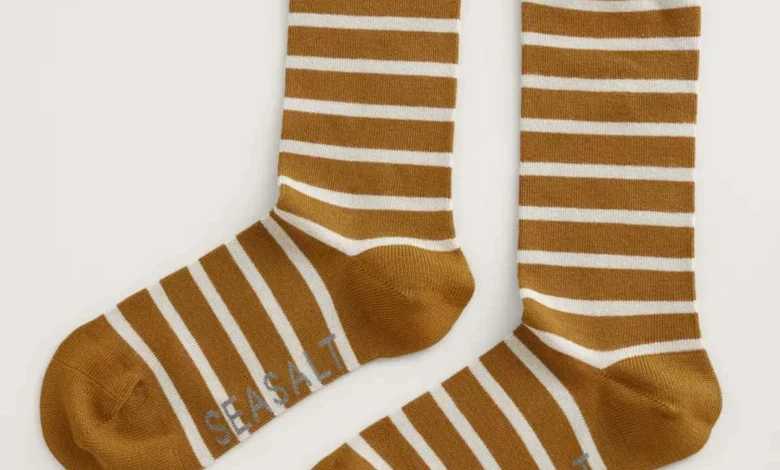
Similarly, the adoption of B-Corp certification has become a benchmark for accountability. Seasalt, which achieved this status following a long-standing commitment to Soil Association organic cotton standards, represents a broader industry trend where high-street retailers are increasingly held to the same transparency standards as boutique, eco-conscious labels.
Market Chronology: From Niche to Mainstream
The evolution of the sustainable sock market can be traced through key milestones in material science and ethical certification:

- 2005: Seasalt becomes the first fashion retailer to receive Soil Association organic certification for its cotton supply chain.
- 2015-2018: The rise of "closed-loop" bamboo processing gains traction, allowing brands like BAM to market activewear socks with significantly lower chemical waste compared to traditional viscose methods.
- 2020-2022: Increased public scrutiny of landfill waste leads to the emergence of "circular" brands, such as Rapanui, which offer take-back schemes for worn-out textiles.
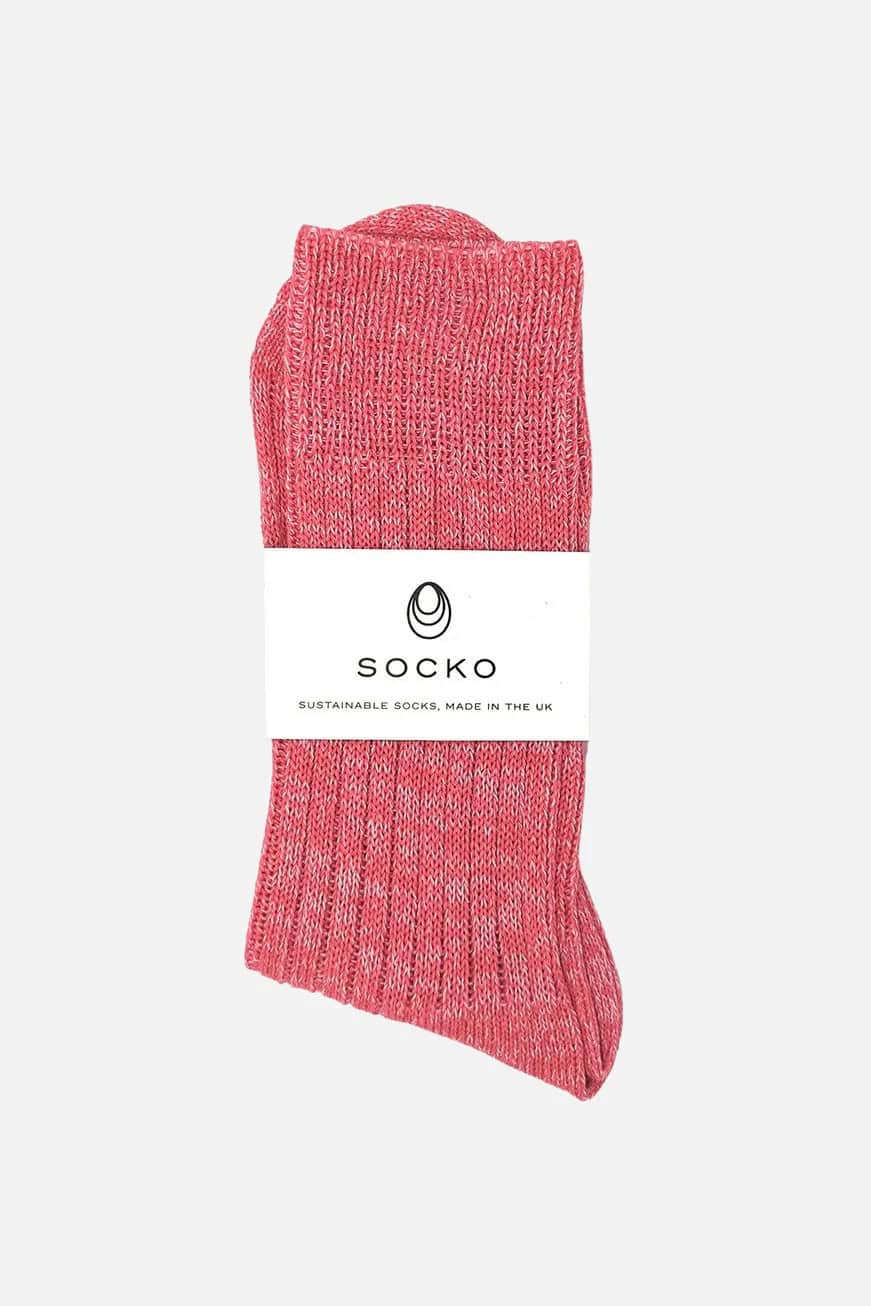
- 2024-2026: The widespread adoption of Global Recycle Standard (GRS) materials becomes the industry expectation for premium sustainable socks, with brands like Socko introducing repair kits to extend product lifecycles.
Data-Driven Sustainability: The Impact of Ethical Production
The environmental impact of switching to ethical socks is measurable. According to industry reports, organic cotton cultivation requires 91% less water and 62% less energy than conventional cotton farming. Furthermore, the use of reinforced heels and toes—a common feature in brands like BAM and Komodo—addresses the "durability gap." By extending the lifespan of a pair of socks by even 25%, the overall environmental impact per wear is reduced proportionally.
Social impact data also suggests that ethical manufacturing correlates with better worker outcomes. Brands that prioritize GOTS and Fairtrade certifications, such as Thought and Komodo, ensure that workers are provided with safe working conditions and living wages. In the case of Stand4Socks, the "one-for-one" donation model provides a direct, measurable social impact, with thousands of pairs of socks distributed to homeless charities across the UK annually.

Industry Perspectives and Corporate Responsibility
The push for sustainability is frequently driven by the manufacturers themselves, who recognize that consumer loyalty is increasingly tethered to brand ethics.
"We are moving beyond the era where sustainability was an optional ‘add-on’ to a business model," says an industry analyst familiar with UK textile trends. "The modern consumer is asking: Who made this? What is it made of? And what happens to it when it is discarded? Companies that cannot answer these questions are finding themselves increasingly marginalized in the current market."

Brands like Barekind represent a unique segment of the market, combining environmental stewardship with charitable activism. By donating 10% of profits to wildlife conservation charities—linking specific animal motifs to the organizations protecting them—they have created a model of "impact-driven" fashion. This approach not only provides the consumer with a tangible connection to the product’s purpose but also creates a secondary stream of revenue for underfunded conservation projects.
The Challenge of Circularity and Waste Management
One of the most persistent hurdles for the industry remains the "end-of-life" phase for socks. Because socks are often made from blends of cotton and synthetic stretch fibres (like elastane), they are notoriously difficult to recycle.

Rapanui’s circular model—which encourages customers to return worn-out socks for remanufacturing—is the current gold standard. By covering return postage and providing financial incentives, the company keeps material out of landfills and back into the production loop. This circularity is vital for achieving the UK’s 2030 climate goals, which emphasize the reduction of industrial waste and the transition toward a resource-efficient economy.
For those whose socks are beyond repair, the advice from sustainability experts remains consistent: repurposing is the best secondary option. Old socks can be used as rags for household cleaning, padding for packaging, or even as material for insulation, preventing them from contributing to the millions of tons of textile waste currently sitting in UK landfills.
Broader Implications for the Fashion Industry
The success of these ethical sock brands provides a roadmap for the rest of the fashion industry. The focus on high-quality, durable, and repairable items—as evidenced by Socko’s inclusion of darning kits—challenges the "disposable" culture of the last three decades.
As regulatory bodies in the UK and EU continue to tighten legislation regarding greenwashing and extended producer responsibility (EPR), the brands that have already invested in transparent supply chains and sustainable materials will be best positioned to thrive. The "cosy toe" market is, in effect, a microcosm of a much larger shift: one where the economic value of a garment is no longer judged solely by its price tag, but by its social and environmental footprint.

In conclusion, the market for ethical socks in 2026 is robust and multifaceted. Whether through the use of regenerative agriculture for raw materials, the implementation of closed-loop manufacturing, or the commitment to fair wages and social charity, these brands are proving that even the smallest items in one’s wardrobe can have a significant impact on the health of the planet. For the consumer, the choice to support these companies is a choice to participate in a more sustainable, equitable, and durable future for fashion.
Related posts: