Comprehensive Guide to Zero Waste Sunscreen Brands Promoting Ocean Health and Skin Safety in 2024

The global personal care industry is currently undergoing a significant shift as consumers and regulatory bodies increasingly scrutinize the environmental and biological impacts of conventional ultraviolet (UV) protection products. As millions of beachgoers head to the coastlines each year, an estimated 4,000 to 6,000 tons of sunscreen are washed into the world’s oceans annually. This chemical influx has been linked to catastrophic damage to marine ecosystems, particularly coral reefs, which provide essential habitats for approximately 25% of all marine life. In response, a specialized sector of the beauty industry has emerged, focusing on "zero waste" and "reef-safe" formulations that prioritize both dermatological safety and ecological preservation.
The Environmental and Biological Crisis of Conventional Sunscreens
For decades, the standard for sun protection involved chemical filters such as oxybenzone, octinoxate, and avobenzone. While effective at absorbing UV radiation, these substances have been identified as significant contributors to coral bleaching. Even in minute concentrations—equivalent to a single drop of water in an Olympic-sized swimming pool—these chemicals can induce viral infections in coral, causing them to expel their life-sustaining algae and eventually die.
Beyond the water, the Environmental Working Group (EWG) and various dermatological studies have raised concerns regarding the systemic absorption of these chemicals into the human bloodstream. Research indicates that certain chemical filters may act as endocrine disruptors, potentially interfering with hormonal balance. Furthermore, the traditional packaging of these products relies heavily on single-use plastics, most of which are not recycled and eventually contribute to the global microplastic crisis.

The Rise of Mineral-Based, Plastic-Free Alternatives
The transition toward sustainable sun care is defined by two primary pillars: the use of mineral blockers and the implementation of circular packaging. Unlike chemical sunscreens that absorb into the skin, mineral sunscreens utilize zinc oxide or titanium dioxide to create a physical barrier that reflects UV rays. To be truly "reef-safe," these minerals must be "non-nano," meaning the particles are large enough that they cannot be ingested by coral polyps or penetrate the human skin barrier into the bloodstream.
In tandem with ingredient reform, zero waste brands are eliminating plastic tubes in favor of infinitely recyclable materials like aluminum, glass, and compostable paperboard. This holistic approach addresses the product’s entire lifecycle, from sourcing and production to end-of-life disposal.

Profiles of Leading Sustainable Sunscreen Brands
Several pioneering brands have set new benchmarks for the industry, undergoing rigorous testing to prove that high-performance sun protection does not require environmental compromise.
Forah: Organic Excellence in Aluminum
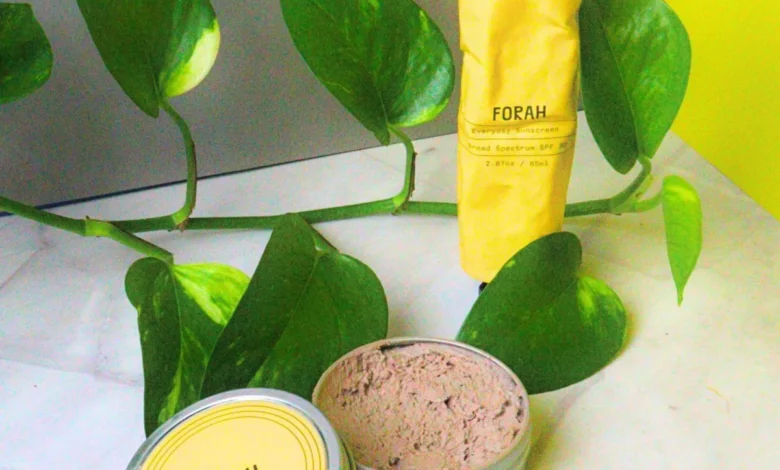
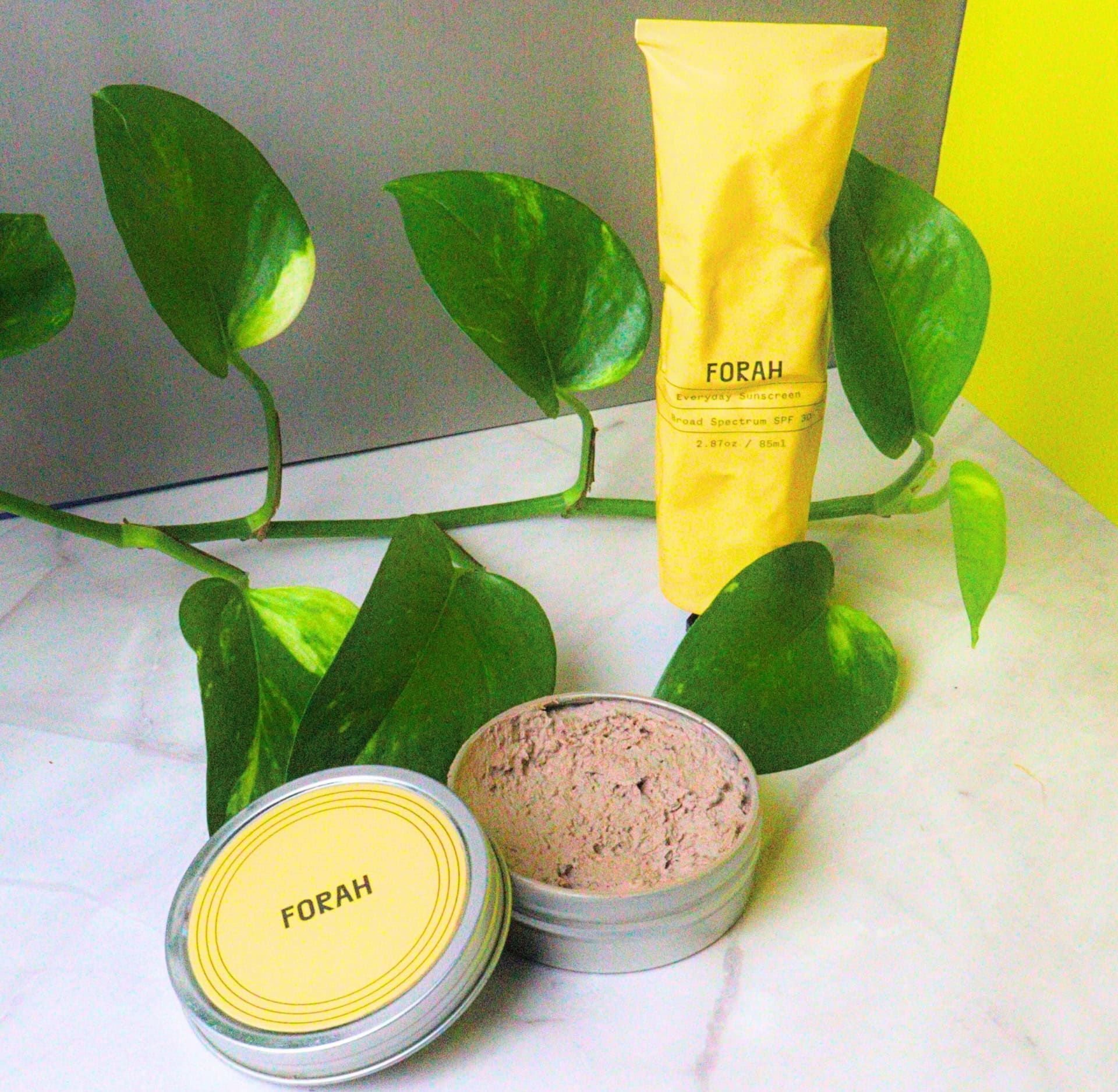
Forah has distinguished itself by focusing exclusively on environmentally friendly sun care. The brand utilizes aluminum packaging, which is recognized by waste management experts as one of the most sustainable materials due to its ability to be recycled repeatedly without losing quality. Their "Everyday Mineral Sunscreen" incorporates organic sea buckthorn and jojoba oils, targeting consumers who require high-performance protection that also nourishes sensitive skin. Their "Zinc Surf Balm" offers a waterproof solution for athletes, utilizing beeswax as a natural moisture barrier.

SurfDurt: Solar-Powered Innovation and Refill Systems
SurfDurt represents a growing trend in the industry toward localized, ethical production. Manufactured in the United States using 100% solar-powered technology, the brand offers an "extreme adventure" formula designed for high-intensity water sports. Notably, SurfDurt has implemented a refill program—a rarity in the sun care sector—allowing customers to return their bamboo and aluminum containers for a discount on future orders. This circular model directly addresses the "waste" component of the zero-waste movement.
ATTITUDE: ECOLOGO Certified and Plastic-Free
Based in Canada, ATTITUDE has scaled sustainable sun care by offering a wide range of mineral sticks packaged in biodegradable cardboard. Their products carry the ECOLOGO certification, indicating they have met stringent environmental performance standards. By using non-nano zinc and avoiding synthetic fragrances, the brand caters to the "clean beauty" market while simultaneously contributing to global reforestation through a partnership that plants a tree for every product sold.

Badger: The B Corp Standard for Simplicity
Badger, a family-owned Certified B Corp, has long been a proponent of radical transparency in ingredients. Their "Sport Sunscreen" contains only four ingredients: uncoated zinc oxide, organic sunflower oil, organic beeswax, and vitamin E. This minimalist approach reduces the likelihood of skin irritation and ensures that no complex synthetic compounds enter the water. Their move toward recyclable aluminum tins marks a significant departure from their traditional plastic packaging.
Raw Elements: Lifeguard-Developed Protection
Founded by an ocean rescue lifeguard, Raw Elements focuses on high-concentration zinc formulas (23% non-nano zinc oxide). The brand has been a consistent top-performer in EWG rankings for over a decade. While they have experimented with bio-resins made from sugarcane, their aluminum tins remain the gold standard for plastic-free consumers seeking durable, water-resistant protection.

Technical Analysis: Non-Nano Zinc Oxide vs. Chemical Filters
The efficacy of zero-waste sunscreens rests on the science of non-nano zinc oxide. As a photostable mineral, zinc oxide does not degrade when exposed to sunlight, unlike many chemical filters that lose their protective capabilities over time and must be reapplied more frequently.
From a safety perspective, regulatory bodies such as the Therapeutic Goods Administration (TGA) have reviewed literature suggesting that mineral particles sit on the outer layer of dead skin cells rather than reaching living tissue. This makes mineral sunscreens the preferred choice for infants and individuals with inflammatory skin conditions like eczema or rosacea.

Industry Chronology and Regulatory Shifts
The movement toward sustainable sun care has been accelerated by landmark legislation over the past five years:
- 2018: Hawaii becomes the first U.S. state to pass a law (Act 104) banning the sale of sunscreens containing oxybenzone and octinoxate to protect its coral reefs.
- 2020: The Republic of Palau implements a nationwide ban on "reef-toxic" sunscreens, citing the preservation of its pristine marine environments as a matter of national security and economic stability.
- 2021: The FDA proposes new regulations for sunscreens, identifying only two ingredients—zinc oxide and titanium dioxide—as "generally recognized as safe and effective" (GRASE).
- 2023-2024: Major retailers begin implementing "Clean at Sephora" or "Target Clean" icons, often requiring brands to move away from certain chemical filters and towards more sustainable packaging to earn these designations.
Economic Impact and Market Trends
The "reef-friendly" sunscreen market is no longer a niche segment. Market analysts project continued growth in the organic and natural sun care sector, driven by Gen Z and Millennial consumers who prioritize ESG (Environmental, Social, and Governance) factors in their purchasing decisions.

While plastic-free packaging often incurs higher production costs, brands like Butter Me Up Organics and Bee You Organics argue that these costs are necessary externalities for a habitable future. Furthermore, the rise of "multitasking" products—such as tinted mineral BB creams that provide sun protection, hydration, and light coverage—is increasing the average transaction value in this category.
Implications for the Future of Personal Care
The transition to zero-waste sunscreen is a microcosm of the broader "blue beauty" movement, which focuses on the impact of products on the world’s oceans. As the industry moves forward, the focus is likely to shift toward:

- Standardization of "Reef-Safe" Labels: Currently, the term "reef-safe" is not federally regulated in many countries, leading to instances of "greenwashing." Independent certifications like the "Protect Land + Sea" seal are becoming the new benchmark for authenticity.
- Advanced Formulation: Historically, mineral sunscreens were criticized for leaving a "white cast" on the skin, particularly on darker skin tones. Modern brands are solving this through micronized (but still non-nano) particles and the inclusion of natural iron oxides for tinting.
- End-to-End Supply Chain Ethics: Beyond the final product, consumers are demanding fair-trade sourcing for ingredients like shea butter and ethical beekeeping practices for the beeswax used in waterproofing.
In conclusion, the adoption of zero-waste, mineral-based sunscreens represents a vital intersection of personal health and environmental stewardship. By choosing products packaged in aluminum, glass, or compostable paper and formulated with non-nano minerals, consumers can mitigate the significant damage caused by the thousands of tons of chemicals and plastics entering the ocean each year. As regulatory pressure mounts and consumer awareness grows, the "zero waste" standard is poised to move from the periphery to the center of the global sun care industry.
Related posts: