The Palmar Grasp: A Foundational Milestone for Baby-Led Weaning and Early Development

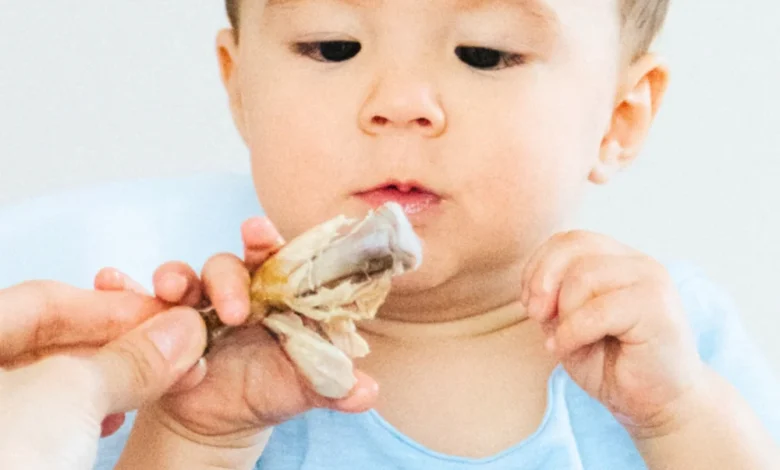
The journey of introducing solids to an infant is a significant developmental phase, marked by a series of evolving physical and cognitive skills. Among these, the palmar grasp stands out as a crucial milestone, particularly for parents embarking on the path of baby-led weaning. This intricate hand movement, typically emerging between four and six months of age, is not merely a sign of growing motor control; it is the very mechanism that enables babies to explore their environment and, critically, to self-feed. This article delves into the nuances of the palmar grasp, its developmental trajectory, its profound connection to the initiation of solid foods, and strategies for parents to support its emergence.
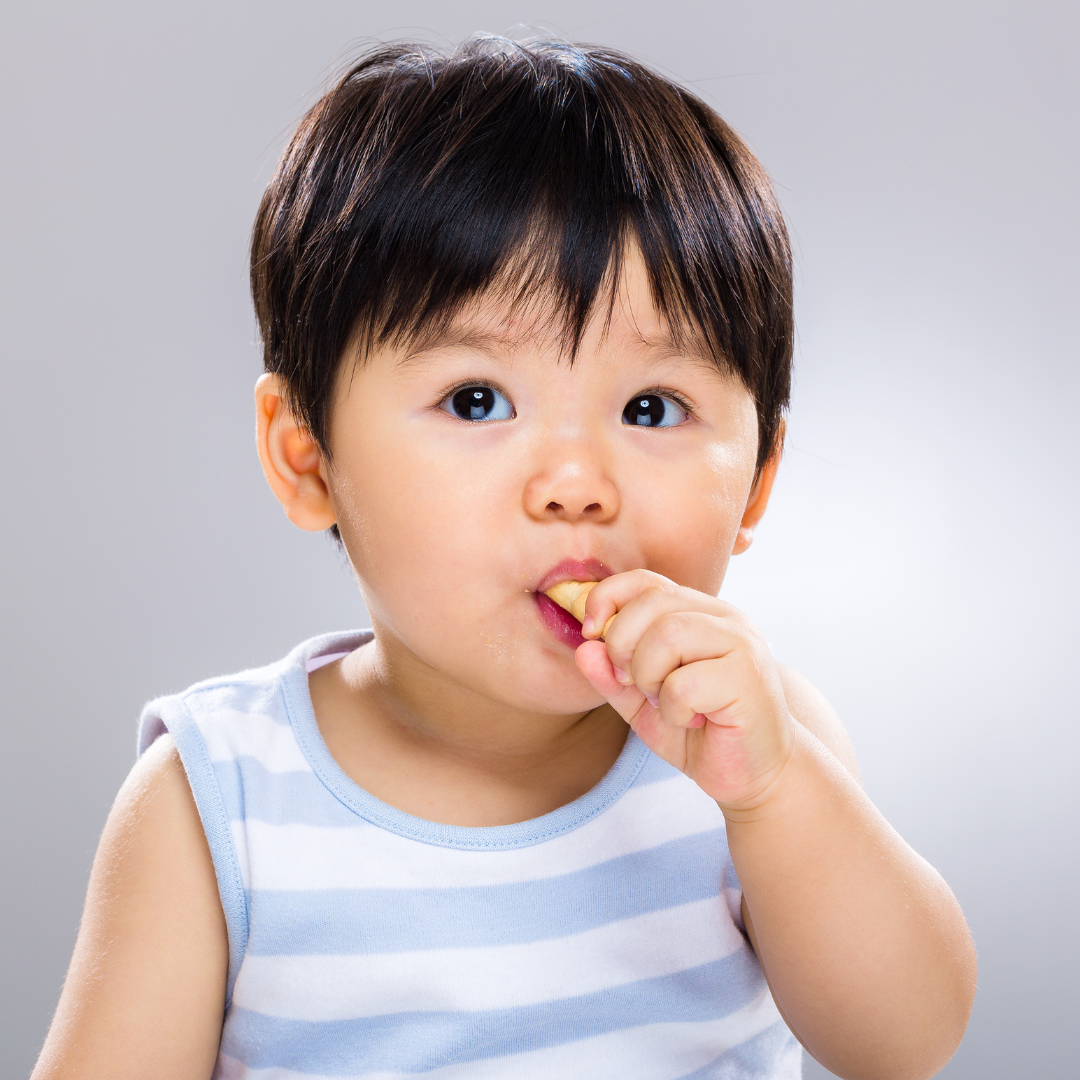
Understanding the Palmar Grasp
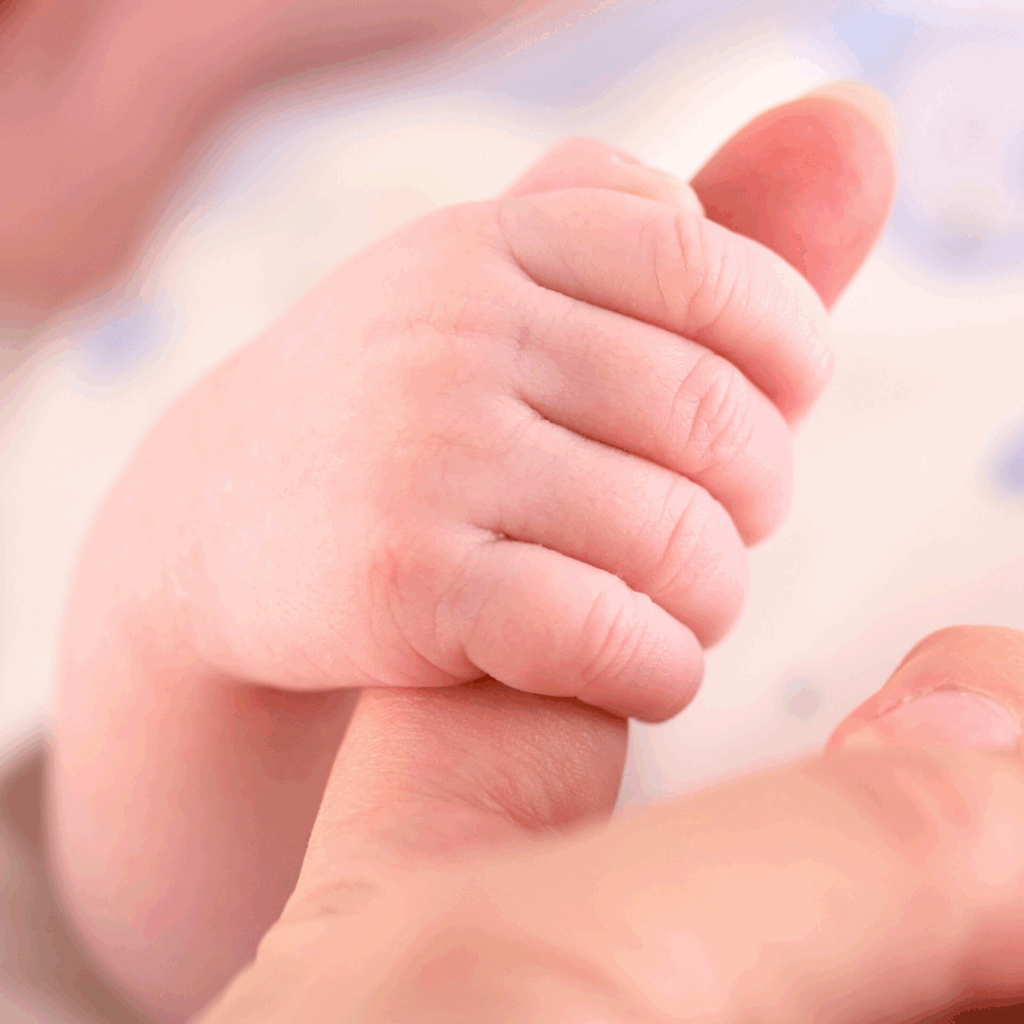
At its core, the palmar grasp is a fine motor skill that empowers infants to intentionally grasp and hold larger objects within their palms. This action involves closing the fingers around an object, with the palm providing the primary surface of contact and support. It’s a deliberate action, distinct from the automatic reflex present at birth.
Differentiating from the Grasp Reflex
Babies are born with an innate grasp reflex, a primal, involuntary response triggered by touching their palm. This reflex results in a surprisingly strong grip, often causing infants to hold onto a finger or object placed in their hand. However, this reflex is not an intentional act of holding. It serves a protective function and is a sign of neurological development. As babies mature, typically between five and six months of age, this reflex gradually fades, being replaced by the more sophisticated and voluntary palmar grasp. This transition signifies a shift from automatic reactions to conscious control over hand movements.
Developmental Timeline of the Palmar Grasp
The development of the palmar grasp is a progressive process, unfolding over several months and characterized by distinct stages:
-
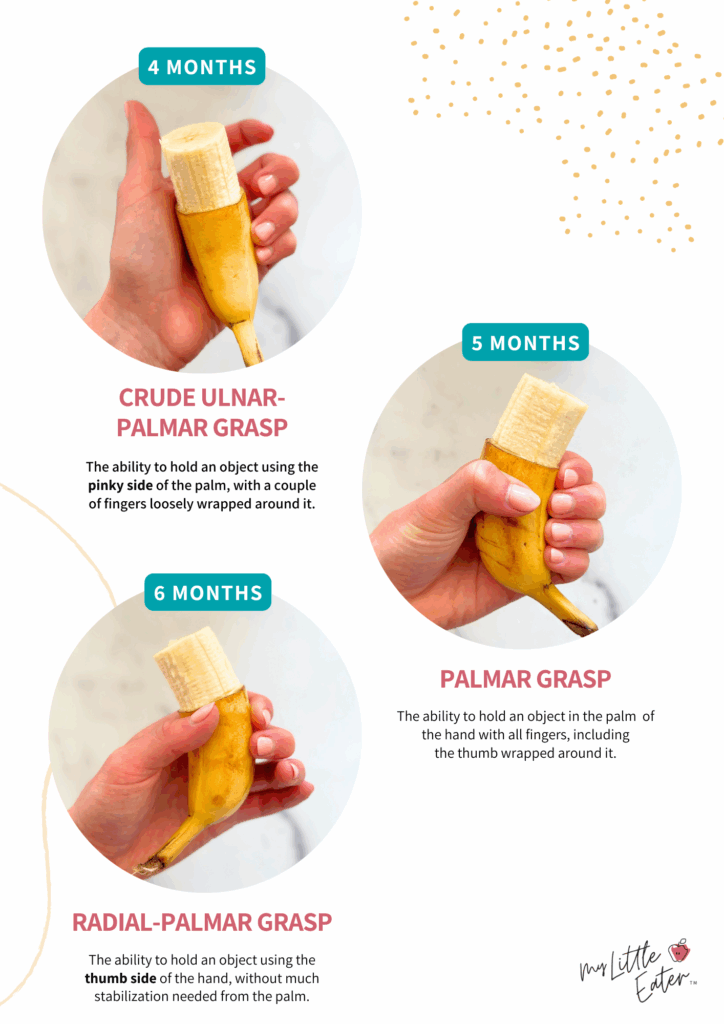
Crude Ulnar-Palmar Grasp (Around 4 Months): This initial phase marks the beginning of intentional grasping. Infants at this stage can hold an object using the outer, pinky-finger side of their palm. Their fingers may loosely wrap around the object, but the thumb is not yet actively involved in stabilization. Consequently, the grip is not particularly strong, and objects are frequently dropped. This stage is crucial as it represents the infant’s first deliberate attempt to interact with objects through touch and hold.

-
Palmar Grasp (Around 5 Months): As motor skills refine, the entire hand becomes engaged in the grasping process. At this stage, babies can effectively hold an object in the center of their palm, with all fingers, including the thumb, contributing to the grip. This enhanced involvement of the thumb provides greater stability and control over the object.
-
Radial-Palmar Grasp (Around 6 Months): This advanced stage demonstrates a significant increase in dexterity. Babies begin to use the thumb side of their hand for grasping, requiring less reliance on the palm for support. This allows for more precise manipulation of objects and sets the stage for grasping smaller items. This development is vital for the progression towards more refined motor skills needed for managing utensils and smaller finger foods.
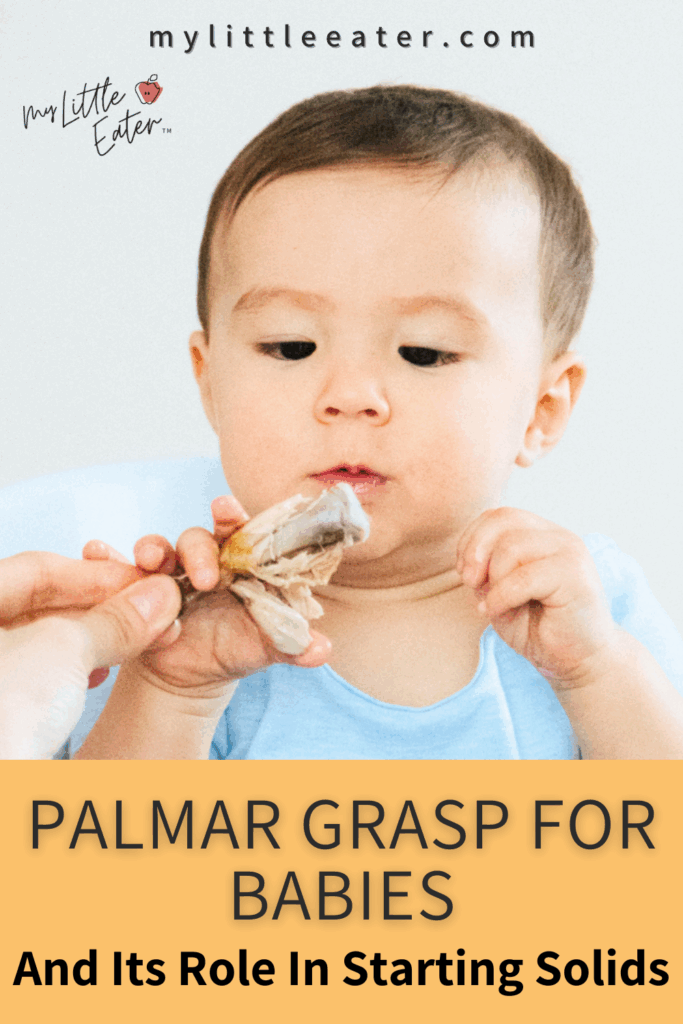
The Crucial Link to Baby-Led Weaning
The development of the palmar grasp is intrinsically linked to the successful implementation of baby-led weaning (BLW). BLW is an approach to introducing solid foods that emphasizes allowing infants to self-feed from the beginning of their solid food journey, typically around six months of age, using appropriately sized pieces of soft, whole foods.
For a baby to participate in BLW, they must possess the ability to:
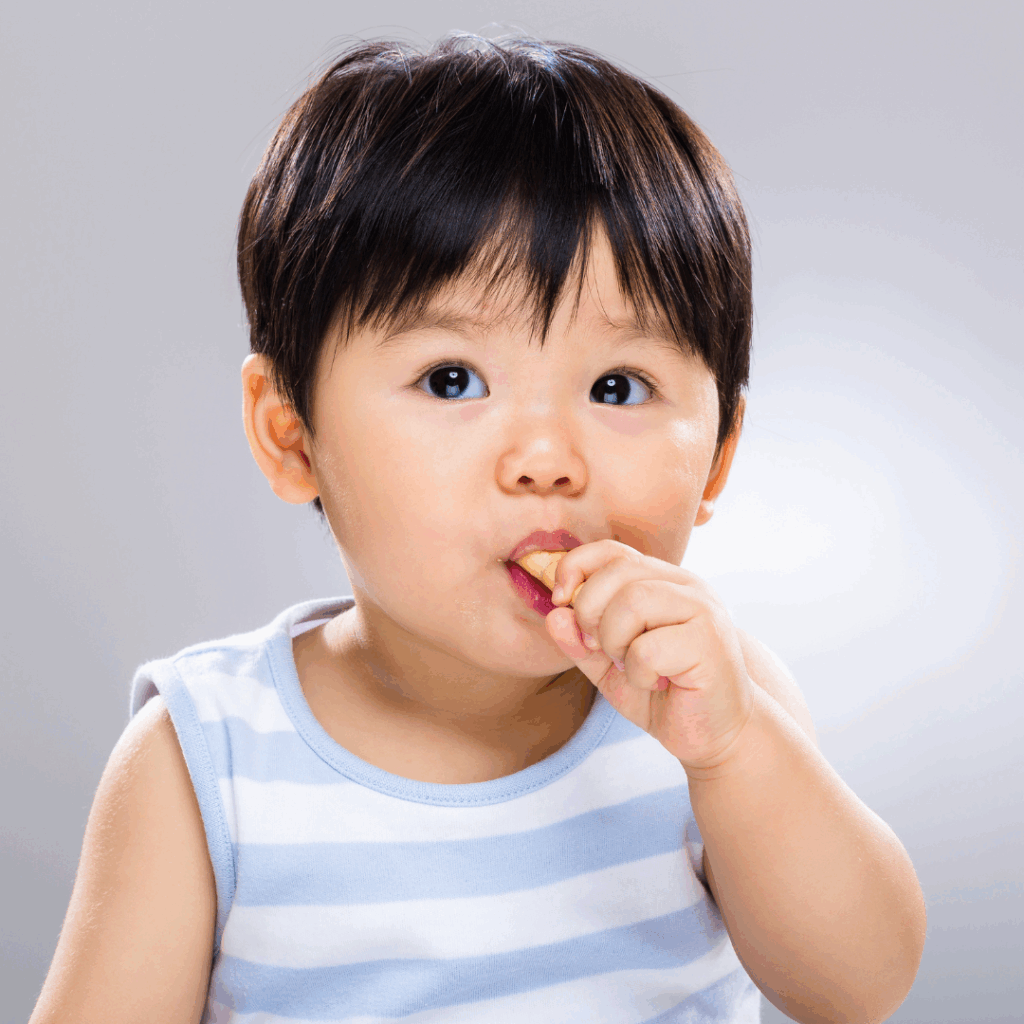
- Reach for and pick up food: The palmar grasp is the foundational skill that enables an infant to reach for a piece of food placed within their grasp and to secure it.
- Bring food to their mouth: Once food is grasped, the palmar grasp allows the baby to maintain hold of it as they bring it to their mouth for exploration and consumption.
- Manipulate food (to some extent): While early BLW focuses on larger pieces, the palmar grasp provides the necessary control to hold and even begin to gum or bite off manageable portions.
Without the palmar grasp, a baby’s ability to engage with finger foods and self-feed independently is severely limited. While spoon-feeding can be a part of an infant’s diet, encouraging self-feeding from the outset is widely recommended by pediatric feeding specialists to foster independence, develop fine motor skills, and promote a positive relationship with food.
Is Palmar Grasp a Prerequisite for Starting Solids?
The answer to whether palmar grasp is strictly required before starting solids depends on the feeding approach. If the sole method of feeding is spoon-feeding purees, then direct hand-to-mouth grasping of food is not necessary. However, pediatric experts generally advocate for introducing opportunities for self-feeding, whether with a spoon or finger foods, from the very first day solids are introduced. This is where the palmar grasp becomes essential.
It’s crucial to remember that starting solids is considered safe and effective only when an infant exhibits all the developmental signs of readiness, which include but are not limited to head and trunk control, loss of the tongue-thrust reflex, and showing interest in food. The palmar grasp is one of these important indicators of motor readiness.
Preparing Food for the Palmar Grasp
When a baby is developing their palmar grasp, the size and shape of food are paramount for successful and safe feeding. The general guideline for offering food to babies with a developing palmar grasp, particularly in the context of BLW, is to offer pieces that are:
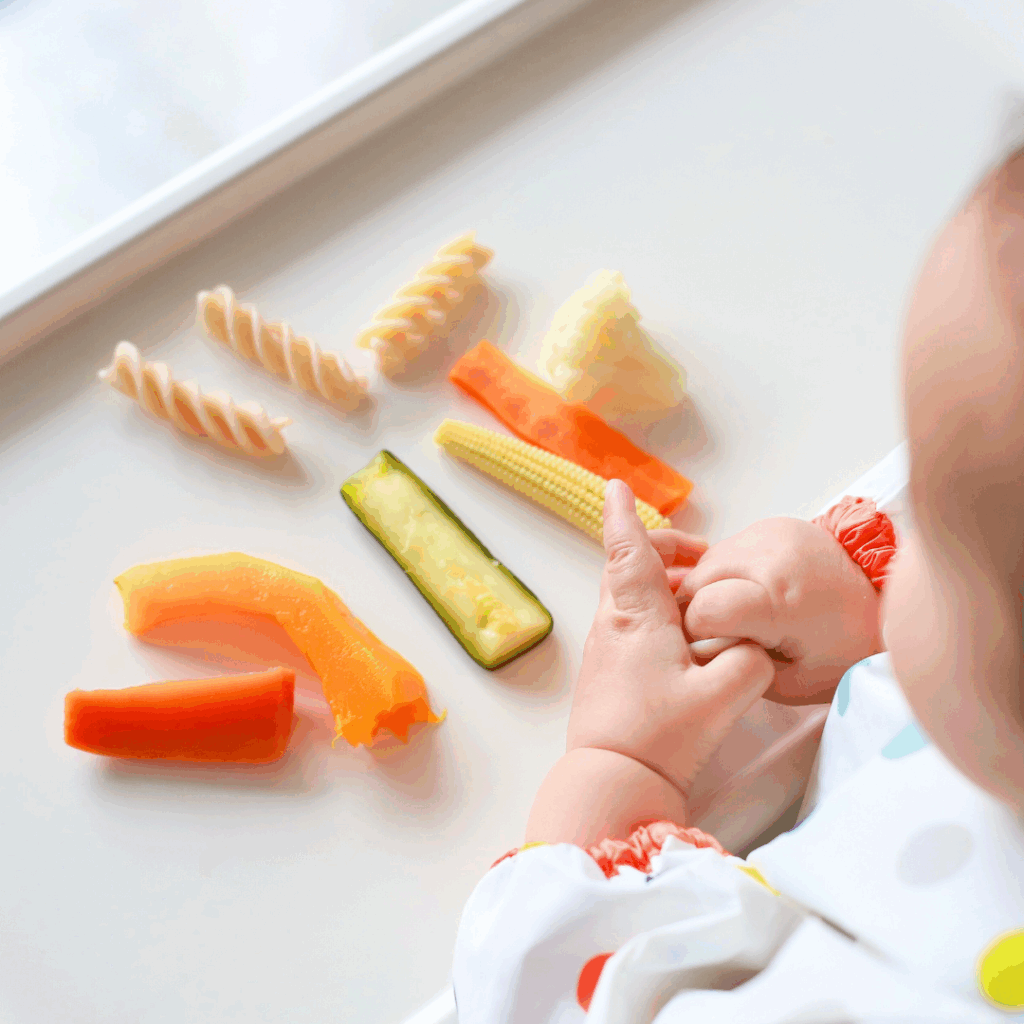
- Large enough: Approximately the width of two adult fingers placed together.
- Long enough: At least the length of an infant’s index finger, or sufficiently long that a significant portion of the food protrudes from the baby’s fist when grasped.
This sizing is critical because babies at this stage lack advanced hand manipulation skills. If a piece of food is too short, it can become hidden within their palm, making it inaccessible for them to bring to their mouth. The goal is to provide pieces that are easily grasped and have a portion readily available for the baby to interact with.
Beyond stick-shaped foods, babies can use their palmar grasp to pick up and hold a variety of food textures and shapes, including:
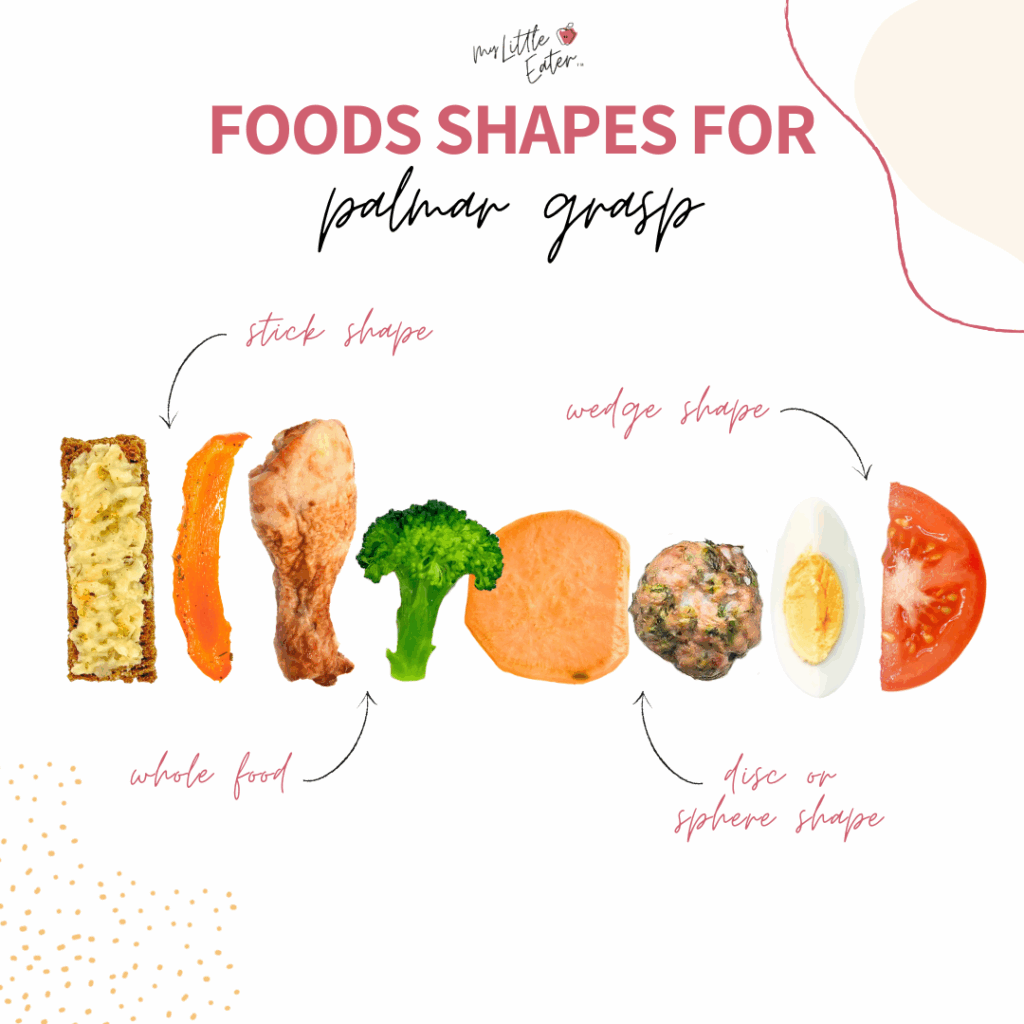
- Soft, cooked vegetable spears (e.g., carrots, zucchini, sweet potato).
- Larger pieces of soft fruits (e.g., banana wedges, avocado slices).
- Cooked pasta shapes.
- Soft-cooked meat or poultry strips.
- Larger pieces of toast or pancakes.
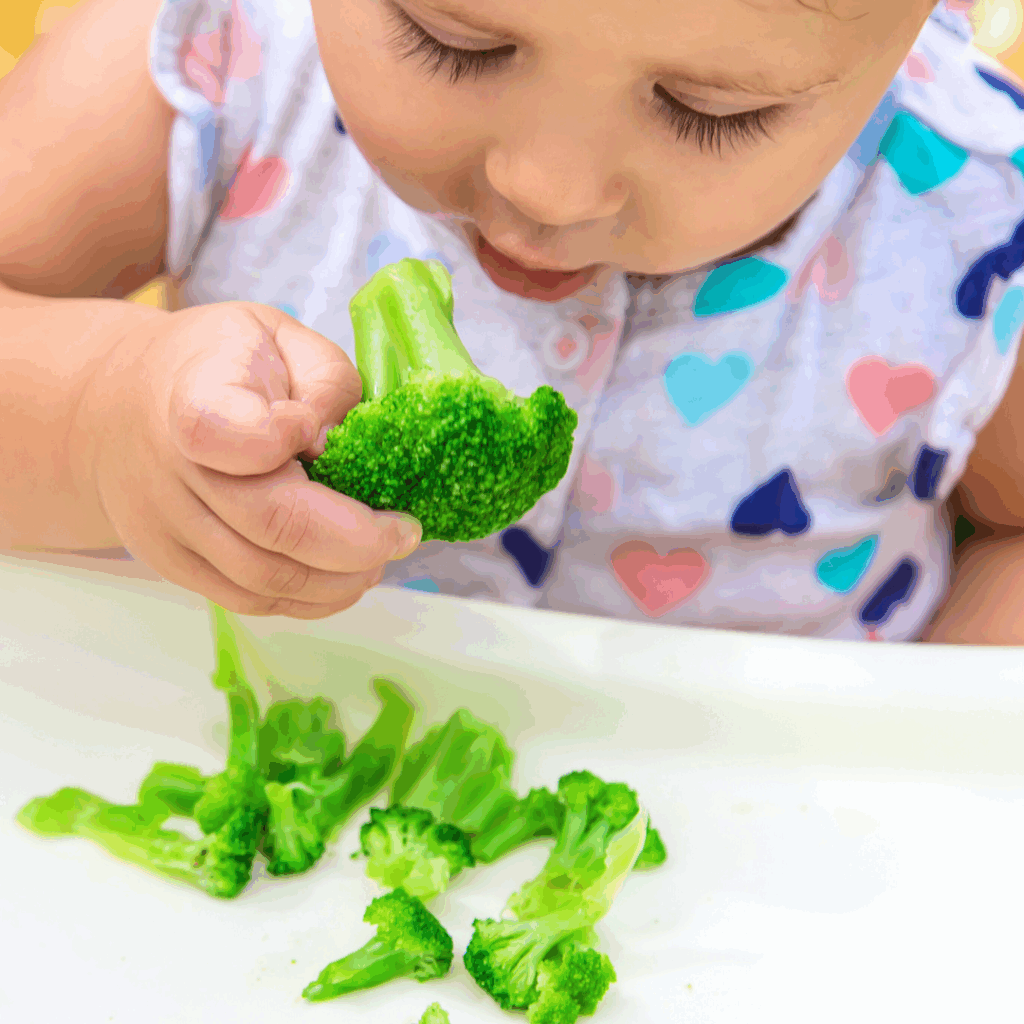
- Steamed broccoli or cauliflower florets.
Can Babies Use Palmar Grasp for Spoons?
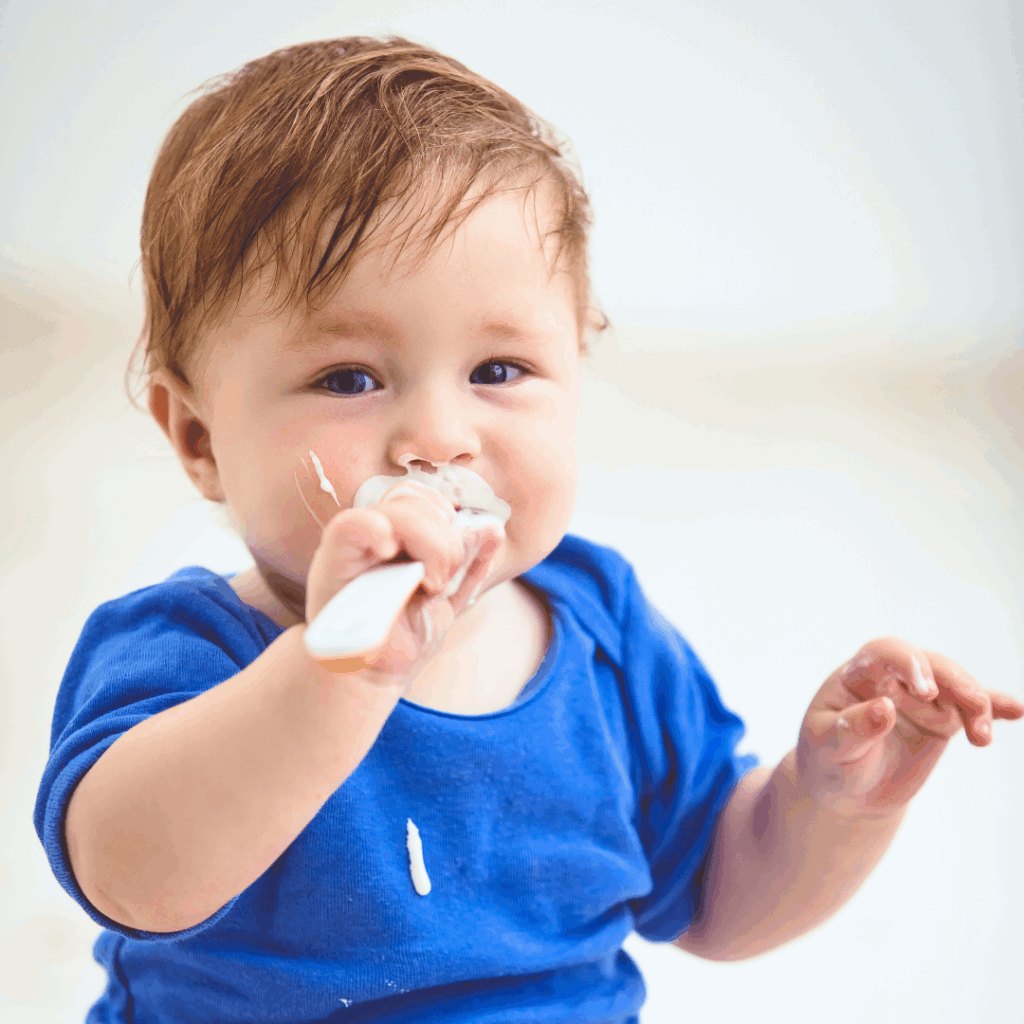
Indeed, the palmar grasp plays a vital role in a baby’s ability to self-feed with a spoon. Around six months of age, when the radial-palmar grasp begins to emerge, babies can often grasp a short, chunky spoon with their entire hand. This allows them to scoop or at least hold onto the spoon as they attempt to bring it to their mouth. While they may not be proficient at scooping initially, the ability to hold the utensil is a significant step towards independent spoon use.
Addressing Safety Concerns with Larger Food Pieces
A common concern for parents is the safety of offering large pieces of food. However, evidence suggests that soft, large pieces can be safer than small, hard pieces. When food is appropriately sized and soft enough to be gummed, babies can explore it at their own pace, controlling how much they bite off. Larger pieces are also easier for babies to manage in their mouths, making it simpler for them to gag, reposition, and spit out food if necessary, which are all normal and important parts of the learning process.
Supporting the Development of Palmar Grasp
While the palmar grasp typically develops naturally, parents can actively encourage and refine this skill through various play-based activities:
Tummy Time for Grasp Development
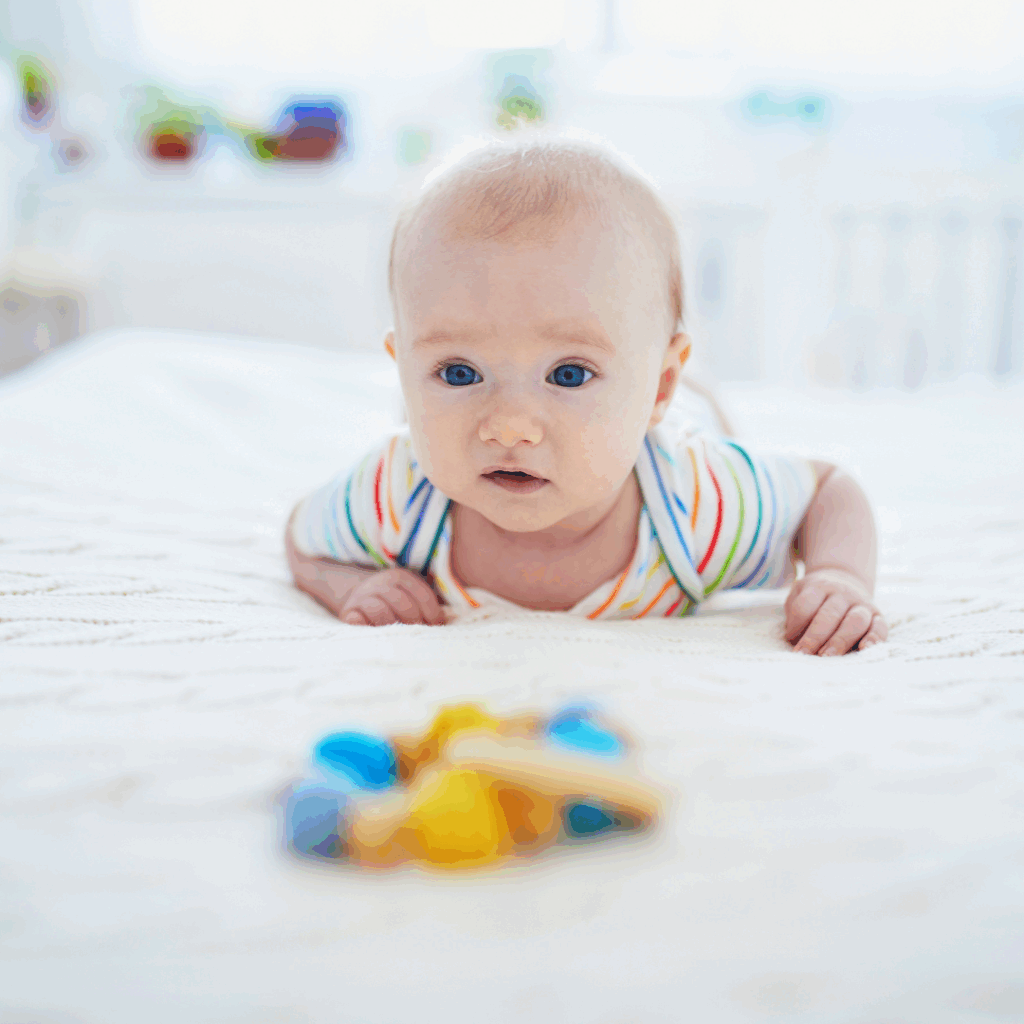
Tummy time is foundational for gross motor development, including the strength and stability needed for fine motor skills. When babies are on their stomachs, they engage their core and upper body muscles, which are essential for supporting arm and hand movements. By placing engaging toys, such as textured sensory items or water mats, within reach during tummy time, parents can encourage babies to reach, grasp, and explore, thereby strengthening the muscles involved in the palmar grasp. The principle of "proximal stability leads to distal mobility" highlights how a strong core enables freer movement and control of the extremities.
Overhead Reaching Activities
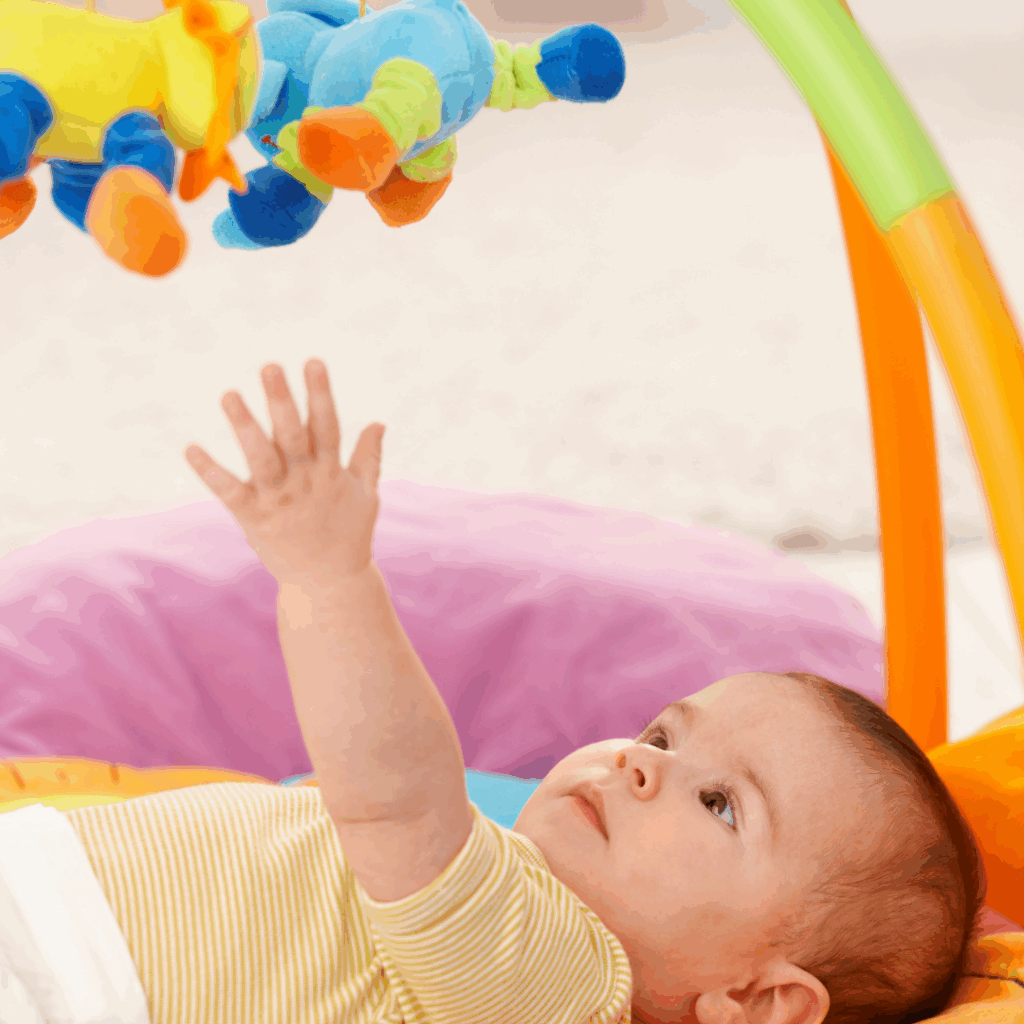
When a baby is lying on their back, they are not required to use their core muscles for support, allowing them to focus on reaching and grasping. Placing a baby gym or holding toys, like rattles or pull toys, above their head encourages them to reach upwards and practice their grasping skills. This activity directly targets the development of arm and hand coordination necessary for effective grasping.
Seated Play Activities
As babies gain better sitting balance, a variety of toys can be offered to support palmar grasp development. Rattles, O-balls, soft blocks, and stacking cups are excellent choices. A "baby tissue box" toy, which often involves pulling fabric strips, is particularly effective for practicing grasp and release. For babies who are not yet sitting independently, providing extra support with pillows or cushions can help them maintain an upright position, freeing their arms for reaching and grabbing.
Tug-of-War for Hand Strength
A playful game of tug-of-war with a soft blanket can significantly enhance hand strength, which is crucial for a robust palmar grasp. By gently tugging a blanket away from their grasp while they are seated with support, parents can encourage babies to exert more force to hold on, thereby strengthening the muscles in their hands and forearms.
Addressing Concerns About Delayed Grasp
If a baby is over six months old and has not yet demonstrated progress in developing their palmar grasp, despite consistent engagement in developmental activities for several weeks, it may be beneficial to consult a medical professional. A pediatric occupational therapist (OT) can conduct a thorough assessment of the child’s fine motor skills and provide tailored strategies and interventions if needed. Early identification and support can be instrumental in addressing developmental delays.
Looking Ahead: The Pincer Grasp
As babies master the palmar grasp and become more adept at self-feeding larger pieces of food, their fine motor skills continue to evolve. The next significant development in hand dexterity is the emergence of the pincer grasp, typically around eight to twelve months of age. This refined skill allows babies to pick up much smaller items using the tips of their thumb and index finger, opening up a new world of food exploration and manipulation.
The palmar grasp is more than just a developmental milestone; it is a gateway to independence, exploration, and a positive introduction to the world of food. By understanding its significance and providing supportive environments and opportunities, parents can play a vital role in nurturing their baby’s journey toward becoming a confident and adventurous eater.
Related posts: