The Ultimate Nut-Free Pesto: A Quick, Flavorful, and Kid-Approved Sauce

The culinary landscape for families, particularly those navigating dietary restrictions or seeking efficient meal solutions, has a new champion: a nut-free pesto recipe that promises vibrant flavor with minimal effort. This versatile sauce, requiring only a handful of ingredients and a mere five minutes of preparation, is being heralded as an ideal accompaniment for a variety of dishes, from pasta and pizza to sandwiches and beyond. Its nut-free composition makes it a safe and welcome addition to school lunches and daycare meals, addressing a critical need for allergy-conscious parents.
The appeal of pesto is well-established, with its bright, herbaceous notes capable of transforming simple meals into something special. Traditionally, pesto relies on pine nuts for its characteristic texture and flavor. However, the rising prevalence of nut allergies and the increasing cost of pine nuts have spurred a demand for alternatives. This nut-free version directly addresses these concerns, offering a cost-effective and inclusive option without compromising on the beloved taste of pesto.
A Culinary Solution for Modern Families
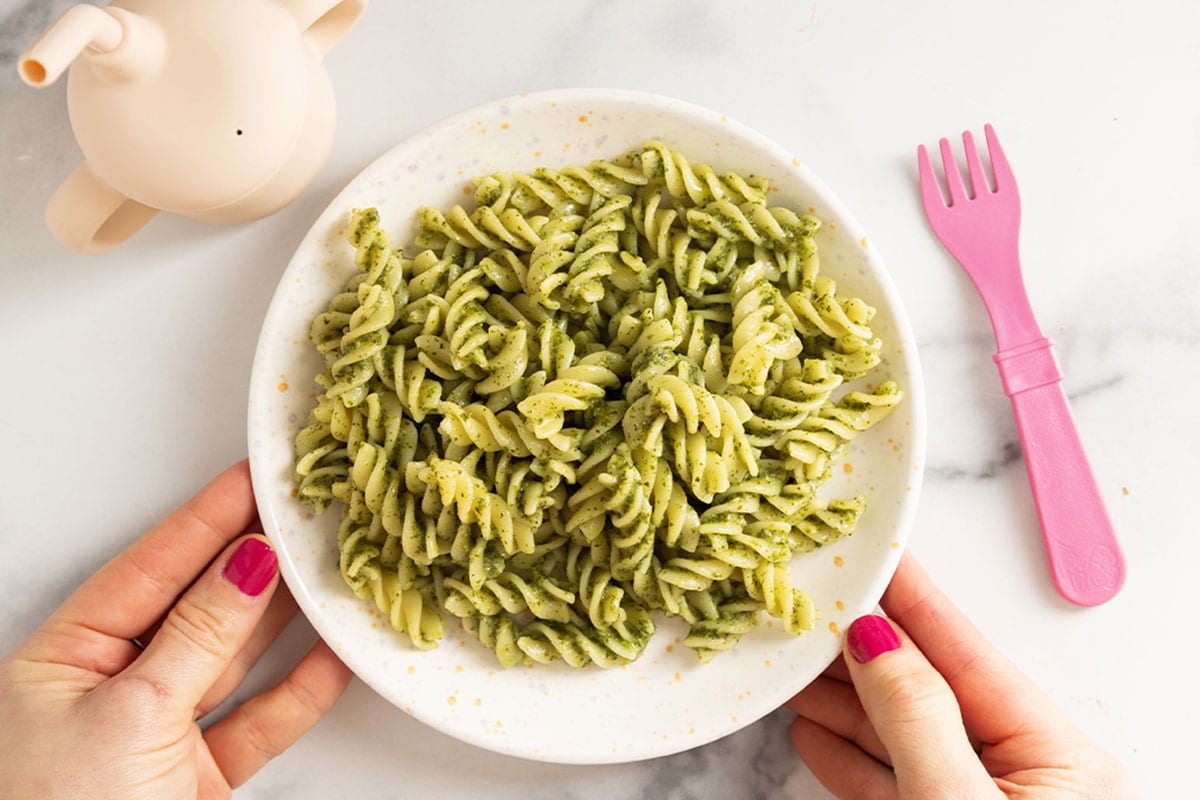
The development of this nut-free pesto comes at a time when convenience and dietary considerations are paramount for many households. With an estimated 32 million Americans having food allergies, including a significant portion affected by tree nut allergies, finding safe and delicious options can be a constant challenge. This recipe emerges as a practical solution, enabling families to enjoy a classic flavor profile while ensuring the safety of children with allergies.
The creator of this recipe emphasizes its speed and affordability, highlighting that it can be made "fast and affordable." This economic advantage, combined with the minimal prep time, positions the nut-free pesto as a weeknight dinner savior. Furthermore, its versatility is a key selling point. The recipe suggests applications ranging from tossing with pasta and spreading on pizza to incorporating it into sandwiches. This adaptability means that a single batch of pesto can inspire multiple meals, further enhancing its value.
The Science Behind the Flavor and Color
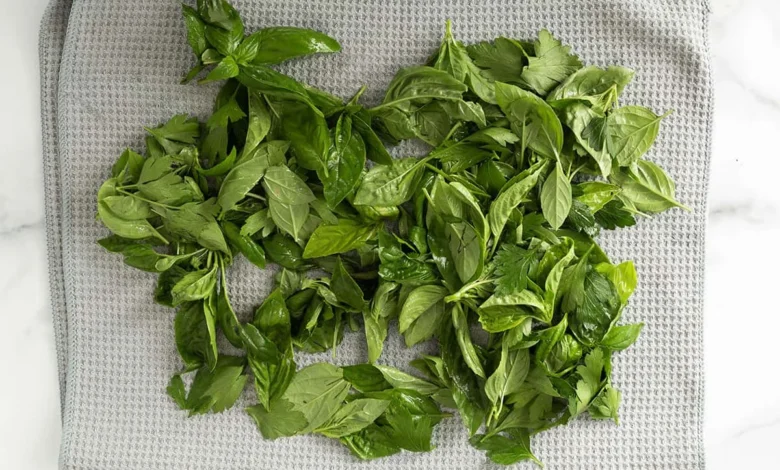
The vibrant green hue of pesto is a signature characteristic, often achieved through the use of fresh basil. Maintaining this color is crucial for its visual appeal and perceived freshness. The recipe subtly hints at techniques that preserve this brightness. While not explicitly detailed in the initial excerpt, common methods for achieving a lasting green color in pesto include using fresh, high-quality basil, minimizing oxidation by processing ingredients quickly, and incorporating a touch of acidity, such as lemon juice, or even parsley. Parsley, mentioned in the frequently asked questions section, plays a dual role: it adds to the herbaceous flavor profile and helps maintain the pesto’s vibrant green color, preventing it from turning a dull brown due to oxidation.
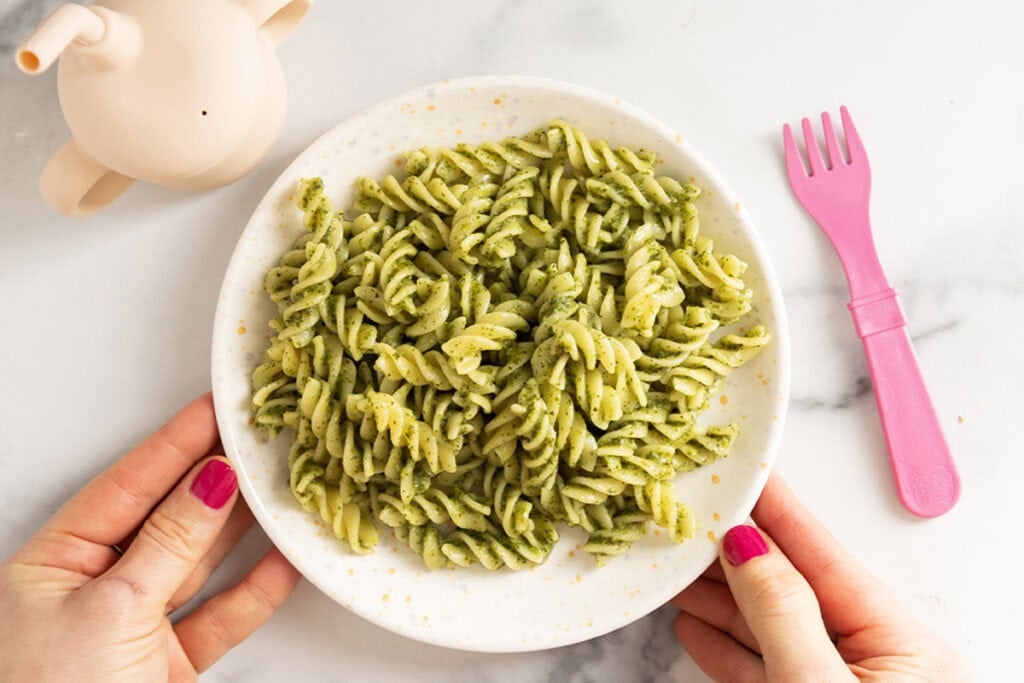
The FAQ section also touches upon the importance of blanching basil leaves – a technique involving briefly immersing them in boiling water followed by an ice bath – as a method to lock in color. While acknowledged as a "tedious" extra step, it underscores the commitment to achieving a visually appealing and high-quality pesto, even in a simplified recipe.
Addressing Dietary Needs and School Lunches
The nut-free aspect of this pesto is its most significant differentiator. Tree nut allergies can range from mild to severe, and for children, navigating school and daycare environments where food is often shared can be a source of anxiety for both children and parents. By providing a certified nut-free recipe, this pesto becomes an invaluable tool for inclusive meal planning. It allows children with nut allergies to enjoy a flavorful condiment that is otherwise off-limits, promoting a sense of normalcy and inclusion during mealtimes.
The ability to safely send this pesto in packed lunches is a testament to its practicality. Many schools and daycares have strict policies regarding nuts to protect allergic students. A nut-free pesto fits seamlessly into these guidelines, offering a healthy and appealing option for children’s midday meals.
Beyond the Basics: Expanding the Pesto Repertoire
The article also provides a glimpse into other related recipes, suggesting a broader interest in versatile and family-friendly sauces. Mention of "Red Pepper Pasta Sauce," "Creamy Pesto," and "Spinach Pesto" indicates a culinary approach that prioritizes flavor, ease of preparation, and adaptability to various dietary needs and preferences. This suggests a commitment to providing a range of options that cater to different tastes and ingredient availability.
Storage and Preservation: Maximizing Freshness
Effective storage is key to maximizing the lifespan and quality of homemade pesto. The article offers practical advice on how to keep the nut-free pesto fresh for extended periods. Refrigeration for up to a week is recommended, with a crucial tip to top the pesto with a thin layer of olive oil. This oil layer acts as a barrier, preventing air exposure and thus slowing down oxidation, which can cause the pesto to turn brown and lose its vibrant color and fresh flavor.

For longer-term storage, freezing is presented as an excellent option. The pesto can be frozen in ice cube trays, silicone freezer trays, or plastic storage bags for up to six months or even longer. The article notes an interesting observation: frozen pesto, when reheated, sometimes retains a fresher green flavor compared to pesto made and used immediately. This suggests that the freezing and thawing process might contribute to a more robust flavor profile in certain applications.
Nutritional Considerations and Potential Substitutions
While the original text doesn’t detail the specific nutritional breakdown of the nut-free pesto, typical pesto ingredients like basil, garlic, Parmesan cheese, and olive oil contribute essential vitamins, minerals, and healthy fats. The absence of nuts removes a significant source of fat and protein, but the remaining ingredients provide a balanced nutritional profile.
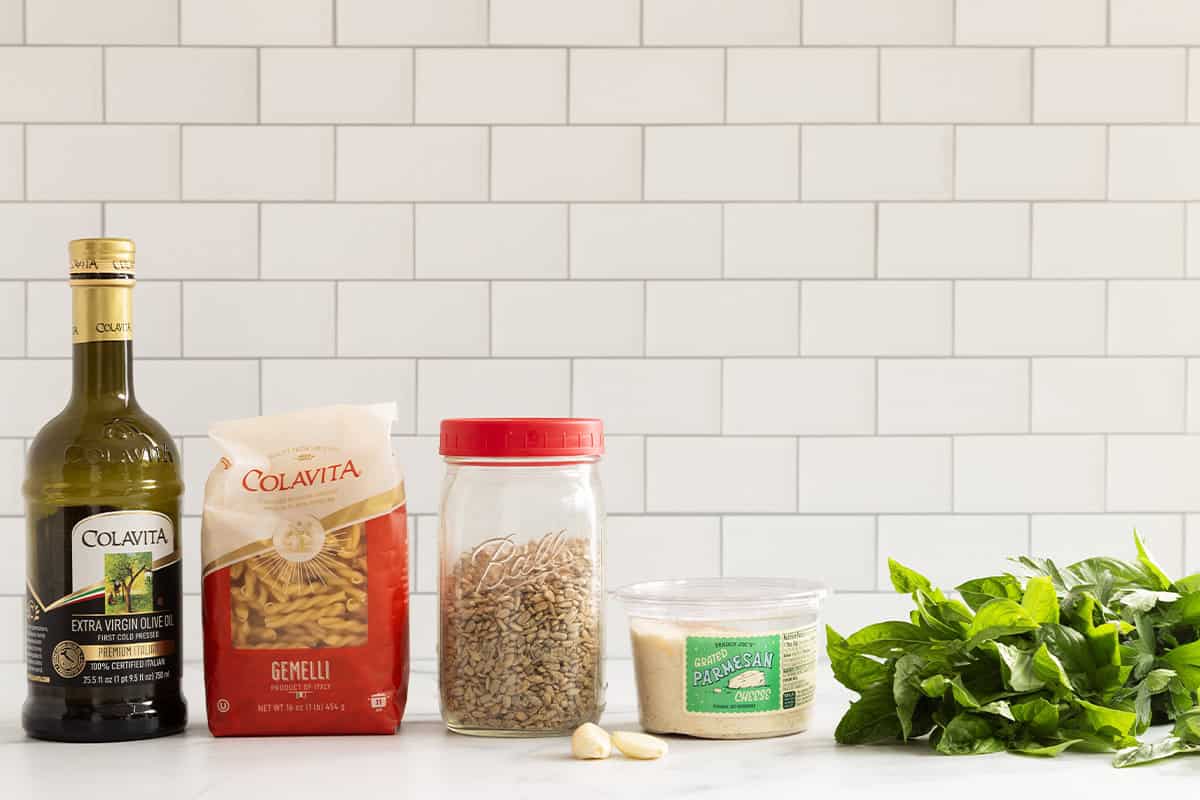
The FAQ section also thoughtfully addresses alternative nut-free options for pesto, suggesting the use of pumpkin seeds or incorporating creamy elements like cottage cheese, white beans, or ricotta. These suggestions are valuable for individuals seeking to vary the texture, flavor, or nutritional content of their pesto, or for those who may have other ingredient sensitivities. Pumpkin seeds, for instance, offer a mild, earthy flavor and are a good source of magnesium and zinc. White beans can provide a creamy texture and added fiber, while cottage cheese and ricotta offer a lighter, dairy-based creaminess.

Key Takeaways for Culinary Success
The success of this nut-free pesto recipe hinges on several key factors:
- Simplicity: With few ingredients and minimal prep, it’s accessible to cooks of all skill levels.
- Speed: The five-minute preparation time makes it an ideal solution for busy households.
- Allergy-Friendliness: Its nut-free status opens doors for children with common allergies.
- Versatility: It can be used in a multitude of dishes, making it a staple ingredient.
- Preservation: Effective storage methods ensure maximum freshness and longevity.
This nut-free pesto recipe represents a significant contribution to the realm of family-friendly cooking. It not only provides a delicious and versatile condiment but also addresses the critical need for safe, inclusive, and convenient food options in today’s diverse culinary landscape. As families continue to seek out nutritious and easy-to-prepare meals, this nut-free pesto is poised to become an indispensable addition to their kitchens.
Related posts: