The Ultimate Dietitian-Approved Checklist for Stocking Your First College Apartment Kitchen


Transitioning from the structured environment of university residence halls to an off-campus apartment marks a significant milestone in young adulthood. For many students, the excitement of shedding dormitory restrictions and Resident Advisor oversight is quickly tempered by a stark realization: the daily responsibility of self-sustenance. While parents often harbor concerns that their children will subsist entirely on instant ramen and caffeinated beverages once they leave the safety net of the campus dining hall, experts note that moving into a first rental property presents a prime opportunity to develop lifelong culinary independence.
Establishing a functional and nutritious kitchen in a student apartment does not require an extensive culinary background, specialized commercial equipment, or a extravagant budget. Rather, culinary and nutritional professionals emphasize that a successful transition relies on a curated selection of versatile ingredient staples, fundamental cooking gear, and strategic meal planning.
The Evolution of Student Nutrition and Independence
The shift toward off-campus living typically occurs during a student’s junior or senior year, aligning with developmental milestones in self-sufficiency. Historically, campus dining halls provided structured meals, leaving students ill-prepared for grocery shopping, meal preparation, and food preservation. However, contemporary consumer trends indicate a growing interest among college students in home cooking, driven largely by accessible online recipe platforms, social media cooking tutorials, and an increased awareness of personal health and wellness.
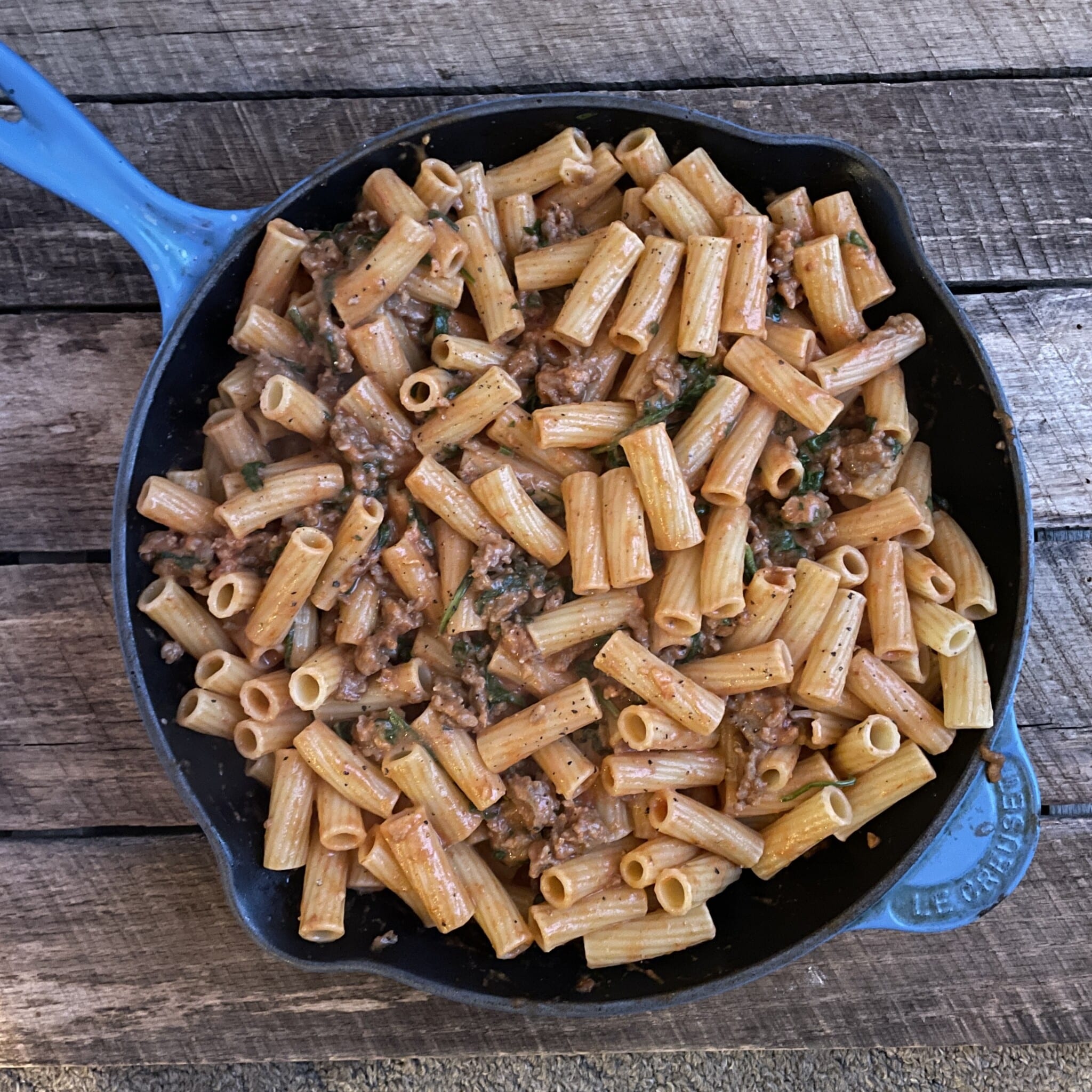
Data from consumer research organizations indicate that young adults who learn basic cooking skills during their undergraduate years report lower monthly food expenditures and better overall dietary quality compared to their peers who rely exclusively on takeout and convenience foods. Furthermore, cooking at home fosters social connections among roommates, transforming mealtime from a solitary necessity into a communal activity.
Essential Kitchen Equipment: Quality Over Quantity
Outfitting a first apartment kitchen frequently leads to overspending on single-use gadgets that ultimately gather dust in crowded cabinets. Dietitians and professional organizers consistently advise students to focus on a minimalist inventory of multi-use equipment.
Must-Have Equipment
The foundational toolkit for a student kitchen should prioritize durability and versatility:
- Cookware: A medium-sized saucepan and a 10-inch skillet (preferably non-stick) handle the vast majority of stovetop tasks, from boiling pasta to frying eggs.
- Bakeware: One rimmed baking sheet (sheet pan) is indispensable for roasting vegetables, baking chicken, and reheating frozen items.
- Prep Tools: A sharp chef’s knife, a sturdy cutting board, a can opener, and a vegetable peeler form the core of safe food preparation.
- Dinnerware and Utensils: A basic set of plates, bowls, drinking glasses, forks, spoons, and a reliable spatula and wooden spoon.
Potential Must-Haves and Nice-to-Haves
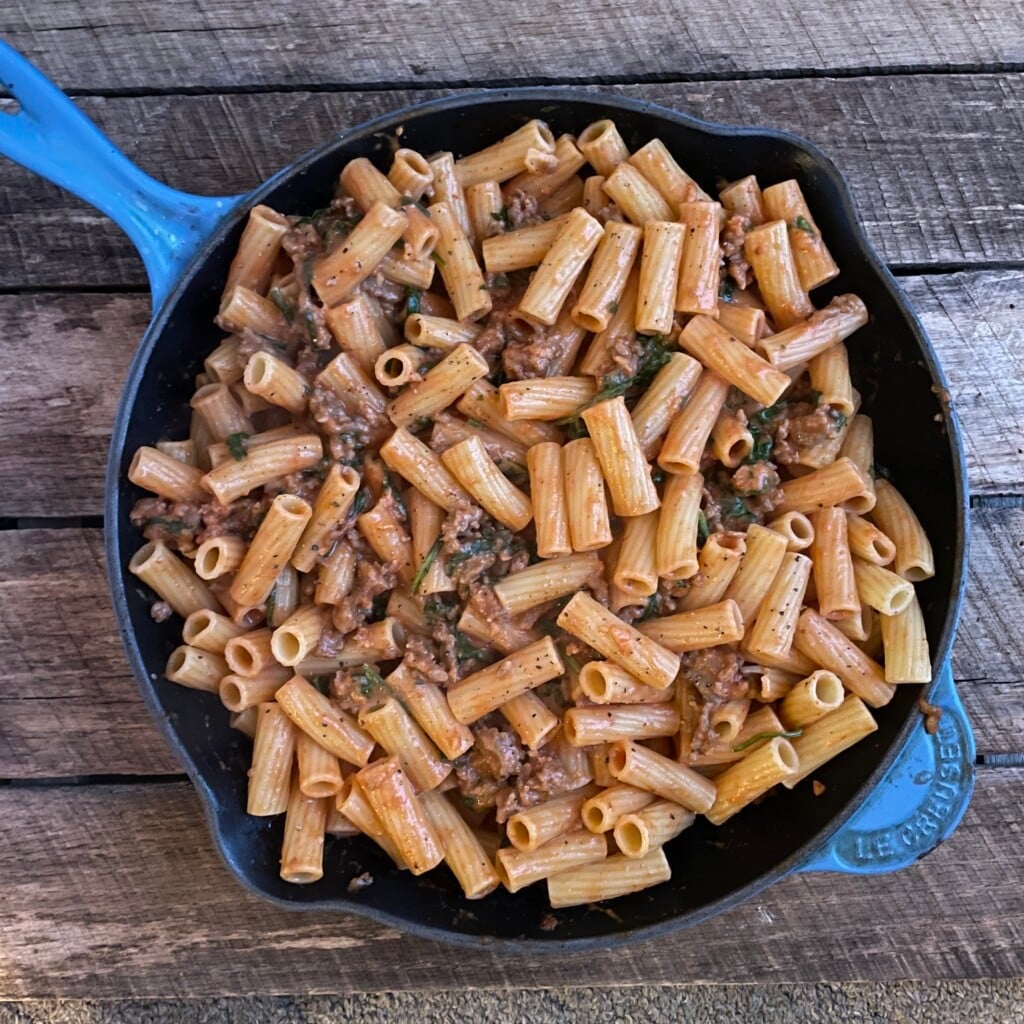
Depending on individual cooking habits, certain items may cross the threshold from luxury to necessity. A microwave-safe glass container set serves double duty for food storage and reheating. A colander for draining pasta and rinsing produce is highly recommended. For students with limited time, a basic digital food thermometer ensures meat is cooked safely, while a compact blender can facilitate quick breakfast smoothies.
Items commonly recommended for omission include specialized appliances such as panini presses, fondue sets, dedicated egg cookers, and extensive knife blocks. These tools consume valuable counter space and rarely justify their cost on a student budget.
Strategic Grocery Budgeting and Procurement
Managing food expenditures is one of the steepest learning curves for newly independent students. Financial literacy experts recommend establishing a realistic weekly or monthly grocery budget before stepping into a supermarket.
Shopping strategies that maximize purchasing power include prioritizing private-label or store brands over name brands, purchasing shelf-stable staples in bulk, and shopping the perimeter of the store where whole foods—such as produce, dairy, and lean proteins—are typically located. Discount grocery chains and local farmers’ markets often offer significant savings on fresh ingredients compared to traditional supermarket chains.
Stocking the Pantry: The Backbone of Student Meals
A well-stocked pantry eliminates the daily dilemma of wondering what to eat and provides the dry and canned goods necessary to anchor a variety of meals.
Grains and Complex Carbohydrates
Versatile grains provide sustained energy and form the base of countless budget-friendly dishes. Essential items include:
- Pasta (various shapes)
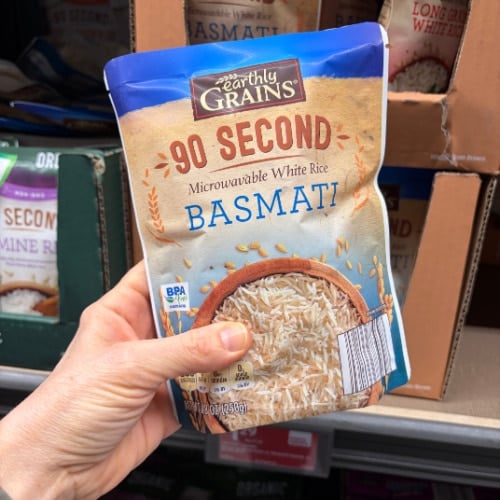
- Rice (long-grain white or brown)
- Rolled oats for breakfast porridge or baking
- Whole-grain bread or tortillas
- Canned or dried beans (black, pinto, or garbanzo) and lentils
Canned Proteins and Produce
Shelf-stable proteins ensure that a nutritious meal is always within reach, even between grocery trips.
- Canned tuna or salmon
- Canned tomatoes (crushed, diced, or paste)
- Produce with a long shelf life, such as onions, garlic, potatoes, and sweet potatoes
Oils, Sauces, and Flavor Enhancers
Basic flavor foundations elevate simple ingredients into satisfying meals without requiring complex culinary techniques.
- Cooking oil (olive oil or canola oil for general cooking)
- Vinegar (apple cider or balsamic)
- Soy sauce, hot sauce, and salsa
- Basic spices: salt, black pepper, garlic powder, onion powder, and Italian seasoning
- Baking essentials: flour, sugar, baking powder, and honey or maple syrup
Perishable Essentials: Fridge and Freezer Management
Navigating the refrigerator and freezer requires an understanding of food safety and inventory management to minimize food waste—a common financial pitfall for inexperienced cooks.

Refrigerator Staples
Perishables should be purchased in quantities that match consumption patterns within a given week. Core items include:
- Eggs (a versatile, inexpensive protein source)
- Milk or a plant-based milk alternative
- Cheeses (such as cheddar, mozzarella, or feta)
- Plain or Greek yogurt
- Fresh produce that spoils quickly, consumed early in the shopping cycle
Note on Food Safety: Public health agencies continually monitor food safety advisories regarding fresh produce. Consumers are advised to consult local health guidelines regarding pre-washed greens and other fresh items to mitigate risks associated with foodborne illnesses.
Freezer Staples
The freezer is an invaluable asset for college students, preserving ingredients indefinitely and preventing spoilage. Key freezer inventory includes:
- Frozen vegetables (broccoli, peas, mixed vegetables) for rapid nutrient addition to any meal
- Frozen fruit for smoothies and oatmeal toppings
- Sliced bread or English muffins (which can be toasted directly from frozen)
- Pre-cooked or convenience proteins, such as chicken strips or edamame
Broader Implications and Long-Term Impact
Mastering the mechanics of apartment kitchen management during college yields benefits that extend far beyond the undergraduate years. Public health researchers note that establishing competent cooking habits early in adulthood correlates with improved long-term nutritional health, reduced risk of diet-related chronic diseases, and greater financial resilience.

By approaching the transition with a structured inventory, a modest set of durable equipment, and a focus on versatile, budget-friendly staples, students can successfully navigate the culinary demands of independent living. Ultimately, the transition from campus dining halls to home kitchens transforms a potential source of anxiety into an empowering foundation for adult life.